extrinsic
US /ɪkˈstrɪnsɪk, -zɪk/
・UK /eksˈtrɪnsɪk/
C1
adj.AdjectiveNot forming an internal part; outside; outer
Some teachers believe students need extrinsic rewards to motivate them to learn
Video subtitles
如何誘導大腦養成新的習慣? ► 刷牙進入狀態! - John Assaraf(中英字幕)

- So you have to use intrinsic and extrinsic motivations.
So you have to use intrinsic and extrinsic motivations.
- So you have to use intrinsic and extrinsic motivation.
So you have to use intrinsic and extrinsic motivation.
How to train your nervous system for optimal performance | Steven Kotler
- When psychologists or scientists or neuroscientists say motivation, they're often talking about extrinsic motivation, things in the world we're going to work hard to get, intrinsic motivators, things that drive us from within, like curiosity or passion or purpose.
When psychologists or scientists or neuroscientists say motivation, they're often talking about extrinsic motivation, things in the world we're going to work hard to get, intrinsic motivators, things that drive us from within, like curiosity or passion or purpose.
- When psychologists or scientists or neuroscientists say motivation, they're often talking about extrinsic motivation, things in the world we're going to work hard to get, intrinsic motivators, things that drive us from within like curiosity or passion or purpose.
When psychologists or scientists or neuroscientists say motivation, they're often talking about extrinsic motivation, things in the world we're going to work hard to get, intrinsic motivators, things that drive us from within like curiosity or passion or purpose.
How to Focus Intensely
- I'd like to make a distinction between two kinds of pleasure: extrinsic and intrinsic.
I'd like to make a distinction between two kinds of pleasure: extrinsic and intrinsic.
- Extrinsic pleasure is doing an activity that leads to pleasure.
Extrinsic pleasure is doing an activity that leads to pleasure.
人生真正的快樂是什麼?大多數人都理解錯了... ► 聽聽哈佛教授怎麼說 - Dr. Arthur Brooks 阿瑟·布魯克斯(中英字幕)

- I'm going fishing And so this is what we all need to find The problem is that people chase these Extrinsic lures the money power pleasure and fame and they get out of the groove of what they're supposed to do And then they wonder why they're unhappy You
I'm going fishing And so this is what we all need to find The problem is that people chase these Extrinsic lures the money power pleasure and fame and they get out of the groove of what they're supposed to do And then they wonder why they're unhappy You
- The problem is that people chase these extrinsic lures, the money, power, pleasure, and fame,
The problem is that people chase these extrinsic lures, the money, power, pleasure, and fame,
William Ackman: Everything You Need to Know About Finance and Investing in Under an Hour
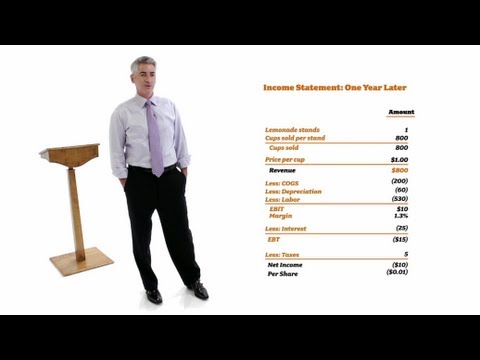
- so-called extrinsic factors that you can’t control. So if a business will be affected
so-called extrinsic factors that you can’t control. So if a business will be affected
- You also want businesses that are not particularly sensitive to outside factors, so-called extrinsic factors, that you can't control.
You also want businesses that are not particularly sensitive to outside factors, so-called extrinsic factors, that you can't control.
7 Changes to Make 2025 the Best Year of Your Life (Make It Count)

- Because if I'm in a state where I'm not enjoying what I'm doing or the content that I'm creating because it's been shaped too much by external extrinsic motivation, then there's no real point in doing this whole creative thing anyway.
Because if I'm in a state where I'm not enjoying what I'm doing or the content that I'm creating because it's been shaped too much by external extrinsic motivation, then there's no real point in doing this whole creative thing anyway.
- Because if I'm in a state where I'm not enjoying what I'm doing or the content that I'm creating because it's been shaped too much by external extrinsic motivation, then there's no real point in doing this whole creator thing anyway.
Because if I'm in a state where I'm not enjoying what I'm doing or the content that I'm creating because it's been shaped too much by external extrinsic motivation, then there's no real point in doing this whole creator thing anyway.
How to Stay Motivated, Using Psychology.

- Now, psychologists have divided motivation into two types: Intrinsic motivation and extrinsic motivation.
Now, psychologists have divided motivation into two types: Intrinsic motivation and extrinsic motivation.
- Now, psychologists have divided motivation into two types: intrinsic motivation and extrinsic motivation.
Now, psychologists have divided motivation into two types: intrinsic motivation and extrinsic motivation.
Fun is the Future: Mastering Gamification

- and it happens almost 100% of the time, if you replace intrinsic motivation with extrinsic
and it happens almost 100% of the time, if you replace intrinsic motivation with extrinsic
- rewards and you extinguish the extrinsic reward then the underlying behavior is also extinguished.
rewards and you extinguish the extrinsic reward then the underlying behavior is also extinguished.
Extrinsic vs Intrinsic Motivation: Are You Listening or Following Your Heart?

- When we study how we get motivated to learn, develop, and succeed, we can identify two contrary forces: extrinsic and intrinsic ones.
When we study how we get motivated to learn, develop, and succeed, we can identify two contrary forces: extrinsic and intrinsic ones.
- One meta analysis of 128 studies examined the effects of extrinsic rewards on intrinsic motivation.
One meta analysis of 128 studies examined the effects of extrinsic rewards on intrinsic motivation.
The 5 Rules Of A Winning Daily Routine (How To Reprogram Your Mind)

- There's a basic distinction between intrinsic and extrinsic motivation.
There's a basic distinction between intrinsic and extrinsic motivation.
- On the other hand, extrinsic motivation pulls you by the power of some external benefit or tangible reward that you'll attain by taking action, as in the case of a professional athlete who plays primarily for money rather than for the fun or challenge of the sport.
On the other hand, extrinsic motivation pulls you by the power of some external benefit or tangible reward that you'll attain by taking action, as in the case of a professional athlete who plays primarily for money rather than for the fun or challenge of the sport.