
adapt
US /əˈdæpt/
UK /ə'dæpt/
- Transitive Verb
- To change something for a different function
- To change something to fit or suit a new purpose
- Intransitive Verb
- To change your behaviour so that it is easier to live in a new place or situation
B1TOEICMoreappetite
US /ˈæpɪˌtaɪt/
UK /'æpɪtaɪt/
- Noun
- Feeling of hunger or desire for something
B1Moreaquatic
US /əˈkwætɪk/
UK /əˈkwætɪk/
- Adjective
- Living or growing near or in water
B2Morearound the clock
US /əˈraʊnd ði klɑk/
UK /əˈraund ðə klɔk/
- Phrase
- All day and all night; continuously.
A1Moreat the same time
US
UK
- Phrase
- Simultaneously; at the identical moment.
- Nevertheless; however; used to introduce a contrasting or qualifying statement.
A1Moreavian
US /'eɪvɪrn/
UK /'eɪvɪən/
- Adjective
- Of or typical of birds
C1Morebird flu
US /bɚd flu/
UK /bə:d flu:/
- Noun
- A highly contagious viral disease affecting birds, which can sometimes spread to humans.
B1Morechallenge
US /ˈtʃæləndʒ/
UK /'tʃælɪndʒ/
- Noun (Countable/Uncountable)
- An activity you wish to try that may be hard to do
- Act of formally inviting someone to compete
- Transitive Verb
- To formally invite someone to compete at something
- To question the correctness of something
A2Moreconstantly
US /ˈkɑnstəntlɪ/
UK /ˈkɒnstəntli/
- Adverb
- Frequently, or without pause
- In a way that is unchanging or faithful
B1Morecurious
US /ˈkjʊriəs/
UK /ˈkjʊəriəs/
- Adjective
- Wanting to know more about something
- Attracting interest by being strange or unusual
A2Moredairy
US /ˈderi/
UK /ˈdeəri/
- Adjective
- Concerning or made from milk
- Noun (Countable/Uncountable)
- Building for storing milk or making cheese/butter
B2Moredefine
US /dɪˈfaɪn/
UK /dɪ'faɪn/
- Transitive Verb
- To explain the meaning of words
- To set or mark the limits of something
A2TOEICMoredespite the fact
US
UK
- Preposition
- In spite of; notwithstanding.
- Conjunction
- Even though; although.
A2Morediagnose
US /ˌdaɪəgˈnoʊs/
UK /ˈdaɪəgnəʊz/
- Transitive Verb
- To determine the cause of an illness or problem
B1Moredisease
US /dɪˈziz/
UK /dɪˈzi:z/
- Noun (Countable/Uncountable)
- Illness that affects a person, animal, or plant
- A disorder of structure or function in a plant, especially one caused by a pathogen.
- Transitive Verb
- To affect with disease; to corrupt or sicken.
A2TOEICMoredrift
US /drɪft/
UK /drɪft/
- Intransitive Verb
- (Of sand, etc.) to be blown into heaps by the wind
- (Of boats) to move without purpose on water
B1Moredue to
US /du tu/
UK /dju: tu:/
- Preposition
- Because of; owing to
- Adjective
- Attributable to; caused by.
A1Moreefficient
US /ɪˈfɪʃənt/
UK /ɪˈfɪʃnt/
- Adjective
- Able to produce results without waste
- Capable of producing desired results with little or no waste (of time, energy, or other resources).
A2TOEICMoreevolution
US /ˌɛvəˈluʃən, ˌivə-/
UK /ˌi:və'lu:ʃn/
- Uncountable Noun
- Theory that living things change over time
- Process by which something develops over time
B1Morefeel like
US
UK
- Intransitive Verb
- To have a desire or inclination for something.
- To have a particular quality or sensation; resemble.
A1Moreflap
US /flæp/
UK /flæp/
- Uncountable Noun
- Motion or sound of something waving back and forth
- Verb (Transitive/Intransitive)
- To move something back and forth or up and down
B2Moreflu
US /flu/
UK /flu:/
- Noun (Countable/Uncountable)
- Illness causing headache, fever etc.
- A specific instance or bout of influenza.
B2Morefor example
US
UK
- Phrase
- As an illustration or instance.
generally
US /ˈdʒɛnərəli/
UK /ˈdʒenrəli/
- Adverb
- Usually; as a rule; by, to or for most people
A2Moreimmune
US /ɪˈmjoon/
UK /ɪˈmju:n/
- Adjective
- Having a special protection from, e.g. the law
- Protected against a particular disease or condition because of antibodies or vaccination.
B1Morein fact
US /ɪn fækt/
UK /in fækt/
- Adverb
- Used to emphasize the truth of a statement, especially one that contrasts with or contradicts something else.
- Used to introduce a more detailed or surprising piece of information.
- Phrase
- Used to emphasize the truth of a statement, especially one that is surprising or contrary to what might be expected.
C1Morein the past
US
UK
- Phrase
- During a former period of time; previously.
A1Moreinfection
US /ɪnˈfɛkʃən/
UK /ɪnˈfekʃn/
- Noun
- (Computers) Having a computer virus
- Making or becoming sick with a bacteria/virus
A2Moreinfluenza
US /ˌɪnflʊ'enzə/
UK /ˌɪnfluˈenzə/
- Noun
- Full name for the 'flu'
B2Moremammal
US /ˈmæməl/
UK /'mæml/
- Noun
- Animal which drinks milk from its mother
B1Morenegative
US /ˈnɛɡətɪv/
UK /'neɡətɪv/
- Noun
- The opposite to a positive electrical charge
- In grammar, containing words such as 'no' or 'not'
- Adjective
- Being harmful, unwanted or unhelpful
- In mathematics, being less than zero
A2Moreneurological
US /ˌnjʊrəˈlɑdʒɪkəl/
UK /ˌnjʊərəˈlɒdʒɪkl/
- Adjective
- Concerning, used in or practicing neurology
B2Moreodd
US /ɑd/
UK /ɒd/
- Adjective
- Being unmatched with someone or something
- Being a number not able to be divided by two
A2Moreon record
US /ɑn rɪˈkɚd/
UK /ɔn riˈkɔ:d/
- Adverb
- Formally and publicly stated
- Adjective
- Officially documented or registered.
A1Moreongoing
US /ˈɑ:ngoʊɪŋ/
UK /ˈɒngəʊɪŋ/
- Adjective
- Continuing to exist or be in progress
- Noun (Countable/Uncountable)
- A situation or process that is currently taking place or is in progress.
- A problem or difficulty that continues to exist or happen.
B1Moreoutbreak
US /ˈaʊtˌbrek/
UK /ˈaʊtbreɪk/
- Noun (Countable/Uncountable)
- Sudden occurrence of illness, discontent etc.
- A sudden occurrence of something unwelcome, such as war or disease.
B2Moreover time
US /ˈovɚ taɪm/
UK /ˈəuvə taim/
- Phrase
- Gradually; as time passes.
- During a long period.
- Adverb
- Gradually; as time passes.
B1Morepandemic
US /pænˈdɛmɪk/
UK /pæn'demɪk/
- Adjective
- (of a disease) existing in almost all of an area or in almost all of a group of people, animals, or plants
- Noun
- a pandemic disease
C2Morepanic
US /ˈpænɪk/
UK /'pænɪk/
- Uncountable Noun
- Overwhelming feeling of fear and anxiety
- Intransitive Verb
- To feel sudden anxiety and fear and cannot think
B1Morepotential
US /pəˈtɛnʃəl/
UK /pəˈtenʃl/
- Adjective
- Capable of happening or becoming reality
- Having or showing the capacity to develop into something in the future.
- Uncountable Noun
- someone's or something's ability to develop, achieve, or succeed
A2TOEICMorepotentially
US /pəˈtɛnʃəlɪ/
UK /pə'tenʃəlɪ/
- Adverb
- That could happen or become reality
B1Moreprocess
US /ˈprɑsˌɛs, ˈproˌsɛs/
UK /prə'ses/
- Transitive Verb
- To organize and use data in a computer
- To deal with official forms in the way required
- Noun (Countable/Uncountable)
- Dealing with official forms in the way required
- Set of changes that occur slowly and naturally
A2TOEICMorerandom
US /ˈrændəm/
UK /'rændəm/
- Adjective
- Chosen, done without a particular plan or pattern
B1Morerare
US /rɛr/
UK /reə(r)/
- Adjective
- (Of meat) cooked, but still red and juicy
- Unusual or out of the ordinary; not common
A2Morerecognize
US /ˈrek.əɡ.naɪz/
UK /ˈrek.əɡ.naɪz/
- Transitive Verb
- To accept the truth or reality of something
- To consider something as important or special
A2TOEICMoresame time
US
UK
- Phrase
- Occurring simultaneously or at the same point in time.
- At the identical time as before; recurring at a fixed hour.
- Noun
- An equal duration or period.
A1Moreshift
US /ʃɪft/
UK /ʃɪft/
- Verb (Transitive/Intransitive)
- To change in position or direction
- To move something from one place to another
- Noun (Countable/Uncountable)
- A change in a persons plans, opinions or beliefs
- Period of work starting at a certain time
A2Morespill
US /spɪl/
UK /spɪl/
- Noun
- Accident when someone falls
- Act of allowing a fluid to escape
- Verb (Transitive/Intransitive)
- To come out of and spread beyond limits
- To tell secrets or let information escape
B1Morespread
US /sprɛd/
UK /spred/
- Noun (Countable/Uncountable)
- A big meal, often laid out as a buffet
- The distance between two things
- Verb (Transitive/Intransitive)
- To place over a large area; to cover a large area
- (Of ideas, gossip) to pass to and affect others
A2TOEICMorestrain
US /stren/
UK /streɪn/
- Transitive Verb
- To remove the water from (food) using a colander
- To injure a muscle, leg etc. by using it too much
- Noun (Countable/Uncountable)
- Injury to a muscle, leg etc. through overuse
- Type or variation of a disease or bacillus
B2Moresudden
US /ˈsʌdn/
UK /ˈsʌdn/
- Adjective
- Happening or done quickly or unexpectedly
B1Moreswap
US /swɑp/
UK /swɒp/
- Transitive Verb
- To exchange goods without spending money; trade
- Noun
- A trade or exchange of goods without using money
B2TOEICMoreubiquitous
US /juˈbɪkwɪtəs/
UK /ju:ˈbɪkwɪtəs/
- Adjective
- Found everywhere; found in many places
C2TOEICMoreused to
US /juzd tu/
UK /ˈju:st tə/
- Adjective
- Did regularly before, but don't do now
- Auxiliary Verb
- Have done before, but do not do now
A1Moreviral
US /ˈvaɪrəl/
UK /ˈvaɪrəl/
- Adjective
- Of or caused by a virus
- Becoming very popular by circulating quickly from person to person, especially through the Internet.
B2Morevulnerable
US /ˈvʌlnərəbəl/
UK /ˈvʌlnərəbl/
- Adjective
- Being open to attack or damage
- Being easily harmed, hurt, or wounded
B1More
Vocabulary
- bird flu: A highly contagious viral disease affecting birds, which can sometimes spread to humans.
- in fact: Used to emphasize the truth of a statement, especially one that contrasts with or contradicts something else.
- at the same time: Simultaneously; at the identical moment.
- same time: Occurring simultaneously or at the same point in time.
- on record: Formally and publicly stated
- for example: As an illustration or instance.
- over time: Gradually; as time passes.
- due to: Because of; owing to
- used to: Did regularly before, but don't do now
- in the past: During a former period of time; previously.
- despite the fact: In spite of; notwithstanding.
- around the clock: All day and all night; continuously.
- feel like: To have a desire or inclination for something.
- vulnerable: Being open to attack or damage
- constantly: Frequently, or without pause
- potential: Capable of happening or becoming reality
- process: To organize and use data in a computer
- immune: Having a special protection from, e.g. the law
- recognize: To accept the truth or reality of something
- pandemic: (of a disease) existing in almost all of an area or in almost all of a group of people, animals, or plants
- panic: Overwhelming feeling of fear and anxiety
- potentially: That could happen or become reality
- negative: The opposite to a positive electrical charge
- common: Area in a city or town that is open to everyone
- appetite: Feeling of hunger or desire for something
- strain: To remove the water from (food) using a colander
- random: Chosen, done without a particular plan or pattern
- curious: Wanting to know more about something
- disease: Illness that affects a person, animal, or plant
- spread: A big meal, often laid out as a buffet
- ubiquitous: Found everywhere; found in many places
- viral: Of or caused by a virus
- shift: To change in position or direction
- odd: Being unmatched with someone or something
- efficient: Able to produce results without waste
- rare: (Of meat) cooked, but still red and juicy
- generally: Usually; as a rule; by, to or for most people
- adapt: To change something for a different function
- define: To explain the meaning of words
- challenge: An activity you wish to try that may be hard to do
- dairy: Concerning or made from milk
- evolution: Theory that living things change over time
- swap: To exchange goods without spending money; trade
- create: To make, cause, or bring into existence
- due: When something is required or expected
- neurological: Concerning, used in or practicing neurology
- record: Highest or most extreme level achieved
- drift: (Of sand, etc.) to be blown into heaps by the wind
- outbreak: Sudden occurrence of illness, discontent etc.
- infection: (Computers) Having a computer virus
- produce: Fresh foods such as fruits and vegetables
- fall: Season after summer and before winter; Autumn
- mammal: Animal which drinks milk from its mother
- spill: Accident when someone falls
- diagnose: To determine the cause of an illness or problem
- single: One run in cricket or a hit baseball
- manage: To survive hardships and difficulties; to cope
- learn: To get knowledge or skills by study or experience
- ongoing: Continuing to exist or be in progress
- fact: Something that is known or proved to be true
- allow: To admit the validity or truth of something
- act: To behave in a certain way
- natural: Being as one would expect; being usual or normal
- sudden: Happening or done quickly or unexpectedly
- worse: Comparative of 'bad'; more bad
- change: To exchange one set of clothes for another
- aquatic: Living or growing near or in water
- influenza: Full name for the 'flu'
- flu: Illness causing headache, fever etc.
- flap: Motion or sound of something waving back and forth
- avian: Of or typical of birds
Get the full experience in the app
Learn anywhere with detailed sentence and usage analysis
01:03
She took a brave step forward, leaving behind her comfort zone to chase her dreams.
Vocabulary
- brave
adj. Having courage
- comfort zone
phr. A familiar situation where one feels safe
Explanation
a brave step is a noun phrase, where brave is an adjective modifying the noun step, meaning "a courageous step".
forward is an adverb modifying step, meaning "ahead".
The whole phrase serves as the object, answering the "what" of took (verb) — she took a brave step forward.
Get the full experience in the app
Look up words anytime with pronunciation, part of speech, and usage
brave
US/brev/
UK/breɪv/
adj.Brave
v.t.To bravely face
A2 Elementary
Get the full experience in the app
Practice speaking anytime and get instant pronunciation feedback
Try this speaking exercise.
Try practicing with this sentence.
80
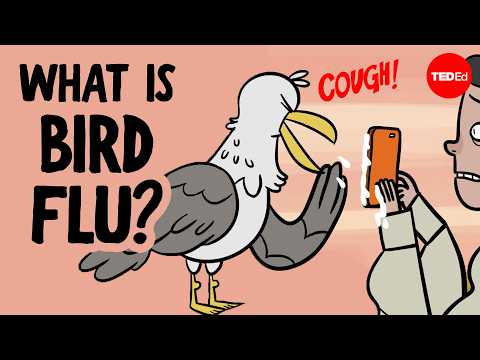
Everything you need to know about bird flu - Benjamin Anderson
0
陳姝潔 Jean Chen posted on 2026/09/21Ever wondered how bird flu jumped from poultry to cows and cats? This video dives into the fascinating science behind Influenza A, explaining how viruses like H5N1 adapt and why we need to stay vigilant. You'll pick up key terms like 'antigenic drift' and 'antigenic shift' to better understand viral evolution and its potential impact on human health.
Learn this video on the APP!
The VoiceTube App has more in-depth practice for videos!