
affect
US /əˈfɛkt/
UK /ə'fekt/
- Transitive Verb
- To cause a change in something else
- To pretend to have or feel (something).
- Noun
- (Psychology) Emotion or feeling.
A2TOEICMoreapparently
US /əˈpærəntlɪ/
UK /əˈpærəntli/
- Adverb
- According to what you heard; from what can be seen
A2TOEICMoreat best
US /æt bɛst/
UK /æt best/
- Phrase
- Under the most optimistic or favorable circumstances; the most that can be hoped for.
A1Moreattractive
US /əˈtræktɪv/
UK /əˈtræktɪv/
- Adjective
- Making you like them, as by being good-looking
- Offering advantages or benefits; tempting.
A2Morebacteria
US /bækˈtɪriə/
UK /bæk'tɪərɪə/
- Noun (plural)
- The very small creatures that can cause disease
B2Morebased on
US
UK
- Phrasal Verb
- To use something as the foundation or starting point for something else.
- Preposition
- Using something as the main idea or foundation.
- Relying on something as evidence or justification.
A1Moreblend
US /blɛnd/
UK /blend/
- Transitive Verb
- To combine different elements or substances
- To mix ingredients when cooking
- Noun
- Product known for mixing ingredients
B1Moreblend of
US
UK
- Noun
- A mixture of different things combined together.
- A combination of different qualities or elements.
A1Moreboost
US /bust/
UK /bu:st/
- Transitive Verb
- To increase something; to make something better
- To push someone or something up from beneath them
- Noun (Countable/Uncountable)
- An increase in something
B1TOEICMorecarbon
US /ˈkɑrbən/
UK /'kɑ:bən/
- Uncountable Noun
- Chemical element with an atomic number of 6
B1Morecausality
US /kɔˈzælɪti/
UK /kɔ:'zælətɪ/
- Uncountable Noun
- Being the direct reason for something
B2Morecombination
US /ˌkɑmbəˈneʃən/
UK /ˌkɒmbɪ'neɪʃn/
- Noun
- Series of letters or numbers needed to open a lock
- Act or result of mixing things together
B1Moredioxide
US /daɪˈɑksaɪd/
UK /daɪˈɒksaɪd/
- Noun
- An oxide containing two oxides per molecule
B2Moreexcept that
US /ɪkˈsɛpt ðæt/
UK /ikˈsept ðæt/
- Conjunction
- But; with the exception that.
A2Moreexercise
US /ˈɛksɚˌsaɪz/
UK /'eksəsaɪz/
- Verb (Transitive/Intransitive)
- To work out to become stronger and healthier
- To retain your ability or practice your skills
- Noun (Countable/Uncountable)
- Physical activity to increase health and strength
- Set of questions in a text book
A2Moreexhale
US /ɛksˈhel,ɛkˈhel/
UK /eksˈheɪl/
- Intransitive Verb
- To breathe out the air or smoke in your lungs
C1Morefever
US /ˈfivɚ/
UK /'fi:və(r)/
- Noun (Countable/Uncountable)
- A high body temperature, indicating illness
- State of excited emotion or activity
- Transitive Verb
- To cause to have a fever.
B1Moregovern
US /ˈgʌvərn/
UK /ˈgʌvn/
- Transitive Verb
- To officially control land and make policies
- To control the actions or behaviour of someone
B1Morehome in
US /ˈhoʊm ɪn/
UK /ˈhəum ɪn/
- other
- Move or direct toward a specific target or goal.
B2Moreidentical
US /aɪˈdɛntɪkəl/
UK /aɪˈdentɪkl/
- Adjective
- The same in every way
- Satisfied by all values of the variables involved.
B1Morein on
US
UK
- Phrase
- To be involved in a secret or plan.
- To be aware of something that is secret or not generally known.
A1Moreirresistible
US /ˌɪrɪˈzɪstəbəl/
UK /ˌɪrɪˈzɪstəbl/
- Adjective
- Being so attractive or desirable you cannot say no
B1Moremagnet
US /'mæɡnət/
UK /ˈmægnət/
- Noun (Countable/Uncountable)
- Metal object that attracts or repels other metals
- Something popular and able to draw people
B1Moremess
US /mɛs/
UK /mes/
- Noun (Countable/Uncountable)
- Something that is untidy, dirty or unclean
- A difficult or confused situation.
- Transitive Verb
- To make something untidy or dirty
A2Moremosquito
US /məˈski:toʊ/
UK /məˈski:təʊ/
- Countable Noun
- Small flying insect which sucks blood
B1Moreof course
US /ʌv kɔː(r)s/
UK /ɔv kɔː(r)s/
- Adverb
- Sure ; Certainly
- Phrase
- For sure; certainly
A2Morepotential
US /pəˈtɛnʃəl/
UK /pəˈtenʃl/
- Adjective
- Capable of happening or becoming reality
- Having or showing the capacity to develop into something in the future.
- Uncountable Noun
- someone's or something's ability to develop, achieve, or succeed
A2TOEICMorepump
US /pʌmp/
UK /pʌmp/
- Verb (Transitive/Intransitive)
- To make liquid or gas flow in a particular direction
- To make water/other liquid move using a machine
- Noun
- A device more moving liquids
- Light woman's shoe
B1Morepump out
US /pʌmp aʊt/
UK /pʌmp aut/
- Phrasal Verb
- To remove liquid from somewhere using a pump.
- To produce something in large quantities.
B1Morerely
US /rɪˈlaɪ/
UK /rɪ'laɪ/
- Intransitive Verb
- Depend on with full trust or confidence
- To trust or have confidence in someone.
B2TOEICMorerely on
US /rɪˈlaɪ ɑn/
UK /riˈlai ɔn/
- Phrasal Verb
- To depend on someone or something
A2Moreresearch
US /rɪˈsɚtʃ, ˈriˌsɚtʃ/
UK /rɪ'sɜ:tʃ/
- Verb (Transitive/Intransitive)
- To study in order to discover new ideas and facts
- To study the market relating to marketing products and services.
- Noun (Countable/Uncountable)
- Study done to discover new ideas and facts
- A particular area or topic of study.
A2TOEICMorescent
US /sɛnt/
UK /sent/
- Transitive Verb
- To become aware of the presence of a smell, etc.
- To add smell to something
- Noun
- Pleasant smell, as of flowers or perfume
B1TOEICMorescientific
US /ˌsaɪənˈtɪfɪk/
UK /ˌsaɪənˈtɪfɪk/
- Adjective
- Concerning academic study of the physical world
- Systematic and precise, following a methodology.
- Noun
- Relating to or used in science.
A2Moreseparate
US /'sepəreɪt/
UK /'sepəreɪt/
- Adjective
- Being different from or unrelated to another
- Not connected; different.
- Transitive Verb
- To divide two things by being in between them
- To move things away from each other
A2TOEICMoreslightly
US /ˈslaɪtli/
UK /ˈslaɪtli/
- Adverb
- Only a little
B1Morespecific
US /spɪˈsɪfɪk/
UK /spəˈsɪfɪk/
- Adjective
- Precise; particular; just about that thing
- Concerning one particular thing or kind of thing
A2Morespecifically
US /spəˈsɪfɪkli/
UK /spəˈsɪfɪkli/
- Adverb
- As regards a particular thing; closely related to
- In a definite and clear manner.
A2Morestatus
US /ˈstetəs, ˈstætəs/
UK /'steɪtəs/
- Uncountable Noun
- Position or rank relative to others in a society
- Legal position of a person or thing
A2TOEICMorestick
US /stɪk/
UK /stɪk/
- Verb (Transitive/Intransitive)
- To push a sharp or pointed object into something
- To join together using glue or paste
- Countable Noun
- Long thin piece of wood from a tree
A2Moretrack
US /træk/
UK /træk/
- Transitive Verb
- To use marks to follow a wild animal
- To move a certain way/follow a particular course
- Noun
- A circular course for running
- Course or way someone takes, e.g. in education
A2TOEICMoretrack down
US /træk daʊn/
UK /træk daun/
- Phrasal Verb
- To find out where someone is; hunt; chase
- Transitive Verb
- To find someone or something after a long or difficult search.
A2Moretrigger
US /ˈtrɪɡɚ/
UK /'trɪɡə(r)/
- Noun
- Lever on a gun that you pull to fire
- Device that starts a process
- Transitive Verb
- To start a process off e.g. a memory
- To cause something to begin or happen.
B1Moretuned to
US
UK
- Phrasal Verb
- To adjust a radio receiver to the frequency of a particular station.
- To adjust or adapt to something.
A2Morevision
US /ˈvɪʒən/
UK /'vɪʒn/
- Uncountable Noun
- Ability to see; eyesight
- Something you see in your imagination or dreams
A2Moreweird
US /wɪrd/
UK /wɪəd/
- Adjective
- Odd or unusual; surprising; strange
- Eerily strange or disturbing.
B1More
Vocabulary
- rely on: To depend on someone or something
- blend of: A mixture of different things combined together.
- based on: To use something as the foundation or starting point for something else.
- at best: Under the most optimistic or favorable circumstances; the most that can be hoped for.
- track down: To find out where someone is; hunt; chase
- of course: Sure ; Certainly
- tuned to: To adjust a radio receiver to the frequency of a particular station.
- in on: To be involved in a secret or plan.
- home in: Move or direct toward a specific target or goal.
- except that: But; with the exception that.
- pump out: To remove liquid from somewhere using a pump.
- weird: Odd or unusual; surprising; strange
- specific: Precise; particular; just about that thing
- stick: To push a sharp or pointed object into something
- potential: Capable of happening or becoming reality
- apparently: According to what you heard; from what can be seen
- trigger: Lever on a gun that you pull to fire
- slightly: Only a little
- boost: To increase something; to make something better
- evidence: Factual proof that helps to establish the truth
- matter: To be of great importance; to count
- common: Area in a city or town that is open to everyone
- specifically: As regards a particular thing; closely related to
- sense: Certain mental feeling or emotion
- mess: Something that is untidy, dirty or unclean
- combination: Series of letters or numbers needed to open a lock
- bacteria: The very small creatures that can cause disease
- track: To use marks to follow a wild animal
- research: To study in order to discover new ideas and facts
- separate: Being different from or unrelated to another
- exercise: To work out to become stronger and healthier
- status: Position or rank relative to others in a society
- affect: To cause a change in something else
- attractive: Making you like them, as by being good-looking
- explain: To make clear or easy to understand by describing
- identical: The same in every way
- scientific: Concerning academic study of the physical world
- vision: Ability to see; eyesight
- scent: To become aware of the presence of a smell, etc.
- blend: To combine different elements or substances
- rely: Depend on with full trust or confidence
- produce: Fresh foods such as fruits and vegetables
- exhale: To breathe out the air or smoke in your lungs
- dioxide: An oxide containing two oxides per molecule
- carbon: Chemical element with an atomic number of 6
- irresistible: Being so attractive or desirable you cannot say no
- fever: A high body temperature, indicating illness
- bring: To take or go with someone to a place
- change: To exchange one set of clothes for another
- find: To become aware of something that is happening
- set: Prepared for something; ready
- pump: To make liquid or gas flow in a particular direction
- fast: In a way that is difficult to move or change
- minute: Notes taken at a meeting to record what was said
- magnet: Metal object that attracts or repels other metals
- think: To have an idea about something without certainty
- govern: To officially control land and make policies
- type: Printed letters or blocks used for printing them
- weak: Not having a strong character
- mosquito: Small flying insect which sucks blood
- causality: Being the direct reason for something
Get the full experience in the app
Learn anywhere with detailed sentence and usage analysis
01:03
She took a brave step forward, leaving behind her comfort zone to chase her dreams.
Vocabulary
- brave
adj. Having courage
- comfort zone
phr. A familiar situation where one feels safe
Explanation
a brave step is a noun phrase, where brave is an adjective modifying the noun step, meaning "a courageous step".
forward is an adverb modifying step, meaning "ahead".
The whole phrase serves as the object, answering the "what" of took (verb) — she took a brave step forward.
Get the full experience in the app
Look up words anytime with pronunciation, part of speech, and usage
brave
US/brev/
UK/breɪv/
adj.Brave
v.t.To bravely face
A2 Elementary
Get the full experience in the app
Practice speaking anytime and get instant pronunciation feedback
Try this speaking exercise.
Try practicing with this sentence.
80
Why Are Some People Mosquito Magnets?
0
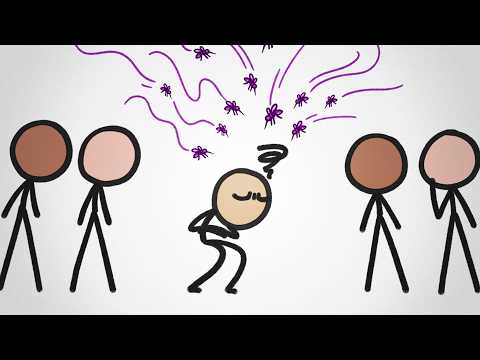
林宜悉 posted on 2026/09/10Ever wonder why mosquitoes seem to love you more than anyone else? This video dives into the science behind those pesky bites, revealing that it's not your blood type, but rather your unique scent and body heat that attracts them! You'll learn fascinating vocabulary about how mosquitoes track their targets and why some people are just irresistible 'mosquito magnets'.
Learn this video on the APP!
The VoiceTube App has more in-depth practice for videos!