
access
US /ˈæksɛs/
UK /'ækses/
- Noun (Countable/Uncountable)
- Way to enter a place, e.g. a station or stadium
- The opportunity or right to use something or to see someone.
- Transitive Verb
- To be able to use or have permission to use
A2TOEICMorealong with
US /əˈlɔŋ wɪð/
UK /əˈlɔŋ wið/
- Preposition
- In addition to; together with.
- Adverb
- In company or together with someone or something.
- Including; in addition to.
A2Moreat least
US /æt list/
UK /æt li:st/
- Adverb
- As a minimum
- Not less than
- Phrase
- No less than; at the minimum
- Used to indicate that something is positive in a bad situation.
C2Moreat the same time
US
UK
- Phrase
- Simultaneously; at the identical moment.
- Nevertheless; however; used to introduce a contrasting or qualifying statement.
A1Morecare for
US /kɛr fɔr/
UK /kɛə fɔ:/
- Phrasal Verb
- To want or desire a thing
- To look after someone who is ill, old, or very young.
A1Morecatch up
US /kætʃ ʌp/
UK /kætʃ ʌp/
- Phrasal Verb
- To become equal with another person
- To inform others of the latest news
- Verb (Transitive/Intransitive)
- To do something that you have not been able to do recently.
- To meet someone you know in order to talk to them and find out what they have been doing.
A1Morechance of survival
US
UK
- Phrase
- The possibility of remaining alive, especially during a dangerous event.
A1Morecome for
US /kʌm fɔr/
UK /kʌm fɔ:/
- Phrasal Verb
- To arrive to collect someone or something.
- To attack someone.
A1Morecommunicate
US /kəˈmjunɪˌket/
UK /kə'mju:nɪkeɪt/
- Verb (Transitive/Intransitive)
- To give and exchange information
- To convey or make known (information, feelings, etc.)
A2Morecommunity
US /kəˈmjunɪti/
UK /kə'mju:nətɪ/
- Noun (Countable/Uncountable)
- Group of people who share a common idea or area
- A feeling of fellowship with others, as a result of sharing common attitudes, interests, and goals.
- Adjective
- Relating to or shared by the people in a particular area.
- Shared or participated in by all members of a group
A2Morecomplicate
US /ˈkɑ:mplɪkeɪt/
UK /ˈkɒmplɪkeɪt/
- Transitive Verb
- To make more difficult to do, understand or use
B1Morecompound
US /kɑmˈpaUnd/
UK /'kɒmpaʊnd/
- Noun (Countable/Uncountable)
- Series of buildings that are walled or fenced off
- Chemical made up of several others
- Transitive Verb
- To pay interest on a loan including the interest
- To make something from various parts or components
B1Moreconflict
US /ˈkɑnˌflɪkt/
UK /'kɒnflɪkt/
- Noun (Countable/Uncountable)
- Argument or struggle between two or more parties
- A serious disagreement or argument.
- Verb (Transitive/Intransitive)
- To have opposite ideas; to disagree; To not match
A2Moreconsists of
US
UK
- Phrasal Verb
- Is made up or composed of.
A1Morecontext
US /ˈkɑnˌtɛkst/
UK /ˈkɒntekst/
- Noun (Countable/Uncountable)
- Set of facts surrounding a person or event
- The circumstances that form the setting for an event, statement, or idea, and in terms of which it can be fully understood and assessed.
A2Morecoordinate
US /ko'ɔrdəˈnet/
UK /kəʊ'ɔ:dɪneɪt/
- Transitive Verb
- To match styles or colors that go well together
- To cause body parts to move smoothly together
- Noun
- Point on a map defining a location e.g. 135N, 34W
- A matching set of clothes.
B1Morecross over
US /krɔs ˈovɚ/
UK /krɔs ˈəuvə/
- Phrasal Verb
- To go from one side of something to the other.
- To become popular with a different type of audience.
A2Moredemocratic
US /ˌdɛməˈkrætɪk/
UK /ˌdeməˈkrætɪk/
- Adjective
- (Of government) giving the people power, a vote
- Based on the principle that all members have equal rights.
B2Moredeploy
US /dɪˈplɔɪ/
UK /dɪˈplɔɪ/
- Transitive Verb
- To put into position (often a military operation)
- To put something into use or action.
B1TOEICMoredisease
US /dɪˈziz/
UK /dɪˈzi:z/
- Noun (Countable/Uncountable)
- Illness that affects a person, animal, or plant
- A disorder of structure or function in a plant, especially one caused by a pathogen.
- Transitive Verb
- To affect with disease; to corrupt or sicken.
A2TOEICMorefactor
US /ˈfæktɚ/
UK /'fæktə(r)/
- Noun
- Something that influences a result
- Transitive Verb
- To consider or include in an estimate or judgment
- To find the two numbers a number can be divided by
A2TOEICMorefamily members
US
UK
- Noun (plural)
- People related by blood, marriage, or adoption.
A1Morefor example
US
UK
- Phrase
- As an illustration or instance.
for instance
US /fɔr ˈɪnstəns/
UK /fɔ: ˈinstəns/
- Adverb
- As an example.
- Phrase
- As an example.
- As an illustration or case in point
B1Morefor now
US /fɔr naʊ/
UK /fɔ: nau/
- Phrase
- Temporarily; for the present time.
- In the short term; for the immediate future.
A1Morego on
US /ɡo ɑn/
UK /ɡəu ɔn/
- Phrasal Verb
- To continue doing something
- To happen (usually negative)
- Interjection
- Used to encourage someone
A1Moregoing on
US /ˈɡoɪŋ ɑn/
UK /ˈgəʊɪŋ ɔn/
- Phrasal Verb
- To continue doing something
- To happen (usually negative)
A1Morehealthcare
US /'helθker/
UK /'helθkeə/
- Uncountable Noun
- Nursing care to prevent illness or recover from it
B1Morehydrate
US /ˈhaɪˌdret/
UK /'haɪdreɪt/
- Transitive Verb
- To give or add water to something or someone
- Noun
- A compound in which water molecules are chemically bound to another substance.
C2Morehygiene
US /ˈhaɪˌdʒin/
UK /ˈhaɪdʒi:n/
- Uncountable Noun
- Cleanliness; being clean
- Practices for maintaining personal cleanliness.
B2Morein terms of
US
UK
- Phrase
- With regard to; concerning a particular aspect.
A1Morein the face of
US //ɪn ðə feɪs ɑv//
UK
- Phrase
- When confronted with something difficult or challenging.
- Despite; in defiance of; when confronted with.
A1Morein total
US /ɪn ˈtotl/
UK /in ˈtəutəl/
- Phrase
- Completely; with everything added together.
A1Morein touch
US /ɪn tʌtʃ/
UK /in tʌtʃ/
- Adjective
- Having contact or communication with someone.
- Aware of or informed about something.
B1Moreinfect
US /ɪnˈfɛkt/
UK /ɪn'fekt/
- Transitive Verb
- To introduce a computer virus to
- To give a disease, bacteria or virus to
B1Moreinfrastructure
US /ˈɪnfrəˌstrʌktʃɚ/
UK /'ɪnfrəstrʌktʃə(r)/
- Uncountable Noun
- Basic necessary equipment for a country or region
- The underlying framework or system of an organization.
B1Moreinstance
US /ˈɪnstəns/
UK /'ɪnstəns/
- Noun (Countable/Uncountable)
- An example of something; case
- An occurrence of something.
- Transitive Verb
- To give as an example of something else
A2TOEICMorelocation
US /loʊˈkeɪʃn/
UK /ləʊˈkeɪʃn/
- Noun (Countable/Uncountable)
- Particular position or area of place, event, etc.
- A place away from a studio where film or television shots are made.
B1TOEICMoremisinformation
US /ˌmɪsɪnfə'meɪʃn/
UK /ˌmɪsɪnfə'meɪʃn/
- Uncountable Noun
- Information that is incorrect
B1Moremove around
US /muv əˈraʊnd/
UK /mu:v əˈraund/
- Phrasal Verb
- To change position or location; to go from place to place.
- Intransitive Verb
- To spread or circulate (e.g., information, rumors).
of course
US /ʌv kɔː(r)s/
UK /ɔv kɔː(r)s/
- Adverb
- Sure ; Certainly
- Phrase
- For sure; certainly
A2Moreout there
US /aʊt ðɛr/
UK /aut ðɛə/
- Adverb
- In or to a place that is far away
- Existing in the universe
- Adjective
- Unconventional; strange; avant-garde
- Existing or available.
A1Moreoutbreak
US /ˈaʊtˌbrek/
UK /ˈaʊtbreɪk/
- Noun (Countable/Uncountable)
- Sudden occurrence of illness, discontent etc.
- A sudden occurrence of something unwelcome, such as war or disease.
B2Morepopulation
US /ˌpɑpjəˈleʃən/
UK /ˌpɒpjuˈleɪʃn/
- Noun (Countable/Uncountable)
- Number of people who live in a country, area etc.
- A group of individuals of one species living in a particular area.
A2TOEICMoreprevent
US /prɪˈvɛnt/
UK /prɪ'vent/
- Transitive Verb
- To stop something from happening or existing
A2TOEICMorepreventive
US /prɪˈvɛntɪv/
UK /prɪˈventɪv/
- Adjective
- Done to stop something bad happening
B1TOEICMoreprovince
US /ˈprɑvɪns/
UK /'prɒvɪns/
- Noun
- Subject that a person has a good knowledge of
- Area a country is divided into outside the capital
B1Morerapidly
US /ˈræpɪdlɪ/
UK /'ræpɪdlɪ/
- Adverb
- With great speed; quickly
B1TOEICMorerefugee
US /ˌrɛfjʊˈdʒi/
UK /ˌrefjuˈdʒi:/
- Countable Noun
- Person forced to leave their home e.g. due to war
B2Moreregion
US /ˈridʒən/
UK /'ri:dʒən/
- Noun (Countable/Uncountable)
- Part of a country, of the world, area, etc.
- A part of the body
A2TOEICMoreregularly
US /ˈregjələrli/
UK /ˈregjələli/
- Adverb
- At the usual time each day, week, or month
- In a normal or customary way.
B1TOEICMorerely
US /rɪˈlaɪ/
UK /rɪ'laɪ/
- Intransitive Verb
- Depend on with full trust or confidence
- To trust or have confidence in someone.
B2TOEICMoreremain
US /rɪˈmen/
UK /rɪˈmeɪn/
- Intransitive Verb
- To be left behind; to continue to exist
- To stay in a place when other people have gone
A2TOEICMoreresponse
US /rɪˈspɑns/
UK /riˈspɔns/
- Noun
- Something said/written as an answer to something
- Reaction to something that has occurred
A2TOEICMoresame time
US
UK
- Phrase
- Occurring simultaneously or at the same point in time.
- At the identical time as before; recurring at a fixed hour.
- Noun
- An equal duration or period.
A1Morescale up
US //skeɪl ʌp//
UK
- Phrasal Verb
- To increase in size, number, or extent.
A1Morespread
US /sprɛd/
UK /spred/
- Noun (Countable/Uncountable)
- A big meal, often laid out as a buffet
- The distance between two things
- Verb (Transitive/Intransitive)
- To place over a large area; to cover a large area
- (Of ideas, gossip) to pass to and affect others
A2TOEICMorestart on
US /stɑrt ɑn/
UK /stɑ:t ɔn/
- Phrasal Verb
- To begin or start doing something.
- To criticize or complain to someone repeatedly.
A1Moresuch as
US /sʌtʃ æz/
UK /sʌtʃ æz/
- Preposition
- For example; like
A1Moresupportive
US /səˈpɔ:rtɪv/
UK /səˈpɔ:tɪv/
- Adjective
- Providing help and support to someone or something
B1TOEICMoreto scale
US
UK
- Phrase
- In proportion; maintaining accurate relative dimensions.
- Verb (Transitive/Intransitive)
- To increase or expand proportionally.
- To climb or ascend.
B2Moreto some extent
US /tu sʌm ɪkˈstɛnt/
UK /tu: sʌm iksˈtent/
- Phrase
- Partially; not completely.
A1Morevaccine
US /vækˈsin,ˈvækˌsin/
UK /'væksi:n/
- Noun (Countable/Uncountable)
- Shot using weak disease cells to stop same disease
- A preparation of weakened or killed microorganisms, or of antigenic proteins derived from them, used to induce protective immunity in animals.
B2Morevariety
US /vəˈraɪɪti/
UK /və'raɪətɪ/
- Noun
- Particular type of thing or person
- The quality or state of being different or diverse; the absence of uniformity, sameness, or monotony.
A2TOEICMorevirus
US /ˈvaɪrəs/
UK /'vaɪrəs/
- Noun
- File secretly put on computers to cause harm
- Living organism that causes disease or sickness
B1More
Vocabulary
- going on: To continue doing something
- of course: Sure ; Certainly
- for instance: As an example.
- at least: As a minimum
- for now: Temporarily; for the present time.
- along with: In addition to; together with.
- chance of survival: The possibility of remaining alive, especially during a dangerous event.
- family members: People related by blood, marriage, or adoption.
- scale up: To increase in size, number, or extent.
- to scale: In proportion; maintaining accurate relative dimensions.
- cross over: To go from one side of something to the other.
- in touch: Having contact or communication with someone.
- catch up: To become equal with another person
- in terms of
- such as: For example; like
- start on: To begin or start doing something.
- in total: Completely; with everything added together.
- move around: To change position or location; to go from place to place.
- out there: In or to a place that is far away
- care for: To want or desire a thing
- to some extent: Partially; not completely.
- go on: To continue doing something
- consists of: Is made up or composed of.
- for example: As an illustration or instance.
- in the face of: When confronted with something difficult or challenging.
- at the same time: Simultaneously; at the identical moment.
- same time: Occurring simultaneously or at the same point in time.
- come for: To arrive to collect someone or something.
- context: Set of facts surrounding a person or event
- access: Way to enter a place, e.g. a station or stadium
- situation: Place, position or area that something is in
- infrastructure: Basic necessary equipment for a country or region
- conflict: Argument or struggle between two or more parties
- instance: An example of something; case
- force: Group of persons trained for military action; army
- treat: To pay for the food or enjoyment of someone else
- hygiene: Cleanliness; being clean
- sense: Certain mental feeling or emotion
- variety: Particular type of thing or person
- community: Group of people who share a common idea or area
- fear: Unpleasant feeling caused by being aware of danger
- disease: Illness that affects a person, animal, or plant
- spread: A big meal, often laid out as a buffet
- compound: Series of buildings that are walled or fenced off
- prevent: To stop something from happening or existing
- bit: Device put in a horse's mouth to control it
- remain: To be left behind; to continue to exist
- response: Something said/written as an answer to something
- region: Part of a country, of the world, area, etc.
- population: Number of people who live in a country, area etc.
- rapidly: With great speed; quickly
- vaccine: Shot using weak disease cells to stop same disease
- factor: Something that influences a result
- coordinate: To match styles or colors that go well together
- communicate: To give and exchange information
- democratic: (Of government) giving the people power, a vote
- reason: To think and make conclusions in a logical manner
- risk: To do something potentially dangerous or foolish
- refugee: Person forced to leave their home e.g. due to war
- outbreak: Sudden occurrence of illness, discontent etc.
- rely: Depend on with full trust or confidence
- leave: To go away from; depart
- regularly: At the usual time each day, week, or month
- moment: Very short or brief period of time
- complicate: To make more difficult to do, understand or use
- lot: What happens to a person in life from chance; fate
- place: To put someone in a particular type of situation
- important: Having power or authority
- hydrate: To give or add water to something or someone
- support: To give assistance or advice to someone
- deploy: To put into position (often a military operation)
- worse: Comparative of 'bad'; more bad
- virus: File secretly put on computers to cause harm
- province: Subject that a person has a good knowledge of
- supportive: Providing help and support to someone or something
- location: Particular position or area of place, event, etc.
- misinformation: Information that is incorrect
- preventive: Done to stop something bad happening
- infect: To introduce a computer virus to
- healthcare: Nursing care to prevent illness or recover from it
Get the full experience in the app
Learn anywhere with detailed sentence and usage analysis
01:03
She took a brave step forward, leaving behind her comfort zone to chase her dreams.
Vocabulary
- brave
adj. Having courage
- comfort zone
phr. A familiar situation where one feels safe
Explanation
a brave step is a noun phrase, where brave is an adjective modifying the noun step, meaning "a courageous step".
forward is an adverb modifying step, meaning "ahead".
The whole phrase serves as the object, answering the "what" of took (verb) — she took a brave step forward.
Get the full experience in the app
Look up words anytime with pronunciation, part of speech, and usage
brave
US/brev/
UK/breɪv/
adj.Brave
v.t.To bravely face
A2 Elementary
Get the full experience in the app
Practice speaking anytime and get instant pronunciation feedback
Try this speaking exercise.
Try practicing with this sentence.
80
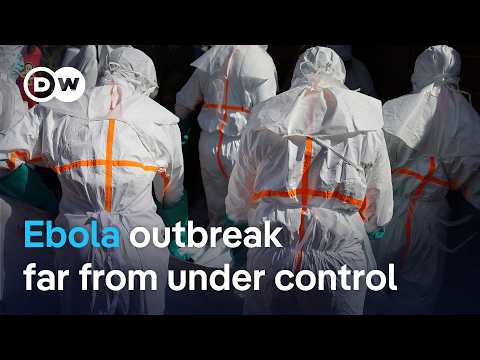
Ebola outbreak in DR Congo outpaces efforts to contain it | DW News
0
林宜悉 posted on 2026/08/20Worried about the Ebola outbreak in the DRC? This news report dives into the challenges of containing the virus, from regional instability to distrust in health authorities and the lack of an approved vaccine for this specific strain. You'll gain insight into the complex situation and pick up key vocabulary related to global health crises.
Learn this video on the APP!
The VoiceTube App has more in-depth practice for videos!