
abandon
US /əˈbændən/
UK /ə'bændən/
- Transitive Verb
- To discard or intentionally get rid of an item
- To withdraw your support, or leave someone
- Uncountable Noun
- Wild, carefree behavior
B1Moreafter all
US /ˈæftɚ ɔl/
UK /ˈɑ:ftə ɔ:l/
- Adverb
- In spite of what was expected; used to introduce a statement that supports a previous statement or explains why it was made
- Considering everything; used to indicate that something is happening or is true despite some difficulty or obstacle
- Phrase
- Despite what was expected or thought; in spite of everything.
- Taking everything into consideration; considering that.
B1Moreaircraft
US /ˈɛrˌkræft/
UK /ˈɛəkrɑ:ft/
- Countable Noun
- Vehicle that can fly
C2TOEICMorealong with
US /əˈlɔŋ wɪð/
UK /əˈlɔŋ wið/
- Preposition
- In addition to; together with.
- Adverb
- In company or together with someone or something.
- Including; in addition to.
A2Moreamphibious
US /æmˈfɪbiəs/
UK /æmˈfɪbiəs/
- Adjective
- Operating or living on land and in water
B2Moreas well as
US /æz wɛl æz/
UK /æz wel æz/
- Adverb
- Also; in addition to
- Preposition
- In addition to; and also.
A1Moreat gunpoint
US /ˌæt ˈɡʌnˌpɔɪnt/
UK /ˌæt ˈɡʌnpɔɪnt/
- other
- Forced or threatened with a gun.
B2Moreat least
US /æt list/
UK /æt li:st/
- Adverb
- As a minimum
- Not less than
- Phrase
- No less than; at the minimum
- Used to indicate that something is positive in a bad situation.
C2Moreat some point
US /æt sʌm pɔɪnt/
UK /æt sʌm pɔint/
- Phrase
- At an unspecified time, usually in the future.
A1Moreat the tail
US /ət ðə ˈteɪl/
UK /ət ðə ˈteɪl/
- other
- At the end or last position in a line or group.
B2Moreattempt
US /əˈtɛmpt/
UK /ə'tempt/
- Verb (Transitive/Intransitive)
- To try to do something challenging or difficult
- Noun
- Effort made to try to do or accomplish something
A2TOEICMoreback into
US /bæk ˈɪntu/
UK /bæk ˈɪntuː/
- Phrasal Verb
- To drive a vehicle backwards into a space or area.
- To accidentally collide with something while moving backwards.
A1Moreback then
US
UK
- Phrase
- At that time in the past.
A1Morebased on
US
UK
- Phrasal Verb
- To use something as the foundation or starting point for something else.
- Preposition
- Using something as the main idea or foundation.
- Relying on something as evidence or justification.
A1Morebilateral
US /baɪˈlætərəl/
UK /ˌbaɪˈlætərəl/
- Adjective
- Involving two groups of people or two countries
B1Morebreak from
US
UK
- Phrasal Verb
- To separate oneself from an association or way of life, typically due to disagreement or disillusionment.
A1Morecivilian
US /sɪˈvɪljən/
UK /sə'vɪlɪən/
- Countable Noun
- Ordinary person who is not in the army
- Adjective
- Relating to civilians; not military.
B2Moreclaim
US /klem/
UK /kleɪm/
- Noun (Countable/Uncountable)
- To say that something is true, often without proof.
- A statement that something is true.
- Transitive Verb
- To demand or ask for something that you believe is rightfully yours.
- To take or cause the loss of (e.g., a life, property).
A2Morecolony
US /ˈkɑləni/
UK /'kɒlənɪ/
- Noun (Countable/Uncountable)
- Group (bees, etc.) that live in the same place
- Country/settlement controlled by another country
B2Morecomplete with
US /kəmˈplit wɪð/
UK /kəmˈpli:t wið/
- Phrase
- Having something as an extra part or feature.
A1Moreconflict
US /ˈkɑnˌflɪkt/
UK /'kɒnflɪkt/
- Noun (Countable/Uncountable)
- Argument or struggle between two or more parties
- A serious disagreement or argument.
- Verb (Transitive/Intransitive)
- To have opposite ideas; to disagree; To not match
A2Moredeal with
US /dil wɪð/
UK /di:l wið/
- Verb (Transitive/Intransitive)
- To buy or sell goods or services.
- Phrasal Verb
- To take action to solve a problem or manage a situation.
- To be about; concern.
A1Moredefense
US /dɪˈfɛns/
UK /dɪ'fens/
- Noun (Countable/Uncountable)
- Argument in support of something
- The process of protecting something from attack
B1TOEICMoredeploy
US /dɪˈplɔɪ/
UK /dɪˈplɔɪ/
- Transitive Verb
- To put into position (often a military operation)
- To put something into use or action.
B1TOEICMoredespite the fact
US
UK
- Preposition
- In spite of; notwithstanding.
- Conjunction
- Even though; although.
A2Moredetermination
US /dɪˌtɚməˈneʃən/
UK /dɪˌtɜ:mɪˈneɪʃn/
- Uncountable Noun
- Will to achieve a goal despite difficulties
- The act of finding out or establishing something exactly, usually as the result of research or calculation.
B1Morediplomatic
US /ˌdɪpləˈmætɪk/
UK /ˌdɪpləˈmætɪk/
- Adjective
- Concerning formal relationships between countries
- Not being offensive
B1Moredispute
US /dɪˈspjut/
UK /dɪ'spju:t/
- Verb (Transitive/Intransitive)
- To argue with someone about something
- To disagree about who owns or controls something
- Noun (Countable/Uncountable)
- Argument with someone about something
- A question or doubt about something
B1TOEICMoredramatically
US /drəˈmætɪkl:ɪ/
UK /drə'mætɪklɪ/
- Adverb
- In a sudden or extreme manner
- In a theatrical or exaggerated manner.
B1Moreenter into
US /ˈɛntɚ ˈɪntu/
UK /ˈentə ˈɪntuː/
- Phrasal Verb
- To begin or become involved in something, such as an agreement or activity.
A1Moreentire
US /ɛnˈtaɪr/
UK /ɪn'taɪə(r)/
- Adjective
- Complete or full; with no part left out; whole
- Undivided; not shared or distributed.
A2TOEICMoreestablish
US /ɪˈstæblɪʃ/
UK /ɪˈstæblɪʃ/
- Transitive Verb
- To set or create something to last for a long time
- To use facts, evidence to show truth or clarity
A2TOEICMoreever since
US /ˈɛvɚ sɪns/
UK /ˈevə sins/
- Adverb
- Continuously from a past time until now.
- Conjunction
- From the time that; because.
B2Moreevidence of
US
UK
- Phrase
- Facts, objects, or signs that make you believe that something is true.
- Something that shows that something else exists or is true.
A1Moreexcept for
US /ɪkˈsɛpt fɔr/
UK /ikˈsept fɔ:/
- Preposition
- Not including; excluding.
expel
US /ɪkˈspɛl/
UK /ɪk'spel/
- Transitive Verb
- To force a person to leave a place or organization
- To release or push something (e.g. air) out
B2TOEICMoreexplore
US /ɪkˈsplɔr/
UK /ɪk'splɔ:(r)/
- Transitive Verb
- To examine something in detail to learn about it
- To travel to a place to discover more about it
A2TOEICMorefeatured on
US
UK
- Phrasal Verb
- To appear or be highlighted in a particular media outlet.
B2Morefollow suit
US /ˈfɑlo sut/
UK /ˈfɔləu sju:t/
- Verb (Transitive/Intransitive)
- To do the same thing that someone else has done
A2Morefor now
US /fɔr naʊ/
UK /fɔ: nau/
- Phrase
- Temporarily; for the present time.
- In the short term; for the immediate future.
A1Morefor the taking
US /fɚ ðə ˈteɪkɪŋ/
UK /fə ðə ˈteɪkɪŋ/
- other
- Available to be taken or obtained easily.
B2Moreget out of
US /ɡɛt aʊt ʌv/
UK /ɡet aut ɔv/
- Phrasal Verb
- To leave or escape responsibilities, troubles
- To leave a small, enclosed vehicle
A1Moregiven time
US /ˈɡɪvən taɪm/
UK /ˈɡivən taim/
- Noun (Countable/Uncountable)
- A specific time that has been scheduled or agreed upon.
- The amount of time available or allotted for a task or activity.
A1Morego back to
US /ɡo bæk tu/
UK /ɡəu bæk tu:/
- Phrasal Verb
- To return to a starting point
A1Morehand over
US /hænd ˈovɚ/
UK /hænd ˈəuvə/
- Phrasal Verb
- To give into the possession or control of another
A1Morehave to
US /hæv tu/
UK /ˈhæv tə/
- Auxiliary Verb
- Must do
A1Morein action
US
UK
- Phrase
- Actively doing something; performing a task or duty.
in addition to
US /ɪn əˈdɪʃən tu/
UK /in əˈdiʃən tu:/
- Preposition
- Besides; as well as
- Phrase
- Besides; as well as.
- Furthermore; moreover.
B1Morein charge
US /ɪn tʃɑrdʒ/
UK /in tʃɑ:dʒ/
- Adverb
- To be responsible for
A1Morein effect
US /ɪn ɪˈfɛkt/
UK /in iˈfekt/
- Phrase
- In reality; in practice; virtually
A1Morein fact
US /ɪn fækt/
UK /in fækt/
- Adverb
- Used to emphasize the truth of a statement, especially one that contrasts with or contradicts something else.
- Used to introduce a more detailed or surprising piece of information.
- Phrase
- Used to emphasize the truth of a statement, especially one that is surprising or contrary to what might be expected.
C1Morein favor of
US /ɪn ˈfevɚ ʌv/
UK /in ˈfeivə ɔv/
- Phrase
- Expressing support or approval for someone or something.
- To the advantage of; benefiting.
- Preposition
- Supporting or approving of something.
- To the advantage of; to the benefit of.
A1Morein light of
US /ɪn laɪt ʌv/
UK /in lait ɔv/
- Phrase
- Because of; considering
- Preposition
- Considering; taking into account
- Because of; as a result of
A1Morein order to
US /ɪn ˈɔrdɚ tu/
UK /in ˈɔ:də tu:/
- Preposition
- For the purpose of; with the aim of.
- Phrase
- In a specific sequence or arrangement.
- With the aim of; for the purpose of.
C1Morein power
US /ɪn ˈpaʊɚ/
UK /in ˈpauə/
- Adjective
- Having control of a country or organization.
- Phrase
- During a period of holding authority or control.
B1Morein the field
US
UK
- Phrase
- Working or doing research in a real-world environment, not in a classroom or laboratory.
- Located on the playing area of a sports ground.
A1Morein the first place
US
UK
- Phrase
- To begin with; as the first point or consideration.
- From the beginning; initially.
A1Morein the future
US /ɪn ði ˈfjutʃɚ/
UK /in ðə ˈfju:tʃə/
- Phrase
- At a later time; in times to come.
A1Morein the past
US
UK
- Phrase
- During a former period of time; previously.
A1Morein the world
US /ɪn ði wɜrld/
UK /in ðə wɜː(r)ld/
- Phrase
- Used to emphasize a question expressing surprise, confusion, or disbelief.
- Used to indicate the extent or degree of something, often in a superlative sense.
A1Moreincreasingly
US /ɪnˈkriːsɪŋli/
UK /ɪnˈkri:sɪŋli/
- Adverb
- More and more; in greater degree or amount
A2Moreindigenous
US /ɪnˈdɪdʒənəs/
UK /ɪnˈdɪdʒənəs/
- Adjective
- Being naturally from an area, not somewhere else
- Relating to the people who are native to a particular region.
- Noun (Countable/Uncountable)
- The traditional knowledge and practices of indigenous peoples.
- The original inhabitants of a particular region or country.
B1TOEICMoreinitial
US /ɪˈnɪʃəl/
UK /ɪ'nɪʃl/
- Noun
- First letter of your given name
- The beginning or commencement of something.
- Transitive Verb
- To authorize something by writing your initials
- To mark or sign with one's initials.
A2TOEICMoreinstead of
US /ɪnˈstɛd ʌv/
UK /inˈsted ɔv/
- Preposition
- When one thing is replaced by another
- Adverb
- As a substitute or alternative.
A1Moreinto power
US /ˈɪntu ˈpaʊɚ/
UK /ˈɪntəʊ ˈpaʊə/
- other
- To gain political control or leadership position.
B2Moreinvasion
US /ɪnˈveʒən/
UK /ɪnˈveɪʒn/
- Uncountable Noun
- Entry into a place to cause harm
- An unwelcome intrusion into another's domain.
B1Moreissue
US /ˈɪʃu/
UK /'ɪʃu:/
- Transitive Verb
- To make something available to be used or sold
- To deliver a statement, etc. in an official manner
- Noun (Countable/Uncountable)
- Important topic discussed, debated or argued over
- Single edition of a magazine
A2TOEICMorejunta
US /ˈdʒʌntə/
UK /ˈhʊntə/
- Countable Noun
- Military group that seized control of a country
C1Morelatin
US /ˈlætn/
UK /ˈlætɪn/
- Uncountable Noun
- Ancient Roman language affecting many languages
- Adjective
- Of or typical of a Spanish-speaking culture
C2Morelike mad
US /laɪk mæd/
UK /laɪk mæd/
- other
- With great intensity or energy.
B1Morelook at
US /lʊk æt/
UK /luk æt/
- Phrasal Verb
- To use your eyes to focus on something
- To focus your eyes on something carefully
A1Moremade with
US
UK
- Phrase
- Containing a particular ingredient or material.
- Created or produced using a specific tool, method, or process.
- Phrasal Verb
- To offer or provide something, often quickly or unexpectedly.
A1Moremainland
US /ˈmenˌlænd, -lənd/
UK /'meɪnlænd/
- Noun (Countable/Uncountable)
- Main land mass of a country or continent
- Adjective
- Relating to or situated on the main landmass of a country or continent.
B2Moremaintain
US /menˈten/
UK /meɪn'teɪn/
- Transitive Verb
- To keep saying something a certain way
- To keep (machine) working by checking, repairing
A2TOEICMorememo
US /ˈmɛmo/
UK /'meməʊ/
- Noun
- Brief note or message left for another person
B2TOEICMoremilitary
US /ˈmɪlɪˌtɛri/
UK /'mɪlətrɪ/
- Noun
- Army or armed forces
- Adjective
- Concerning the army or navy
B1Morenebula
US /ˈnɛbjələ/
UK /ˈnebjələ/
- Noun (Countable/Uncountable)
- Cloud of dust and gas in outer space
C1Morenegotiate with
US
UK
- Verb (Transitive/Intransitive)
- To discuss something formally in order to make an agreement.
C1Morenumber of people
US /ˈnʌmbɚ ʌv ˈpipəl/
UK /ˈnʌmbə ɔv ˈpi:pl/
- Phrase
- The total count of individuals within a group or gathering.
- A statistical figure representing the population size or a subset thereof.
A1Moreof course
US /ʌv kɔː(r)s/
UK /ɔv kɔː(r)s/
- Adverb
- Sure ; Certainly
- Phrase
- For sure; certainly
A2Moreoff of
US /ɔf ʌv/
UK /ɔf ɔv/
- Preposition
- From a position on something; down from.
A1Moreon behalf of
US /ɑn bɪˈhæf ʌv/
UK /ɔn biˈhɑ:f ɔv/
- Phrase
- As the representative of someone
- Acting as a representative of.
B1Moreon the floor
US
UK
- Phrase
- Located on the ground or bottom surface of a room.
- Actively participating in dancing or other floor-based activities.
A1Moreon the ground
US
UK
- Phrase
- Located on the surface of the earth.
- Present and available in a particular place, especially to deal with a situation.
on the line
US /ɑn ði laɪn/
UK /ɔn ðə lain/
- Phrase
- At risk; in a situation where something could be lost.
- Having a great deal of responsibility.
A1Moreon the other hand
US
UK
- Phrase
- Considering a different aspect of the matter; alternatively.
A1Moreon the other side of
US /ɑn ði ˈʌðɚ ˈsaɪd ʌv/
UK /ɒn ði ˈʌðə ˈsaɪd ɒv/
- Preposition
- Located across something from a given point.
A2Moreon to
US /ɑn tu/
UK /ɔn tu:/
- Preposition
- Toward something; forward
- Aware of someone's activities.
- Adjective
- Aware of someone's deception or illegal activities.
A1Moreoutside of
US /aʊtˈsaɪd ʌv/
UK /ˌautˈsaid ɔv/
- Preposition
- Located or situated beyond the boundaries or confines of something.
- Beyond the scope, range, or limits of something.
A1Morepay out
US /pe aʊt/
UK /pei aut/
- Phrasal Verb
- To finish paying a debt
- To give money to someone, especially as a result of a claim or agreement.
A1Morepermanent
US /ˈpɚmənənt/
UK /'pɜ:mənənt/
- Adjective
- Lasting forever; not temporary or changing
- Intended to last or remain for an unlimited period
- Noun
- A person who is a permanent employee.
- A chemical treatment to create lasting curls or waves in the hair.
B1TOEICMorepopulation
US /ˌpɑpjəˈleʃən/
UK /ˌpɒpjuˈleɪʃn/
- Noun (Countable/Uncountable)
- Number of people who live in a country, area etc.
- A group of individuals of one species living in a particular area.
A2TOEICMoreport
US /pɔrt, port/
UK /pɔ:t/
- Noun (Countable/Uncountable)
- City where ships can shelter during a storm
- Left side of a ship when facing forward
- Transitive Verb
- To move data from one computer system to another
B1Morepresence
US /ˈprɛzəns/
UK /ˈprezns/
- Noun
- The same place or area that a person is
- Ability to reach a market, group of people etc.
A2Moreprior to
US /ˈpraɪɚ tu/
UK /ˈpraiə tu:/
- Preposition
- Before a particular time or event.
C1Morepush back
US /pʊʃ bæk/
UK /puʃ bæk/
- Phrasal Verb
- To force someone to withdraw or retreat
- Verb (Transitive/Intransitive)
- To resist or oppose something.
- To move something to a later time or date; to postpone.
A1Moreput together
US /pʊt təˈɡɛðɚ/
UK /put təˈɡeðə/
- Phrasal Verb
- To build or assemble something small, e.g. a toy
- To organize or arrange something.
A1Moreregardless of
US /rɪˈɡɑrdlɪs ʌv/
UK /riˈɡɑ:dlis ɔv/
- Phrase
- Preposition
- Without being affected or influenced by something; despite.
A2Morerelationship
US /rɪˈleʃənˌʃɪp/
UK /rɪˈleɪʃnʃɪp/
- Noun (Countable/Uncountable)
- Connection between two or more people or things
- Way people interact or live with each other
A2TOEICMoreremain
US /rɪˈmen/
UK /rɪˈmeɪn/
- Intransitive Verb
- To be left behind; to continue to exist
- To stay in a place when other people have gone
A2TOEICMoreresult in
US /rɪˈzʌlt ɪn/
UK /riˈzʌlt in/
- Phrasal Verb
- To cause or produce as a consequence.
roll over
US
UK
- Phrasal Verb
- To make a payment later than planned
- To turn your body when lying down
A2Moresave for
US
UK
- Phrasal Verb
- To keep money so that you can buy something with it in the future.
A2Moreset by
US
UK
- Phrasal Verb
- To separate and save for another use or time
A1Moresettle
US /ˈsɛtl/
UK /'setl/
- Transitive Verb
- To make (a child, etc.) feel calm/ready for sleep
- To complete or finalize e.g. a contract or debt
- Intransitive Verb
- To become accustomed to a new environment
- (Of liquids) to move to the bottom of a container
A2Moreshortly afterwards
US
UK
- Phrase
- A short time after something.
B1Moreside with
US /saɪd wɪð/
UK /said wið/
- Phrasal Verb
- To support one person or group against another in a disagreement.
A2Moresovereignty
US /ˈsɑ:vrənti/
UK /ˈsɒvrənti/
- Uncountable Noun
- The power a country has to decide for itself
B2Morespeak of
US /spik ʌv/
UK /spi:k ɔv/
- Phrasal Verb
- To mention someone or something in conversation.
B1Morestand aside
US /stænd əˈsaɪd/
UK /stænd əˈsaɪd/
- other
- To move to the side to make way or allow passage.
- To resign or withdraw from a position or role voluntarily.
B1Moreto hand
US
UK
- Transitive Verb
- To give or pass something to someone using your hand.
- To offer assistance or help.
A1Moretreaty
US /ˈtriti/
UK /ˈtri:ti/
- Noun
- An agreement between nations
B1TOEICMoreultimately
US /ˈʌltəmɪtli/
UK /ˈʌltɪmətli/
- Adverb
- Done or considered as the final and most important
- Fundamentally; at the most basic level.
B1TOEICMoreused to
US /juzd tu/
UK /ˈju:st tə/
- Adjective
- Did regularly before, but don't do now
- Auxiliary Verb
- Have done before, but do not do now
A1Morevery top
US
UK
- Noun
- The highest point or part of something.
- Adjective
- The most important or successful.
volunteers to
US
UK
- Intransitive Verb
- Offers to do something without being forced or paid.
with the exception of
US
UK
- Phrase
- Excluding; not including.
A1Morework out
US /wɚk aʊt/
UK /wə:k aut/
- Phrasal Verb
- To find a way to do something, by thinking
A1More
Vocabulary
- along with: In addition to; together with.
- in order to: For the purpose of; with the aim of.
- ever since: Continuously from a past time until now.
- at least: As a minimum
- have to: Must do
- in the world: Used to emphasize a question expressing surprise, confusion, or disbelief.
- outside of: Located or situated beyond the boundaries or confines of something.
- in addition to: Besides; as well as
- deal with
- of course: Sure ; Certainly
- on the other side of: Located across something from a given point.
- as well as: Also; in addition to
- result in: To cause or produce as a consequence.
- featured on: To appear or be highlighted in a particular media outlet.
- regardless of
- in the future: At a later time; in times to come.
- on behalf of: As the representative of someone
- prior to: Before a particular time or event.
- enter into: To begin or become involved in something, such as an agreement or activity.
- at gunpoint: Forced or threatened with a gun.
- in action: Actively doing something; performing a task or duty.
- used to: Did regularly before, but don't do now
- evidence of: Facts, objects, or signs that make you believe that something is true.
- look at: To use your eyes to focus on something
- in fact: Used to emphasize the truth of a statement, especially one that contrasts with or contradicts something else.
- in light of: Because of; considering
- negotiate with: To discuss something formally in order to make an agreement.
- go back to: To return to a starting point
- very top: The highest point or part of something.
- despite the fact: In spite of; notwithstanding.
- save for: To keep money so that you can buy something with it in the future.
- at some point: At an unspecified time, usually in the future.
- in the first place: To begin with; as the first point or consideration.
- in effect: In reality; in practice; virtually
- speak of: To mention someone or something in conversation.
- based on: To use something as the foundation or starting point for something else.
- in charge: To be responsible for
- made with: Containing a particular ingredient or material.
- get out of: To leave or escape responsibilities, troubles
- in power: Having control of a country or organization.
- volunteers to: Offers to do something without being forced or paid.
- push back: To force someone to withdraw or retreat
- number of people: The total count of individuals within a group or gathering.
- roll over: To make a payment later than planned
- shortly afterwards: A short time after something.
- after all: In spite of what was expected; used to introduce a statement that supports a previous statement or explains why it was made
- in favor of: Expressing support or approval for someone or something.
- break from: To separate oneself from an association or way of life, typically due to disagreement or disillusionment.
- complete with: Having something as an extra part or feature.
- given time: A specific time that has been scheduled or agreed upon.
- pay out: To finish paying a debt
- back then: At that time in the past.
- at the tail: At the end or last position in a line or group.
- into power: To gain political control or leadership position.
- back into: To drive a vehicle backwards into a space or area.
- in the field: Working or doing research in a real-world environment, not in a classroom or laboratory.
- for the taking: Available to be taken or obtained easily.
- in the past: During a former period of time; previously.
- on the line: At risk; in a situation where something could be lost.
- hand over: To give into the possession or control of another
- set by: To separate and save for another use or time
- to hand: To give or pass something to someone using your hand.
- on to: Toward something; forward
- except for: Not including; excluding.
- for now: Temporarily; for the present time.
- side with: To support one person or group against another in a disagreement.
- with the exception of: Excluding; not including.
- stand aside: To move to the side to make way or allow passage.
- follow suit: To do the same thing that someone else has done
- on the other hand : Considering a different aspect of the matter; alternatively.
- put together: To build or assemble something small, e.g. a toy
- on the floor: Located on the ground or bottom surface of a room.
- like mad: With great intensity or energy.
- work out
- on the ground: Located on the surface of the earth.
- instead of: When one thing is replaced by another
- off of: From a position on something; down from.
- ultimately: Done or considered as the final and most important
- entire: Complete or full; with no part left out; whole
- permanent: Lasting forever; not temporary or changing
- immediately: Without any delay; straight away
- presence: The same place or area that a person is
- conflict: Argument or struggle between two or more parties
- force: Group of persons trained for military action; army
- attempt: To try to do something challenging or difficult
- consider: To think carefully about something
- claim: To say that something is true, often without proof.
- position: Person's opinion or attitude about something
- explore: To examine something in detail to learn about it
- relationship: Connection between two or more people or things
- initial: First letter of your given name
- indigenous: Being naturally from an area, not somewhere else
- military: Army or armed forces
- establish: To set or create something to last for a long time
- issue: To make something available to be used or sold
- maintain: To keep saying something a certain way
- state: Region within a country, with its own government
- remain: To be left behind; to continue to exist
- dramatically: In a sudden or extreme manner
- settle: To make (a child, etc.) feel calm/ready for sleep
- simply: In an easy or clear manner
- decision: Choice made after thinking; final judgment
- population: Number of people who live in a country, area etc.
- dispute: To argue with someone about something
- abandon: To discard or intentionally get rid of an item
- diplomatic: Concerning formal relationships between countries
- leave: To go away from; depart
- sovereignty: The power a country has to decide for itself
- invasion: Entry into a place to cause harm
- increasingly: More and more; in greater degree or amount
- colony: Group (bees, etc.) that live in the same place
- defense: Argument in support of something
- century: Period of 100 years
- determination: Will to achieve a goal despite difficulties
- british: Concerning the culture and people of British
- order: Religious or social group, as of nuns
- civilian: Ordinary person who is not in the army
- continue: To do something without stopping, or after pausing
- aircraft: Vehicle that can fly
- government: Group of people and system that rule a nation
- modern: Of the present time; up to date; contemporary
- deploy: To put into position (often a military operation)
- expel: To force a person to leave a place or organization
- treaty: An agreement between nations
- world: All the humans, events, activities on the earth
- bilateral: Involving two groups of people or two countries
- port: City where ships can shelter during a storm
- mainland: Main land mass of a country or continent
- amphibious: Operating or living on land and in water
- memo: Brief note or message left for another person
- latin: Ancient Roman language affecting many languages
- nebula: Cloud of dust and gas in outer space
- junta: Military group that seized control of a country
Get the full experience in the app
Learn anywhere with detailed sentence and usage analysis
01:03
She took a brave step forward, leaving behind her comfort zone to chase her dreams.
Vocabulary
- brave
adj. Having courage
- comfort zone
phr. A familiar situation where one feels safe
Explanation
a brave step is a noun phrase, where brave is an adjective modifying the noun step, meaning "a courageous step".
forward is an adverb modifying step, meaning "ahead".
The whole phrase serves as the object, answering the "what" of took (verb) — she took a brave step forward.
Get the full experience in the app
Look up words anytime with pronunciation, part of speech, and usage
brave
US/brev/
UK/breɪv/
adj.Brave
v.t.To bravely face
A2 Elementary
Get the full experience in the app
Practice speaking anytime and get instant pronunciation feedback
Try this speaking exercise.
Try practicing with this sentence.
80
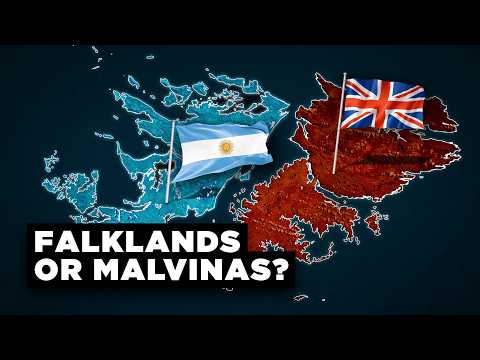
The World's Dumbest Geopolitical Conflict: The Falklands
0
林宜悉 posted on 2026/05/21Ever wondered about the Falklands/Malvinas dispute? This video dives into the surprising history and current geopolitical shifts surrounding these islands, revealing how a long-standing conflict could be impacted by international relations. You'll pick up key vocabulary related to territorial disputes and international diplomacy, all explained in a super engaging way!
Learn this video on the APP!
The VoiceTube App has more in-depth practice for videos!