
admit
US /ædˈmɪt/
UK /əd'mɪt/
- Transitive Verb
- To acknowledge that something is true or right
- To allow someone to enter
A2TOEICMoreaffectionate
US /əˈfɛkʃənɪt/
UK /əˈfekʃənət/
- Adjective
- Having or displaying warmth or affection
B1Moreagriculture
US /ˈæɡrɪˌkʌltʃɚ/
UK /ˈægrɪkʌltʃə(r)/
- Uncountable Noun
- The science of farming
- The study of farming and related sciences.
A2Moreannal
US /'ænəl/
UK /'ænl/
- Noun
- Whole history of something
C1Moreappalling
US
UK
- Adjective
- Causing shock or distress because it is terrible
- Verb (Transitive/Intransitive)
- To feel shock or distress at something terrible
B2Moreas soon as
US /æz sun æz/
UK /æz su:n æz/
- Phrase
- In a short time after (something happens)
- Without any delay; immediately
- Conjunction
- At the moment that, or immediately after.
A1Moreat work
US /æt wɚk/
UK /æt wə:k/
- Phrase
- Located at one's place of employment
A1Morebenefit
US /ˈbɛnəfɪt/
UK /'benɪfɪt/
- Noun (Countable/Uncountable)
- Good result or effect, something advantageous
- A payment made by the state or an insurance policy to someone
- Verb (Transitive/Intransitive)
- To have a good effect or be helpful
- To receive an advantage; to be helped
A2TOEICMorechallenge
US /ˈtʃæləndʒ/
UK /'tʃælɪndʒ/
- Noun (Countable/Uncountable)
- An activity you wish to try that may be hard to do
- Act of formally inviting someone to compete
- Transitive Verb
- To formally invite someone to compete at something
- To question the correctness of something
A2Morecivilisation
US /sɪvɪlaɪ'zeɪʃən/
UK /sɪvɪlaɪ'zeɪʃən/
- Uncountable Noun
- A highly developed society
B2Morecomplicate
US /ˈkɑ:mplɪkeɪt/
UK /ˈkɒmplɪkeɪt/
- Transitive Verb
- To make more difficult to do, understand or use
B1Moredefy
US /dɪˈfaɪ/
UK /dɪ'faɪ/
- Transitive Verb
- To refuse to obey; be resistant to
B1Moredeny
US /dɪˈnaɪ/
UK /dɪ'naɪ/
- Transitive Verb
- To refuse to allow or accept something
A2TOEICMoredialogue
US /ˈdaɪəˌlɔɡ, -ˌlɑɡ/
UK /'daɪəlɒɡ/
- Noun (Countable/Uncountable)
- Conversation between two or more individuals
- A discussion or series of discussions between people or groups, especially ones aimed at resolving a problem.
B1Moreemerge
US /ɪˈmɚdʒ/
UK /ɪ'mɜ:dʒ/
- Intransitive Verb
- To rise or appear out of some background
- To become known or apparent.
A2TOEICMoreengage
US /ɪn'gedʒ/
UK /ɪn'ɡeɪdʒ/
- Transitive Verb
- To start to fight with an enemy
- To hire someone for a task or job
A2TOEICMoreescape
US /ɪˈskep/
UK /ɪ'skeɪp/
- Noun (Countable/Uncountable)
- Act to briefly ignoring boring or bad things
- The 'esc key' on a keyboard
- Verb (Transitive/Intransitive)
- To avoid something undesirable, dangerous or bad
- To get away from a place where you are being kept
A2Morefascinating
US /ˈfæsəˌnetɪŋ/
UK /ˈfæsɪneɪtɪŋ/
- Transitive Verb
- To attract or interest greatly
- To hold someone captive with a gaze or other means.
- Adjective
- Having your attention fixated as though by a spell
B1Moregeneration
US /ˌdʒɛnəˈreʃən/
UK /ˌdʒenəˈreɪʃn/
- Noun (Countable/Uncountable)
- Act or process of producing or causing something
- People born and living at about the same time
A2TOEICMoregoing on
US /ˈɡoɪŋ ɑn/
UK /ˈgəʊɪŋ ɔn/
- Phrasal Verb
- To continue doing something
- To happen (usually negative)
A1Moregrasp
US /ɡræsp/
UK /ɡrɑ:sp/
- Noun
- Person's control over something
- Act of holding something strongly in your hands
- Transitive Verb
- To hold something in your hand very tightly
- To understand or make sense of a complex idea
B1TOEICMorehave to
US /hæv tu/
UK /ˈhæv tə/
- Auxiliary Verb
- Must do
A1Morehumankind
US /ˈhjumənˌkaɪnd/
UK /ˌhju:mənˈkaɪnd/
- Noun (Countable/Uncountable)
- All of the living human inhabitants of the earth
- The characteristics and qualities associated with human beings.
B2Morein love with
US //ɪn lʌv wɪð//
UK
- Adjective
- Feeling romantic love for someone.
- Extremely enthusiastic about or fond of something.
A1Morein short order
US /ɪn ʃɔrt ˈɔrdɚ/
UK /in ʃɔ:t ˈɔ:də/
- Phrase
- Very quickly; without delay.
A1Moreinsight
US /ˈɪnˌsaɪt/
UK /'ɪnsaɪt/
- Noun (Countable/Uncountable)
- Power to understand people and things very well
- Very good understanding of something
B1Moreirritable
US /ˈɪrɪtəbəl/
UK /ˈɪrɪtəbl/
- Adjective
- Annoyed; easily annoyed or angered
- Easily inflamed or sore.
B2Morekindness
US /ˈkaɪndnɪs/
UK /ˈkaɪndnəs/
- Uncountable Noun
- Quality of being warmhearted and helpful
- A kind or helpful act.
B1Morelet down
US /lɛt daʊn/
UK /let daun/
- Phrasal Verb
- To disappoint someone (e.g. by breaking a promise)
A1Morenegative
US /ˈnɛɡətɪv/
UK /'neɡətɪv/
- Noun
- The opposite to a positive electrical charge
- In grammar, containing words such as 'no' or 'not'
- Adjective
- Being harmful, unwanted or unhelpful
- In mathematics, being less than zero
A2Moreof course
US /ʌv kɔː(r)s/
UK /ɔv kɔː(r)s/
- Adverb
- Sure ; Certainly
- Phrase
- For sure; certainly
A2Moreordinary
US /ˈɔ:rdneri/
UK /'ɔ:dnrɪ/
- Adjective
- Normal or usual
- Of the rank of ordinary seaman.
- Noun
- An ecclesiastical judge or official having ordinary jurisdiction in a given area.
- Any of several simple and basic geometrical figures.
A2TOEICMoreover time
US /ˈovɚ taɪm/
UK /ˈəuvə taim/
- Phrase
- Gradually; as time passes.
- During a long period.
- Adverb
- Gradually; as time passes.
B1Morepanic
US /ˈpænɪk/
UK /'pænɪk/
- Uncountable Noun
- Overwhelming feeling of fear and anxiety
- Intransitive Verb
- To feel sudden anxiety and fear and cannot think
B1Morephd
US
UK
- Noun
- Advanced university degree; Doctor of Philosophy
C2Morepopulation
US /ˌpɑpjəˈleʃən/
UK /ˌpɒpjuˈleɪʃn/
- Noun (Countable/Uncountable)
- Number of people who live in a country, area etc.
- A group of individuals of one species living in a particular area.
A2TOEICMorepottery
US /ˈpɑtəri/
UK /'pɒtərɪ/
- Uncountable Noun
- Factory where pots/bowls are made from clay
- Pots/bowls made from clay and baked in an oven
B1Moreproperly
US /ˈprɑːpərli/
UK /ˈprɔpəlɪ/
- Adverb
- In an appropriate or correct manner
- In a way that is suitable or appropriate.
A2Morepsychology
US /saɪˈkɑlədʒi/
UK /saɪ'kɒlədʒɪ/
- Uncountable Noun
- The study of the mind and how it affects behavior
- Way in which a person or group thinks and behaves
C2Morereach
US /ritʃ/
UK /ri:tʃ/
- Verb (Transitive/Intransitive)
- To come to or arrive at a goal or destination
- To be long enough to get to a certain place
- Uncountable Noun
- Power or control someone has over something
A2TOEICMorereckless
US /ˈrɛklɪs/
UK /'rekləs/
- Adjective
- Being dangerous and not caring about the results
B2Morerelationship
US /rɪˈleʃənˌʃɪp/
UK /rɪˈleɪʃnʃɪp/
- Noun (Countable/Uncountable)
- Connection between two or more people or things
- Way people interact or live with each other
A2TOEICMorerestore
US /rɪˈstɔr, -ˈstor/
UK /rɪˈstɔ:(r)/
- Transitive Verb
- To return a thing to its original condition
B1Moresecret of
US
UK
- Phrase
- The key or hidden information that explains something.
- Confidential information about something.
A1Morespend more time
US
UK
- Phrase
- To dedicate a greater amount of time to a particular activity or person.
A1Moresubtly
US /ˈsəd(ə)li/
UK /ˈsʌtli/
- Adverb
- In a way that is delicate or slight, but effective
B1Moresuspicion
US /səˈspɪʃən/
UK /sə'spɪʃn/
- Uncountable Noun
- Feeling that something or something is doubtful
- Feeling that someone could be guilty of something
B1Moretender
US /ˈtɛndɚ/
UK /'tendə(r)/
- Adjective
- Gentle; with great care or consideration
- Feeling pain when an area of skin is touched
- Noun
- A formal offer for something (e.g. some business)
B2TOEICMoreweird
US /wɪrd/
UK /wɪəd/
- Adjective
- Odd or unusual; surprising; strange
- Eerily strange or disturbing.
B1Morewheat
US /hwit, wit/
UK /wi:t/
- Uncountable Noun
- A kind of grain that is used to make flour
B1Morework out
US /wɚk aʊt/
UK /wə:k aut/
- Phrasal Verb
- To find a way to do something, by thinking
A1More
Vocabulary
- have to: Must do
- secret of: The key or hidden information that explains something.
- work out
- in love with: Feeling romantic love for someone.
- in short order: Very quickly; without delay.
- over time: Gradually; as time passes.
- spend more time: To dedicate a greater amount of time to a particular activity or person.
- at work: Located at one's place of employment
- going on: To continue doing something
- let down
- of course: Sure ; Certainly
- as soon as: In a short time after (something happens)
- weird: Odd or unusual; surprising; strange
- engage: To start to fight with an enemy
- properly: In an appropriate or correct manner
- panic: Overwhelming feeling of fear and anxiety
- fascinating: To attract or interest greatly
- negative: The opposite to a positive electrical charge
- sense: Certain mental feeling or emotion
- psychology: The study of the mind and how it affects behavior
- imagine: To think creatively about; form mental picture of
- irritable: Annoyed; easily annoyed or angered
- admit: To acknowledge that something is true or right
- relationship: Connection between two or more people or things
- insight: Power to understand people and things very well
- escape: Act to briefly ignoring boring or bad things
- dialogue: Conversation between two or more individuals
- ordinary: Normal or usual
- reach: To come to or arrive at a goal or destination
- emerge: To rise or appear out of some background
- grasp: Person's control over something
- population: Number of people who live in a country, area etc.
- benefit: Good result or effect, something advantageous
- raise: To increase a bet above another when playing cards
- challenge: An activity you wish to try that may be hard to do
- reckless: Being dangerous and not caring about the results
- tender: Gentle; with great care or consideration
- deny: To refuse to allow or accept something
- generation: Act or process of producing or causing something
- agriculture: The science of farming
- appalling: Causing shock or distress because it is terrible
- subtly: In a way that is delicate or slight, but effective
- economy: Using money, resources in a careful, effective way
- defy: To refuse to obey; be resistant to
- secret: Kept hidden from others; Known only to a few people
- complicate: To make more difficult to do, understand or use
- pain: Strong feeling of hurt or discomfort
- restore: To return a thing to its original condition
- order: Religious or social group, as of nuns
- wheat: A kind of grain that is used to make flour
- simple: Not hard to understand or do; not complex
- catch: Amount of something that has been caught
- suspicion: Feeling that something or something is doubtful
- afraid: Worried that something bad will happen; scared
- pick: Sharp tool used for breaking the ground
- find: To become aware of something that is happening
- land: Region or country
- person: Man, woman or child
- grow: To get bigger and more mature; make plants do this
- affectionate: Having or displaying warmth or affection
- pottery: Factory where pots/bowls are made from clay
- kindness: Quality of being warmhearted and helpful
- humankind: All of the living human inhabitants of the earth
- civilisation: A highly developed society
- phd: Advanced university degree; Doctor of Philosophy
- annal: Whole history of something
Get the full experience in the app
Learn anywhere with detailed sentence and usage analysis
01:03
She took a brave step forward, leaving behind her comfort zone to chase her dreams.
Vocabulary
- brave
adj. Having courage
- comfort zone
phr. A familiar situation where one feels safe
Explanation
a brave step is a noun phrase, where brave is an adjective modifying the noun step, meaning "a courageous step".
forward is an adverb modifying step, meaning "ahead".
The whole phrase serves as the object, answering the "what" of took (verb) — she took a brave step forward.
Get the full experience in the app
Look up words anytime with pronunciation, part of speech, and usage
brave
US/brev/
UK/breɪv/
adj.Brave
v.t.To bravely face
A2 Elementary
Get the full experience in the app
Practice speaking anytime and get instant pronunciation feedback
Try this speaking exercise.
Try practicing with this sentence.
80
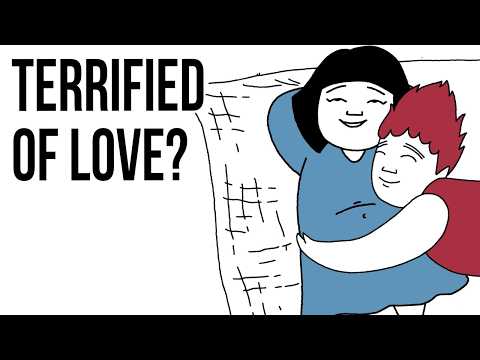
Those Who Are Terrified of Love
0
林宜悉 posted on 2026/05/21Ever wondered why someone might seem perfect at first but then mysteriously pull away? This video dives into the psychology of people who are 'terrified of love,' explaining their behaviors and how to recognize them to save yourself heartache. You'll learn key insights and phrases to understand these complex dynamics and protect your own well-being in relationships.
Learn this video on the APP!
The VoiceTube App has more in-depth practice for videos!