civilisation
US /sɪvɪlaɪ'zeɪʃən/
・UK /sɪvɪlaɪ'zeɪʃən/
B2
n. (u.)Uncountable NounA highly developed society
There are many mysteries surrounding the Mayan civilization that remain unsolved to this day
Video subtitles
Two Taiwans, Two Chinas, Twice
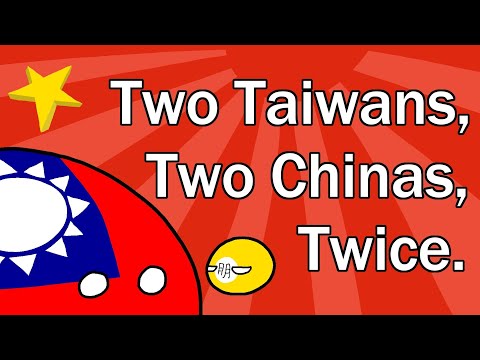
- The Austronesian civilisation was, oceanically speaking, far ahead of the rest of the world in its development.
The Austronesian civilisation was, oceanically speaking, far ahead of the rest of the world in its development.
- The Austronesian civilisation was, oceanically speaking, far ahead of the rest of the world in its development.
The Austronesian civilisation was, oceanically speaking, far ahead of the rest of the world in its development.
RSA Animate: Jeremy Rifkin - The Empathic Civilization
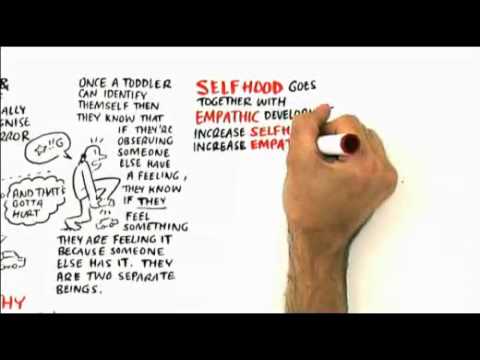
- Jeremy Rifkin. The Empathic Civilisation.
Jeremy Rifkin. The Empathic Civilisation.
- and prepare the groundwork for an empathic civilisation.
and prepare the groundwork for an empathic civilisation.
Jacque Fresco about Politics, Science, Money, Religion, War & Democracy

- we must be ready to take the opportunity to upgrade every possible facet of our civilisation.
we must be ready to take the opportunity to upgrade every possible facet of our civilisation.
5 Questions to Ask Yourself Every Evening

- We are attached to the norms of civilisation.
We are attached to the norms of civilisation.
- We're attached to the norms of civilisation.
We're attached to the norms of civilisation.
Brisbane City Hall Art & Architecture Tour
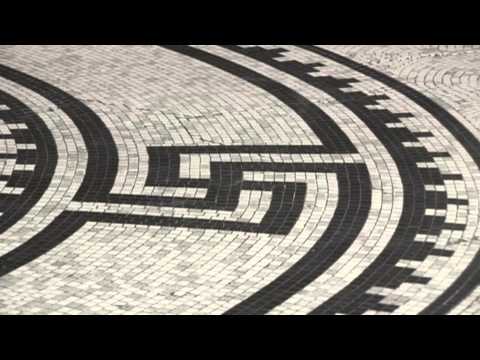
- The title of this work is "The Progress of Civilisation." The central figure in the classical design is robed to represent the state, while figures to the right portray explorers, industry, and
The title of this work is "The Progress of Civilisation." The central figure in the classical design is robed to represent the state, while figures to the right portray explorers, industry, and
- The title of this work is 'The Progress of Civilisation'.
The title of this work is 'The Progress of Civilisation'.
What if We Nuke a City?
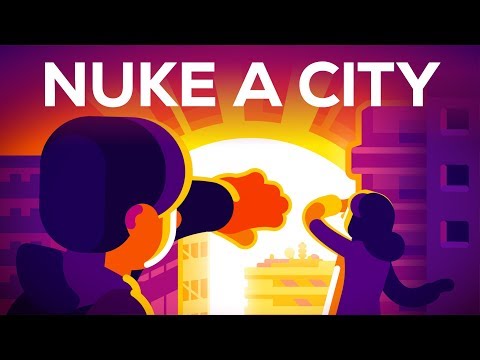
- Civilisation doesn't operate when there is a total breakdown of infrastructure.
Civilisation doesn't operate when there is a total breakdown of infrastructure.
- Civilisation doesn't operate when there is a total breakdown of infrastructure.
Civilisation doesn't operate when there is a total breakdown of infrastructure.
HISTORY OF IDEAS - Manners

- Circus Maximus, Rome, 20 AD We're at one of the high points of ancient civilisation in the West. In many areas of daily life, we won't have this many manners and complex etiquette for another 1400 years at least. We're taking fascinating care to tame nature within us. For the wealthy ones among us at least, we've taken to having at least a bath a week, to removing nasal hair, to curtailing displays of violence, to policing the way men behave towards women, to carving chicken and fish and to brushing our teeth a lot, conscious of our bad breath and its effect on the sensitivities of others.
Circus Maximus, Rome, 20 AD We're at one of the high points of ancient civilisation in the West. In many areas of daily life, we won't have this many manners and complex etiquette for another 1400 years at least. We're taking fascinating care to tame nature within us. For the wealthy ones among us at least, we've taken to having at least a bath a week, to removing nasal hair, to curtailing displays of violence, to policing the way men behave towards women, to carving chicken and fish and to brushing our teeth a lot, conscious of our bad breath and its effect on the sensitivities of others.
- On the island of Murano, some 3,000 glassblowers are sating demand for a new, highly delicate and ornamented kind of glass. Part of the reason for the demand is that the glasses are extremely easy to break, any slightly rough handling of them and they shatter like a dry autumn leaf. The Venetian drinking glass is not fragile because of a deficiency or by mistake, it's not as if its maker was trying to make it tough and hardy and then stupidly ended up with something a child could snap. It is fragile and easily harmed as the consequence of a deliberate search for extreme delicacy. The underlying thesis is that it's the duty of civilisation to create environments where it's okay to be fragile. It's obvious the glass could easily be smashed, so it forces people, especially men, to use their fingers very tenderly. It teaches people that moderation is admirable and elegant, not just a tedious demand. It tells us that being careful is glamorous and exciting, even fashionable. It's a moral tale about gentleness, told by means of a drinking vessel. Venetian glass makes a big claim. Being mannered and civilised involves being aware of the effect of one's strength on others.
On the island of Murano, some 3,000 glassblowers are sating demand for a new, highly delicate and ornamented kind of glass. Part of the reason for the demand is that the glasses are extremely easy to break, any slightly rough handling of them and they shatter like a dry autumn leaf. The Venetian drinking glass is not fragile because of a deficiency or by mistake, it's not as if its maker was trying to make it tough and hardy and then stupidly ended up with something a child could snap. It is fragile and easily harmed as the consequence of a deliberate search for extreme delicacy. The underlying thesis is that it's the duty of civilisation to create environments where it's okay to be fragile. It's obvious the glass could easily be smashed, so it forces people, especially men, to use their fingers very tenderly. It teaches people that moderation is admirable and elegant, not just a tedious demand. It tells us that being careful is glamorous and exciting, even fashionable. It's a moral tale about gentleness, told by means of a drinking vessel. Venetian glass makes a big claim. Being mannered and civilised involves being aware of the effect of one's strength on others.
PHILOSOPHY - Nietzsche
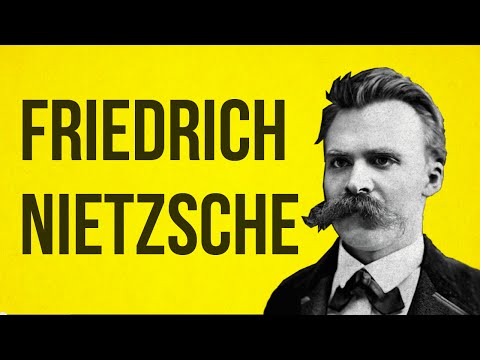
- the idea went to the heart of his philosophy, as contained in his declaration, "There have been two great narcotics in European civilisation: Christianity and alcohol." He hated alcohol for the very same reasons that he scorned Christianity—because both numb pain, both reassurance that things are just fine as they are, sapping us of the will to change our lives for the better—a few drinks usher in a transient feeling of satisfaction that can get fatally in the way of taking the steps necessary to improve our lives.
the idea went to the heart of his philosophy, as contained in his declaration, "There have been two great narcotics in European civilisation: Christianity and alcohol." He hated alcohol for the very same reasons that he scorned Christianity—because both numb pain, both reassurance that things are just fine as they are, sapping us of the will to change our lives for the better—a few drinks usher in a transient feeling of satisfaction that can get fatally in the way of taking the steps necessary to improve our lives.
- in his declaration: ‘There have been two great narcotics in European civilisation:
in his declaration: ‘There have been two great narcotics in European civilisation:
How Far Can We Go? Limits of Humanity.
- humanity becomes a type three civilisation,
humanity becomes a type three civilisation,
part 1of 6 -Revolution- Critical moment 4/6 Ancient Rome The Rise and Fall of an Empire
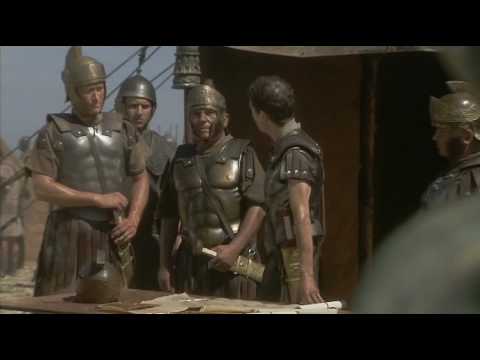
- It will be a victory for civilisation, for Rome, and the Republic.
It will be a victory for civilisation, for Rome, and the Republic.
- It will be a victory for civilisation, for Rome and the Republic.
It will be a victory for civilisation, for Rome and the Republic.