
aid
US /ed/
UK /eɪd/
- Transitive Verb
- To help others and provide things
- Noun (Countable/Uncountable)
- Action of giving help to others
- Money or help given to those who need it
A2TOEICMoreallow for
US
UK
- Verb (Transitive/Intransitive)
- To take into consideration
A1Moreanecdotal
US /ˌænɪkˈdoʊtl/
UK /ˌænɪkˈdəʊtl/
- Adjective
- Relying on stories, experiences, rather than fact
B2Moreanecdote
US /ˈænɪkˌdot/
UK /ˈænɪkdəʊt/
- Countable Noun
- Brief story based on personal experience
B2Moreassign
US /əˈsaɪn/
UK /ə'saɪn/
- Transitive Verb
- To give someone a particular job to do
- To give someone credit or blame for something
B2TOEICMoreassumption
US /əˈsʌmpʃən/
UK /ə'sʌmpʃn/
- Noun (Countable/Uncountable)
- Something you believe to be so, but aren't sure of
A2Moreattribute
US /əˈtrɪbjut/
UK /əˈtrɪbju:t/
- Transitive Verb
- (Of books, art, music) to say it was composed by
- Noun (Countable/Uncountable)
- Characteristic something has, e.g. size or color
B1TOEICMorebased on
US
UK
- Phrasal Verb
- To use something as the foundation or starting point for something else.
- Preposition
- Using something as the main idea or foundation.
- Relying on something as evidence or justification.
A1Morebias
US /ˈbaɪəs/
UK /'baɪəs/
- Noun (Countable/Uncountable)
- Preference to believe things even if incorrect
- A systematic error in a statistical result
- Transitive Verb
- To unfairly favor one view over another
- To cause someone to have prejudice
B1TOEICMorecaregiver
US /ˈkergɪvə(r)/
UK /ˈkeəgɪvə(r)/
- Noun
- Person giving care or helping others
C2Morecheck out
US /tʃɛk aʊt/
UK /tʃek aut/
- Phrase
- Phrasal Verb
- To find out information about something
- To take books out of a library
A1Morechecklist
US /ˈtʃɛkˌlɪst/
UK /ˈtʃeklɪst/
- Countable Noun
- List of tasks and things to be checked
C1Morechildcare
US /ˈtʃaɪldker/
UK /ˈtʃaɪldkeə(r)/
- Uncountable Noun
- Looking after children and babies
- Adjective
- Looking after children and babies
C1Morechildhood
US /ˈtʃaɪldˌhʊd/
UK /ˈtʃaɪldhʊd/
- Uncountable Noun
- The time when you are a child
B1Morecontact
US /ˈkɑnˌtækt/
UK /'kɒntækt/
- Adjective
- Touching or feeling something
- Noun (Countable/Uncountable)
- Touching or feeling something
- Object that allows electricity to run through it
A2Morecorrect
US /kəˈrɛkt/
UK /kə'rekt/
- Adjective
- Being suitable and appropriate for an occasion
- True or accurate
- Transitive Verb
- To fix a problem
- To write marks on a piece of work to show mistakes
A2Morecouncil
US /ˈkaʊnsəl/
UK /'kaʊnsl/
- Noun (Countable/Uncountable)
- Group chosen to make decisions about something
- A body of people elected or appointed to manage the affairs of a city, county, or other administrative district.
- Transitive Verb
- To advise or recommend.
A2Moredescriptive
US /dɪˈskrɪptɪv/
UK /dɪˈskrɪptɪv/
- Adjective
- Telling what something is like or looks like
B2Moredevelopment
US /dɪˈvɛləpmənt/
UK /dɪ'veləpmənt/
- Noun (Countable/Uncountable)
- Act or process of growing bigger or more advanced
- A new event related to a previous event
A2TOEICMoredevelopmental
US /dɪˌveləpˈmentl/
UK /dɪˌveləpˈmentl/
- Adjective
- Concerning the development or growth
B1Moredisappoint
US /ˌdɪsəˈpɔɪnt/
UK /ˌdɪsə'pɔɪnt/
- Transitive Verb
- To not meet the expectations of others or yourself
B1Moredress up
US /drɛs ʌp/
UK /dres ʌp/
- Phrasal Verb
- To put on your best clothes, e.g. for a party
- To wear formal or fancy clothes.
- Verb (Transitive/Intransitive)
- To wear formal or fancy clothes.
- To make something more attractive or elaborate.
A1Moreencourage
US /ɛnˈkɚrɪdʒ, -ˈkʌr-/
UK /ɪn'kʌrɪdʒ/
- Transitive Verb
- To increase the chance of something happening
- To make someone more determined or confident
A2TOEICMorein time
US /ɪn taɪm/
UK /in taim/
- Adverb
- Eventually; after a period of time.
- Not late; with enough time to spare.
- Phrase
- Eventually; before it is too late.
- According to the scheduled time; punctual.
A1Moreindividual
US /ˌɪndəˈvɪdʒuəl/
UK /ˌɪndɪˈvɪdʒuəl/
- Countable Noun
- Single person, looked at separately from others
- A single thing or item, especially when part of a set or group.
- Adjective
- Made for use by one single person
- Having a distinct manner different from others
A2Moreinsight
US /ˈɪnˌsaɪt/
UK /'ɪnsaɪt/
- Noun (Countable/Uncountable)
- Power to understand people and things very well
- Very good understanding of something
B1Moreloft
US /lɔ:ft/
UK /lɒft/
- Countable Noun
- High area with seats in a church or hall
- Room or space in a building just under the roof
- Transitive Verb
- To hit or throw so that it travels high in the air
- To hit or throw so that it travels high in the air
B2Morelook at
US /lʊk æt/
UK /luk æt/
- Phrasal Verb
- To use your eyes to focus on something
- To focus your eyes on something carefully
A1Moremagnify
US /ˈmæɡnəˌfaɪ/
UK /'mæɡnɪfaɪ/
- Transitive Verb
- To increase the importance or seriousness of
- To make something larger, louder, or greater
B2Moremeaningful
US /ˈminɪŋfəl/
UK /'mi:nɪŋfl/
- Adjective
- Having importance; showing someone's intention
- Having importance or value.
A2Moreobservation
US /ˌɑbzɚˈveʃən/
UK /ˌɒbzəˈveɪʃn/
- Noun (Countable/Uncountable)
- Remark or comment on something you noticed
- Practice of performing actions required by rules
B1Moreobserve
US /əbˈzɜ:rv/
UK /əbˈzɜ:v/
- Verb (Transitive/Intransitive)
- To celebrate a particular holiday/religious event
- To obey or follow laws, rules, or customs
A2TOEICMoreoccur
US /əˈkɚ/
UK /əˈkɜ:(r)/
- Intransitive Verb
- To come to pass or to happen
- To be found to exist; to be present.
A2TOEICMoreoutfit
US /ˈaʊtˌfɪt/
UK /'aʊtfɪt/
- Noun
- A set of clothing (with accessories)
- Transitive Verb
- To provide with clothing and other things
B2Morepicks up
US
UK
- Phrasal Verb
- To catch a criminal and take to police station
- To start again where you left off
- Verb (Transitive/Intransitive)
- Learns or acquires something, often quickly or without effort.
- Collects someone or something.
A1Moreplay in
US
UK
- Phrasal Verb
- To participate or compete in a game or competition.
- To have a role in a theatrical production.
A1Morepoint in time
US
UK
- Noun
- A specific moment or instance when something occurs or exists.
- A significant juncture or stage in history or a sequence of events.
A1Moreportray
US /pɔ:rˈtreɪ/
UK /pɔ:ˈtreɪ/
- Transitive Verb
- To play a character in theater or on film
- To represent something for artistic purposes
B2Morepresentation
US /ˌprɛzənˈteʃən, ˌprizən-/
UK /ˌpreznˈteɪʃn/
- Noun (Countable/Uncountable)
- Act of giving a formal talk about something
- Way in which something is displayed or shown
A2Morereflection
US /rɪˈflɛkʃən/
UK /rɪˈflekʃn/
- Noun
- Sign or indication of a state or condition
- Image that you see in a mirror, glass, or water
A2TOEICMorescience
US /ˈsaɪəns/
UK /'saɪəns/
- Uncountable Noun
- Study of the physical world, based on facts
A2TOEICMoreset up
US /sɛt ʌp/
UK /set ʌp/
- Phrasal Verb
- To make arrangements for something; establish
- Verb (Transitive/Intransitive)
- To arrange or prepare something for use.
- To start a business, organization, etc.
A1Moreshell
US /ʃɛl/
UK /ʃel/
- Noun (Countable/Uncountable)
- Hard outer cover of an egg, fruit, nut, or seed
- Hard metal container containing a bullet
- Transitive Verb
- To remove the outer covering of peas, nuts etc.
- To fire shells (weapons) at
B1Moresherry
US /ˈʃɛri/
UK /'ʃerɪ/
- Noun
- Alcoholic drink originating in Spain
B2Moresnail
US /snel/
UK /sneɪl/
- Noun
- Slow moving creature with soft body and hard shell
B2Moresnapshot
US /ˈsnæpʃɑ:t/
UK /ˈsnæpʃɒt/
- Countable Noun
- A photograph, especially an informal one
B2Morestretch
US /strɛtʃ/
UK /stretʃ/
- Verb (Transitive/Intransitive)
- To make your arm, leg muscles long to ease them
- To make something bigger by pulling on it
- Noun
- Making arm, leg muscles longer to ease them
- A consecutive row of things
A2TOEICMoresuch as
US /sʌtʃ æz/
UK /sʌtʃ æz/
- Preposition
- For example; like
A1Moretray
US /tre/
UK /treɪ/
- Noun (Countable/Uncountable)
- A wide flat thing to carry food on
- Flat storage area of a truck
B1TOEICMoreturn to
US /tɚn tu/
UK /tə:n tu:/
- Phrasal Verb
- To go to someone for help, advice, or information.
- To start doing or using something, often something bad or undesirable.
A1Moreunbiased
US /ʌnˈbaɪəst/
UK /ʌnˈbaɪəst/
- Adjective
- Without prejudice; giving a fair assessment
B1TOEICMorevaluable
US /ˈvæljuəbəl, ˈvæljə-/
UK /ˈvæljuəbl/
- Adjective
- Being useful or important
- Being worth a lot of money
B1TOEICMore
Vocabulary
- such as: For example; like
- dress up: To put on your best clothes, e.g. for a party
- look at: To use your eyes to focus on something
- based on: To use something as the foundation or starting point for something else.
- set up
- picks up: To catch a criminal and take to police station
- allow for: To take into consideration
- point in time: A specific moment or instance when something occurs or exists.
- in time: Eventually; after a period of time.
- turn to: To go to someone for help, advice, or information.
- play in: To participate or compete in a game or competition.
- check out
- individual: Single person, looked at separately from others
- stretch: To make your arm, leg muscles long to ease them
- bias: Preference to believe things even if incorrect
- assumption: Something you believe to be so, but aren't sure of
- presentation: Act of giving a formal talk about something
- encourage: To increase the chance of something happening
- insight: Power to understand people and things very well
- outfit: A set of clothing (with accessories)
- occur: To come to pass or to happen
- valuable: Being useful or important
- contact: Touching or feeling something
- observe: To celebrate a particular holiday/religious event
- aid: To help others and provide things
- reflection: Sign or indication of a state or condition
- attribute: (Of books, art, music) to say it was composed by
- meaningful: Having importance; showing someone's intention
- anecdote: Brief story based on personal experience
- provide: To make available; to supply for use
- record: Highest or most extreme level achieved
- observation: Remark or comment on something you noticed
- correct: Being suitable and appropriate for an occasion
- portray: To play a character in theater or on film
- development: Act or process of growing bigger or more advanced
- activity: An action or task, e.g. sports, washing clothes
- tray: A wide flat thing to carry food on
- council: Group chosen to make decisions about something
- science: Study of the physical world, based on facts
- assign: To give someone a particular job to do
- learn: To get knowledge or skills by study or experience
- information: Collection of facts and details about something
- set: Prepared for something; ready
- shell: Hard outer cover of an egg, fruit, nut, or seed
- grow: To get bigger and more mature; make plants do this
- descriptive: Telling what something is like or looks like
- area: Amount of measured space
- choice: Decision between two or more possibilities
- group: Two or more musicians who play music together
- remove: To get rid of something completely
- childhood: The time when you are a child
- magnify: To increase the importance or seriousness of
- side: To decide to agree with one point, not the other
- choose: To select; decide between several possibilities
- knowledge: Information, understanding, or skill
- time: Speed at which music is played; tempo
- caregiver: Person giving care or helping others
- anecdotal: Relying on stories, experiences, rather than fact
- disappoint: To not meet the expectations of others or yourself
- snapshot: A photograph, especially an informal one
- developmental: Concerning the development or growth
- snail: Slow moving creature with soft body and hard shell
- unbiased: Without prejudice; giving a fair assessment
- loft: High area with seats in a church or hall
- childcare: Looking after children and babies
- checklist: List of tasks and things to be checked
- sherry: Alcoholic drink originating in Spain
Get the full experience in the app
Learn anywhere with detailed sentence and usage analysis
01:03
She took a brave step forward, leaving behind her comfort zone to chase her dreams.
Vocabulary
- brave
adj. Having courage
- comfort zone
phr. A familiar situation where one feels safe
Explanation
a brave step is a noun phrase, where brave is an adjective modifying the noun step, meaning "a courageous step".
forward is an adverb modifying step, meaning "ahead".
The whole phrase serves as the object, answering the "what" of took (verb) — she took a brave step forward.
Get the full experience in the app
Look up words anytime with pronunciation, part of speech, and usage
brave
US/brev/
UK/breɪv/
adj.Brave
v.t.To bravely face
A2 Elementary
Get the full experience in the app
Practice speaking anytime and get instant pronunciation feedback
Try this speaking exercise.
Try practicing with this sentence.
80
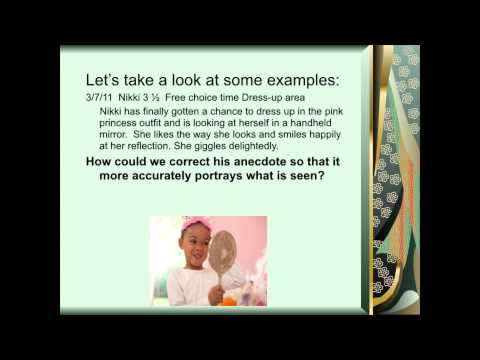
4C Writing Observations: Documenting a Child's Development Through Observations
0
Nhung Hồng posted on 2026/05/21Want to get better at documenting a child's development? This video breaks down how to write effective "anecdotal records" by focusing on what you actually see and hear, avoiding assumptions. You'll learn practical tips for creating unbiased, descriptive observations that are super useful for planning activities and talking with parents!
Learn this video on the APP!
The VoiceTube App has more in-depth practice for videos!