
absolutely
US /ˈæbsəˌlutli, ˌæbsəˈlutli/
UK /ˈæbsəlu:tli/
- Adverb
- Completely; totally; very
- Considered independently and without relation to other things; viewed abstractly; as, quantity absolutely considered.
A2Moreat most
US /æt most/
UK /æt məust/
- Adverb
- Not more than; a maximum of.
- Phrase
- Used to indicate an upper limit or maximum quantity.
A1Moreat some point
US /æt sʌm pɔɪnt/
UK /æt sʌm pɔint/
- Phrase
- At an unspecified time, usually in the future.
A1Moreat the same time
US
UK
- Phrase
- Simultaneously; at the identical moment.
- Nevertheless; however; used to introduce a contrasting or qualifying statement.
A1Moreattention
US /əˈtɛnʃən/
UK /əˈtenʃn/
- Noun (Countable/Uncountable)
- Taking notice of someone or something
- Noun
- (Soldiers) Standing with straight backs
A2TOEICMoreaware
US /əˈwɛr/
UK /əˈwɛə/
- Adjective
- Knowing or feeling that something exists
A2TOEICMorebullshit
US /ˈbʊlˌʃɪt/
UK /ˈbʊlʃɪt/
- Interjection
- Telling lies, nonsense (very rude)
- Uncountable Noun
- Nonsense; something that is not true.
C2Moreby extension
US /baɪ ɪkˈstɛnʃən/
UK /bai iksˈtenʃən/
- Phrase
- Using a word or phrase in a wider context than is usual, typically to include situations that are similar to the one that the word or phrase was originally used for.
A2Moreby now
US /baɪ naʊ/
UK /bai nau/
- Phrase
- At the present time or already; before the present.
A2Morecertain to
US
UK
- Adjective
- Sure to happen; inevitable.
cluster
US /ˈklʌstɚ/
UK /'klʌstə(r)/
- Intransitive Verb
- To come together in a group, flock etc.
- Countable Noun
- A small group of things
B1Morecome back
US /kʌm bæk/
UK /kʌm bæk/
- Phrasal Verb
- To reply to someone, often forcefully
- To be remembered
A1Morecoming out with
US
UK
- Phrasal Verb
- To go out with someone on a date
A1Morecommunity
US /kəˈmjunɪti/
UK /kə'mju:nətɪ/
- Noun (Countable/Uncountable)
- Group of people who share a common idea or area
- A feeling of fellowship with others, as a result of sharing common attitudes, interests, and goals.
- Adjective
- Relating to or shared by the people in a particular area.
- Shared or participated in by all members of a group
A2Moreconsensus
US /kənˈsɛnsəs/
UK /kənˈsensəs/
- Noun (Countable/Uncountable)
- A decision that is shared by most of a group
B1Morecruise
US /kruz/
UK /kru:z/
- Verb (Transitive/Intransitive)
- To easily achieve
- To travel by boat or car for leisure
- Countable Noun
- A long vacation trip on a passenger boat
B1Moredeal with
US /dil wɪð/
UK /di:l wið/
- Verb (Transitive/Intransitive)
- To buy or sell goods or services.
- Phrasal Verb
- To take action to solve a problem or manage a situation.
- To be about; concern.
A1Moredepending on
US
UK
- Phrasal Verb
- To rely on for support (financial or emotional)
- Influenced or determined by.
- Preposition
- Subject to; contingent on
- Relying on someone or something for support or assistance.
A2Moredisease
US /dɪˈziz/
UK /dɪˈzi:z/
- Noun (Countable/Uncountable)
- Illness that affects a person, animal, or plant
- A disorder of structure or function in a plant, especially one caused by a pathogen.
- Transitive Verb
- To affect with disease; to corrupt or sicken.
A2TOEICMorefatality
US /feˈtælɪti, fə-/
UK /fə'tælətɪ/
- Noun
- Death resulting from an accident or a disaster
B1Morefigure out
US /ˈfɪɡjɚ aʊt/
UK /ˈfiɡə aut/
- Phrasal Verb
- To understand the behavior of someone
- To think through logically to find a solution
- Verb (Transitive/Intransitive)
- To understand or find an answer to something.
- To find a solution to a problem or understand something.
A1Moreflu
US /flu/
UK /flu:/
- Noun (Countable/Uncountable)
- Illness causing headache, fever etc.
- A specific instance or bout of influenza.
B2Morefor instance
US /fɔr ˈɪnstəns/
UK /fɔ: ˈinstəns/
- Adverb
- As an example.
- Phrase
- As an example.
- As an illustration or case in point
B1Morefreak out
US /frik aʊt/
UK /fri:k aut/
- Phrasal Verb
- To react or behave in a wild or irrational way
- To become very anxious, upset, or afraid; to panic.
- Intransitive Verb
- To experience or display extreme emotions, such as fear or panic.
- To have a very disturbing and frightening experience caused by taking drugs.
B2Moregenerally
US /ˈdʒɛnərəli/
UK /ˈdʒenrəli/
- Adverb
- Usually; as a rule; by, to or for most people
A2Moregenetic
US /dʒəˈnɛtɪk/
UK /dʒəˈnetɪk/
- Adjective
- Of, relating to, or controlled by genes
- Relating to genes or heredity.
B1Moregenome
US /ˈdʒi:noʊm/
UK /ˈdʒi:nəʊm/
- Noun
- Complete set of genetic material in an organism
B2Moreget through
US /ɡɛt θru/
UK /ɡet θru:/
- Phrasal Verb
- To arrive at the end of or finish something
- To succeed in contacting someone by phone
A1Moregoing on
US /ˈɡoɪŋ ɑn/
UK /ˈgəʊɪŋ ɔn/
- Phrasal Verb
- To continue doing something
- To happen (usually negative)
A1Morehandful
US /ˈhændˌfʊl/
UK /'hændfʊl/
- Noun (Countable/Uncountable)
- an amount of something that can be held in one hand; small quantity or amount of people or things
- A thing requiring great effort to control, manage
B1Morehave to
US /hæv tu/
UK /ˈhæv tə/
- Auxiliary Verb
- Must do
A1Morein general
US /ɪn ˈdʒɛnərəl/
UK /in ˈdʒenərəl/
- Phrase
- Typically; usually; on the whole.
- Not specific or detailed; broadly.
- Adjective
- Not detailed or specific; overall.
C2Morein on
US
UK
- Phrase
- To be involved in a secret or plan.
- To be aware of something that is secret or not generally known.
A1Morein one year
US
UK
- Phrase
- Within a period of twelve months.
A1Morein the first place
US
UK
- Phrase
- To begin with; as the first point or consideration.
- From the beginning; initially.
A1Moreincubation
US /ˌɪnkjəˈbeʃən, ˌɪŋ-/
UK /ˌɪŋkjuˈbeɪʃn/
- Uncountable Noun
- Development in a particular environment
- Keeping eggs warm until hatched
B2Moreinfect
US /ɪnˈfɛkt/
UK /ɪn'fekt/
- Transitive Verb
- To introduce a computer virus to
- To give a disease, bacteria or virus to
B1Moreinstance
US /ˈɪnstəns/
UK /'ɪnstəns/
- Noun (Countable/Uncountable)
- An example of something; case
- An occurrence of something.
- Transitive Verb
- To give as an example of something else
A2TOEICMorejust kind of
US
UK
- Phrase
- Used to express a feeling or state in a vague or hesitant way.
- Used to indicate something is approximately or generally similar to something else.
A2Morelead to
US /lid tu/
UK /li:d tu:/
- Phrasal Verb
- To result in some action
- Verb (Transitive/Intransitive)
- To have something as a consequence or result.
A1Morelock down
US /lɑk daʊn/
UK /lɔk daun/
- Transitive Verb
- To secure a building or area to prevent entry or exit.
- Phrasal Verb
- To secure a building or area to prevent entry or exit during an emergency.
- To impose strict restrictions on travel, movement, and activity.
B1Morelook at
US /lʊk æt/
UK /luk æt/
- Phrasal Verb
- To use your eyes to focus on something
- To focus your eyes on something carefully
A1Moremess with
US
UK
- Verb (Transitive/Intransitive)
- To interfere with or tamper with something.
- To provoke or annoy someone.
- Phrasal Verb
- To interfere with or tamper with something.
- To tease, provoke, or annoy someone.
B1Moremove on
US /muv ɑn/
UK /mu:v ɔn/
- Phrasal Verb
- To decide to change or go to a different place
- To start talking about something different.
A1Moremutation
US /mjuˈteʃən/
UK /mju:'teɪʃn/
- Noun
- Change that changes genetic structure
B2Morenext to
US /nɛkst tu/
UK /nekst tu:/
- Preposition
- Being located along side another
- In comparison with
- Adverb
- Almost; nearly
A1Moreoccur
US /əˈkɚ/
UK /əˈkɜ:(r)/
- Intransitive Verb
- To come to pass or to happen
- To be found to exist; to be present.
A2TOEICMoreof course
US /ʌv kɔː(r)s/
UK /ɔv kɔː(r)s/
- Adverb
- Sure ; Certainly
- Phrase
- For sure; certainly
A2Moreon earth
US /ɑn ɚθ/
UK /ɔn ə:θ/
- Phrase
- Used to emphasize a question expressing surprise or anger.
- Used to emphasize that something is not possible or will not happen.
A1Moreon to
US /ɑn tu/
UK /ɔn tu:/
- Preposition
- Toward something; forward
- Aware of someone's activities.
- Adjective
- Aware of someone's deception or illegal activities.
A1Moreongoing
US /ˈɑ:ngoʊɪŋ/
UK /ˈɒngəʊɪŋ/
- Adjective
- Continuing to exist or be in progress
- Noun (Countable/Uncountable)
- A situation or process that is currently taking place or is in progress.
- A problem or difficulty that continues to exist or happen.
B1Moreother than
US
UK
- Preposition
- Except for; apart from.
- Conjunction
- Different from.
A1Moreout of it
US /aʊt ʌv ɪt/
UK /aut ɔv it/
- Adjective
- Unconscious or not completely alert; dazed or confused.
- Not able to think clearly or react quickly; not with it.
A1Moreout there
US /aʊt ðɛr/
UK /aut ðɛə/
- Adverb
- In or to a place that is far away
- Existing in the universe
- Adjective
- Unconventional; strange; avant-garde
- Existing or available.
A1Moreoutbreak
US /ˈaʊtˌbrek/
UK /ˈaʊtbreɪk/
- Noun (Countable/Uncountable)
- Sudden occurrence of illness, discontent etc.
- A sudden occurrence of something unwelcome, such as war or disease.
B2Moreoutrage
US /ˈaʊtˌredʒ/
UK /'aʊtreɪdʒ/
- Noun
- Very wrong or cruel act which causes great anger
- Transitive Verb
- To cause anger to due to wrong or cruel acts
B1Morepandemic
US /pænˈdɛmɪk/
UK /pæn'demɪk/
- Adjective
- (of a disease) existing in almost all of an area or in almost all of a group of people, animals, or plants
- Noun
- a pandemic disease
C2Morepredict
US /prɪˈdɪkt/
UK /prɪ'dɪkt/
- Transitive Verb
- To guess or estimate what will or might happen
A2TOEICMorepreparedness
US /prɪˈperdnəs/
UK /prɪˈpeərɪdnəs/
- Uncountable Noun
- State of being ready or prepared for use or action
B1Morequarantine
US /ˈkwɔrənˌtin, ˈkwɑr-/
UK /'kwɒrənti:n/
- Transitive Verb
- To isolate ill people to prevent disease spreading
- Noun (Countable/Uncountable)
- The place to isolate sick plants, animals
C1Morerare
US /rɛr/
UK /reə(r)/
- Adjective
- (Of meat) cooked, but still red and juicy
- Unusual or out of the ordinary; not common
A2Morerenal
US /ˈrinəl/
UK /ˈri:nl/
- Adjective
- Of the kidneys or diseases of the kidneys
B2Morerespiratory
US /ˈrɛspərəˌtɔri, -ˌtori, rɪˈspaɪrə-/
UK /ˈrespərəˌtɔ:ri:, -ˌtəʊri:, rɪˈspaɪərə-/
- Adjective
- (Medical) concerning breathing
- Having the function of respiration.
- Noun
- The branch of medicine concerned with the organs of respiration.
- The system of organs involved in breathing.
C1Moreresponse
US /rɪˈspɑns/
UK /riˈspɔns/
- Noun
- Something said/written as an answer to something
- Reaction to something that has occurred
A2TOEICMorerhetoric
US /ˈrɛtərɪk/
UK /ˈretərɪk/
- Uncountable Noun
- The study of public speaking or writing techniques
B2TOEICMorerun through
US
UK
- Phrasal Verb
- To pierce with a sharp pointed object
- To practice or rehearse quickly, e.g. for a play
A1Moresame time
US
UK
- Phrase
- Occurring simultaneously or at the same point in time.
- At the identical time as before; recurring at a fixed hour.
- Noun
- An equal duration or period.
A1Moresee past
US /si pæst/
UK /si: pɑ:st/
- other
- To overlook flaws or errors and accept.
B2Moresequence
US /ˈsikwəns, -ˌkwɛns/
UK /'si:kwəns/
- Noun
- Part of a movie showing one part of the story
- A particular order in which related events, movements, or things follow each other.
- Transitive Verb
- To arrange things in an order they should happen
A2TOEICMorespecific
US /spɪˈsɪfɪk/
UK /spəˈsɪfɪk/
- Adjective
- Precise; particular; just about that thing
- Concerning one particular thing or kind of thing
A2Morespread
US /sprɛd/
UK /spred/
- Noun (Countable/Uncountable)
- A big meal, often laid out as a buffet
- The distance between two things
- Verb (Transitive/Intransitive)
- To place over a large area; to cover a large area
- (Of ideas, gossip) to pass to and affect others
A2TOEICMorestrain
US /stren/
UK /streɪn/
- Transitive Verb
- To remove the water from (food) using a colander
- To injure a muscle, leg etc. by using it too much
- Noun (Countable/Uncountable)
- Injury to a muscle, leg etc. through overuse
- Type or variation of a disease or bacillus
B2Morestructurally
US /'strʌktʃərəlɪ/
UK /'strʌktʃərəlɪ/
- Adverb
- With respect to structure
B1Moretalking about
US
UK
- Phrasal Verb
- To discuss a particular topic.
- To be constantly mentioning or bringing up a subject.
A1Moretease out
US
UK
- Phrasal Verb
- To extract or obtain something with persistent effort, especially information.
- To gently separate or disentangle fibers or strands.
A1Moretendency
US /ˈtɛndənsi/
UK /'tendənsɪ/
- Noun
- Likelihood to behave in a particular way
A2Morethink about
US /θɪŋk əˈbaʊt/
UK /θiŋk əˈbaut/
- Phrasal Verb
- To consider something carefully.
- To remember or call to mind.
A1Moretransmission
US /trænsˈmɪʃən, trænz-/
UK /trænsˈmɪʃn/
- Noun
- Part of car including gears affecting speed of car
- Electronic signal sent by radio waves; broadcast
B1Moretransmit
US /trænsˈmɪt, trænz-/
UK /trænsˈmɪt/
- Transitive Verb
- To broadcast by using signals to a radio/TV
- To broadcast by using signals to a radio/TV
B1Moreviral
US /ˈvaɪrəl/
UK /ˈvaɪrəl/
- Adjective
- Of or caused by a virus
- Becoming very popular by circulating quickly from person to person, especially through the Internet.
B2Morevirus
US /ˈvaɪrəs/
UK /'vaɪrəs/
- Noun
- File secretly put on computers to cause harm
- Living organism that causes disease or sickness
B1More
Vocabulary
- of course: Sure ; Certainly
- for instance: As an example.
- going on: To continue doing something
- on to: Toward something; forward
- talking about: To discuss a particular topic.
- have to: Must do
- in general: Typically; usually; on the whole.
- lead to: To result in some action
- in on: To be involved in a secret or plan.
- see past: To overlook flaws or errors and accept.
- run through: To pierce with a sharp pointed object
- think about: To consider something carefully.
- other than: Except for; apart from.
- at most: Not more than; a maximum of.
- depending on: To rely on for support (financial or emotional)
- just kind of: Used to express a feeling or state in a vague or hesitant way.
- tease out: To extract or obtain something with persistent effort, especially information.
- by now: At the present time or already; before the present.
- coming out with: To go out with someone on a date
- figure out: To understand the behavior of someone
- out there: In or to a place that is far away
- at the same time: Simultaneously; at the identical moment.
- same time: Occurring simultaneously or at the same point in time.
- in the first place: To begin with; as the first point or consideration.
- on earth: Used to emphasize a question expressing surprise or anger.
- get through: To arrive at the end of or finish something
- mess with: To interfere with or tamper with something.
- lock down: To secure a building or area to prevent entry or exit.
- come back: To reply to someone, often forcefully
- by extension: Using a word or phrase in a wider context than is usual, typically to include situations that are similar to the one that the word or phrase was originally used for.
- out of it: Unconscious or not completely alert; dazed or confused.
- move on: To decide to change or go to a different place
- freak out: To react or behave in a wild or irrational way
- look at: To use your eyes to focus on something
- deal with
- in one year: Within a period of twelve months.
- next to: Being located along side another
- certain to: Sure to happen; inevitable.
- at some point: At an unspecified time, usually in the future.
- specific: Precise; particular; just about that thing
- absolutely: Completely; totally; very
- figure: To appear in a game, play or event
- pandemic: (of a disease) existing in almost all of an area or in almost all of a group of people, animals, or plants
- period: Set amount of time during which events take place
- instance: An example of something; case
- aware: Knowing or feeling that something exists
- general: Widespread, normal or usual
- sense: Certain mental feeling or emotion
- strain: To remove the water from (food) using a colander
- community: Group of people who share a common idea or area
- respiratory: (Medical) concerning breathing
- disease: Illness that affects a person, animal, or plant
- amount: Quantity of something
- failure: When things go wrong; lack of function
- spread: A big meal, often laid out as a buffet
- mutation: Change that changes genetic structure
- viral: Of or caused by a virus
- tendency: Likelihood to behave in a particular way
- bit: Device put in a horse's mouth to control it
- exist: To be present, alive or real
- quarantine: To isolate ill people to prevent disease spreading
- predict: To guess or estimate what will or might happen
- occur: To come to pass or to happen
- rare: (Of meat) cooked, but still red and juicy
- cruise: To easily achieve
- handful: an amount of something that can be held in one hand; small quantity or amount of people or things
- consensus: A decision that is shared by most of a group
- generally: Usually; as a rule; by, to or for most people
- genetic: Of, relating to, or controlled by genes
- response: Something said/written as an answer to something
- attention: Taking notice of someone or something
- sequence: Part of a movie showing one part of the story
- rhetoric: The study of public speaking or writing techniques
- reason: To think and make conclusions in a logical manner
- risk: To do something potentially dangerous or foolish
- outbreak: Sudden occurrence of illness, discontent etc.
- social: Involving activity with people, e.g. in free time
- important: Having power or authority
- ongoing: Continuing to exist or be in progress
- fact: Something that is known or proved to be true
- cluster: To come together in a group, flock etc.
- information: Collection of facts and details about something
- public: Owned by the government
- transmit: To broadcast by using signals to a radio/TV
- outrage: Very wrong or cruel act which causes great anger
- virus: File secretly put on computers to cause harm
- fatality: Death resulting from an accident or a disaster
- transmission: Part of car including gears affecting speed of car
- genome: Complete set of genetic material in an organism
- infect: To introduce a computer virus to
- flu: Illness causing headache, fever etc.
- bullshit: Telling lies, nonsense (very rude)
- incubation: Development in a particular environment
- preparedness: State of being ready or prepared for use or action
- structurally: With respect to structure
- renal: Of the kidneys or diseases of the kidneys
Get the full experience in the app
Learn anywhere with detailed sentence and usage analysis
01:03
She took a brave step forward, leaving behind her comfort zone to chase her dreams.
Vocabulary
- brave
adj. Having courage
- comfort zone
phr. A familiar situation where one feels safe
Explanation
a brave step is a noun phrase, where brave is an adjective modifying the noun step, meaning "a courageous step".
forward is an adverb modifying step, meaning "ahead".
The whole phrase serves as the object, answering the "what" of took (verb) — she took a brave step forward.
Get the full experience in the app
Look up words anytime with pronunciation, part of speech, and usage
brave
US/brev/
UK/breɪv/
adj.Brave
v.t.To bravely face
A2 Elementary
Get the full experience in the app
Practice speaking anytime and get instant pronunciation feedback
Try this speaking exercise.
Try practicing with this sentence.
80
Hantavirus: What You Need to Know (Featuring Marion Koopmans)
0
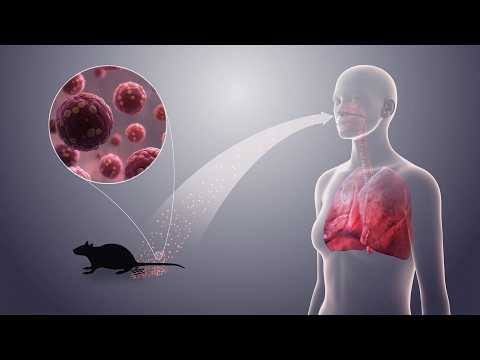
佛斯特 posted on 2026/05/10Ever wondered about Hantavirus outbreaks, like the one that happened on a cruise ship? This video features an expert interview with Marion Koopmans, diving deep into the Andes virus, pandemic preparedness, and debunking misinformation, making it a fantastic chance to boost your advanced vocabulary and understanding of complex topics!
Learn this video on the APP!
The VoiceTube App has more in-depth practice for videos!