
ability
US /əˈbɪlɪti/
UK /ə'bɪlətɪ/
- Noun (Countable/Uncountable)
- The power, resources or skill to do something
- A particular skill or talent.
A2TOEICMoreabstract
US /ˈæbˌstrækt/
UK /'æbstrækt/
- Noun (Countable/Uncountable)
- Passage of text from an article or book
- Something that doesn't exist physically
- Adjective
- Concerning something that doesn't exist physically
- Relating to abstract art.
B1Moreactivate
US /ˈæktəˌvet/
UK /ˈæktɪveɪt/
- Transitive Verb
- To cause to happen; cause a chemical reaction
- To make something start working
B1Moreaverage
US /ˈævərɪdʒ, ˈævrɪdʒ/
UK /'ævərɪdʒ/
- Noun (Countable/Uncountable)
- Total of numbers divided by the number of items
- Transitive Verb
- To add numbers then divide by the number of items
A2TOEICMoreboredom
US /ˈbɔrdəm, ˈbor-/
UK /ˈbɔ:dəm, ˈbəʊr-/
- Uncountable Noun
- Feeling of being uninterested or unexcited
B1Moreby hand
US /baɪ hænd/
UK /bai hænd/
- Phrase
- Done manually; not by machine.
- Delivered personally; not by mail or electronically.
A1Morecalculate
US /ˈkælkjəˌlet/
UK /'kælkjʊleɪt/
- Transitive Verb
- To find an answer using mathematics
- To make an educated guess about something
B2Morechase
US /tʃes/
UK /tʃeɪs/
- Noun (Countable/Uncountable)
- Act of going after someone to catch them
- Something that one pursues or tries to obtain.
- Transitive Verb
- To go after with the intention of catching
- To try very hard to get something that you want
A2Morechronic
US /ˈkrɑnɪk/
UK /'krɒnɪk/
- Adjective
- Always or often doing something, e.g. lying
- (Of disease) over a long time; serious
B1Moreclarify
US /ˈklærəˌfaɪ/
UK /'klærəfaɪ/
- Transitive Verb
- To make a liquid become clear or pure
- To state again so that a point is clearer
B1Morecognitive
US /ˈkɑɡnɪtɪv/
UK /ˈkɒgnətɪv/
- Adjective
- The process of knowing and remembering
- Relating to the ability to think and reason.
C1Moreconceptual
US /kənˈsɛptʃuəl/
UK /kənˈseptʃuəl/
- Adjective
- Including concepts or the forming of concepts
B1Moredetect
US /dɪˈtɛkt/
UK /dɪˈtekt/
- Transitive Verb
- To discover or identify the presence of something
A2TOEICMoredominate
US /ˈdɑməˌnet/
UK /'dɒmɪneɪt/
- Verb (Transitive/Intransitive)
- To be taller, bigger, or more physically obvious
- To control; rule; enjoy a commanding position in
B1TOEICMoreengage in
US /ɪn'gedʒ ɪn/
UK /ɪnˈɡeɪdʒ in/
- Phrasal Verb
- To participate or become involved in something.
B1Morefluid
US /ˈfluɪd/
UK /'flu:ɪd/
- Noun (Countable/Uncountable)
- A material that can easily flow, e.g. water
- Liquid that flows smoothly, such as water
- Adjective
- Able to move smoothly or gracefully
- Liable to change; unstable.
B2Morefoundational
US /faʊn'deɪʃənəl/
UK /faʊn'deɪʃənəl/
- Adjective
- Being the base or important starting point
C1Morefrom memory
US /frəm ˈmɛməri/
UK /frəm ˈmeməri/
- other
- Using only your memory without any help or notes.
B2Morefunction
US /ˈfʌŋkʃən/
UK /'fʌŋkʃn/
- Noun
- Social event, or party such as a wedding
- Mathematical operation used in calculations
- Intransitive Verb
- To serve a certain purpose or role
- To be operating, working or achieving its purpose
A2TOEICMorehabit
US /ˈhæbɪt/
UK /'hæbɪt/
- Noun
- Loose clothing like a cloak, worn by monks, nuns
- Usual way of behaving; something often repeated
A2TOEICMorehustle
US /ˈhʌsəl/
UK /ˈhʌsl/
- Transitive Verb
- To make someone move quickly by pushing them
- To obtain (something) by forceful action or persuasion; to proceed or work rapidly or energetically.
- Verb (Transitive/Intransitive)
- To proceed or work rapidly or energetically.
B2Moreinsightful
US /ˈɪnˌsaɪtfəl, ɪnˈsaɪt-/
UK /ˈɪnsaɪtfʊl/
- Adjective
- Displaying clear and deep understanding
- Having or showing a clear and deep understanding of people and their motivations.
B1Moreintelligence
US /ɪnˈtɛlədʒəns/
UK /ɪn'telɪdʒəns/
- Uncountable Noun
- Collection of secret information about something
- Ability to learn things or to consider situations
- Adjective
- Of the spying services; acting in secrecy
A2TOEICMorelack
US /læk/
UK /læk/
- Verb (Transitive/Intransitive)
- To not have, or not have enough, of something
- Uncountable Noun
- The state of not having or not having enough of
A2TOEICMoremechanism
US /ˈmɛkəˌnɪzəm/
UK /'mekənɪzəm/
- Noun (Countable/Uncountable)
- Part of a machine that performs a certain function
- System or process for achieving a certain result
B1Morememory
US /ˈmɛməri/
UK /'memərɪ/
- Noun (Countable/Uncountable)
- Ability of the mind to call back past things
- Space for the storage of information on a computer
A2Moremental
US /ˈmɛntl/
UK /ˈmentl/
- Adjective
- Concerning the mind
A2TOEICMoreneural
US /ˈnʊrəl, ˈnjʊr-/
UK /ˈnjuərəl/
- Adjective
- About the nerves or nervous system
B2Moreproductive
US /prəˈdʌktɪv, pro-/
UK /prəˈdʌktɪv/
- Adjective
- Producing things in large quantities; fertile
- Doing a lot of work and achieving a lot
B1Morepsychology
US /saɪˈkɑlədʒi/
UK /saɪ'kɒlədʒɪ/
- Uncountable Noun
- The study of the mind and how it affects behavior
- Way in which a person or group thinks and behaves
C2Moreput it away
US
UK
- Phrasal Verb
- To return something to its proper location; to tidy up.
- To save something, especially money, for future use.
A1Morerecall
US /rɪˈkɔl/
UK /rɪˈkɔ:l/
- Noun (Countable/Uncountable)
- (Company) asking for the return of faulty goods
- Act of remembering events or details of the past
- Transitive Verb
- (Company) to ask for the return of faulty goods
- To remember events or details of the past
A2Morerefine
US /rɪˈfaɪn/
UK /rɪ'faɪn/
- Transitive Verb
- To change slightly in order to improve it
- To narrow down your search to a smaller number
B1TOEICMorereflect
US /rɪˈflɛkt/
UK /rɪ'flekt/
- Verb (Transitive/Intransitive)
- To indicate or be a sign of something
- To bounce back light, heat, sound from a surface
A2TOEICMoreresearch
US /rɪˈsɚtʃ, ˈriˌsɚtʃ/
UK /rɪ'sɜ:tʃ/
- Verb (Transitive/Intransitive)
- To study in order to discover new ideas and facts
- To study the market relating to marketing products and services.
- Noun (Countable/Uncountable)
- Study done to discover new ideas and facts
- A particular area or topic of study.
A2TOEICMorereshape
US /riˈʃep/
UK /ˌri:'ʃeɪp/
- Transitive Verb
- To form something into a new shape
B2Morerush
US /rʌʃ/
UK /rʌʃ/
- Verb (Transitive/Intransitive)
- To attack someone suddenly in a group
- To perform or finish with speed and urgency
- Noun (Countable/Uncountable)
- Actions performed or finishes with speed, urgency
- State of hurried action
A2TOEICMoreslow down
US /slo daʊn/
UK /sləu daun/
- Phrasal Verb
- To reduce the speed
- To become less active or busy.
A1Morestimulation
US /ˌstɪmjʊ'leɪʃn/
UK /ˌstɪmjʊ'leɪʃn/
- Uncountable Noun
- Arousal of interest or emotions
B1Morestruggle
US /ˈstrʌɡəl/
UK /'strʌɡl/
- Verb (Transitive/Intransitive)
- To try very hard to do something difficult
- To fight or struggle violently
- Noun (Countable/Uncountable)
- Strong efforts made to do something difficult
- A difficult or challenging situation or task
A2Morethink about
US /θɪŋk əˈbaʊt/
UK /θiŋk əˈbaut/
- Phrasal Verb
- To consider something carefully.
- To remember or call to mind.
A1Moreunfinished
US /ʌnˈfɪnɪʃt/
UK /ʌnˈfɪnɪʃt/
- Adjective
- Not yet ended; not complete; still being done
C2Morevanish
US /ˈvænɪʃ/
UK /'vænɪʃ/
- Intransitive Verb
- To disappear in a sudden and mysterious way
B1Morevisible
US /ˈvɪzəbəl/
UK /ˈvɪzəbl/
- Adjective
- Can see, easily seen or understood
B1TOEICMorevisualization
US /ˌvɪʒʊəlɪˈzeʃən/
UK /ˌvɪʒʊəlaɪ'zeɪʃn/
- Uncountable Noun
- Act of creating an image in your mind
C1Morevisualize
US /ˈvɪʒuəˌlaɪz/
UK /ˈvɪʒuəlaɪz/
- Transitive Verb
- To create a picture in your mind of something
B1Morewalk alone
US
UK
- Intransitive Verb
- To walk without company; to walk by oneself.
A2More
Vocabulary
- from memory: Using only your memory without any help or notes.
- walk alone: To walk without company; to walk by oneself.
- engage in: To participate or become involved in something.
- put it away: To return something to its proper location; to tidy up.
- slow down: To reduce the speed
- by hand: Done manually; not by machine.
- think about: To consider something carefully.
- cognitive: The process of knowing and remembering
- chronic: Always or often doing something, e.g. lying
- struggle: To try very hard to do something difficult
- mental: Concerning the mind
- improve: To make, or become, something better
- average: Total of numbers divided by the number of items
- force: Group of persons trained for military action; army
- intelligence: Collection of secret information about something
- develop: To explain something in steps and in detail
- productive: Producing things in large quantities; fertile
- psychology: The study of the mind and how it affects behavior
- research: To study in order to discover new ideas and facts
- ability: The power, resources or skill to do something
- abstract: Passage of text from an article or book
- increase: To make or become larger in size or amount
- reflect: To indicate or be a sign of something
- fluid: A material that can easily flow, e.g. water
- lack: To not have, or not have enough, of something
- function: Social event, or party such as a wedding
- mechanism: Part of a machine that performs a certain function
- brain: To strike someone forcefully on the head
- neural: About the nerves or nervous system
- explain: To make clear or easy to understand by describing
- chase: Act of going after someone to catch them
- visualize: To create a picture in your mind of something
- hustle: To make someone move quickly by pushing them
- create: To make, cause, or bring into existence
- reason: To think and make conclusions in a logical manner
- dominate: To be taller, bigger, or more physically obvious
- mind: To be bothered or upset by something
- rush: To attack someone suddenly in a group
- boredom: Feeling of being uninterested or unexcited
- detect: To discover or identify the presence of something
- activate: To cause to happen; cause a chemical reaction
- visible: Can see, easily seen or understood
- habit: Loose clothing like a cloak, worn by monks, nuns
- learn: To get knowledge or skills by study or experience
- system: Set of organized, planned ideas that work together
- allow: To admit the validity or truth of something
- information: Collection of facts and details about something
- recall: (Company) asking for the return of faulty goods
- modern: Of the present time; up to date; contemporary
- clarify: To make a liquid become clear or pure
- stimulation: Arousal of interest or emotions
- daily: Happening every day
- memory: Ability of the mind to call back past things
- refine: To change slightly in order to improve it
- insightful: Displaying clear and deep understanding
- vanish: To disappear in a sudden and mysterious way
- visualization: Act of creating an image in your mind
- calculate: To find an answer using mathematics
- conceptual: Including concepts or the forming of concepts
- reshape: To form something into a new shape
- foundational: Being the base or important starting point
- unfinished: Not yet ended; not complete; still being done
Get the full experience in the app
Learn anywhere with detailed sentence and usage analysis
01:03
She took a brave step forward, leaving behind her comfort zone to chase her dreams.
Vocabulary
- brave
adj. Having courage
- comfort zone
phr. A familiar situation where one feels safe
Explanation
a brave step is a noun phrase, where brave is an adjective modifying the noun step, meaning "a courageous step".
forward is an adverb modifying step, meaning "ahead".
The whole phrase serves as the object, answering the "what" of took (verb) — she took a brave step forward.
Get the full experience in the app
Look up words anytime with pronunciation, part of speech, and usage
brave
US/brev/
UK/breɪv/
adj.Brave
v.t.To bravely face
A2 Elementary
Get the full experience in the app
Practice speaking anytime and get instant pronunciation feedback
Try this speaking exercise.
Try practicing with this sentence.
80
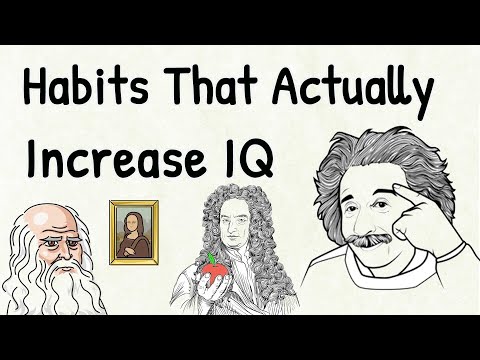
This Is How Geniuses Train Their Mind — IQ Is Not Fixed
0
Athenia posted on 2026/05/09Ever wondered if you can actually train your brain to be smarter? This video dives into fascinating Princeton research and the habits of geniuses like Einstein and Da Vinci to show you that IQ isn't fixed! You'll pick up advanced vocabulary related to cognitive habits and neuroscience, perfect for boosting your everyday thinking.
Learn this video on the APP!
The VoiceTube App has more in-depth practice for videos!