
achieve
US /əˈtʃiv/
UK /ə'tʃi:v/
- Transitive Verb
- To succeed in doing good, usually by working hard
- To succeed in reaching a particular goal, status, or standard, often after effort or perseverance.
A2TOEICMoreadopt
US /əˈdɑ:pt/
UK /əˈdɒpt/
- Transitive Verb
- To legally take a child into your family
- To take on responsibility for something
A2TOEICMoreas long as
US /æz lɔŋ æz/
UK /æz lɔŋ æz/
- Conjunction
- For the period that; provided that.
- For the length of time that
- Preposition
- On the condition that; providing that.
- Having the same length as.
A1Moreas well as
US /æz wɛl æz/
UK /æz wel æz/
- Adverb
- Also; in addition to
- Preposition
- In addition to; and also.
A1Moreassume
US /əˈsum/
UK /ə'sju:m/
- Transitive Verb
- To act in a false manner to mislead others
- To believe, based on the evidence; suppose
A2TOEICMoreassumption
US /əˈsʌmpʃən/
UK /ə'sʌmpʃn/
- Noun (Countable/Uncountable)
- Something you believe to be so, but aren't sure of
A2Moreaverage
US /ˈævərɪdʒ, ˈævrɪdʒ/
UK /'ævərɪdʒ/
- Noun (Countable/Uncountable)
- Total of numbers divided by the number of items
- Transitive Verb
- To add numbers then divide by the number of items
A2TOEICMorebenefit
US /ˈbɛnəfɪt/
UK /'benɪfɪt/
- Noun (Countable/Uncountable)
- Good result or effect, something advantageous
- A payment made by the state or an insurance policy to someone
- Verb (Transitive/Intransitive)
- To have a good effect or be helpful
- To receive an advantage; to be helped
A2TOEICMorebreathe in
US /brið ɪn/
UK /bri:ð in/
- Phrasal Verb
- To inhale; to take air into the lungs.
B1Morebreathe out
US /brið aʊt/
UK /bri:ð aut/
- Phrasal Verb
- To exhale air from the lungs.
A1Morecheck out
US /tʃɛk aʊt/
UK /tʃek aut/
- Phrase
- Phrasal Verb
- To find out information about something
- To take books out of a library
A1Morecombination
US /ˌkɑmbəˈneʃən/
UK /ˌkɒmbɪ'neɪʃn/
- Noun
- Series of letters or numbers needed to open a lock
- Act or result of mixing things together
B1Morecompanion
US /kəmˈpænjən/
UK /kəm'pænɪən/
- Noun
- Someone who keeps you company, goes out with you
- A thing that is often found with another or that serves to augment or complement it.
A2Morecomplicate
US /ˈkɑ:mplɪkeɪt/
UK /ˈkɒmplɪkeɪt/
- Transitive Verb
- To make more difficult to do, understand or use
B1Morecontagious
US /kənˈtedʒəs/
UK /kənˈteɪdʒəs/
- Adjective
- Able to be passed on by touch
- (of a disease) able to be transmitted by infection.
C2Moreconvince
US /kənˈvɪns/
UK /kən'vɪns/
- Transitive Verb
- To persuade someone, or make them feel sure
A2TOEICMorecut in
US /kʌt ɪn/
UK /kʌt in/
- Phrasal Verb
- To interrupt someone's conversation
- To enter a queue at the wrong place
A1Moredepend
US /dɪˈpend/
UK /dɪˈpend/
- Verb (Transitive/Intransitive)
- Be controlled or determined by (someone/something)
- To rely on someone or something for support, help, or existence.
B1TOEICMoredepending on
US
UK
- Phrasal Verb
- To rely on for support (financial or emotional)
- Influenced or determined by.
- Preposition
- Subject to; contingent on
- Relying on someone or something for support or assistance.
A2Morediminish
US /dɪˈmɪnɪʃ/
UK /dɪˈmɪnɪʃ/
- Verb (Transitive/Intransitive)
- To make something smaller or less important
- To imply someone's reputation is less good
B1Moredirection
US /dɪˈrɛkʃən, daɪ-/
UK /də'rekʃn/
- Noun (Countable/Uncountable)
- When someone tells people what to do
- Describes the way you are going, e.g. North
A2TOEICMoredisease
US /dɪˈziz/
UK /dɪˈzi:z/
- Noun (Countable/Uncountable)
- Illness that affects a person, animal, or plant
- A disorder of structure or function in a plant, especially one caused by a pathogen.
- Transitive Verb
- To affect with disease; to corrupt or sicken.
A2TOEICMoredrop by
US /drɑp baɪ/
UK /drɔp bai/
- Phrasal Verb
- To visit someone or some place for a short time
A1Moreeffectiveness
US /əˈfɛktɪvnɪs/
UK /ɪˌfek'tɪvnɪs/
- Uncountable Noun
- Degree of how well something works or is done
B2Moreend up with
US
UK
- Phrasal Verb
- To have something as a result.
A1Moreepidemic
US /ˌɛpɪˈdɛmɪk/
UK /ˌepɪ'demɪk/
- Adjective
- Disease that spreads quickly affecting many
- Noun (Countable/Uncountable)
- Something that spreads suddenly and widely
B2Moreequivalent
US /ɪˈkwɪvələnt/
UK /ɪˈkwɪvələnt/
- Adjective
- Equal to something in value, use or meaning
- Having the same meaning or significance.
- Noun
- Thing like another in quality, quantity or degree
B1TOEICMoreessay
US /ˈɛsˌe, ɛˈse/
UK /'eseɪ/
- Noun (Countable/Uncountable)
- Short piece of written opinion on a subject
- A test of the quality of a metal or ore.
- Verb (Transitive/Intransitive)
- To attempt or try.
- To test or evaluate the quality of something.
B1Moreexhalation
US
UK
- Uncountable Noun
- Act of expelling air from the lungs
C2Morefilter
US /ˈfɪltɚ/
UK /'fɪltə(r)/
- Noun (Countable/Uncountable)
- Device to remove certain types of light, sound
- Device to remove unwanted things from liquid, gas
- Transitive Verb
- To remove certain types of light, sound
- To remove unwanted substances from a liquid or gas
B1Morefly in the face of
US /flaɪ ɪn ðə feɪs ʌv/
UK /flai in ðə feis ov/
- other
- To openly contradict or oppose something established.
B2Morefraction
US /ˈfrækʃən/
UK /ˈfrækʃn/
- Noun (Countable/Uncountable)
- Small part of something
- A numerical quantity that is not a whole number (e.g., 1/2, 0.5).
B1TOEICMorefundamental
US /ˌfʌndəˈmɛntl/
UK /ˌfʌndəˈmentl/
- Adjective
- Forming a necessary part, base, or core
- Of central importance.
- Noun (Countable/Uncountable)
- A basic part of something
- (Music) the lowest note in a harmony
A2TOEICMorehalt
US /hɔlt/
UK /hɔ:lt/
- Verb (Transitive/Intransitive)
- To stop, or cause something, e.g. a car, to stop
- Noun
- A temporary or final stop.
B1TOEICMorein fact
US /ɪn fækt/
UK /in fækt/
- Adverb
- Used to emphasize the truth of a statement, especially one that contrasts with or contradicts something else.
- Used to introduce a more detailed or surprising piece of information.
- Phrase
- Used to emphasize the truth of a statement, especially one that is surprising or contrary to what might be expected.
C1Morein general
US /ɪn ˈdʒɛnərəl/
UK /in ˈdʒenərəl/
- Phrase
- Typically; usually; on the whole.
- Not specific or detailed; broadly.
- Adjective
- Not detailed or specific; overall.
C2Morein half
US /ɪn hæf/
UK /in hɑ:f/
- Adverb
- Divided into two equal parts.
- Partially; to some extent.
A1Morein other words
US
UK
- Phrase
- Stating something in a different way, often to make it clearer or more understandable.
in reality
US /ɪn riˈælɪti/
UK /in riˈæliti/
- Phrase
- Actually; in fact; truly.
B2Morein the face of
US //ɪn ðə feɪs ɑv//
UK
- Phrase
- When confronted with something difficult or challenging.
- Despite; in defiance of; when confronted with.
A1Morein the west
US
UK
- Phrase
- Located in or towards the west.
- Located in the western part of a country or region.
A1Moreinhalation
US /ˌɪnhəˈleʃən/
UK /ˌɪnhə'leɪʃn/
- Uncountable Noun
- Act of breathing
B2Moreinteract
US /ˌɪntɚˈækt/
UK /ˌɪntər'ækt/
- Intransitive Verb
- To talk or do things with each other
A2Moreinteract with
US /ˌɪntɚˈækt wɪð/
UK /ˌɪntərˈækt wið/
- Phrase
- Verb (Transitive/Intransitive)
- To engage in communication or action involving mutual or reciprocal influence.
- To use a computer interface to achieve a specific goal.
A2Moreintuition
US /ˌɪntuˈɪʃən, -tju-/
UK /ˌɪntjuˈɪʃn/
- Noun (Countable/Uncountable)
- Natural ability to guess or feel things
B2Moreintuitive
US /ɪnˈtuɪtɪv, -ˈtju-/
UK /ɪnˈtju:ɪtɪv/
- Adjective
- Able to understand by feeling rather than fact
- Easy to use and understand.
B2Moreinvolve
US /ɪnˈvɑlv/
UK /ɪn'vɒlv/
- Transitive Verb
- To have or be included as a part of something
- To cause (a person or group) to take part in an event or activity.
A2TOEICMoreirrespective
US /ˌɪrɪˈspɛktɪv/
UK /ˌɪrɪ'spektɪv/
- Adjective
- In spite of everything; ignoring drawbacks
B2Moremade with
US
UK
- Phrase
- Containing a particular ingredient or material.
- Created or produced using a specific tool, method, or process.
- Phrasal Verb
- To offer or provide something, often quickly or unexpectedly.
A1Moremalicious
US /məˈlɪʃəs/
UK /məˈlɪʃəs/
- Adjective
- Intending to harm or hurt someone
B2Moremultiplicative
US
UK
- Adjective
- Having the power to increase in number/degree
C2Moreno matter
US
UK
- Conjunction
- Regardless of; it does not matter.
- Adverb
- Regardless of; it is not important
A1Moreon average
US /ɑn ˈævərɪdʒ/
UK /ɔn ˈævəridʒ/
- Phrase
- Typically; usually; based on an average calculation.
B1Moreor simply
US
UK
- Phrase
- Alternatively; in a more straightforward way.
A1Morepartially
US /ˈpɑ:rʃəli/
UK /ˈpɑ:ʃəli/
- Adverb
- In part; in some degree; not wholly
B1Moreportion
US /ˈpɔrʃən, ˈpor-/
UK /'pɔ:ʃn/
- Noun (Countable/Uncountable)
- Serving of food that is intended for one person
- Part of something shared that belongs to a whole
- Transitive Verb
- To separate something to divide among people
B1Moreput together
US /pʊt təˈɡɛðɚ/
UK /put təˈɡeðə/
- Phrasal Verb
- To build or assemble something small, e.g. a toy
- To organize or arrange something.
A1Morerandomly
US /'rændəmlɪ/
UK /'rændəmlɪ/
- Adverb
- With no pattern or clear purpose; by chance
B1TOEICMorereality
US /riˈælɪti/
UK /rɪ'ælətɪ/
- Noun (Countable/Uncountable)
- What is true, as opposed to what is imagined
- The state of things as they actually exist, rather than as they may appear or might be imagined.
A2Morereduction
US /rɪˈdʌkʃən/
UK /rɪ'dʌkʃn/
- Noun
- Act of making something smaller
B1Moreresearch
US /rɪˈsɚtʃ, ˈriˌsɚtʃ/
UK /rɪ'sɜ:tʃ/
- Verb (Transitive/Intransitive)
- To study in order to discover new ideas and facts
- To study the market relating to marketing products and services.
- Noun (Countable/Uncountable)
- Study done to discover new ideas and facts
- A particular area or topic of study.
A2TOEICMorescenario
US /səˈner.i.oʊ/
UK /sɪˈnɑː.ri.əʊ/
- Noun
- An imagined sequence of events in a plan/project
B1Moresimplicity
US /sɪmˈplɪsɪti/
UK /sɪm'plɪsətɪ/
- Uncountable Noun
- Being easy to understand or use
C1Morestick around
US /stɪk əˈraʊnd/
UK /stik əˈraund/
- Phrasal Verb
- To remain in place; not leave or go
A2Moresusceptible
US /səˈsɛptəbəl/
UK /səˈseptəbl/
- Adjective
- Likely to fall prey to, be drawn to or influenced
- At risk of developing a certain illness or problem
B2TOEICMoreswiftly
US /ˈswɪftlɪ/
UK /swɪftlɪ/
- Adverb
- Quickly
B2Morethanks to
US /θæŋks tu/
UK /θæŋks tu:/
- Preposition
- Because of; as a result of.
A1Moreusage
US /ˈjusɪdʒ, -zɪdʒ/
UK /ˈju:sɪdʒ/
- Noun (Countable/Uncountable)
- Amount something is used
- Way something is actually used
B2Moreused to
US /juzd tu/
UK /ˈju:st tə/
- Adjective
- Did regularly before, but don't do now
- Auxiliary Verb
- Have done before, but do not do now
A1Morevague
US /veɡ/
UK /veɪɡ/
- Adjective
- Not clearly stated or expressed; rough; unclear
- Being not clearly visible
B1Moreversa
US /'vɜ:sə/
UK /'vɜ:sə/
- Adverb
- used to say that what you have just said is also true in the opposite order
C1More
Vocabulary
- in half: Divided into two equal parts.
- in fact: Used to emphasize the truth of a statement, especially one that contrasts with or contradicts something else.
- on average: Typically; usually; based on an average calculation.
- end up with: To have something as a result.
- in reality: Actually; in fact; truly.
- or simply: Alternatively; in a more straightforward way.
- in the west: Located in or towards the west.
- in the face of: When confronted with something difficult or challenging.
- fly in the face of: To openly contradict or oppose something established.
- in other words: Stating something in a different way, often to make it clearer or more understandable.
- used to: Did regularly before, but don't do now
- breathe in: To inhale; to take air into the lungs.
- breathe out: To exhale air from the lungs.
- stick around: To remain in place; not leave or go
- cut in: To interrupt someone's conversation
- no matter: Regardless of; it does not matter.
- in general: Typically; usually; on the whole.
- drop by: To visit someone or some place for a short time
- as long as: For the period that; provided that.
- depending on: To rely on for support (financial or emotional)
- put together: To build or assemble something small, e.g. a toy
- interact with
- check out
- made with: Containing a particular ingredient or material.
- as well as: Also; in addition to
- thanks to: Because of; as a result of.
- assume: To act in a false manner to mislead others
- equivalent: Equal to something in value, use or meaning
- susceptible: Likely to fall prey to, be drawn to or influenced
- scenario: An imagined sequence of events in a plan/project
- contagious: Able to be passed on by touch
- average: Total of numbers divided by the number of items
- vague: Not clearly stated or expressed; rough; unclear
- intuitive: Able to understand by feeling rather than fact
- effective: Working efficiently to produce a desired result
- epidemic: Disease that spreads quickly affecting many
- convince: To persuade someone, or make them feel sure
- intuition: Natural ability to guess or feel things
- achieve: To succeed in doing good, usually by working hard
- interact: To talk or do things with each other
- combination: Series of letters or numbers needed to open a lock
- disease: Illness that affects a person, animal, or plant
- fundamental: Forming a necessary part, base, or core
- research: To study in order to discover new ideas and facts
- reality: What is true, as opposed to what is imagined
- assumption: Something you believe to be so, but aren't sure of
- portion: Serving of food that is intended for one person
- fraction: Small part of something
- filter: Device to remove certain types of light, sound
- direction: When someone tells people what to do
- diminish: To make something smaller or less important
- adopt: To legally take a child into your family
- benefit: Good result or effect, something advantageous
- involve: To have or be included as a part of something
- companion: Someone who keeps you company, goes out with you
- drop: Distance between a higher and a lower level
- guess: To give an answer without knowing if it is correct
- halt: To stop, or cause something, e.g. a car, to stop
- essay: Short piece of written opinion on a subject
- randomly: With no pattern or clear purpose; by chance
- complicate: To make more difficult to do, understand or use
- reduction: Act of making something smaller
- lot: What happens to a person in life from chance; fate
- equally: In an equal, even, or identical manner
- depend: Be controlled or determined by (someone/something)
- fact: Something that is known or proved to be true
- partially: In part; in some degree; not wholly
- support: To give assistance or advice to someone
- usage: Amount something is used
- swiftly: Quickly
- protect: To defend someone or something from harm or danger
- versa: used to say that what you have just said is also true in the opposite order
- simplicity: Being easy to understand or use
- person: Man, woman or child
- wear: To have clothes, glasses, shoes etc. on your body
- malicious: Intending to harm or hurt someone
- inhalation: Act of breathing
- effectiveness: Degree of how well something works or is done
- people: Persons sharing culture, country, background, etc.
- true: Agreeing with the facts; not false; real or actual
- fly: Common flying insect, sometimes blue in color
- power: Legal or official right to perform certain actions
- poorly: Badly; not enough; not sufficient
- irrespective: In spite of everything; ignoring drawbacks
- exhalation: Act of expelling air from the lungs
- multiplicative: Having the power to increase in number/degree
Get the full experience in the app
Learn anywhere with detailed sentence and usage analysis
01:03
She took a brave step forward, leaving behind her comfort zone to chase her dreams.
Vocabulary
- brave
adj. Having courage
- comfort zone
phr. A familiar situation where one feels safe
Explanation
a brave step is a noun phrase, where brave is an adjective modifying the noun step, meaning "a courageous step".
forward is an adverb modifying step, meaning "ahead".
The whole phrase serves as the object, answering the "what" of took (verb) — she took a brave step forward.
Get the full experience in the app
Look up words anytime with pronunciation, part of speech, and usage
brave
US/brev/
UK/breɪv/
adj.Brave
v.t.To bravely face
A2 Elementary
Get the full experience in the app
Practice speaking anytime and get instant pronunciation feedback
Try this speaking exercise.
Try practicing with this sentence.
80
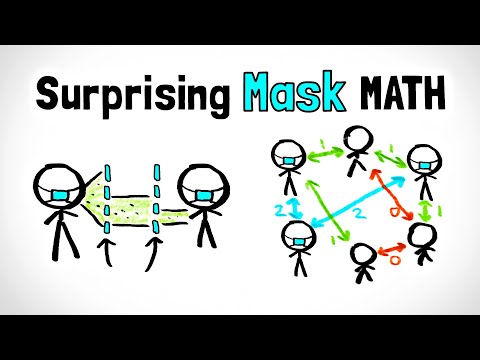
Why Masks Work BETTER Than You'd Think
0
林宜悉 posted on 2026/04/09Ever wondered just how effective masks really are? This video dives into the fascinating math behind mask effectiveness and COVID-19 transmission, using insights from MinutePhysics to explain complex concepts like source control. You'll pick up advanced vocabulary and see complex sentence structures in action, making it a fantastic way to boost your English comprehension!
Learn this video on the APP!
The VoiceTube App has more in-depth practice for videos!