
action
US /ˈækʃən/
UK /'ækʃn/
- Noun (Countable/Uncountable)
- Something that a person or thing does
- A lawsuit.
- Intransitive Verb
- To act to do something
A2Moreauxiliary
US /ɔɡˈzɪljəri, -ˈzɪləri/
UK /ɔ:gˈzɪliəri/
- Adjective
- Helping or supporting a function or group
- Noun
- Group of workers who provide help and assistance
B2TOEICMorebase
US /bes/
UK /beɪs/
- Noun (Countable/Uncountable)
- Place military personnel live, train, and operate
- Bottom part of an object that touches a surface
- Transitive Verb
- To use as the starting point or origin for
- To have as the main location for (company, etc.)
A2TOEICMorecareful
US /ˈkerfl/
UK /ˈkeəfl/
- Adjective
- Trying not to make mistakes; working slowly
- Cautious and attentive to potential dangers or problems.
A2Moreconfuse
US /kənˈfjuz/
UK /kənˈfju:z/
- Transitive Verb
- To make something unclear or hard to understand
- To mistake one person or thing for another.
A2Morecorrect
US /kəˈrɛkt/
UK /kə'rekt/
- Adjective
- Being suitable and appropriate for an occasion
- True or accurate
- Transitive Verb
- To fix a problem
- To write marks on a piece of work to show mistakes
A2Morecrazy
US /ˈkrezi/
UK /'kreɪzɪ/
- Adjective
- Mentally ill; mad
- Not being sensible or practical
- Noun
- Person acting in a manner that is strange and odd
A2Moreemotion
US /ɪˈmoʃən/
UK /iˈməuʃən/
- Noun (Countable/Uncountable)
- A feeling such as sadness, anger or love
- A mental state that arises spontaneously rather than through conscious effort
A2Morefor example
US
UK
- Phrase
- As an illustration or instance.
have to
US /hæv tu/
UK /ˈhæv tə/
- Auxiliary Verb
- Must do
A1Morehippo
US /ˈhɪpo/
UK /'hɪpəʊ/
- Countable Noun
- Short for 'hippopotamus'
B2Morein the past
US
UK
- Phrase
- During a former period of time; previously.
A1Moreintonation
US /ˌɪntəˈneʃən,-to-/
UK /ˌɪntəˈneɪʃn/
- Uncountable Noun
- Rises and falls in pitch of speech
B2Moreirregular
US /ɪˈrɛɡjəlɚ/
UK /ɪˈregjələ(r)/
- Adjective
- Happening at unequal spaced distances or times
- Being unusual, unexpected, or not normal
A2Moremarker
US /ˈmɑ:rkə(r)/
UK /ˈmɑ:kə(r)/
- Noun (Countable/Uncountable)
- Something that is easy to recognize or identify
- Thick pen used for writing, e.g. on boards
B1Morenegative
US /ˈnɛɡətɪv/
UK /'neɡətɪv/
- Noun
- The opposite to a positive electrical charge
- In grammar, containing words such as 'no' or 'not'
- Adjective
- Being harmful, unwanted or unhelpful
- In mathematics, being less than zero
A2Moreplant
US /plænt/
UK /plɑ:nt/
- Noun (Countable/Uncountable)
- Factory or a place where things are made
- Living thing with leaves and roots growing in soil
- Transitive Verb
- To firmly position something (in the ground)
- To put seeds, flowers, trees in the ground
A2TOEICMorepositive
US /ˈpɑzɪtɪv/
UK /ˈpɒzətɪv/
- Adjective
- Showing agreement or support for something
- Being sure about something; knowing the truth
- Noun
- A photograph in which light areas are light and dark areas are dark
A2Morepossess
US /pəˈzɛs/
UK /pəˈzes/
- Transitive Verb
- To enter a person's mind or body as a spirit
- To have or own something
A2TOEICMorereview
US / rɪˈvju/
UK /rɪˈvju:/
- Transitive Verb
- To carefully look at the quality of something
- To formally examine something in the military
- Noun
- Examination of soldiers and supplies
- Opinion, as in a paper, about movie, book, or play
A2TOEICMoretense
US /tɛns/
UK /tens/
- Noun
- The use of grammar to state the time things happen
- Adjective
- Unable to relax; feeling nervous or stressed
- Stretched tight and stiff
A2TOEICMoreto let
US /tu lɛt/
UK /tu let/
- Preposition
- Indicates that a property is available for rent.
A2Morevideo
US /ˈvɪdiˌo/
UK /'vɪdɪəʊ/
- Noun (Countable/Uncountable)
- Recording capturing action with sound
- A recording of moving visual images made digitally or on videotape.
- Transitive Verb
- To make a moving film of, with sound
- To make a video call.
A2More
Vocabulary
- have to: Must do
- in the past: During a former period of time; previously.
- for example: As an illustration or instance.
- to let: Indicates that a property is available for rent.
- present: Being in attendance; being there; having turned up
- matter: To be of great importance; to count
- positive: Showing agreement or support for something
- negative: The opposite to a positive electrical charge
- common: Area in a city or town that is open to everyone
- sentence: (Of a judge) to decide the punishment of
- bit: Device put in a horse's mouth to control it
- tense: The use of grammar to state the time things happen
- possess: To enter a person's mind or body as a spirit
- raise: To increase a bet above another when playing cards
- subject: The person, thing, or idea that is being discussed, described, or studied.
- intonation: Rises and falls in pitch of speech
- correct: Being suitable and appropriate for an occasion
- lot: What happens to a person in life from chance; fate
- emotion: A feeling such as sadness, anger or love
- important: Having power or authority
- sound: Sensible, dependable and reliable
- kind: In a caring and helpful manner
- simple: Not hard to understand or do; not complex
- adjective: A word that describes a noun, e.g. happy
- language: Words or signs used to communicate messages
- wrong: Action that is harmful, unjust or illegal
- auxiliary: Helping or supporting a function or group
- plant: Factory or a place where things are made
- action: Something that a person or thing does
- irregular: Happening at unequal spaced distances or times
- base: Place military personnel live, train, and operate
- confuse: To make something unclear or hard to understand
- review: To carefully look at the quality of something
- video: Recording capturing action with sound
- crazy: Mentally ill; mad
- careful: Trying not to make mistakes; working slowly
- marker: Something that is easy to recognize or identify
- hippo: Short for 'hippopotamus'
Get the full experience in the app
Learn anywhere with detailed sentence and usage analysis
01:03
She took a brave step forward, leaving behind her comfort zone to chase her dreams.
Vocabulary
- brave
adj. Having courage
- comfort zone
phr. A familiar situation where one feels safe
Explanation
a brave step is a noun phrase, where brave is an adjective modifying the noun step, meaning "a courageous step".
forward is an adverb modifying step, meaning "ahead".
The whole phrase serves as the object, answering the "what" of took (verb) — she took a brave step forward.
Get the full experience in the app
Look up words anytime with pronunciation, part of speech, and usage
brave
US/brev/
UK/breɪv/
adj.Brave
v.t.To bravely face
A2 Elementary
Get the full experience in the app
Practice speaking anytime and get instant pronunciation feedback
Try this speaking exercise.
Try practicing with this sentence.
80
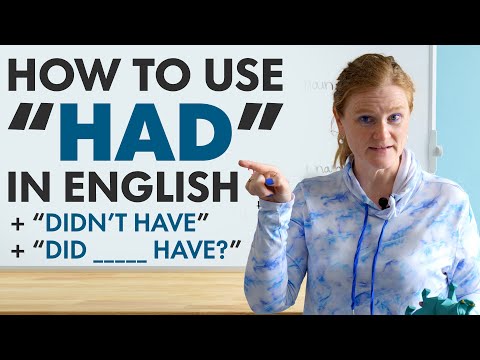
Basic English Grammar: HAD, DIDN’T HAVE, DID _____ HAVE?
0
林宜悉 posted on 2026/04/04Ever get confused between 'had', 'didn't have', and 'did _____ have'? This super practical A2 lesson breaks down these common past tense questions and statements, perfect for boosting your everyday English! You'll pick up essential grammar for talking about past events and possessions in no time!
Learn this video on the APP!
The VoiceTube App has more in-depth practice for videos!