
accurate
US /ˈækjərɪt/
UK /ˈækjərət/
- Adjective
- With no mistake or error; Correct
A2Moreas one
US
UK
- Adverb
- Acting or moving together at the same time.
- In complete agreement or unity.
- Phrase
- With a single voice or opinion; unanimously.
- In perfect harmony or unison.
A1Morebless
US /blɛs/
UK /bles/
- Transitive Verb
- To make something holy by saying a special prayer
B1Morech
US
UK
- Abbreviation
- Abbreviation for Chapter
C1Morechannel
US /ˈtʃænəl/
UK /'tʃænl/
- Noun (Countable/Uncountable)
- Long hole dug in the ground, e.g. to move water
- TV or radio station or its programs
- Transitive Verb
- To dig a long hole for carrying water
- To send (e.g. money) to a certain place or person
B1Morecheck out
US /tʃɛk aʊt/
UK /tʃek aut/
- Phrase
- Phrasal Verb
- To find out information about something
- To take books out of a library
A1Morechew
US /tʃu:/
UK /tʃu:/
- Verb (Transitive/Intransitive)
- To bite something many times without swallowing it
- Noun
- Act of biting something many times
B1Morecome on over
US
UK
- Phrasal Verb
- An invitation to visit someone's home or location.
A1Moreconcept
US /ˈkɑnˌsɛpt/
UK /'kɒnsept/
- Noun (Countable/Uncountable)
- Abstract idea of something or how it works
- A plan or intention; a conception.
A2TOEICMoreconsonant
US /ˈkɑnsənənt/
UK /ˈkɒnsənənt/
- Adjective
- Music (of a note) in harmony
- Countable Noun
- A speech sound or letter that is not a vowel
B2Morecorrect
US /kəˈrɛkt/
UK /kə'rekt/
- Adjective
- Being suitable and appropriate for an occasion
- True or accurate
- Transitive Verb
- To fix a problem
- To write marks on a piece of work to show mistakes
A2Morecorrespond
US /ˌkɔ:rəˈspɑ:nd/
UK /ˌkɒrəˈspɒnd/
- Intransitive Verb
- To have similarity or equality with something
- To write letters or emails to someone
B1Moredeliberately
US /dɪˈlɪbərɪtlɪ/
UK /dɪˈlɪbərətli/
- Adverb
- In a careful, considered manner; on purpose
- Purposely; on purpose
B2TOEICMoredescription
US /dɪˈskrɪpʃən/
UK /dɪˈskrɪpʃn/
- Noun
- Explanation of what something is like, looks like
- The type or nature of someone or something.
A2TOEICMoredetect
US /dɪˈtɛkt/
UK /dɪˈtekt/
- Transitive Verb
- To discover or identify the presence of something
A2TOEICMoredistinct
US /dɪˈstɪŋkt/
UK /dɪˈstɪŋkt/
- Adjective
- Clearly different in nature from something else
- Clearly noticeable; easily perceived.
A2Moreentire
US /ɛnˈtaɪr/
UK /ɪn'taɪə(r)/
- Adjective
- Complete or full; with no part left out; whole
- Undivided; not shared or distributed.
A2TOEICMoreexaggerate
US /ɪgˈzædʒəreɪt/
UK /ɪgˈzædʒəreɪt/
- Verb (Transitive/Intransitive)
- To makes things seem more extreme than reality
- To speak or write about something in a way that overemphasizes or magnifies its qualities.
B1TOEICMorefamiliar
US /fəˈmɪljɚ/
UK /fəˈmɪliə(r)/
- Adjective
- Well-known or easily recognized
- Having a good knowledge of something.
- Noun
- A close friend or associate.
- (In folklore) a spirit, often in animal form, believed to attend and serve a witch.
A2TOEICMorefeel like
US
UK
- Intransitive Verb
- To have a desire or inclination for something.
- To have a particular quality or sensation; resemble.
A1Morefluency
US /ˈfluːənsi/
UK /ˈflu:ənsi/
- Uncountable Noun
- Ability to do something well and with ease
- Ability to speak or write a language easily
B1TOEICMorefootwork
US /ˈfʊtˌwɚk/
UK /ˈfʊtwɜ:k/
- Noun (Countable/Uncountable)
- Skillful maneuvering or dealing
- The manner of moving the feet in sports, especially boxing.
C2Morefor example
US
UK
- Phrase
- As an illustration or instance.
friction
US /ˈfrɪkʃən/
UK /ˈfrɪkʃn/
- Uncountable Noun
- Disagreement between two or more people
- Force preventing motion between bodies in contact
B2Morefuse
US /fjuz/
UK /fju:z/
- Noun
- Device connected to and making a bomb explode
- Electrical safety device
- Verb (Transitive/Intransitive)
- (Metal) to become one through heat contact
- To become combined; unite.
B2Morefusion
US /ˈfjuʒən/
UK /ˈfju:ʒn/
- Noun (Countable/Uncountable)
- Combining various things to make something new
- The process in which light atomic nuclei combine to form a heavier nucleus, releasing large amounts of energy.
B2Moregrandfather
US /ˈɡrændˌfɑðɚ, ˈɡræn-/
UK /'ɡrænfɑ:ðə(r)/
- Countable Noun
- Your mother's or father's father
B2Morehave to
US /hæv tu/
UK /ˈhæv tə/
- Auxiliary Verb
- Must do
A1Moreincorrect
US /ˌɪnkəˈrɛkt/
UK /ˌɪnkəˈrekt/
- Adjective
- Being wrong or inaccurate
B1TOEICMoreinstead of
US /ɪnˈstɛd ʌv/
UK /inˈsted ɔv/
- Preposition
- When one thing is replaced by another
- Adverb
- As a substitute or alternative.
A1Morejarring
US /'dʒɑ:ɪŋ/
UK /'dʒɑ:ɪŋ/
- Transitive Verb
- To have a harsh or unsettling effect on someone
- To make a harsh sound to the ears
C1Morelinguistic
US /lɪŋˈɡwɪstɪk/
UK /lɪŋˈgwɪstɪk/
- Adjective
- Of or relating to language
- Relating to the scientific study of language.
B1Moremasterclass
US /ˈmæstərklæs/
UK /ˈmɑ:stəklɑ:s/
- Noun
- An example of excellent work
C2Moremerge
US /mɜ:rdʒ/
UK /mɜ:dʒ/
- Transitive Verb
- To cause two or more things to combine into one
- Noun
- Causing two or more things to combine into one
B1TOEICMoremove on
US /muv ɑn/
UK /mu:v ɔn/
- Phrasal Verb
- To decide to change or go to a different place
- To start talking about something different.
A1Moreobsess
US /əbˈsɛs, ɑb-/
UK /əbˈses/
- Verb (Transitive/Intransitive)
- To talk or think about someone, something too much
- To think about something to an excessive degree
C1Moreoccur
US /əˈkɚ/
UK /əˈkɜ:(r)/
- Intransitive Verb
- To come to pass or to happen
- To be found to exist; to be present.
A2TOEICMoreon to
US /ɑn tu/
UK /ɔn tu:/
- Preposition
- Toward something; forward
- Aware of someone's activities.
- Adjective
- Aware of someone's deception or illegal activities.
A1Moreover to
US
UK
- Preposition
- Used to hand over to someone else to speak
- The responsibility is now yours
palate
US /ˈpælɪt/
UK /ˈpælət/
- Noun
- Roof of the mouth
B2TOEICMorephoneme
US /ˈfoˌnim/
UK /ˈfəʊni:m/
- Noun
- Smallest unit of speech that distinguishes meaning
C1Morepractice
US /ˈpræktɪs/
UK /'præktɪs/
- Noun
- The office and place for legal or medical work
- Doing something many times to become better at it
- Verb (Transitive/Intransitive)
- To work as a doctor or lawyer
- To live according to the teachings of a religion
A2TOEICMorepronounce
US /prəˈnaʊns/
UK /prə'naʊns/
- Transitive Verb
- To state something in a legal or official way
- To give your opinion or decision about something
B1Morepronunciation
US /prəˌnʌnsiˈeʃən/
UK /prəˌnʌnsiˈeɪʃn/
- Noun (Countable/Uncountable)
- How a word is said; how a word sounds
- The manner in which someone utters a word.
B1Morerandom
US /ˈrændəm/
UK /'rændəm/
- Adjective
- Chosen, done without a particular plan or pattern
B1Morereduce
US /rɪˈdus, -ˈdjus/
UK /rɪ'dju:s/
- Verb (Transitive/Intransitive)
- To try to decrease, e.g. your weight if overweight
- To boil a liquid until it has decreased in amount
A2TOEICMorerelate
US /rɪˈlet/
UK /rɪ'leɪt/
- Transitive Verb
- To demonstrate a logical relationship between
- To understand or sympathize with, e.g. a problem
A2TOEICMoresh
US /ʃ/
UK /ʃ/
- Interjection
- Sound people make to make someone be quiet
C2Moreshortcut
US /ˈʃɔrtˌkʌt/
UK /'ʃɔ:tkʌt/
- Noun
- A route that is shorter than the normal
B2Moreslang
US /slæŋ/
UK /slæŋ/
- Uncountable Noun
- Words or phrases used in a very informal way
B1Morespecific
US /spɪˈsɪfɪk/
UK /spəˈsɪfɪk/
- Adjective
- Precise; particular; just about that thing
- Concerning one particular thing or kind of thing
A2Morestress out
US /strɛs aʊt/
UK /stres aut/
- Phrasal Verb
- To become anxious, worried, or tense.
- To cause someone to feel anxious, worried, or tense.
B1Moretalk about it
US /tɔk əˈbaʊt ɪt/
UK /tɔ:k əˈbaut it/
- Verb (Transitive/Intransitive)
- To discuss a particular subject.
A1Moretheoretical
US /ˌθiəˈrɛtɪkəl/
UK /ˌθɪəˈretɪkl/
- Adjective
- Concerning the unproved aspects of a subject
- Based on or using the ideas and abstract principles that relate to a subject
B1Morethink about
US /θɪŋk əˈbaʊt/
UK /θiŋk əˈbaut/
- Phrasal Verb
- To consider something carefully.
- To remember or call to mind.
A1Moretip
US /tɪp/
UK /tɪp/
- Transitive Verb
- To pour or move something from a place, container
- To give extra money for good service
- Noun
- End point of e.g. a pencil or finger
- Extra money given for good service
A2Moretongue
US /tʌŋ/
UK /tʌŋ/
- Noun
- Long, thin part of (e.g. shoe under the laces)
- Meat from the mouth of an animal, cooked as food
- Transitive Verb
- To using your mouth to produce musical notes
- To use your mouth to touch something
A2Moreupper
US /ˈʌpɚ/
UK /ˈʌpə(r)/
- Noun (Countable/Uncountable)
- Drug that improves mood or increases energy
- Something happy or encouraging
- Adjective
- Located above others of the same kind
- Being the northern part of a region
B1More
Vocabulary
- think about: To consider something carefully.
- for example: As an illustration or instance.
- instead of: When one thing is replaced by another
- feel like: To have a desire or inclination for something.
- check out
- talk about it: To discuss a particular subject.
- as one: Acting or moving together at the same time.
- stress out: To become anxious, worried, or tense.
- have to: Must do
- on to: Toward something; forward
- move on: To decide to change or go to a different place
- over to: Used to hand over to someone else to speak
- come on over: An invitation to visit someone's home or location.
- specific: Precise; particular; just about that thing
- entire: Complete or full; with no part left out; whole
- pronunciation: How a word is said; how a word sounds
- practice: The office and place for legal or medical work
- description: Explanation of what something is like, looks like
- exaggerate: To makes things seem more extreme than reality
- concept: Abstract idea of something or how it works
- deliberately: In a careful, considered manner; on purpose
- accurate: With no mistake or error; Correct
- familiar: Well-known or easily recognized
- distinct: Clearly different in nature from something else
- random: Chosen, done without a particular plan or pattern
- slang: Words or phrases used in a very informal way
- pronounce: To state something in a legal or official way
- bit: Device put in a horse's mouth to control it
- tongue: Long, thin part of (e.g. shoe under the laces)
- brain: To strike someone forcefully on the head
- occur: To come to pass or to happen
- clever: Funny in a way that shows intelligence
- tip: To pour or move something from a place, container
- fluency: Ability to do something well and with ease
- create: To make, cause, or bring into existence
- introduce: To open an essay to set the scene
- guess: To give an answer without knowing if it is correct
- relate: To demonstrate a logical relationship between
- reduce: To try to decrease, e.g. your weight if overweight
- obsess: To talk or think about someone, something too much
- mind: To be bothered or upset by something
- correct: Being suitable and appropriate for an occasion
- detect: To discover or identify the presence of something
- organize: To arrange and plan things, e.g. a party
- linguistic: Of or relating to language
- text: To send a message by phone or other device
- friction: Disagreement between two or more people
- channel: Long hole dug in the ground, e.g. to move water
- sound: Sensible, dependable and reliable
- learn: To get knowledge or skills by study or experience
- chew: To bite something many times without swallowing it
- prefer: To like something better than something else
- fusion: Combining various things to make something new
- palate: Roof of the mouth
- middle: Place that is halfway between two things
- consonant: Music (of a note) in harmony
- difference: A thing or issue that people do not agree about
- start: First time or place that a thing exists; beginning
- fuse: Device connected to and making a bomb explode
- theoretical: Concerning the unproved aspects of a subject
- correspond: To have similarity or equality with something
- shortcut: A route that is shorter than the normal
- upper: Drug that improves mood or increases energy
- merge: To cause two or more things to combine into one
- incorrect: Being wrong or inaccurate
- jarring: To have a harsh or unsettling effect on someone
- bless: To make something holy by saying a special prayer
- footwork: Skillful maneuvering or dealing
- phoneme: Smallest unit of speech that distinguishes meaning
- grandfather: Your mother's or father's father
- masterclass: An example of excellent work
- sh: Sound people make to make someone be quiet
- ch: Abbreviation for Chapter
Get the full experience in the app
Learn anywhere with detailed sentence and usage analysis
01:03
She took a brave step forward, leaving behind her comfort zone to chase her dreams.
Vocabulary
- brave
adj. Having courage
- comfort zone
phr. A familiar situation where one feels safe
Explanation
a brave step is a noun phrase, where brave is an adjective modifying the noun step, meaning "a courageous step".
forward is an adverb modifying step, meaning "ahead".
The whole phrase serves as the object, answering the "what" of took (verb) — she took a brave step forward.
Get the full experience in the app
Look up words anytime with pronunciation, part of speech, and usage
brave
US/brev/
UK/breɪv/
adj.Brave
v.t.To bravely face
A2 Elementary
Get the full experience in the app
Practice speaking anytime and get instant pronunciation feedback
Try this speaking exercise.
Try practicing with this sentence.
80
0
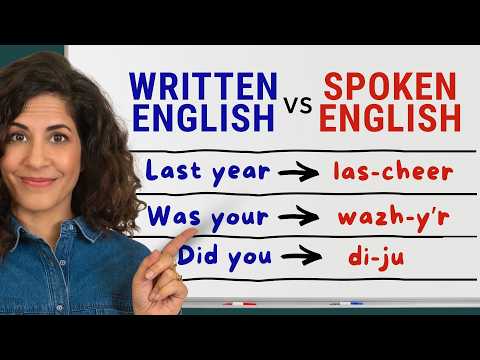
Susan posted on 2026/03/31Ever feel like English speakers are talking too fast? This video breaks down the secrets of connected speech, showing you how sounds blend together in real conversations! You'll master tricky pronunciation points like coalescence and affricates, making your English sound more natural and fluent.
Learn this video on the APP!
The VoiceTube App has more in-depth practice for videos!