consonant
US /ˈkɑnsənənt/
・UK /ˈkɒnsənənt/
B2
adj.AdjectiveMusic (of a note) in harmony
This chord is consonant, it is restful to the ear
n. (c.)Countable NounA speech sound or letter that is not a vowel
The sound ‘t’ is a consonant, and so are ‘d’ and ‘m’
Video subtitles
BOX SET: English In A Minute 7 – TEN English lessons in 10 minutes!
- Here's another rule: when a word ends with consonant plus L, E, we add an 'ul' sound to the word. 'Little', 'circle', 'able'.
Here's another rule: when a word ends with consonant plus L, E, we add an 'ul' sound to the word. 'Little', 'circle', 'able'.
- When a word ends with consonant plus L-E, we add an /l/ sound to the word.
When a word ends with consonant plus L-E, we add an /l/ sound to the word.
Why Do These Words Get Mispronounced So Much? | Otherwords

- I only just found out it's not pronounced "coup de gras," meaning "stroke of fat," which sounds so much more French with a dropped consonant.
I only just found out it's not pronounced "coup de gras," meaning "stroke of fat," which sounds so much more French with a dropped consonant.
- Which sounds so much more French with the dropped consonant.
Which sounds so much more French with the dropped consonant.
Practice Your English Pronunciation /k/ vs /g/ Sounds | Course #19
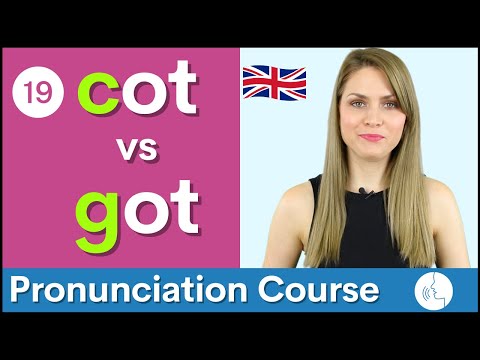
- In today's video, we are going to focus on two initial consonant sounds in English.
In today's video, we are going to focus on two initial consonant sounds in English.
- In today's video we are going to focus on two initial consonant sounds in English: the "k" sound and the "g" sound.
In today's video we are going to focus on two initial consonant sounds in English: the "k" sound and the "g" sound.
How to pronounce ‘A’ in English (It's not that easy!)

- You can just do a single A between two consonants, especially if they end in a double consonant.
You can just do a single A between two consonants, especially if they end in a double consonant.
- You can just do a single "a" between two consonants, especially if they end in a double consonant.
You can just do a single "a" between two consonants, especially if they end in a double consonant.
Practice Your English Pronunciation /b/ vs /v/ Sounds | Course #14
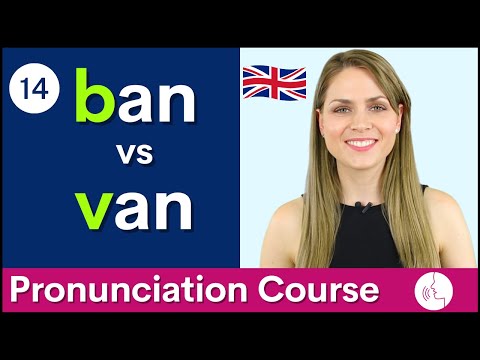
- In this video, I'm going to focus on two very important consonant sounds, b and v.
In this video, I'm going to focus on two very important consonant sounds, b and v.
- In this video, I'm going to focus on two very important consonant sounds: "b" and "v".
In this video, I'm going to focus on two very important consonant sounds: "b" and "v".
Practice Your English Pronunciation final /t/ vs /d/ Sounds | Course #27
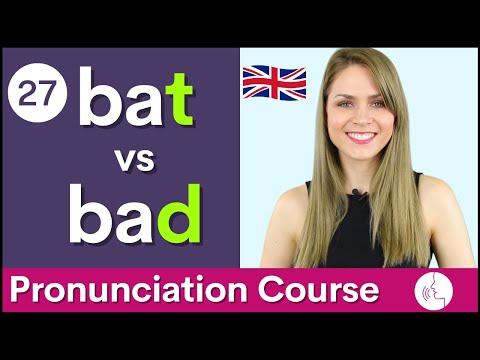
- And in this video, I'm going to focus on two final consonant sounds.
And in this video, I'm going to focus on two final consonant sounds.
- And in this video, I'm going to focus on two final consonant sounds: the sounds /t/ and /d/.
And in this video, I'm going to focus on two final consonant sounds: the sounds /t/ and /d/.
Learn to Pronounce the M Sound /m/ - American English Ultimate Pronunciation Challenge Master Class
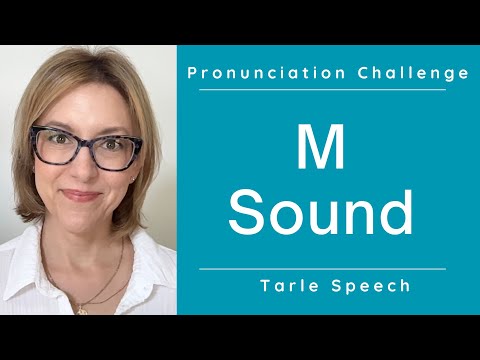
- Welcome to another week of the American English Consonant Sound Masterclass.
Welcome to another week of the American English Consonant Sound Masterclass.
- Welcome to another week of the American English Consonant Sound Masterclass.
Welcome to another week of the American English Consonant Sound Masterclass.
First Drafts: Happy Father's Day 2025 with Evie Colbert

- He's one of only two artists who never uses a consonant.
He's one of only two artists who never uses a consonant.
- He's one of only two artists who never uses a consonant.
He's one of only two artists who never uses a consonant.
Consonant Sound / j / as in "yes" – American English Pronunciation

- In this video we're going to talk about the American consonant sound "yh", as in the word "yes".
In this video we're going to talk about the American consonant sound "yh", as in the word "yes".
- In this video, we're going to talk about the American consonant sound "-y," as in the word "-yes."
In this video, we're going to talk about the American consonant sound "-y," as in the word "-yes."
How to Pronounce SEE YOU - American English

- We glide right into the next word with the glide consonant Y.
We glide right into the next word with the glide consonant Y.
- with the glide consonant Y.
with the glide consonant Y.