
ahead of time
US
UK
- Phrase
- Before the scheduled time; early.
A1Moreallergic
US /əˈlədʒɪk/
UK /əˈlɜ:dʒɪk/
- Adjective
- Of or having a reaction to an allergy
B2Moreallergy
US /ˈælərdʒi/
UK /ˈælədʒi/
- Noun
- Sensitivity to foods, etc. causing a bad reaction
B2Moreanxiety
US /æŋˈzaɪɪti/
UK /æŋ'zaɪətɪ/
- Uncountable Noun
- A feeling of worry, nervousness, or unease about something that might happen, especially when the outcome is uncertain.
B1Moreasthma
US /ˈæzmə, ˈæs-/
UK /ˈæsmə/
- Uncountable Noun
- Lung illness causing difficulty in breathing
B2Moreat home
US /æt hom/
UK /æt həum/
- Phrase
- In one's own residence or country.
- Adjective
- Feeling comfortable and relaxed.
at night
US /æt naɪt/
UK /æt nait/
- Phrase
- During the night; in the nighttime.
A1Moreat risk
US
UK
- Phrase
- In danger; likely to be harmed
at that time
US /æt ðæt taɪm/
UK /æt ðæt taim/
- Phrase
- During a specific point in the past.
A1Moreattend
US /əˈtɛnd/
UK /əˈtend/
- Transitive Verb
- To take care of someone in need
- Verb (Transitive/Intransitive)
- To listen or watch carefully; to concentrate
- To be present at an event
B1TOEICMorebased on
US
UK
- Phrasal Verb
- To use something as the foundation or starting point for something else.
- Preposition
- Using something as the main idea or foundation.
- Relying on something as evidence or justification.
A1Morebetter understanding
US
UK
- Uncountable Noun
- An improved level of comprehension or knowledge.
B2Morebreak down
US /brek daʊn/
UK /breik daun/
- Phrasal Verb
- To forcibly break, destroy or make collapse
- (Machine) to stop working or become weaker
A1Morebreaks down
US
UK
- Phrasal Verb
- To forcibly break, destroy or make collapse
- (Machine) to stop working or become weaker
A1Morebully
US /ˈbʊli/
UK /'bʊlɪ/
- Noun (Countable/Uncountable)
- a person who habitually seeks to harm or intimidate those whom they perceive as vulnerable
- A person who uses superior strength or influence to intimidate others.
- Verb (Transitive/Intransitive)
- seek to harm, intimidate, or coerce (someone perceived as vulnerable)
B2Moreby blood
US /baɪ blʌd/
UK /baɪ blʌd/
- other
- Connected through biological or family relationships.
B1Morecare of
US /kɛr ʌv/
UK /kɛə ɔv/
- Preposition
- Used in an address to indicate the person who will receive the mail for someone else.
A2Morecertain foods
US
UK
- Phrase
- Specific types of food, often referring to those with particular characteristics or effects.
B1Morechase
US /tʃes/
UK /tʃeɪs/
- Noun (Countable/Uncountable)
- Act of going after someone to catch them
- Something that one pursues or tries to obtain.
- Transitive Verb
- To go after with the intention of catching
- To try very hard to get something that you want
A2Morechronic
US /ˈkrɑnɪk/
UK /'krɒnɪk/
- Adjective
- Always or often doing something, e.g. lying
- (Of disease) over a long time; serious
B1Morecounter
US /ˈkaʊntɚ/
UK /'kaʊntə(r)/
- Transitive Verb
- To say or do something in opposition or resistance
- To try to prevent, as by making a different point
- Prefix
- Being opposite or against something
B1Moredeal with
US /dil wɪð/
UK /di:l wið/
- Verb (Transitive/Intransitive)
- To buy or sell goods or services.
- Phrasal Verb
- To take action to solve a problem or manage a situation.
- To be about; concern.
A1Moredepending on
US
UK
- Phrasal Verb
- To rely on for support (financial or emotional)
- Influenced or determined by.
- Preposition
- Subject to; contingent on
- Relying on someone or something for support or assistance.
A2Morediagnose
US /ˌdaɪəgˈnoʊs/
UK /ˈdaɪəgnəʊz/
- Transitive Verb
- To determine the cause of an illness or problem
B1Moredigest
US /daɪˈdʒest/
UK /daɪˈdʒest/
- Verb (Transitive/Intransitive)
- To convert food into energy in your stomach
- To think over facts, news etc.; take in information
- Noun
- A summary, as of the news
B2Moredisease
US /dɪˈziz/
UK /dɪˈzi:z/
- Noun (Countable/Uncountable)
- Illness that affects a person, animal, or plant
- A disorder of structure or function in a plant, especially one caused by a pathogen.
- Transitive Verb
- To affect with disease; to corrupt or sicken.
A2TOEICMoredo in
US
UK
- Phrasal Verb
- To make completely tired out and exhausted
- To destroy or cause damage to someone
A1Moreelevate
US /ˈɛləˌvet/
UK /ˈelɪveɪt/
- Transitive Verb
- To make something higher
- To raise something in status, importance, feeling
B2Moreevolve
US /ɪˈvɑlv/
UK /ɪ'vɒlv/
- Verb (Transitive/Intransitive)
- To develop certain features
- To develop or change slowly over time
B1Moreexercise
US /ˈɛksɚˌsaɪz/
UK /'eksəsaɪz/
- Verb (Transitive/Intransitive)
- To work out to become stronger and healthier
- To retain your ability or practice your skills
- Noun (Countable/Uncountable)
- Physical activity to increase health and strength
- Set of questions in a text book
A2Moreexposure
US /ɪkˈspoʒɚ/
UK /ɪk'spəʊʒə(r)/
- Noun
- Allowing light through a cameras lens onto film
- Being talked about in the media
A2TOEICMorefacility
US /fəˈsɪlɪti/
UK /fəˈsɪləti/
- Noun (Countable/Uncountable)
- Piece of equipment or buildings with a special use
- Skill to do something with ease
A2TOEICMorefeel like
US
UK
- Intransitive Verb
- To have a desire or inclination for something.
- To have a particular quality or sensation; resemble.
A1Morefever
US /ˈfivɚ/
UK /'fi:və(r)/
- Noun (Countable/Uncountable)
- A high body temperature, indicating illness
- State of excited emotion or activity
- Transitive Verb
- To cause to have a fever.
B1Morefigure out
US /ˈfɪɡjɚ aʊt/
UK /ˈfiɡə aut/
- Phrasal Verb
- To understand the behavior of someone
- To think through logically to find a solution
- Verb (Transitive/Intransitive)
- To understand or find an answer to something.
- To find a solution to a problem or understand something.
A1Morefill out
US /fɪl aʊt/
UK /fil aut/
- Phrasal Verb
- To become fatter
- To complete a form by adding information needed
A1Morefor example
US
UK
- Phrase
- As an illustration or instance.
for short
US /fɔr ʃɔrt/
UK /fɔ: ʃɔ:t/
- Phrase
- As a shortened form of a name or phrase.
A1Morefor someone
US /fɚ ˈsʌmwʌn/
UK /fə ˈsʌmwʌn/
- other
- On behalf of or intended for a particular person.
A1Morego away
US /ɡo əˈwe/
UK /ɡəu əˈwei/
- Phrasal Verb
- To go on vacation
- To leave; depart.
A1Moregoing on
US /ˈɡoɪŋ ɑn/
UK /ˈgəʊɪŋ ɔn/
- Phrasal Verb
- To continue doing something
- To happen (usually negative)
A1Moregot to
US /ɡɑt tu/
UK /gɔt tu:/
- Verb (Transitive/Intransitive)
- To arrive at some place
- To have the opportunity or permission to do something
- Phrasal Verb
- To appeal to the emotions of; move
- To finally begin to start something after a delay
A1Morehang on
US /hæŋ ɑn/
UK /hæŋ ɔn/
- Phrasal Verb
- To wait for the person you phoned to answer
- To persevere or persist, especially in a difficult situation.
A2Morehave to
US /hæv tu/
UK /ˈhæv tə/
- Auxiliary Verb
- Must do
A1Moreimmune
US /ɪˈmjoon/
UK /ɪˈmju:n/
- Adjective
- Having a special protection from, e.g. the law
- Protected against a particular disease or condition because of antibodies or vaccination.
B1Morein a hurry
US /ɪn e ˈhɚri/
UK /in ə ˈhʌri/
- Phrase
- Acting or moving with great haste; rushed.
in different ways
US
UK
- Phrase
- Using various methods or approaches; with variety.
- In varying manners or styles; not uniformly.
A1Morein fact
US /ɪn fækt/
UK /in fækt/
- Adverb
- Used to emphasize the truth of a statement, especially one that contrasts with or contradicts something else.
- Used to introduce a more detailed or surprising piece of information.
- Phrase
- Used to emphasize the truth of a statement, especially one that is surprising or contrary to what might be expected.
C1Morein my book
US /ɪn maɪ bʊk/
UK /ɪn maɪ bʊk/
- other
- According to my personal opinion or belief.
B2Morein terms of
US
UK
- Phrase
- With regard to; concerning a particular aspect.
A1Morein the hospital
US /ɪn ðə ˈhɑspɪtəl/
UK /in ðə ˈhɒspɪtəl/
- Preposition
- Located inside a hospital receiving medical care.
A1Morein trouble
US /ɪn ˈtrʌbəl/
UK /in ˈtrʌbl/
- Adjective
- Experiencing difficulties, problems, or legal issues.
- other
- In serious trouble or difficulty.
A1Morein writing
US
UK
- Phrase
- Expressed or presented in written form, rather than spoken.
- Officially recorded in a written document, especially for legal purposes.
A1Moreinduce
US /ɪnˈdus, -ˈdjus/
UK /ɪn'dju:s/
- Transitive Verb
- To make someone do something; create an outcome
- To make a woman give birth by giving her medicine
B1TOEICMoreinstead of
US /ɪnˈstɛd ʌv/
UK /inˈsted ɔv/
- Preposition
- When one thing is replaced by another
- Adverb
- As a substitute or alternative.
A1Moreinteract with
US /ˌɪntɚˈækt wɪð/
UK /ˌɪntərˈækt wið/
- Phrase
- Verb (Transitive/Intransitive)
- To engage in communication or action involving mutual or reciprocal influence.
- To use a computer interface to achieve a specific goal.
A2Moreknow about
US /noʊ əˈbaʊt/
UK /nəʊ əˈbaut/
- Phrasal Verb
- To have information or understanding of a subject or situation.
lead to
US /lid tu/
UK /li:d tu:/
- Phrasal Verb
- To result in some action
- Verb (Transitive/Intransitive)
- To have something as a consequence or result.
A1Morelook at
US /lʊk æt/
UK /luk æt/
- Phrasal Verb
- To use your eyes to focus on something
- To focus your eyes on something carefully
A1Morelook into
US /lʊk ˈɪntu/
UK /luk ˈɪntuː/
- Phrasal Verb
- To investigate or try to discover the reasons for
A1Moremake it worse
US
UK
- Transitive Verb
- To aggravate a situation; to make something bad even worse.
A1Moremention
US /ˈmɛnʃən/
UK /'menʃn/
- Transitive Verb
- To refer to or talk or write about something
- Uncountable Noun
- Act of referring to or talking about something
- A formal acknowledgement of something
A2TOEICMoreminor
US /ˈmaɪnɚ/
UK /'maɪnə(r)/
- Adjective
- Not so large in size; not important or valuable
- An interval a half tone smaller than its major
- Noun
- Subject studied in college, but not the main one
- Someone too young to be legally responsible
B1Moremove to
US /muv tu/
UK /mu:v tu:/
- Phrasal Verb
- To change the place where you live or work.
- Verb (Transitive/Intransitive)
- To proceed to the next stage or action.
A2Morenickel
US /ˈnɪkəl/
UK /'nɪkl/
- Noun
- American coin worth 5 cents
- A chemical element, a hard, silvery-white metal that is used in making alloys and for plating other metals.
- Transitive Verb
- To plate (metal objects) with nickel.
C1Moreno matter
US
UK
- Conjunction
- Regardless of; it does not matter.
- Adverb
- Regardless of; it is not important
A1Moreof a sudden
US
UK
- Phrase
- Quickly and unexpectedly; suddenly.
B2Moreof choice
US /əv tʃɔɪs/
UK /əv tʃɔɪs/
- other
- Indicating something is preferred or selected deliberately.
B2Moreof yours
US /ʌv jʊɚz/
UK /əv jɔ:z/
- other
- Belonging to you; your possession or property.
A1Moreon the label
US
UK
- Phrase
- Printed on the label of a product.
- According to the information provided on the label.
A1Moreone of those things
US /wʌn əv ðoʊz θɪŋz/
UK /wʌn əv ðəuz θɪŋz/
- other
- An unfortunate but unavoidable event.
B2Moreout there
US /aʊt ðɛr/
UK /aut ðɛə/
- Adverb
- In or to a place that is far away
- Existing in the universe
- Adjective
- Unconventional; strange; avant-garde
- Existing or available.
A1Moreover the counter
US /ˈovɚ ði ˈkaʊntɚ/
UK /ˈəuvə ðə ˈkauntə/
- Adverb
- Denoting a security traded directly between two parties, not on an exchange.
- Across a counter in a shop or business.
A1Morepass out
US /pæs aʊt/
UK /pɑ:s aut/
- Phrasal Verb
- To distribute or hand out papers to people
- To faint; lose consciousness
A1Morepeanut
US /ˈpiˌnʌt/
UK /ˈpi:nʌt/
- Countable Noun
- Edible small nut which grows under the ground
- A very small amount of money.
B2Morepediatric
US /ˌpi:dɪ'ætrɪk/
UK /ˌpi:dɪ'ætrɪk/
- Adjective
- Concerning the medical care of children
C2Morepollen
US /ˈpɑ:lən/
UK /ˈpɒlən/
- Uncountable Noun
- Fine, usually yellow powder produced by plants
B2Morepotential
US /pəˈtɛnʃəl/
UK /pəˈtenʃl/
- Adjective
- Capable of happening or becoming reality
- Having or showing the capacity to develop into something in the future.
- Uncountable Noun
- someone's or something's ability to develop, achieve, or succeed
A2TOEICMorepotentially
US /pəˈtɛnʃəlɪ/
UK /pə'tenʃəlɪ/
- Adverb
- That could happen or become reality
B1Moreprotein
US /ˈprəʊˌtiːn/
UK /ˈprəʊti:n/
- Noun (Countable/Uncountable)
- Group of molecules made from amino acids
B1Moreput together
US /pʊt təˈɡɛðɚ/
UK /put təˈɡeðə/
- Phrasal Verb
- To build or assemble something small, e.g. a toy
- To organize or arrange something.
A1Morerather than
US
UK
- Adverb
- More exactly; more correctly
- Preferably; instead
- Preposition
- Instead of
A1Morereaction
US /riˈækʃən/
UK /rɪ'ækʃn/
- Noun
- Bodily response to a drug or something eaten
- Feeling or action in response to something
A2Morereduce
US /rɪˈdus, -ˈdjus/
UK /rɪ'dju:s/
- Verb (Transitive/Intransitive)
- To try to decrease, e.g. your weight if overweight
- To boil a liquid until it has decreased in amount
A2TOEICMorerelease
US /rɪ'li:s/
UK /rɪ'li:s/
- Transitive Verb
- To free someone from a responsibility or burden
- To allow a film, music etc. to be sold/distributed
- Noun
- Act of freeing someone from a duty or burden
- Introduction of a new product, film, book, etc.
A2TOEICMorerequire
US /rɪˈkwaɪr/
UK /rɪ'kwaɪə(r)/
- Transitive Verb
- To demand that someone does something
- To need to do something, to make it necessary
A2TOEICMoreresident
US /ˈrɛzɪdənt, -ˌdɛnt/
UK /ˈrezɪdənt/
- Noun (Countable/Uncountable)
- Trainee doctor who works/lives in a hospital
- A person who lives in a particular place.
- Adjective
- Someone who lives in a particular place
- (of a computer program) remaining in memory.
B1TOEICMoreresponse
US /rɪˈspɑns/
UK /riˈspɔns/
- Noun
- Something said/written as an answer to something
- Reaction to something that has occurred
A2TOEICMoreschool district
US
UK
- Noun
- A specific geographic area or region responsible for the administration and operation of public schools.
B1Moresesame
US /ˈsɛsəmi/
UK /ˈsesəmi/
- Noun (Countable/Uncountable)
- Tropical plant with seeds used as food in oil
B2Moresevere
US /səˈvɪr/
UK /sɪ'vɪə(r)/
- Adjective
- Very bad; harsh
- (Of clothes, etc.) plain; simple; not decorated
A2TOEICMoreshout out
US /ʃaʊt aʊt/
UK /ʃaut aut/
- Noun
- A public expression of greeting or praise.
- Verb (Transitive/Intransitive)
- To publicly mention or acknowledge someone or something.
- To publicly acknowledge or thank someone.
A2Moreshow up
US /ʃo ʌp/
UK /ʃəu ʌp/
- Phrasal Verb
- To arrive or be seen at a place, e.g. a party
- To be noticeably better than (someone else)
A1Moresignificant
US /sɪɡˈnɪfɪkənt/
UK /sɪgˈnɪfɪkənt/
- Adjective
- Large enough to be noticed or have an effect
- Having meaning; important; noticeable
A2TOEICMoresinus
US /ˈsaɪnəs/
UK /ˈsaɪnəs/
- Noun
- Space in the skull that connects with the nostrils
C1Morespecific
US /spɪˈsɪfɪk/
UK /spəˈsɪfɪk/
- Adjective
- Precise; particular; just about that thing
- Concerning one particular thing or kind of thing
A2Moresudden
US /ˈsʌdn/
UK /ˈsʌdn/
- Adjective
- Happening or done quickly or unexpectedly
B1Moreswell
US /swɛl/
UK /swel/
- Intransitive Verb
- To feel overcome due to a strong emotion
- To increase in size or number larger than normal
- Uncountable Noun
- Being overcome from feeling a strong emotion
- Act of growing in size or increasing in number
B1Moresystemic
US /sɪˈstɛmɪk/
UK /sɪ'stemɪk/
- Adjective
- Affecting the entire body, system
- Relating to or affecting the entire body or a system.
B2Moretake on
US /tek ɑn/
UK /teik ɔn/
- Phrasal Verb
- To acquire a new characteristic
- To accept a new responsibility, role
A1Moretalk about it
US /tɔk əˈbaʊt ɪt/
UK /tɔ:k əˈbaut it/
- Verb (Transitive/Intransitive)
- To discuss a particular subject.
A1Moretalking about
US
UK
- Phrasal Verb
- To discuss a particular topic.
- To be constantly mentioning or bringing up a subject.
A1Morethankful to
US
UK
- Adjective
- Feeling or expressing gratitude; appreciative.
C1Morethe whole story
US
UK
- Phrase
- The complete and unabridged account of something.
- The complete truth about a situation, including all the details.
A2Morethink about
US /θɪŋk əˈbaʊt/
UK /θiŋk əˈbaut/
- Phrasal Verb
- To consider something carefully.
- To remember or call to mind.
A1Moreto do with
US
UK
- Phrasal Verb
- To be about something; concern
A1Moreto some extent
US /tu sʌm ɪkˈstɛnt/
UK /tu: sʌm iksˈtent/
- Phrase
- Partially; not completely.
A1Morewith just
US
UK
- Phrase
- Using only; with no more than.
- Barely; by a narrow margin.
A2More
Vocabulary
- look at: To use your eyes to focus on something
- have to: Must do
- talking about: To discuss a particular topic.
- of a sudden: Quickly and unexpectedly; suddenly.
- figure out: To understand the behavior of someone
- out there: In or to a place that is far away
- over the counter: Denoting a security traded directly between two parties, not on an exchange.
- care of: Used in an address to indicate the person who will receive the mail for someone else.
- going on: To continue doing something
- lead to: To result in some action
- in different ways: Using various methods or approaches; with variety.
- think about: To consider something carefully.
- based on: To use something as the foundation or starting point for something else.
- go away: To go on vacation
- for someone: On behalf of or intended for a particular person.
- in terms of
- in fact: Used to emphasize the truth of a statement, especially one that contrasts with or contradicts something else.
- of yours: Belonging to you; your possession or property.
- feel like: To have a desire or inclination for something.
- depending on: To rely on for support (financial or emotional)
- in the hospital: Located inside a hospital receiving medical care.
- in my book: According to my personal opinion or belief.
- put together: To build or assemble something small, e.g. a toy
- show up: To arrive or be seen at a place, e.g. a party
- ahead of time: Before the scheduled time; early.
- fill out: To become fatter
- by blood: Connected through biological or family relationships.
- for short: As a shortened form of a name or phrase.
- at night: During the night; in the nighttime.
- in trouble: Experiencing difficulties, problems, or legal issues.
- move to: To change the place where you live or work.
- school district: A specific geographic area or region responsible for the administration and operation of public schools.
- of choice: Indicating something is preferred or selected deliberately.
- break down: To forcibly break, destroy or make collapse
- interact with
- talk about it: To discuss a particular subject.
- look into: To investigate or try to discover the reasons for
- instead of: When one thing is replaced by another
- better understanding: An improved level of comprehension or knowledge.
- one of those things: An unfortunate but unavoidable event.
- at home: In one's own residence or country.
- to some extent: Partially; not completely.
- to do with: To be about something; concern
- make it worse: To aggravate a situation; to make something bad even worse.
- got to: To arrive at some place
- certain foods: Specific types of food, often referring to those with particular characteristics or effects.
- breaks down: To forcibly break, destroy or make collapse
- hang on: To wait for the person you phoned to answer
- in a hurry: Acting or moving with great haste; rushed.
- no matter: Regardless of; it does not matter.
- with just: Using only; with no more than.
- pass out: To distribute or hand out papers to people
- on the label: Printed on the label of a product.
- at risk: In danger; likely to be harmed
- do in: To make completely tired out and exhausted
- take on: To acquire a new characteristic
- at that time: During a specific point in the past.
- rather than: More exactly; more correctly
- the whole story: The complete and unabridged account of something.
- for example: As an illustration or instance.
- shout out: A public expression of greeting or praise.
- thankful to: Feeling or expressing gratitude; appreciative.
- deal with
- in writing: Expressed or presented in written form, rather than spoken.
- know about: To have information or understanding of a subject or situation.
- anxiety: A feeling of worry, nervousness, or unease about something that might happen, especially when the outcome is uncertain.
- specific: Precise; particular; just about that thing
- chronic: Always or often doing something, e.g. lying
- potential: Capable of happening or becoming reality
- significant: Large enough to be noticed or have an effect
- immune: Having a special protection from, e.g. the law
- figure: To appear in a game, play or event
- evidence: Factual proof that helps to establish the truth
- potentially: That could happen or become reality
- severe: Very bad; harsh
- evolve: To develop certain features
- common: Area in a city or town that is open to everyone
- treat: To pay for the food or enjoyment of someone else
- exposure: Allowing light through a cameras lens onto film
- develop: To explain something in steps and in detail
- disease: Illness that affects a person, animal, or plant
- protein: Group of molecules made from amino acids
- exercise: To work out to become stronger and healthier
- mention: To refer to or talk or write about something
- response: Something said/written as an answer to something
- require: To demand that someone does something
- facility: Piece of equipment or buildings with a special use
- release: To free someone from a responsibility or burden
- chase: Act of going after someone to catch them
- digest: To convert food into energy in your stomach
- reaction: Bodily response to a drug or something eaten
- allergic: Of or having a reaction to an allergy
- counter: To say or do something in opposition or resistance
- risk: To do something potentially dangerous or foolish
- reduce: To try to decrease, e.g. your weight if overweight
- induce: To make someone do something; create an outcome
- minor: Not so large in size; not important or valuable
- asthma: Lung illness causing difficulty in breathing
- swell: To feel overcome due to a strong emotion
- lot: What happens to a person in life from chance; fate
- diagnose: To determine the cause of an illness or problem
- allergy: Sensitivity to foods, etc. causing a bad reaction
- bully: a person who habitually seeks to harm or intimidate those whom they perceive as vulnerable
- system: Set of organized, planned ideas that work together
- fever: A high body temperature, indicating illness
- point: An item to be discussed
- sudden: Happening or done quickly or unexpectedly
- resident: Trainee doctor who works/lives in a hospital
- sesame: Tropical plant with seeds used as food in oil
- attend: To take care of someone in need
- understand: To know the meaning of language, what someone says
- pollen: Fine, usually yellow powder produced by plants
- life: All the living things e.g. animals, plants, humans
- peanut: Edible small nut which grows under the ground
- problem: Something difficult to deal with or causes trouble
- elevate: To make something higher
- knowledge: Information, understanding, or skill
- time: Speed at which music is played; tempo
- eczema: Generic term for inflammatory conditions of the skin; particularly with vesiculation in the acute stages
- nickel: American coin worth 5 cents
- pediatric: Concerning the medical care of children
- systemic: Affecting the entire body, system
- sinus: Space in the skull that connects with the nostrils
Get the full experience in the app
Learn anywhere with detailed sentence and usage analysis
01:03
She took a brave step forward, leaving behind her comfort zone to chase her dreams.
Vocabulary
- brave
adj. Having courage
- comfort zone
phr. A familiar situation where one feels safe
Explanation
a brave step is a noun phrase, where brave is an adjective modifying the noun step, meaning "a courageous step".
forward is an adverb modifying step, meaning "ahead".
The whole phrase serves as the object, answering the "what" of took (verb) — she took a brave step forward.
Get the full experience in the app
Look up words anytime with pronunciation, part of speech, and usage
brave
US/brev/
UK/breɪv/
adj.Brave
v.t.To bravely face
A2 Elementary
Get the full experience in the app
Practice speaking anytime and get instant pronunciation feedback
Try this speaking exercise.
Try practicing with this sentence.
80
0
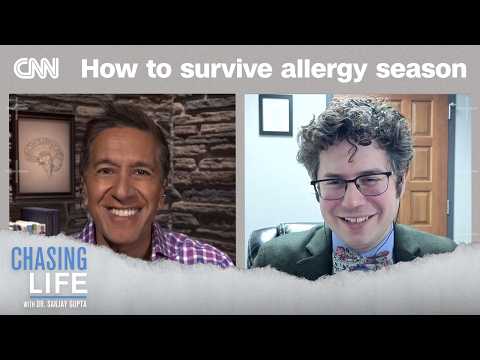
林宜悉 posted on 2026/03/20Ever wonder why allergies seem to be getting worse? This "Chasing Life" episode dives deep into the science behind allergies, from pollen to peanuts, and explains the complex factors involved. You'll pick up tons of useful vocabulary related to health and the environment, making it a practical watch for understanding everyday health concerns!
Learn this video on the APP!
The VoiceTube App has more in-depth practice for videos!