
also known as
US
UK
- Phrase
- Also called; alternatively named.
- Identified by another term; synonymous with.
A1Morearound the world
US /əˈraʊnd ði wɜrld/
UK /əˈraund ðə wɜː(r)ld/
- Phrase
- In or to many countries.
- In various places throughout the world.
A2Morearray
US /ə'reɪ/
UK /əˈreɪ/
- Noun
- A regular order or arrangement of things
- Transitive Verb
- To arrange things in a regular order
B2TOEICMoreasexual
US /eˈsɛkʃuəl/
UK /ˌeɪˈsekʃuəl/
- Adjective
- Without sexual organs; not involving sex
C1Moreat long last
US
UK
- Phrase
- After a long delay; finally.
A1Moreat the moment
US
UK
- Adverb
- At this time; now
A1Morebanana republic
US /bəˈnænə rɪˈpʌblɪk/
UK /bəˈnɑ:nə rɪˈpʌblɪk/
- other
- A small country with unstable politics and economic dependency.
C1Moreblind
US /blaɪnd/
UK /blaɪnd/
- Adjective
- Unable to see; with eyes that cannot see
- Lacking in judgment or awareness
- Transitive Verb
- To cause someone to lose the ability to see
- To be unable to see the truth about a situation
A2Morebrink
US /brɪŋk/
UK /brɪŋk/
- Noun
- Near to happening; on the verge of
B2Morecheck out
US /tʃɛk aʊt/
UK /tʃek aut/
- Phrase
- Phrasal Verb
- To find out information about something
- To take books out of a library
A1Moreclone
US /kloʊn/
UK /kləʊn/
- Transitive Verb
- To make an exact copy of a living thing
B2Morecome back
US /kʌm bæk/
UK /kʌm bæk/
- Phrasal Verb
- To reply to someone, often forcefully
- To be remembered
A1Moreconquest
US /ˈkɑ:ŋkwest/
UK /ˈkɒŋkwest/
- Noun (Countable/Uncountable)
- Land or a nation won or taken by force, an army
B2Moreconsume
US /kənˈsum/
UK /kən'sju:m/
- Transitive Verb
- To eat, drink, buy or use up something
- To take all your energy; focus the attention
A2TOEICMoreconsumer
US /kənˈsumɚ/
UK /kənˈsju:mə(r)/
- Countable Noun
- Person who buys goods or services
- An economic agent who uses goods and services.
- Adjective
- Relating to people who buy goods and services.
A2Morecontaminate
US /kənˈtæməˌnet/
UK /kənˈtæmɪneɪt/
- Transitive Verb
- To make impure by adding a harmful element
B2Morecrop
US /krɑp/
UK /krɒp/
- Noun (Countable/Uncountable)
- Plants grown on a farm for food, e.g. corn or rice
- Section of short, thick hair
- Transitive Verb
- To cut something to a shorter length or size
- To cut (something, especially hair) short.
B1Moredale
US /del/
UK /deɪl/
- Noun
- Area of low land between hills or mountains
- Proper Noun
- Person's name
B2Moredelicious
US /dɪˈlɪʃəs/
UK /dɪˈlɪʃəs/
- Adjective
- Very pleasing to eat; especially pleasing
B1TOEICMoredevastate
US /ˈdɛvəˌstet/
UK /'devəsteɪt/
- Transitive Verb
- To cause extensive destruction or ruin utterly
- To cause (someone) to feel extreme emotional pain.
B1Moredig into
US
UK
- Phrasal Verb
- To start eating food enthusiastically.
- To investigate or research something thoroughly.
B1Moredigest
US /daɪˈdʒest/
UK /daɪˈdʒest/
- Verb (Transitive/Intransitive)
- To convert food into energy in your stomach
- To think over facts, news etc.; take in information
- Noun
- A summary, as of the news
B2Moredisease
US /dɪˈziz/
UK /dɪˈzi:z/
- Noun (Countable/Uncountable)
- Illness that affects a person, animal, or plant
- A disorder of structure or function in a plant, especially one caused by a pathogen.
- Transitive Verb
- To affect with disease; to corrupt or sicken.
A2TOEICMorediverse
US /dɪˈvɚs, daɪ-, ˈdaɪˌvɚs/
UK /daɪˈvɜ:s/
- Adjective
- Being varied or different from each other
- Very different from each other
B1TOEICMoreexploit
US /ɪkˈsplɔɪt/
UK /ɪk'splɔɪt/
- Transitive Verb
- To selfishly take advantage of or treat badly
- To use something in a very effective manner
- Noun (Countable/Uncountable)
- Personal journey or series of events
- A bold or daring feat.
B1TOEICMorefavor
US /ˈfevɚ/
UK /'feɪvə/
- Noun
- Support or approval from people
- Small gift given out at a party
- Transitive Verb
- To prefer or promote over another
A2Morefix the problem
US
UK
- Transitive Verb
- To find a solution to a problem; to repair something that is broken.
A1Morefor free
US /fɔr fri/
UK /fɔ: fri:/
- Phrase
- Without charge; at no cost.
- Adjective
- Available without payment.
A2Morefragile
US /ˈfrædʒəl, -ˌaɪl/
UK /'frædʒaɪl/
- Adjective
- Easily affected, broken, or harmed
- Weak or delicate; easily damaged in health
B2TOEICMorefungus
US /ˈfʌŋɡəs/
UK /ˈfʌŋgəs/
- Noun (Countable/Uncountable)
- Plant, e.g. mushroom/mold, growing in damp places
B2Moregene
US /dʒin/
UK /dʒi:n/
- Noun
- Part of cell controlling development of a thing
B1Moregenetic
US /dʒəˈnɛtɪk/
UK /dʒəˈnetɪk/
- Adjective
- Of, relating to, or controlled by genes
- Relating to genes or heredity.
B1Moregenetically
US /dʒə'netɪklɪ/
UK /dʒə'netɪklɪ/
- Adverb
- Caused or controlled, or by genes
- By means of genes or genetic engineering.
B1Moregive up
US /ɡɪv ʌp/
UK /ɡiv ʌp/
- Phrasal Verb
- To lose hope or admit defeat
- To decide to not start to try solving a problem
- Verb Phrase
- to surrender an item; hand over an item
A1Morego bananas
US /ɡo bəˈnænəz/
UK /ɡəu bəˈnɑ:nəs/
- Intransitive Verb
- To become very excited or angry; to behave in a wild and uncontrolled way.
- To stop working correctly; to malfunction.
A1Morego on
US /ɡo ɑn/
UK /ɡəu ɔn/
- Phrasal Verb
- To continue doing something
- To happen (usually negative)
- Interjection
- Used to encourage someone
A1Moregoes well
US
UK
- Phrasal Verb
- To happen in the way desired
- Intransitive Verb
- To be successful or satisfactory; to turn out favorably.
- To be harmonious or matching; to look good together.
A1Moregrocery
US /'ɡroʊsərɪ/
UK /'ɡrəʊsərɪ/
- Uncountable Noun
- Daily foods such as flour, sugar, and tinned foods
- Countable Noun
- A store that sells food and household supplies.
B2TOEICMorehave to
US /hæv tu/
UK /ˈhæv tə/
- Auxiliary Verb
- Must do
A1Morein fact
US /ɪn fækt/
UK /in fækt/
- Adverb
- Used to emphasize the truth of a statement, especially one that contrasts with or contradicts something else.
- Used to introduce a more detailed or surprising piece of information.
- Phrase
- Used to emphasize the truth of a statement, especially one that is surprising or contrary to what might be expected.
C1Morein the world
US /ɪn ði wɜrld/
UK /in ðə wɜː(r)ld/
- Phrase
- Used to emphasize a question expressing surprise, confusion, disbelief
- Used to indicate the extent or degree of something, often in a superlative sense
A1Moreindustrial
US /ɪnˈdʌstriəl/
UK /ɪnˈdʌstriəl/
- Adjective
- Concerning making things in factories
- Noun
- A worker in industry.
- A company involved in industrial production.
A2Moreinstead of
US /ɪnˈstɛd ʌv/
UK /inˈsted ɔv/
- Preposition
- When one thing is replaced by another
- Adverb
- As a substitute or alternative.
A1Morelatin
US /ˈlætn/
UK /ˈlætɪn/
- Uncountable Noun
- Ancient Roman language affecting many languages
- Adjective
- Of or typical of a Spanish-speaking culture
C2Morelie in
US /lai ɪn/
UK /lai in/
- Phrasal Verb
- To stay in bed later than usual in the morning.
A2Moremodify
US /ˈmɑ:dɪfaɪ/
UK /ˈmɒdɪfaɪ/
- Transitive Verb
- To make minor change to something
B1Moremove to
US /muv tu/
UK /mu:v tu:/
- Phrasal Verb
- To change the place where you live or work.
- Verb (Transitive/Intransitive)
- To proceed to the next stage or action.
A2Moremyth
US /mɪθ/
UK /mɪθ/
- Noun (Countable/Uncountable)
- Popular belief that is false, unsupported by fact
- Famous story dealing with origins of a culture
B1Moreof course
US /ʌv kɔː(r)s/
UK /ɔv kɔː(r)s/
- Adverb
- Sure ; Certainly
- Phrase
- For sure; certainly
A2Moreon the market
US
UK
- Phrase
- Available for sale.
- Actively seeking employment.
A2Moreorganic
US /ɔrˈɡænɪk/
UK /ɔ:ˈgænɪk/
- Adjective
- Developing naturally and without a set structure
- Concerning food made with few or no chemicals
B1Moreout there
US /aʊt ðɛr/
UK /aut ðɛə/
- Adverb
- In or to a place that is far away
- Existing in the universe
- Adjective
- Unconventional; strange; avant-garde
- Existing or available.
A1Moreover to
US
UK
- Preposition
- Used to hand over to someone else to speak
- The responsibility is now yours
potassium
US /pəˈtæsiəm/
UK /pəˈtæsiəm/
- Uncountable Noun
- A common, soft, silvery white metal with many uses
- Potassium as a nutrient found in food.
B2Morepreference
US /ˈprɛfərəns, ˈprɛfrəns/
UK /ˈprefrəns/
- Noun (Countable/Uncountable)
- Something that is liked/wanted more than another
- Special consideration or advantage given to someone or something.
A2TOEICMorerace
US /res/
UK /reɪs/
- Noun (Countable/Uncountable)
- Speed contest between people, animals or vehicles
- People who share physical features or culture
- Intransitive Verb
- To take part in a running or swimming competition
- To move or go at a very fast pace
A2Morerefuse
US /ˈrefjus/
UK /rɪ'fju:z/
- Transitive Verb
- To not accept, allow, or give something
- Uncountable Noun
- Garbage, waste
A2TOEICMoreregulate
US /ˈrɛɡjəˌlet/
UK /ˈregjuleɪt/
- Transitive Verb
- To control something with rules or laws
- To set/adjust (a clock, etc.); restrict motion in
A2TOEICMorescience
US /ˈsaɪəns/
UK /'saɪəns/
- Uncountable Noun
- Study of the physical world, based on facts
A2TOEICMoresee in
US /si ɪn/
UK /si: in/
- Phrasal Verb
- To accompany someone to the entrance of a building or room.
A1Moreshatter
US /ˈʃætɚ/
UK /'ʃætə(r)/
- Verb (Transitive/Intransitive)
- To break into small pieces
B1Moreshout out
US /ʃaʊt aʊt/
UK /ʃaut aut/
- Noun
- A public expression of greeting or praise.
- Verb (Transitive/Intransitive)
- To publicly mention or acknowledge someone or something.
- To publicly acknowledge or thank someone.
A2Moreskepticism
US /ˈskɛptɪˌsɪzəm/
UK /'skeptɪsɪzəm/
- Uncountable Noun
- Doubting that something is true/probable/useful
C2Moresoil
US /sɔɪl/
UK /sɔɪl/
- Uncountable Noun
- Conditions in which something develops
- Mix of natural material in which plants grow
- Transitive Verb
- To get or become dirty
B1Moresoutheast
US /saʊθˈist, saʊˈist/
UK /ˌsaʊθ'i:st/
- Noun
- Location in the southeastern part of an area
B2Morespread
US /sprɛd/
UK /spred/
- Noun (Countable/Uncountable)
- A big meal, often laid out as a buffet
- The distance between two things
- Verb (Transitive/Intransitive)
- To place over a large area; to cover a large area
- (Of ideas, gossip) to pass to and affect others
A2TOEICMorestay up
US /ste ʌp/
UK /stei ʌp/
- Phrasal Verb
- To not go to bed until late
A1Morestrain
US /stren/
UK /streɪn/
- Transitive Verb
- To remove the water from (food) using a colander
- To injure a muscle, leg etc. by using it too much
- Noun (Countable/Uncountable)
- Injury to a muscle, leg etc. through overuse
- Type or variation of a disease or bacillus
B2Moretalking about
US
UK
- Phrasal Verb
- To discuss a particular topic.
- To be constantly mentioning or bringing up a subject.
A1Moretaste
US /test/
UK /teɪst/
- Uncountable Noun
- (Good) sense of style in clothes, art, or manners
- Flavor in your mouth from food or drink
- Verb (Transitive/Intransitive)
- To experience something
- To experience the flavor of food, drink
A2TOEICMoreto date
US /tu det/
UK /tu: deit/
- Phrase
- Up to the present time; until now.
- Verb (Transitive/Intransitive)
- To go out on romantic dates with someone.
C2Moretropical
US /ˈtrɑpɪkəl/
UK /ˈtrɒpɪkl/
- Adjective
- Hot and humid; near to the equator
- Very hot and humid
- Noun
- The tropical region of the earth
B1Morevirtually
US /ˈvɚtʃuəli/
UK /ˈvɜ:tʃuəli/
- Adverb
- In an almost complete or entire manner
B1Morewalk through
US /wɔk θru/
UK /wɔ:k θru:/
- Phrasal Verb
- To show someone carefully how to do something
A1Morewild
US /waɪld/
UK /waɪld/
- Adverb
- In a manner which lacks control
- Adjective
- Living in nature; not tame
- (Of land) not developed by people
A2Morewipe
US /waɪp/
UK /waɪp/
- Transitive Verb
- To clean or dry something with a cloth
- To spread a liquid on something
- Noun
- Act to clean or dry something with a cloth
A2Moreyogurt
US /ˈjoɡət/
UK /ˈjəʊgət/
- Noun (Countable/Uncountable)
- Custard-like food made from curdled milk
B2More
Vocabulary
- in the world: Used to emphasize a question expressing surprise, confusion, disbelief
- have to: Must do
- go on: To continue doing something
- go bananas: To become very excited or angry; to behave in a wild and uncontrolled way.
- see in: To accompany someone to the entrance of a building or room.
- also known as: Also called; alternatively named.
- instead of: When one thing is replaced by another
- goes well: To happen in the way desired
- banana republic: A small country with unstable politics and economic dependency.
- in fact: Used to emphasize the truth of a statement, especially one that contrasts with or contradicts something else.
- come back: To reply to someone, often forcefully
- out there: In or to a place that is far away
- check out
- walk through: To show someone carefully how to do something
- around the world: In or to many countries.
- at long last: After a long delay; finally.
- move to: To change the place where you live or work.
- talking about: To discuss a particular topic.
- at the moment: At this time; now
- of course: Sure ; Certainly
- on the market: Available for sale.
- give up: To lose hope or admit defeat
- lie in: To stay in bed later than usual in the morning.
- fix the problem: To find a solution to a problem; to repair something that is broken.
- shout out: A public expression of greeting or praise.
- over to: Used to hand over to someone else to speak
- dig into: To start eating food enthusiastically.
- to date: Up to the present time; until now.
- stay up: To not go to bed until late
- for free: Without charge; at no cost.
- term: Conditions applying to an agreement, contract
- grocery: Daily foods such as flour, sugar, and tinned foods
- fragile: Easily affected, broken, or harmed
- strain: To remove the water from (food) using a colander
- consume: To eat, drink, buy or use up something
- disease: Illness that affects a person, animal, or plant
- imagine: To think creatively about; form mental picture of
- spread: A big meal, often laid out as a buffet
- diverse: Being varied or different from each other
- virtually: In an almost complete or entire manner
- myth: Popular belief that is false, unsupported by fact
- exploit: To selfishly take advantage of or treat badly
- field: Area of study, such as physics or biology
- genetic: Of, relating to, or controlled by genes
- digest: To convert food into energy in your stomach
- regulate: To control something with rules or laws
- favor: Support or approval from people
- organic: Developing naturally and without a set structure
- race: Speed contest between people, animals or vehicles
- soil: Conditions in which something develops
- preference: Something that is liked/wanted more than another
- tropical: Hot and humid; near to the equator
- crop: Plants grown on a farm for food, e.g. corn or rice
- industrial: Concerning making things in factories
- devastate: To cause extensive destruction or ruin utterly
- array: A regular order or arrangement of things
- wild: In a manner which lacks control
- shatter: To break into small pieces
- brink: Near to happening; on the verge of
- important: Having power or authority
- science: Study of the physical world, based on facts
- genetically: Caused or controlled, or by genes
- wipe: To clean or dry something with a cloth
- fungus: Plant, e.g. mushroom/mold, growing in damp places
- skepticism: Doubting that something is true/probable/useful
- blind: Unable to see; with eyes that cannot see
- support: To give assistance or advice to someone
- consumer: Person who buys goods or services
- modify: To make minor change to something
- taste: (Good) sense of style in clothes, art, or manners
- contaminate: To make impure by adding a harmful element
- protect: To defend someone or something from harm or danger
- refuse: To not accept, allow, or give something
- change: To exchange one set of clothes for another
- land: Region or country
- potassium: A common, soft, silvery white metal with many uses
- grow: To get bigger and more mature; make plants do this
- make: To arrange or prepare something e.g. dinner
- start: First time or place that a thing exists; beginning
- world: All the humans, events, activities on the earth
- gene: Part of cell controlling development of a thing
- delicious: Very pleasing to eat; especially pleasing
- happen: To take place or occur
- report: Account of the necessary facts and information
- conquest: Land or a nation won or taken by force, an army
- move: To cause someone to have certain emotions
- clone: To make an exact copy of a living thing
- latin: Ancient Roman language affecting many languages
- yogurt: Custard-like food made from curdled milk
- southeast: Location in the southeastern part of an area
- asexual: Without sexual organs; not involving sex
- dale: Area of low land between hills or mountains
Get the full experience in the app
Learn anywhere with detailed sentence and usage analysis
01:03
She took a brave step forward, leaving behind her comfort zone to chase her dreams.
Vocabulary
- brave
adj. Having courage
- comfort zone
phr. A familiar situation where one feels safe
Explanation
a brave step is a noun phrase, where brave is an adjective modifying the noun step, meaning "a courageous step".
forward is an adverb modifying step, meaning "ahead".
The whole phrase serves as the object, answering the "what" of took (verb) — she took a brave step forward.
Get the full experience in the app
Look up words anytime with pronunciation, part of speech, and usage
brave
US/brev/
UK/breɪv/
adj.Brave
v.t.To bravely face
A2 Elementary
Get the full experience in the app
Practice speaking anytime and get instant pronunciation feedback
Try this speaking exercise.
Try practicing with this sentence.
80
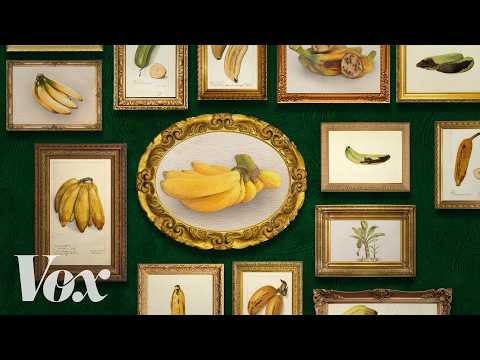
The most interesting fruit in the world could go extinct
0
林宜悉 posted on 2026/03/12Did you know the Cavendish banana, the kind you probably eat every day, could be heading for extinction? This fascinating video dives into the history of bananas, the threat of Panama disease, and why farmers are so worried. You'll pick up some advanced vocabulary related to agriculture and biology while learning about this amazing fruit!
Learn this video on the APP!
The VoiceTube App has more in-depth practice for videos!