
achieve
US /əˈtʃiv/
UK /ə'tʃi:v/
- Transitive Verb
- To succeed in doing good, usually by working hard
- To succeed in reaching a particular goal, status, or standard, often after effort or perseverance.
A2TOEICMoreanswer to
US
UK
- Phrasal Verb
- To be responsible to someone and have to explain your actions to them.
- To correspond to or match a description or requirement.
A1Morearound the world
US /əˈraʊnd ði wɜrld/
UK /əˈraund ðə wɜː(r)ld/
- Phrase
- In or to many countries.
- In various places throughout the world.
A2Moreat least
US /æt list/
UK /æt li:st/
- Adverb
- As a minimum
- Not less than
- Phrase
- No less than; at the minimum
- Used to indicate that something is positive in a bad situation.
C2Moreat risk
US
UK
- Phrase
- In danger; likely to be harmed
at the same time
US
UK
- Phrase
- Simultaneously; at the identical moment.
- Nevertheless; however; used to introduce a contrasting or qualifying statement.
A1Moreat work
US /æt wɚk/
UK /æt wə:k/
- Phrase
- Located at one's place of employment
A1Morebaboon
US /bæˈbun/
UK /bəˈbu:n/
- Countable Noun
- Large African monkey that has large teeth
B2Morebarrier
US /ˈbæriɚ/
UK /'bærɪə(r)/
- Noun
- Difficult situation preventing something happening
- Structure or object that stops free movement
B1TOEICMorebest known
US
UK
- Adjective
- Most widely or popularly recognized, famous, or familiar.
A1Morebuffalo
US /ˈbʌfəloʊ/
UK /ˈbʌfələʊ/
- Noun (Countable/Uncountable)
- Wild animal with horns similar to a large cow
B2Morebuzz off
US
UK
- Phrasal Verb
- Go away; leave me alone (rude)
A2Moreby contrast
US /baɪ ˈkɑntræst/
UK /bai ˈkɔntræst/
- Phrase
- Used to introduce an idea or situation that is very different from one you have just mentioned.
B2Morecarbon
US /ˈkɑrbən/
UK /'kɑ:bən/
- Uncountable Noun
- Chemical element with an atomic number of 6
B1Morecoal
US /kol/
UK /kəʊl/
- Uncountable Noun
- Dark hard substance from the earth burnt as a fuel
- The industry involved in the mining and distribution of coal.
- Countable Noun
- A single piece of coal.
A2Moreconnected with
US
UK
- Phrase
- Related to; associated with.
- Involved with; having a relationship with.
- Phrasal Verb
- Was associated or linked to someone or something.
- Felt understanding or empathy with someone or something.
B1Morecope with
US /kop wɪð/
UK /kəup wið/
- Phrasal Verb
- To deal successfully with a difficult situation.
A1Morecrown of thorns
US
UK
- Noun
- A symbolic crown made of thorny branches, associated with the Passion of Christ.
- A succulent plant (Euphorbia milii) with a thorny stem and colorful bracts.
culinary
US /ˈkjuləˌnɛri,ˈkʌlə-/
UK /ˈkʌlɪnəri/
- Adjective
- Concerned with cooking
B2Moreculture
US /ˈkʌltʃɚ/
UK /'kʌltʃə(r)/
- Noun (Countable/Uncountable)
- Beliefs and customs of a particular group
- The customs, beliefs, art, and all the other things that a group of people share and consider important.
- Transitive Verb
- To grow cells, tissues, bacteria, etc. in a controlled environment.
A2Moredioxide
US /daɪˈɑksaɪd/
UK /daɪˈɒksaɪd/
- Noun
- An oxide containing two oxides per molecule
B2Moredisinfect
US /ˌdɪsɪnˈfɛkt/
UK /ˌdɪsɪn'fekt/
- Transitive Verb
- To remove bacteria by cleaning
C1Morediversity
US /dɪˈvə:sɪti, daɪ-/
UK /daɪ'vɜ:sətɪ/
- Noun (Countable/Uncountable)
- Having a range of different races, ideas etc.
- A range of different things.
B1TOEICMoredue to
US /du tu/
UK /dju: tu:/
- Preposition
- Because of; owing to
- Adjective
- Attributable to; caused by.
A1Moredynamic
US /daiˈnæmik/
UK /daɪˈnæmɪk/
- Adjective
- Always active or energetic; getting things done
B1TOEICMorefactor in
US /ˈfæktɚ ɪn/
UK /ˈfæktə in/
- Phrasal Verb
- To include something as an important element when making a decision or calculation.
B2Morefood culture
US
UK
- Noun (Countable/Uncountable)
- The practices, attitudes, and beliefs as well as the networks and institutions surrounding the production, distribution, preparation, and consumption of food.
- The culinary traditions and practices specific to a region or community.
for Africa
US /fɚ ˈæfrɪkə/
UK /fə ˈæfrɪkə/
- other
- Intended specifically for the continent of Africa.
B2Morefor example
US
UK
- Phrase
- As an illustration or instance.
for now
US /fɔr naʊ/
UK /fɔ: nau/
- Phrase
- Temporarily; for the present time.
- In the short term; for the immediate future.
A1Morefrom a distance
US
UK
- Phrase
- Not close; far away.
B1Moregeneration
US /ˌdʒɛnəˈreʃən/
UK /ˌdʒenəˈreɪʃn/
- Noun (Countable/Uncountable)
- Act or process of producing or causing something
- People born and living at about the same time
A2TOEICMoreget back to
US /ɡɛt bæk tu/
UK /ɡet bæk tu:/
- Phrasal Verb
- To get in contact with someone again
- To return to someone or something; to respond at a later time.
A1Moregiraffe
US /dʒəˈræf/
UK /dʒəˈrɑ:f/
- Noun (Countable/Uncountable)
- Tall African animal with very long neck and legs
C1Moreglobal
US /ˈgloʊbl/
UK /ˈgləʊbl/
- Adjective
- Concerning, involving, affecting all of something
- Of, affecting, or involving the entire world
A2TOEICMorego ahead
US /ɡo əˈhɛd/
UK /ɡəu əˈhed/
- Phrasal Verb
- To start an activity; start doing, working etc.
- To give permission to do something
- Intransitive Verb
- To start or proceed with something
- To proceed despite potential obstacles or doubts.
A1Morego back to
US /ɡo bæk tu/
UK /ɡəu bæk tu:/
- Phrasal Verb
- To return to a starting point
A1Morego on
US /ɡo ɑn/
UK /ɡəu ɔn/
- Phrasal Verb
- To continue doing something
- To happen (usually negative)
- Interjection
- Used to encourage someone
A1Moregot to
US /ɡɑt tu/
UK /gɔt tu:/
- Verb (Transitive/Intransitive)
- To arrive at some place
- To have the opportunity or permission to do something
- Phrasal Verb
- To appeal to the emotions of; move
- To finally begin to start something after a delay
A1Moregraffiti
US /ɡrəˈfiti/
UK /grəˈfi:ti/
- Noun (Countable/Uncountable)
- Writings and drawings on walls, often rude, funny
- The activity of writing or drawing graffiti.
- Transitive Verb
- To create graffiti on something.
B2Morehabitat
US /ˈhæbɪˌtæt/
UK /'hæbɪtæt/
- Noun (Countable/Uncountable)
- Natural place where a plant or animal lives
B1Morehave to
US /hæv tu/
UK /ˈhæv tə/
- Auxiliary Verb
- Must do
A1Moreheritage
US /ˈhɛrɪtɪdʒ/
UK /'herɪtɪdʒ/
- Noun (Countable/Uncountable)
- Traditional beliefs or customs of a culture
B1Morehome in
US /ˈhoʊm ɪn/
UK /ˈhəum ɪn/
- other
- Move or direct toward a specific target or goal.
B2Moreimpact
US /ˈɪmˌpækt/
UK /'ɪmpækt/
- Noun
- A striking effect or result to hit with force
- Act or force of one thing hitting something else
- Verb (Transitive/Intransitive)
- To hit or strike someone or something with force
- To have a strong effect on someone or something.
A2TOEICMorein fact
US /ɪn fækt/
UK /in fækt/
- Adverb
- Used to emphasize the truth of a statement, especially one that contrasts with or contradicts something else.
- Used to introduce a more detailed or surprising piece of information.
- Phrase
- Used to emphasize the truth of a statement, especially one that is surprising or contrary to what might be expected.
C1Morein little
US /ɪn ˈlɪtl/
UK /in ˈlɪtl/
- other
- To a small extent; insignificantly.
C2Morein need
US /ɪn nid/
UK /in ni:d/
- Phrase
- Not having the necessary things, such as food
A1Morein order to
US /ɪn ˈɔrdɚ tu/
UK /in ˈɔ:də tu:/
- Preposition
- For the purpose of; with the aim of.
- Phrase
- In a specific sequence or arrangement.
- With the aim of; for the purpose of.
C1Morein other words
US
UK
- Phrase
- Stating something in a different way, often to make it clearer or more understandable.
in parallel
US /ɪn ˈpærəˌlɛl/
UK /in ˈpærəlel/
- Adverb
- Done at the same time; simultaneously.
- Adjective
- Relating to a system where multiple operations are carried out simultaneously, especially in computing.
C2Morein the neighbourhood of
US /ɪn ðə ˈneɪbɚˌhʊd ʌv/
UK /in ðə ˈneibəhʊd ɔv/
- other
- Approximately or about a certain amount or distance.
B2Morein the space of
US /ɪn ðə ˈspeɪs ʌv/
UK /in ðə ˈspeis ɔv/
- Preposition
- Within a certain period of time.
B2Morein the world
US /ɪn ði wɜrld/
UK /in ðə wɜː(r)ld/
- Phrase
- Used to emphasize a question expressing surprise, confusion, or disbelief.
- Used to indicate the extent or degree of something, often in a superlative sense.
A1Moreinto space
US
UK
- Phrase
- Toward or entering the region beyond Earth's atmosphere.
- Figuratively, entering a realm of imagination or abstraction.
A1Moreirresponsible
US /ˌɪrɪˈspɑ:nsəbl/
UK /ˌɪrɪˈspɒnsəbl/
- Adjective
- Acting without thinking of the consequences
A2Morejellyfish
US /ˈdʒɛliˌfɪʃ/
UK /ˈdʒelifɪʃ/
- Noun (Countable/Uncountable)
- Soft-bodied sea animal, as with stinging tentacles
C2Moreleopard
US /ˈlɛpəd/
UK /'lepəd/
- Countable Noun
- Large cat with short fur and black spots
B2Morelion
US /ˈlaɪən/
UK /ˈlaɪən/
- Noun (Countable/Uncountable)
- Large wild cats from Africa and south Asia
B1Morelocal communities
US
UK
- Noun (plural)
- Groups of people living in the same area or having particular characteristics in common.
- Neighborhoods or districts where people share social connections and common interests.
B2Morelook back
US /lʊk bæk/
UK /luk bæk/
- Phrasal Verb
- To think about past events
A1Moremainstream
US /ˈmenˌstrim/
UK /ˈmeɪnstri:m/
- Noun
- Prevailing current of thought
- Adjective
- considered normal, and having or using ideas, beliefs, etc. that are accepted by most people
- Considered normal because it reflects what is done or accepted by most people
C2Morememory
US /ˈmɛməri/
UK /'memərɪ/
- Noun (Countable/Uncountable)
- Ability of the mind to call back past things
- Space for the storage of information on a computer
A2Moremining
US /ˈmaɪnɪŋ/
UK /ˈmaɪnɪŋ/
- Transitive Verb
- To place a bomb in the ground or the sea
- To dig into the earth or sea to obtain minerals
- Uncountable Noun
- Act of digging to get coal, gold, silver etc.
B2Moremove beyond
US
UK
- Phrasal Verb
- To go past or exceed a limit, boundary, or set of expectations.
B2Moremove on
US /muv ɑn/
UK /mu:v ɔn/
- Phrasal Verb
- To decide to change or go to a different place
- To start talking about something different.
A1Morename for
US
UK
- Phrasal Verb
- To give someone or something a particular name, often in honor of someone else.
A1Moreof the century
US /ʌv ðə ˈsɛnʧəri/
UK /əv ðə ˈsenʧəri/
- other
- The most notable or important in a hundred-year period.
B2Moreon earth
US /ɑn ɚθ/
UK /ɔn ə:θ/
- Phrase
- Used to emphasize a question expressing surprise or anger.
- Used to emphasize that something is not possible or will not happen.
A1Moreon sunday
US
UK
- Phrase
- Every Sunday; each Sunday.
- Referring to a particular Sunday.
A1Moreon to
US /ɑn tu/
UK /ɔn tu:/
- Preposition
- Toward something; forward
- Aware of someone's activities.
- Adjective
- Aware of someone's deception or illegal activities.
A1Moreout of time
US /aʊt ʌv taɪm/
UK /aut ɔv taim/
- Adjective
- Having no more time available to do something.
A1Moreoutside of
US /aʊtˈsaɪd ʌv/
UK /ˌautˈsaid ɔv/
- Preposition
- Located or situated beyond the boundaries or confines of something.
- Beyond the scope, range, or limits of something.
A1Moreoverdrive
US /ˈoʊvərdraɪv/
UK /ˈəʊvədraɪv/
- Noun
- Extra gear on a vehicle that allows more power
C1Moreparallel
US /ˈpærəˌlɛl/
UK /'pærəlel/
- Verb (Transitive/Intransitive)
- To be equal to, or like, something else
- To compare
- Noun (Countable/Uncountable)
- A line on a map a set distance from the equator
- A similarity; a comparison.
B1Morepetrify
US /ˈpɛtrəˌfaɪ/
UK /ˈpetrɪfaɪ/
- Verb (Transitive/Intransitive)
- To be very afraid or paralysed with terror
- To convert into stone or a stony substance
C2TOEICMorepositive impact
US
UK
- Noun
- A beneficial or advantageous effect.
- Adjective
- Having a beneficial or advantageous effect.
B1Morepreservation
US /ˈprɛzɚ'veʃən/
UK /ˌprezəˈveɪʃn/
- Uncountable Noun
- Keeping something in a good, undamaged state
B1Morequiz question
US
UK
- Countable Noun
- A question asked in a quiz to test someone's knowledge.
A2Morerather than
US
UK
- Adverb
- More exactly; more correctly
- Preferably; instead
- Preposition
- Instead of
A1Morereef
US /rif/
UK /ri:f/
- Noun (Countable/Uncountable)
- Line of rocks or sand at the surface of the ocean
- Rolling up sail to make it smaller in strong winds
- Transitive Verb
- To roll up sail to make it smaller in strong winds
B2Moreresilience
US /rɪˈzɪljəns/
UK /rɪˈzɪliəns/
- Uncountable Noun
- Ability to recover quickly from something bad
- The capacity to withstand or recover quickly from difficulties; toughness.
B2TOEICMorereveal
US /rɪˈvil/
UK /rɪ'vi:l/
- Transitive Verb
- To show something that was hidden before
A2TOEICMorerob
US /rɑb/
UK /rɒb/
- Proper Noun
- Person's name
- Transitive Verb
- To steal money or property from (bank or person)
- To prevent from getting something deserved
A2Morerun by
US
UK
- Phrasal Verb
- To be managed or controlled by someone or a group.
- To show or tell something to someone briefly to get their opinion or approval.
A1Moresafari
US /səˈfɑri/
UK /səˈfɑ:ri/
- Noun
- Tour to watch animals in their natural environment
B2Moresame time
US
UK
- Phrase
- Occurring simultaneously or at the same point in time.
- At the identical time as before; recurring at a fixed hour.
- Noun
- An equal duration or period.
A1Morescale
US /skel/
UK /skeɪl/
- Noun (Countable/Uncountable)
- Size, level, or amount when compared
- Small hard plates that cover the body of fish
- Verb (Transitive/Intransitive)
- To change the size of but keep the proportions
- To climb something large (e.g. a mountain)
A2TOEICMoresource
US /sɔrs, sors/
UK /sɔ:s/
- Noun (Countable/Uncountable)
- Piece of information; a person giving information
- Place from which something necessary comes
- Adjective
- Produces or provides what is wanted or needed
A2TOEICMoresuch as
US /sʌtʃ æz/
UK /sʌtʃ æz/
- Preposition
- For example; like
A1Moresustainable
US /səˈsteɪnəbl/
UK /səˈsteɪnəbl/
- Adjective
- Capable of continuing for a long time
- Able to be maintained without running out of
B2Moretalk the talk
US /tɔk ði tɔk/
UK /tɔ:k ðə tɔ:k/
- Verb (Transitive/Intransitive)
- To make claims or boast about one's abilities or intentions.
- To speak with great confidence and authority.
A1Moretalking about
US
UK
- Phrasal Verb
- To discuss a particular topic.
- To be constantly mentioning or bringing up a subject.
A1Morethink about
US /θɪŋk əˈbaʊt/
UK /θiŋk əˈbaut/
- Phrasal Verb
- To consider something carefully.
- To remember or call to mind.
A1Morethreat to
US
UK
- Phrase
- A person or thing likely to cause damage or danger.
- A statement of an intention to inflict pain, injury, damage, or other hostile action on someone in retribution for or opposition to something done or not done.
B2Moretiger
US /ˈtaɪɡɚ/
UK /ˈtaɪgə(r)/
- Countable Noun
- Large wild cat with orange fur and black lines
B1Moretime flies
US /taɪm flaɪz/
UK /taim flaɪz/
- Idiom
- Used to express that time seems to pass very quickly.
A1Moretourist
US /ˈtʊrɪst/
UK /ˈtʊərɪst/
- Countable Noun
- Someone who travels to a place for pleasure
A2Morevacuum
US /ˈvækjuəm, -jum, -jəm/
UK /'vækjʊəm/
- Noun (Countable/Uncountable)
- Space with absolutely no air in it
- Cleaning machine with engine that sucks up dirt
- Transitive Verb
- To clean (a floor) using a sucking machine
- To seal something in a vacuum.
B1Morevisual
US /ˈvɪʒuəl/
UK /'vɪʒʊəl/
- Adjective
- Of or relating to vision
- Noun
- Pictures/images used to help audience understand
- A picture, map, piece of film, or other visual representation.
A2Morevocabulary
US /voˈkæbjəˌlɛri/
UK /və'kæbjələrɪ/
- Uncountable Noun
- Words that have to do with a particular subject
- The words that a person knows
B1TOEICMorewalk through
US /wɔk θru/
UK /wɔ:k θru:/
- Phrasal Verb
- To show someone carefully how to do something
A1Morewild
US /waɪld/
UK /waɪld/
- Adverb
- In a manner which lacks control
- Adjective
- Living in nature; not tame
- (Of land) not developed by people
A2Morewilderness
US /ˈwɪldənɪs/
UK /'wɪldənəs/
- Noun (Countable/Uncountable)
- Rural area left natural and largely untouched
B1Morewildlife
US /ˈwaɪldˌlaɪf/
UK /ˈwaɪldlaɪf/
- Uncountable Noun
- All wild animals
B1Morework in
US /wɚk ɪn/
UK /wə:k in/
- Phrasal Verb
- To make an opening for something in your schedule
- To fit person/thing into a schedule or sequence
A1More
Vocabulary
- talking about: To discuss a particular topic.
- on earth: Used to emphasize a question expressing surprise or anger.
- such as: For example; like
- for example: As an illustration or instance.
- answer to: To be responsible to someone and have to explain your actions to them.
- threat to: A person or thing likely to cause damage or danger.
- at the same time: Simultaneously; at the identical moment.
- same time: Occurring simultaneously or at the same point in time.
- due to: Because of; owing to
- around the world: In or to many countries.
- quiz question: A question asked in a quiz to test someone's knowledge.
- work in: To make an opening for something in your schedule
- rather than: More exactly; more correctly
- factor in: To include something as an important element when making a decision or calculation.
- have to: Must do
- in parallel: Done at the same time; simultaneously.
- connected with: Related to; associated with.
- into space: Toward or entering the region beyond Earth's atmosphere.
- get back to: To get in contact with someone again
- go on: To continue doing something
- think about: To consider something carefully.
- go back to: To return to a starting point
- out of time: Having no more time available to do something.
- in need: Not having the necessary things, such as food
- at risk: In danger; likely to be harmed
- go ahead: To start an activity; start doing, working etc.
- move beyond: To go past or exceed a limit, boundary, or set of expectations.
- in order to: For the purpose of; with the aim of.
- talk the talk: To make claims or boast about one's abilities or intentions.
- move on: To decide to change or go to a different place
- cope with: To deal successfully with a difficult situation.
- crown of thorns: A symbolic crown made of thorny branches, associated with the Passion of Christ.
- positive impact: A beneficial or advantageous effect.
- from a distance: Not close; far away.
- local communities: Groups of people living in the same area or having particular characteristics in common.
- outside of: Located or situated beyond the boundaries or confines of something.
- run by: To be managed or controlled by someone or a group.
- at least: As a minimum
- in other words: Stating something in a different way, often to make it clearer or more understandable.
- name for: To give someone or something a particular name, often in honor of someone else.
- for Africa: Intended specifically for the continent of Africa.
- by contrast: Used to introduce an idea or situation that is very different from one you have just mentioned.
- for now: Temporarily; for the present time.
- at work: Located at one's place of employment
- time flies: Used to express that time seems to pass very quickly.
- in the space of: Within a certain period of time.
- look back: To think about past events
- on sunday: Every Sunday; each Sunday.
- got to: To arrive at some place
- buzz off: Go away; leave me alone (rude)
- walk through: To show someone carefully how to do something
- in the neighbourhood of: Approximately or about a certain amount or distance.
- home in: Move or direct toward a specific target or goal.
- in the world: Used to emphasize a question expressing surprise, confusion, or disbelief.
- best known: Most widely or popularly recognized, famous, or familiar.
- of the century: The most notable or important in a hundred-year period.
- in little: To a small extent; insignificantly.
- food culture: The practices, attitudes, and beliefs as well as the networks and institutions surrounding the production, distribution, preparation, and consumption of food.
- on to: Toward something; forward
- in fact: Used to emphasize the truth of a statement, especially one that contrasts with or contradicts something else.
- resilience: Ability to recover quickly from something bad
- reveal: To show something that was hidden before
- vocabulary: Words that have to do with a particular subject
- scale: Size, level, or amount when compared
- impact: A striking effect or result to hit with force
- sustainable: Capable of continuing for a long time
- achieve: To succeed in doing good, usually by working hard
- describe: To tell the appearance, sound, smell of something
- dynamic: Always active or energetic; getting things done
- barrier: Difficult situation preventing something happening
- environment: Natural world in which plants and animals live
- culinary: Concerned with cooking
- increase: To make or become larger in size or amount
- heritage: Traditional beliefs or customs of a culture
- brain: To strike someone forcefully on the head
- diversity: Having a range of different races, ideas etc.
- parallel: To be equal to, or like, something else
- generation: Act or process of producing or causing something
- visual: Of or relating to vision
- vacuum: Space with absolutely no air in it
- habitat: Natural place where a plant or animal lives
- source: Piece of information; a person giving information
- culture: Beliefs and customs of a particular group
- dioxide: An oxide containing two oxides per molecule
- wild: In a manner which lacks control
- carbon: Chemical element with an atomic number of 6
- mainstream: Prevailing current of thought
- learn: To get knowledge or skills by study or experience
- programme: A plan or schedule of events
- adjective: A word that describes a noun, e.g. happy
- antarctica: An extremely cold continent at the south pole almost entirely below the Antarctic Circle; covered by an ice cap up to , feet deep
- program: To make someone act or think in a certain way
- natural: Being as one would expect; being usual or normal
- coal: Dark hard substance from the earth burnt as a fuel
- memory: Ability of the mind to call back past things
- great: Very good; better than before
- step: Movement done as part of a particular dance
- question: To ask for or try to get information
- disinfect: To remove bacteria by cleaning
- graffiti: Writings and drawings on walls, often rude, funny
- minute: Notes taken at a meeting to record what was said
- mining: To place a bomb in the ground or the sea
- world: All the humans, events, activities on the earth
- tourist: Someone who travels to a place for pleasure
- irresponsible: Acting without thinking of the consequences
- global: Concerning, involving, affecting all of something
- reef: Line of rocks or sand at the surface of the ocean
- overdrive: Extra gear on a vehicle that allows more power
- rob: Person's name
- safari: Tour to watch animals in their natural environment
- wilderness: Rural area left natural and largely untouched
- leopard: Large cat with short fur and black spots
- preservation: Keeping something in a good, undamaged state
- wildlife: All wild animals
- giraffe: Tall African animal with very long neck and legs
- buffalo: Wild animal with horns similar to a large cow
- jellyfish: Soft-bodied sea animal, as with stinging tentacles
- baboon: Large African monkey that has large teeth
- petrify: To be very afraid or paralysed with terror
- lion: Large wild cats from Africa and south Asia
- tiger: Large wild cat with orange fur and black lines
Get the full experience in the app
Learn anywhere with detailed sentence and usage analysis
01:03
She took a brave step forward, leaving behind her comfort zone to chase her dreams.
Vocabulary
- brave
adj. Having courage
- comfort zone
phr. A familiar situation where one feels safe
Explanation
a brave step is a noun phrase, where brave is an adjective modifying the noun step, meaning "a courageous step".
forward is an adverb modifying step, meaning "ahead".
The whole phrase serves as the object, answering the "what" of took (verb) — she took a brave step forward.
Get the full experience in the app
Look up words anytime with pronunciation, part of speech, and usage
brave
US/brev/
UK/breɪv/
adj.Brave
v.t.To bravely face
A2 Elementary
Get the full experience in the app
Practice speaking anytime and get instant pronunciation feedback
Try this speaking exercise.
Try practicing with this sentence.
80
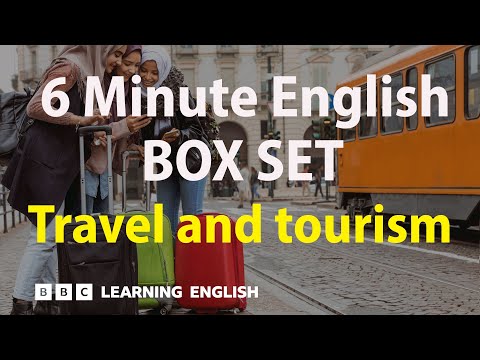
BOX SET: 6 Minute English - 'Travel and tourism' English mega-class!
0
mq735112 posted on 2026/01/26Ever wondered about the unique challenges of visiting places like the Antarctic or the Great Barrier Reef? This mega-class from BBC Learning English dives into 'Travel and tourism' with fascinating insights and essential vocabulary you can use every day. You'll pick up advanced terms and practice situational dialogues, making your English learning an adventure!
Learn this video on the APP!
The VoiceTube App has more in-depth practice for videos!