
ability
US /əˈbɪlɪti/
UK /ə'bɪlətɪ/
- Noun (Countable/Uncountable)
- The power, resources or skill to do something
- A particular skill or talent.
A2TOEICMoreanxiety
US /æŋˈzaɪɪti/
UK /æŋ'zaɪətɪ/
- Uncountable Noun
- A feeling of worry, nervousness, or unease about something that might happen, especially when the outcome is uncertain.
B1Moreany sort of
US
UK
- Determiner
- Any kind of; any type of
- Phrase
- Somewhat; to some extent
A2Morebased on
US
UK
- Phrasal Verb
- To use something as the foundation or starting point for something else.
- Preposition
- Using something as the main idea or foundation.
- Relying on something as evidence or justification.
A1Morebuildup
US /'bɪldˌʌp/
UK /'bɪldˌʌp/
- Noun
- Making people feel excited about some new event
C2Morebutton
US /ˈbʌtn/
UK /'bʌtn/
- Noun (Countable/Uncountable)
- Small round piece material used to fasten clothing
- Switch activated by pressing
- Transitive Verb
- To fasten e.g. a shirt, coat
- To suppress or restrain (feelings, etc.).
A2TOEICMorebuzz
US /bʌz/
UK /bʌz/
- Noun (Countable/Uncountable)
- Low pitched sound similar to the sound bees make
- Intransitive Verb
- To make a low, constant noise like a bee
B1Moreby virtue of
US /baɪ ˈvɚtʃu ʌv/
UK /bai ˈvə:tju: ɔv/
- Phrase
- By reason of; because of.
C2Morecaffeine
US /kæˈfin, ˈkæfˌin, ˈkæfiɪn/
UK /ˈkæfi:n/
- Uncountable Noun
- Substance in coffee, etc. that keeps you awake
- The amount of caffeine in a substance.
B2Morechest
US /tʃɛst/
UK /tʃest/
- Noun (Countable/Uncountable)
- Strong, lidded container for storing things
- Front of the body between neck and stomach
A2Morecognitive
US /ˈkɑɡnɪtɪv/
UK /ˈkɒgnətɪv/
- Adjective
- The process of knowing and remembering
- Relating to the ability to think and reason.
C1Morecontract in
US /ˈkɑntrækt ɪn/
UK /ˈkɒntrækt ɪn/
- other
- To formally engage someone by contract.
C2Morecontribute
US /kənˈtrɪbjut/
UK /kən'trɪbju:t/
- Verb (Transitive/Intransitive)
- To be a factor in causing something to happen
- To donate, give (money) or help to something
A2Moredecrease
US /dɪˈkris/
UK /dɪˈkri:s/
- Verb (Transitive/Intransitive)
- To reduce the size, amount or number of something
- Uncountable Noun
- Amount by which something has been reduced
B1TOEICMoredepend
US /dɪˈpend/
UK /dɪˈpend/
- Verb (Transitive/Intransitive)
- Be controlled or determined by (someone/something)
- To rely on someone or something for support, help, or existence.
B1TOEICMoredepersonalization
US
UK
- Uncountable Noun
- Condition of a loss of personal identity
C1Moredisorder
US /dɪsˈɔrdɚ/
UK /dɪs'ɔ:də(r)/
- Uncountable Noun
- State of confusion or a lack of organization
- Illness when the body is not functioning well
- Transitive Verb
- To disrupt the order or arrangement of something.
B2Moreemotion
US /ɪˈmoʃən/
UK /iˈməuʃən/
- Noun (Countable/Uncountable)
- A feeling such as sadness, anger or love
- A mental state that arises spontaneously rather than through conscious effort
A2Moreescalate
US /ˈɛskəˌlet/
UK /ˈeskəleɪt/
- Verb (Transitive/Intransitive)
- To increase in size, intensity, or scope
- To become much worse or more severe
B2Morefeel like
US
UK
- Intransitive Verb
- To have a desire or inclination for something.
- To have a particular quality or sensation; resemble.
A1Morefor days
US /fɔr dez/
UK /fɔ: deɪz/
- Phrase
- For a long period of time; lasting several days.
for the rest
US /fɔr ði rɛst/
UK /fɔ: ðə rest/
- Phrase
- Concerning the remaining people or things.
- During the remaining part of a period of time.
A1Morefunction
US /ˈfʌŋkʃən/
UK /'fʌŋkʃn/
- Noun
- Social event, or party such as a wedding
- Mathematical operation used in calculations
- Intransitive Verb
- To serve a certain purpose or role
- To be operating, working or achieving its purpose
A2TOEICMoregenetic
US /dʒəˈnɛtɪk/
UK /dʒəˈnetɪk/
- Adjective
- Of, relating to, or controlled by genes
- Relating to genes or heredity.
B1Morego on
US /ɡo ɑn/
UK /ɡəu ɔn/
- Phrasal Verb
- To continue doing something
- To happen (usually negative)
- Interjection
- Used to encourage someone
A1Moreheadache
US /ˈhed.eɪk/
UK /ˈhed.eɪk/
- Noun (Countable/Uncountable)
- Pain in the head
- Something that causes worry or annoyance.
B2Moreillness
US /ˈɪlnɪs/
UK /ˈɪlnəs/
- Uncountable Noun
- Unhealthy condition of the mind or body
- A particular instance or type of disease.
A2Moreimpair
US /ɪmˈpɛr/
UK /ɪm'peə(r)/
- Transitive Verb
- To damage or weaken something
B2TOEICMorein a state
US
UK
- Phrase
- In a particular condition or situation.
- In an emotional condition, often negative (e.g., panic, distress).
B2Morein danger
US /ɪn ˈdendʒɚ/
UK /in ˈdeindʒə/
- Phrase
- Exposed to the risk of harm, injury, or loss.
- At risk of experiencing something negative or harmful.
A1Morein mind
US /ɪn maɪnd/
UK /in maind/
- Phrase
- Being aware of or considering something.
- To remember or consider something.
A2Morein order to
US /ɪn ˈɔrdɚ tu/
UK /in ˈɔ:də tu:/
- Preposition
- For the purpose of; with the aim of.
- Phrase
- In a specific sequence or arrangement.
- With the aim of; for the purpose of.
C1Morein the way
US /ɪn ði we/
UK /in ðə wei/
- Phrase
- Obstructing someone or something; hindering progress.
- Stored or placed so as to be available or ready when needed.
A1Morelicense
US /ˈlaɪsəns/
UK /ˈlaɪsns/
- Transitive Verb
- To give official permission to do something
- Uncountable Noun
- Freedom to do what you want or act as you want
B1TOEICMoremakeup
US /ˈmekˌʌp/
UK /'meɪkʌp/
- Uncountable Noun
- Substance put on the face to make you look pretty
- The way in which something is formed or composed.
- Transitive Verb
- To invent or fabricate something.
- To compensate for something.
B2Moremedication
US /ˌmɛdɪˈkeʃən/
UK /ˌmedɪˈkeɪʃn/
- Noun (Countable/Uncountable)
- Substance to relieve pain or cure sickness
B2Moremeditation
US /ˌmɛdɪˈteʃən/
UK /ˌmedɪ'teɪʃn/
- Noun (Countable/Uncountable)
- Act of deep and quiet thinking
- The practice of focusing one's mind for a period of time.
B2Morenausea
US /ˈnɔziə, -ʒə, -siə, -ʃə/
UK /ˈnɔ:ziə/
- Uncountable Noun
- Feeling of sickness so that you feel like vomiting
- A feeling of revulsion; disgust.
B2Morenecessarily
US /ˌnɛsɪˈsɛrəli, -ˈsɛr-/
UK /ˌnesəˈserəli/
- Adverb
- In a way that is needed/required/is unavoidable
A2TOEICMoreof a sudden
US
UK
- Phrase
- Quickly and unexpectedly; suddenly.
B2Moreoutsider
US /aʊtˈsaɪdɚ/
UK /ˌaʊtˈsaɪdə(r)/
- Noun
- Someone who is not part of or accepted in a group
B1Morepanic
US /ˈpænɪk/
UK /'pænɪk/
- Uncountable Noun
- Overwhelming feeling of fear and anxiety
- Intransitive Verb
- To feel sudden anxiety and fear and cannot think
B1Moreperceive
US /pɚˈsiv/
UK /pə'si:v/
- Transitive Verb
- To notice or become aware of something
- To think of someone or something in a certain way
B1TOEICMorephysical
US /ˈfɪzɪkəl/
UK /ˈfɪzɪkl/
- Countable Noun
- Health check at the doctors' or hospital
- Adjective
- Concerning the body of a person
- Concerning things that can be seen or touched
A2Morephysiological
US /ˌfɪziəˈlɑdʒɪkəl/
UK /ˌfɪzɪə'lɒdʒɪkl/
- Adjective
- Of or relating to functions of the body
- Consistent with the normal functioning of an organism.
B1Morepress
US /prɛs/
UK /pres/
- Noun
- Machine using pressure to shape, flatten, squeeze
- General term for TV, radio, newspapers
- Transitive Verb
- To make clothes smooth using a heated iron; iron
- To repeatedly ask someone to do something
A2TOEICMoreprovoke
US /prəˈvoʊk/
UK /prəˈvəʊk/
- Transitive Verb
- To deliberately annoy to make someone aggressive
B2TOEICMorepsychotherapy
US /ˌsaɪkoʊˈθerəpi/
UK /ˌsaɪkəʊˈθerəpi/
- Uncountable Noun
- Therapy for the mind
C1Morerelieve
US /rɪˈliv/
UK /rɪ'li:v/
- Transitive Verb
- To make less boring by making some change
- To replace workers with others
B1Moreresponse
US /rɪˈspɑns/
UK /riˈspɔns/
- Noun
- Something said/written as an answer to something
- Reaction to something that has occurred
A2TOEICMoreshallow
US /ˈʃælo/
UK /'ʃæləʊ/
- Adjective
- Not deep; short from top to bottom
- Lacking interest in serious things; superficial
B1TOEICMorestay away
US /ste əˈwe/
UK /stei əˈwei/
- Phrasal Verb
- To keep a distance from something or someone; to avoid approaching.
- To remain absent from a place or event.
C2Morestimulant
US /ˈstɪmjələnt/
UK /ˈstɪmjələnt/
- Noun
- Drug that increases physical or mental activity
B2Morestomach
US /ˈstʌmək/
UK /'stʌmək/
- Noun
- Place in the body where food is processed
- Verb (Transitive/Intransitive)
- to be able to accept something unpleasant
A2Morestress
US / strɛs/
UK /stres/
- Transitive Verb
- To emphasize one or more parts of a word, sentence
- To put pressure on something or someone
- Noun (Countable/Uncountable)
- Emphasis on part of a word or sentence
- Pressure on something or someone
A2TOEICMoresubconscious
US /sʌbˈkɑnʃəs/
UK /ˌsʌbˈkɒnʃəs/
- Adjective
- Occurring in the mind without direct thinking
B1Moretherapist
US /ˈθɛrəpɪst/
UK /ˈθerəpɪst/
- Noun (Countable/Uncountable)
- Person skilled in a particular type of therapy
B2Morethink about
US /θɪŋk əˈbaʊt/
UK /θiŋk əˈbaut/
- Phrasal Verb
- To consider something carefully.
- To remember or call to mind.
A1Morethreat
US /θrɛt/
UK /θret/
- Noun
- Warning of probable trouble
- A warning that you may be harmed
A2TOEICMoretight
US /taɪt/
UK /taɪt/
- Adjective
- Showing anxiety or anger; tense
- Positioned physically close together
- Adverb
- Firmly; so it can't move
A2TOEICMoretrigger
US /ˈtrɪɡɚ/
UK /'trɪɡə(r)/
- Noun
- Lever on a gun that you pull to fire
- Device that starts a process
- Transitive Verb
- To start a process off e.g. a memory
- To cause something to begin or happen.
B1Moreuncertainty
US /ʌnˈsə:tn:ti/
UK /ʌn'sɜ:tntɪ/
- Uncountable Noun
- Feeling of not really knowing what will happen
- Lack of confidence; doubt.
B2TOEICMorevirtue
US /ˈvɜ:rtʃu:/
UK /'vɜ:tʃu:/
- Noun (Countable/Uncountable)
- Benefit, advantage, or good result of something
- Morally good quality
B1More
Vocabulary
- think about: To consider something carefully.
- feel like: To have a desire or inclination for something.
- based on: To use something as the foundation or starting point for something else.
- go on: To continue doing something
- of a sudden: Quickly and unexpectedly; suddenly.
- in danger: Exposed to the risk of harm, injury, or loss.
- in the way: Obstructing someone or something; hindering progress.
- for days: For a long period of time; lasting several days.
- stay away: To keep a distance from something or someone; to avoid approaching.
- in mind: Being aware of or considering something.
- in a state: In a particular condition or situation.
- for the rest: Concerning the remaining people or things.
- contract in: To formally engage someone by contract.
- in order to: For the purpose of; with the aim of.
- by virtue of: By reason of; because of.
- any sort of: Any kind of; any type of
- anxiety: A feeling of worry, nervousness, or unease about something that might happen, especially when the outcome is uncertain.
- cognitive: The process of knowing and remembering
- perceive: To notice or become aware of something
- meditation: Act of deep and quiet thinking
- trigger: Lever on a gun that you pull to fire
- physical: Health check at the doctors' or hospital
- panic: Overwhelming feeling of fear and anxiety
- experience: Thing a person has done or that happened to them
- disorder: State of confusion or a lack of organization
- anxious: Afraid of what may happen; worried and nervous
- sense: Certain mental feeling or emotion
- necessarily: In a way that is needed/required/is unavoidable
- fear: Unpleasant feeling caused by being aware of danger
- stress: To emphasize one or more parts of a word, sentence
- contribute: To be a factor in causing something to happen
- ability: The power, resources or skill to do something
- nausea: Feeling of sickness so that you feel like vomiting
- function: Social event, or party such as a wedding
- genetic: Of, relating to, or controlled by genes
- response: Something said/written as an answer to something
- therapist: Person skilled in a particular type of therapy
- virtue: Benefit, advantage, or good result of something
- compare: To consider how similar and different things are
- threat: Warning of probable trouble
- impair: To damage or weaken something
- illness: Unhealthy condition of the mind or body
- subconscious: Occurring in the mind without direct thinking
- shallow: Not deep; short from top to bottom
- nervous: Concerning the system of nerves in the body
- reason: To think and make conclusions in a logical manner
- chest: Strong, lidded container for storing things
- caffeine: Substance in coffee, etc. that keeps you awake
- press: Machine using pressure to shape, flatten, squeeze
- social: Involving activity with people, e.g. in free time
- activity: An action or task, e.g. sports, washing clothes
- stomach: Place in the body where food is processed
- buzz: Low pitched sound similar to the sound bees make
- lot: What happens to a person in life from chance; fate
- depend: Be controlled or determined by (someone/something)
- emotion: A feeling such as sadness, anger or love
- escalate: To increase in size, intensity, or scope
- relieve: To make less boring by making some change
- physiological: Of or relating to functions of the body
- uncertainty: Feeling of not really knowing what will happen
- tight: Showing anxiety or anger; tense
- decrease: To reduce the size, amount or number of something
- system: Set of organized, planned ideas that work together
- button: Small round piece material used to fasten clothing
- stimulant: Drug that increases physical or mental activity
- program: To make someone act or think in a certain way
- provoke: To deliberately annoy to make someone aggressive
- wrong: Action that is harmful, unjust or illegal
- worse: Comparative of 'bad'; more bad
- afraid: Worried that something bad will happen; scared
- medication: Substance to relieve pain or cure sickness
- license: To give official permission to do something
- makeup: Substance put on the face to make you look pretty
- headache: Pain in the head
- psychotherapy: Therapy for the mind
- buildup: Making people feel excited about some new event
- outsider: Someone who is not part of or accepted in a group
- depersonalization: Condition of a loss of personal identity
Get the full experience in the app
Learn anywhere with detailed sentence and usage analysis
01:03
She took a brave step forward, leaving behind her comfort zone to chase her dreams.
Vocabulary
- brave
adj. Having courage
- comfort zone
phr. A familiar situation where one feels safe
Explanation
a brave step is a noun phrase, where brave is an adjective modifying the noun step, meaning "a courageous step".
forward is an adverb modifying step, meaning "ahead".
The whole phrase serves as the object, answering the "what" of took (verb) — she took a brave step forward.
Get the full experience in the app
Look up words anytime with pronunciation, part of speech, and usage
brave
US/brev/
UK/breɪv/
adj.Brave
v.t.To bravely face
A2 Elementary
Get the full experience in the app
Practice speaking anytime and get instant pronunciation feedback
Try this speaking exercise.
Try practicing with this sentence.
80
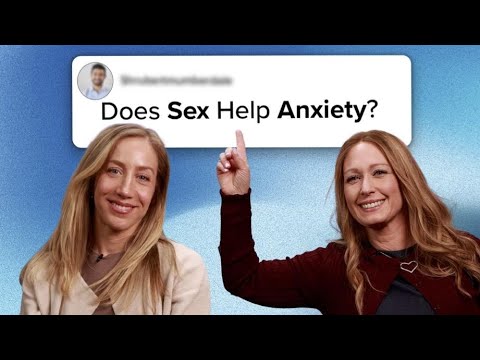
Therapists Answer the Internet’s Most Googled Questions About Anxiety
0
林宜悉 posted on 2026/01/22Ever wondered what therapists *really* think about anxiety? This video dives into the internet's most Googled questions about anxiety, panic attacks, and coping strategies, giving you practical advice you can use daily. You'll pick up advanced vocabulary and hear real-life situational dialogues that make learning feel natural and engaging!
Learn this video on the APP!
The VoiceTube App has more in-depth practice for videos!