
accelerate
US /ækˈsɛləˌret/
UK /əkˈseləreɪt/
- Transitive Verb
- To cause to occur earlier than expected
- To increase the speed or rate of something
B1TOEICMoreamplify
US /ˈæmpləˌfaɪ/
UK /'æmplɪfaɪ/
- Transitive Verb
- To increase the effect of something
- To add more details to a story or something said
B2Morearound the world
US /əˈraʊnd ði wɜrld/
UK /əˈraund ðə wɜː(r)ld/
- Phrase
- In or to many countries.
- In various places throughout the world.
A2Moreat a time
US /æt e taɪm/
UK /æt ə taim/
- Phrase
- Separately; one by one
- Simultaneously; together
A1Moreback then
US
UK
- Phrase
- At that time in the past.
A1Morecapacity
US /kəˈpæsɪti/
UK /kə'pæsətɪ/
- Noun (Countable/Uncountable)
- Ability to hold, involve or contain (e.g. liquids)
- Largest amount of something that can be produced
B1Morechallenge
US /ˈtʃæləndʒ/
UK /'tʃælɪndʒ/
- Noun (Countable/Uncountable)
- An activity you wish to try that may be hard to do
- Act of formally inviting someone to compete
- Transitive Verb
- To formally invite someone to compete at something
- To question the correctness of something
A2Morechannel
US /ˈtʃænəl/
UK /'tʃænl/
- Noun (Countable/Uncountable)
- Long hole dug in the ground, e.g. to move water
- TV or radio station or its programs
- Transitive Verb
- To dig a long hole for carrying water
- To send (e.g. money) to a certain place or person
B1Moreclinical
US /ˈklɪnɪkəl/
UK /ˈklɪnɪkl/
- Adjective
- Concerning the treatment or observing patients
- Using scientific techniques and precision
B1Morecome back
US /kʌm bæk/
UK /kʌm bæk/
- Phrasal Verb
- To reply to someone, often forcefully
- To be remembered
A1Morecome onto
US
UK
- Phrasal Verb
- To approach someone with romantic intentions
A1Morecompensate
US /ˈkɑ:mpenseɪt/
UK /ˈkɒmpenseɪt/
- Transitive Verb
- To give (money) to as a form of correcting a loss
- To reduce or counteract (something unwelcome or unpleasant); offset.
A2Moreconcept
US /ˈkɑnˌsɛpt/
UK /'kɒnsept/
- Noun (Countable/Uncountable)
- Abstract idea of something or how it works
- A plan or intention; a conception.
A2TOEICMoreconjunction
US /kənˈdʒʌŋkʃən/
UK /kənˈdʒʌŋkʃn/
- Noun
- Combination of things or events
- Word that joins parts of a sentence, e.g. 'and'
B1Morecope
US /koʊp/
UK /kəʊp/
- Verb (Transitive/Intransitive)
- To deal with something in spite of difficulties
A2Morecouple
US /ˈkʌpəl/
UK /'kʌpl/
- Transitive Verb
- To join something to something else
- (Two animals) to engage in sexual relations
- Noun (Countable/Uncountable)
- Two people in a romantic relationship
- Two of something; two people; a pair
A2Morecure
US /kjʊr/
UK /kjʊə(r)/
- Noun
- Something that solves a problem or makes it better
- Medical treatment making a sick person healthy
- Transitive Verb
- To fix or improve a problem
- To make someone healthy or make a disease go away
B1Moredaunt
US /dɔnt, dɑnt/
UK /dɔ:nt/
- Transitive Verb
- To make someone feel less courageous or confident
B2TOEICMoredeliberately
US /dɪˈlɪbərɪtlɪ/
UK /dɪˈlɪbərətli/
- Adverb
- In a careful, considered manner; on purpose
- Purposely; on purpose
B2TOEICMoredepending on
US
UK
- Phrasal Verb
- To rely on for support (financial or emotional)
- Influenced or determined by.
- Preposition
- Subject to; contingent on
- Relying on someone or something for support or assistance.
A2Moredescend
US /dɪˈsɛnd/
UK /dɪˈsend/
- Intransitive Verb
- To go down; to move from a higher to a lower place
B1Moredilute
US /daɪˈlut, dɪ-/
UK /daɪˈlu:t/
- Transitive Verb
- To make something weaker or less efficient
B2Moredisease
US /dɪˈziz/
UK /dɪˈzi:z/
- Noun (Countable/Uncountable)
- Illness that affects a person, animal, or plant
- A disorder of structure or function in a plant, especially one caused by a pathogen.
- Transitive Verb
- To affect with disease; to corrupt or sicken.
A2TOEICMoreethical
US /ˈɛθɪkəl/
UK /ˈeθɪkl/
- Adjective
- Morally right; following principles of goodness
B1Morefigure out
US /ˈfɪɡjɚ aʊt/
UK /ˈfiɡə aut/
- Phrasal Verb
- To understand the behavior of someone
- To think through logically to find a solution
- Verb (Transitive/Intransitive)
- To understand or find an answer to something.
- To find a solution to a problem or understand something.
A1Morefit into
US /fɪt ˈɪntu/
UK /fit ˈɪntuː/
- Phrasal Verb
- To be small enough to go inside something.
- To feel like you belong to a group.
A2Moreflu
US /flu/
UK /flu:/
- Noun (Countable/Uncountable)
- Illness causing headache, fever etc.
- A specific instance or bout of influenza.
B2Morefound out
US
UK
- Phrasal Verb
- To learn or discover something, often after some effort.
- To become known; be revealed.
B2Morefunction
US /ˈfʌŋkʃən/
UK /'fʌŋkʃn/
- Noun
- Social event, or party such as a wedding
- Mathematical operation used in calculations
- Intransitive Verb
- To serve a certain purpose or role
- To be operating, working or achieving its purpose
A2TOEICMoregrow up
US /ɡro ʌp/
UK /ɡrəu ʌp/
- Phrasal Verb
- To develop from a child into an adult
A1Morehave to
US /hæv tu/
UK /ˈhæv tə/
- Auxiliary Verb
- Must do
A1Morein conjunction with
US /ɪn kənˈdʒʌŋkʃən wɪð/
UK /in kənˈdʒʌŋkʃən wið/
- Phrase
- Together with; along with
A1Morein person
US /ɪn ˈpɜːrsn/
UK /in ˈpɜːsn/
- Adverb
- Physically present; not by proxy or remotely.
- Face-to-face; not through electronic communication.
A1Morein use
US /ɪn juz/
UK /in ju:z/
- Adjective
- Being used at the present time.
A2Moreinoculate
US /ɪ'nɑ:kjʊleɪt/
UK /ɪ'nɒkjʊleɪt/
- Transitive Verb
- To inject a disease to build up immunity to it
C2Moreinvolve
US /ɪnˈvɑlv/
UK /ɪn'vɒlv/
- Transitive Verb
- To have or be included as a part of something
- To cause (a person or group) to take part in an event or activity.
A2TOEICMoremake for
US /mek fɔr/
UK /meik fɔ:/
- Phrasal Verb
- To go to or toward something/someone for a reason
- To result in; cause
A1Moreminimum
US /ˈmɪnəməm/
UK /ˈmɪnɪməm/
- Noun (Countable/Uncountable)
- Smallest degree or level that is acceptable
- The lowest recorded or expected temperature.
- Adjective
- Smallest or lowest; the least possible.
- Using or requiring the least possible resources.
B1TOEICMoreof course
US /ʌv kɔː(r)s/
UK /ɔv kɔː(r)s/
- Adverb
- Sure ; Certainly
- Phrase
- For sure; certainly
A2Moreoutcome
US /ˈaʊtˌkʌm/
UK /ˈaʊtkʌm/
- Noun
- Something that happens as a result, consequence
A2Morepharmaceutical
US /ˌfɑ:rməˈsu:tɪkl/
UK /ˌfɑ:məˈsu:tɪkl/
- Adjective
- Concerning the science of drugs and medicines
B2Morephysical
US /ˈfɪzɪkəl/
UK /ˈfɪzɪkl/
- Countable Noun
- Health check at the doctors' or hospital
- Adjective
- Concerning the body of a person
- Concerning things that can be seen or touched
A2Moreplacebo
US /pləˈsibo/
UK /plə'si:bəʊ/
- Noun
- Harmless pill for comparison in trial of new drug
B2Morequarantine
US /ˈkwɔrənˌtin, ˈkwɑr-/
UK /'kwɒrənti:n/
- Transitive Verb
- To isolate ill people to prevent disease spreading
- Noun (Countable/Uncountable)
- The place to isolate sick plants, animals
C1Morerecruit
US /rɪˈkrut/
UK /rɪ'kru:t/
- Countable Noun
- Person who has just joined the military
- Person who has just begun a new activity or job
- Transitive Verb
- To convince and help people to join the military
- To find new employees, volunteers or members
B1TOEICMoreresearch
US /rɪˈsɚtʃ, ˈriˌsɚtʃ/
UK /rɪ'sɜ:tʃ/
- Verb (Transitive/Intransitive)
- To study in order to discover new ideas and facts
- To study the market relating to marketing products and services.
- Noun (Countable/Uncountable)
- Study done to discover new ideas and facts
- A particular area or topic of study.
A2TOEICMorerespiratory
US /ˈrɛspərəˌtɔri, -ˌtori, rɪˈspaɪrə-/
UK /ˈrespərəˌtɔ:ri:, -ˌtəʊri:, rɪˈspaɪərə-/
- Adjective
- (Medical) concerning breathing
- Having the function of respiration.
- Noun
- The branch of medicine concerned with the organs of respiration.
- The system of organs involved in breathing.
C1Morereverse
US /rɪˈvɚs/
UK /rɪ'vɜ:s/
- Noun
- Setting that makes the vehicle go backward
- Instance of a significant change, for the worse
- Verb (Transitive/Intransitive)
- To drive a vehicle backward
- To change to an opposite state, way or condition
B1TOEICMorescientific
US /ˌsaɪənˈtɪfɪk/
UK /ˌsaɪənˈtɪfɪk/
- Adjective
- Concerning academic study of the physical world
- Systematic and precise, following a methodology.
- Noun
- Relating to or used in science.
A2Morestraightforward
US /stretˈfɔrwəd/
UK /ˌstreɪtˈfɔ:wəd/
- Adjective
- Easy to do or understand; not complicated
- Honest and open; not trying to hide anything.
B1TOEICMoreswab
US /swɑb/
UK /swɒb/
- Transitive Verb
- To wipe or clean with water or a mop
- Noun
- a small piece of soft material used for cleaning a cut or for taking a small amount of substance from a body, or the substance itself that can then be tested
C1Moretissue
US /ˈtɪʃu/
UK /ˈtɪʃu:/
- Noun (Countable/Uncountable)
- Substance formed by cells of living thing; flesh
- Kind of thin, light paper used to pack objects
A2Moretrial
US /ˈtraɪəl, traɪl/
UK /ˈtraɪəl/
- Noun (Countable/Uncountable)
- Hearing and judgment of a case in court
- Act or process of testing or experimenting
- Transitive Verb
- To be made or done as a test or experiment
A2TOEICMoretypical
US /ˈtɪpɪkəl/
UK /ˈtɪpɪkl/
- Adjective
- Normal; usual; expected
- Serving as a representative example of a particular type.
A2Moretypically
US /ˈtɪpɪklɪ/
UK /ˈtɪpɪkli/
- Adverb
- In a normal or usual way
B1Moreunit
US /ˈjunɪt/
UK /ˈju:nɪt/
- Countable Noun
- One apartment in a building
- Group of people, e.g. soldiers, that work together
B2TOEICMorevaccine
US /vækˈsin,ˈvækˌsin/
UK /'væksi:n/
- Noun (Countable/Uncountable)
- Shot using weak disease cells to stop same disease
- A preparation of weakened or killed microorganisms, or of antigenic proteins derived from them, used to induce protective immunity in animals.
B2Moreviral
US /ˈvaɪrəl/
UK /ˈvaɪrəl/
- Adjective
- Of or caused by a virus
- Becoming very popular by circulating quickly from person to person, especially through the Internet.
B2Morevirus
US /ˈvaɪrəs/
UK /'vaɪrəs/
- Noun
- File secretly put on computers to cause harm
- Living organism that causes disease or sickness
B1Morevolunteer
US /ˌvɑlənˈtɪr/
UK /ˌvɒlən'tɪə(r)/
- Adjective
- Working willingly without pay to help others
- Countable Noun
- Person who helps others without being paid
- A person who enters military service voluntarily.
B2TOEICMorevulnerable
US /ˈvʌlnərəbəl/
UK /ˈvʌlnərəbl/
- Adjective
- Being open to attack or damage
- Being easily harmed, hurt, or wounded
B1More
Vocabulary
- of course: Sure ; Certainly
- make for: To go to or toward something/someone for a reason
- come back: To reply to someone, often forcefully
- fit into: To be small enough to go inside something.
- at a time: Separately; one by one
- in use: Being used at the present time.
- come onto: To approach someone with romantic intentions
- in conjunction with: Together with; along with
- in person: Physically present; not by proxy or remotely.
- around the world: In or to many countries.
- back then: At that time in the past.
- found out: To learn or discover something, often after some effort.
- figure out: To understand the behavior of someone
- have to: Must do
- grow up: To develop from a child into an adult
- depending on: To rely on for support (financial or emotional)
- vulnerable: Being open to attack or damage
- physical: Health check at the doctors' or hospital
- deliberately: In a careful, considered manner; on purpose
- concept: Abstract idea of something or how it works
- typically: In a normal or usual way
- common: Area in a city or town that is open to everyone
- capacity: Ability to hold, involve or contain (e.g. liquids)
- expect: To believe something is probably going to happen
- respiratory: (Medical) concerning breathing
- straightforward: Easy to do or understand; not complicated
- disease: Illness that affects a person, animal, or plant
- amount: Quantity of something
- research: To study in order to discover new ideas and facts
- environment: Natural world in which plants and animals live
- trial: Hearing and judgment of a case in court
- viral: Of or caused by a virus
- cope: To deal with something in spite of difficulties
- contract: To become ill as a result of getting a disease
- reverse: Setting that makes the vehicle go backward
- quarantine: To isolate ill people to prevent disease spreading
- function: Social event, or party such as a wedding
- similar: Nearly the same; alike
- compensate: To give (money) to as a form of correcting a loss
- typical: Normal; usual; expected
- vaccine: Shot using weak disease cells to stop same disease
- challenge: An activity you wish to try that may be hard to do
- involve: To have or be included as a part of something
- scientific: Concerning academic study of the physical world
- drop: Distance between a higher and a lower level
- outcome: Something that happens as a result, consequence
- couple: To join something to something else
- risk: To do something potentially dangerous or foolish
- clinical: Concerning the treatment or observing patients
- tissue: Substance formed by cells of living thing; flesh
- accelerate: To cause to occur earlier than expected
- produce: Fresh foods such as fruits and vegetables
- cure: Something that solves a problem or makes it better
- leave: To go away from; depart
- recruit: Person who has just joined the military
- ethical: Morally right; following principles of goodness
- receive: To get something someone has given or sent to you
- placebo: Harmless pill for comparison in trial of new drug
- channel: Long hole dug in the ground, e.g. to move water
- offer: Price you say you are willing to pay for something
- amplify: To increase the effect of something
- volunteer: Working willingly without pay to help others
- protect: To defend someone or something from harm or danger
- dilute: To make something weaker or less efficient
- virus: File secretly put on computers to cause harm
- conjunction: Combination of things or events
- minimum: Smallest degree or level that is acceptable
- descend: To go down; to move from a higher to a lower place
- pharmaceutical: Concerning the science of drugs and medicines
- part: Division of a book
- healthy: In good condition physically, or financially; well
- swab: To wipe or clean with water or a mop
- unit: One apartment in a building
- flu: Illness causing headache, fever etc.
- daunt: To make someone feel less courageous or confident
- inoculate: To inject a disease to build up immunity to it
Get the full experience in the app
Learn anywhere with detailed sentence and usage analysis
01:03
She took a brave step forward, leaving behind her comfort zone to chase her dreams.
Vocabulary
- brave
adj. Having courage
- comfort zone
phr. A familiar situation where one feels safe
Explanation
a brave step is a noun phrase, where brave is an adjective modifying the noun step, meaning "a courageous step".
forward is an adverb modifying step, meaning "ahead".
The whole phrase serves as the object, answering the "what" of took (verb) — she took a brave step forward.
Get the full experience in the app
Look up words anytime with pronunciation, part of speech, and usage
brave
US/brev/
UK/breɪv/
adj.Brave
v.t.To bravely face
A2 Elementary
Get the full experience in the app
Practice speaking anytime and get instant pronunciation feedback
Try this speaking exercise.
Try practicing with this sentence.
80
The people who get paid to get sick
0
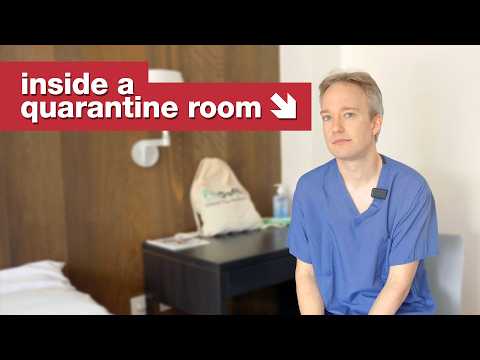
林宜悉 posted on 2026/01/18Ever wondered how scientists test new vaccines super fast? This video dives into the fascinating world of human challenge trials, where volunteers are intentionally exposed to viruses like RSV to speed up research! You'll pick up some advanced vocabulary related to medical research and ethical debates, all explained with clear, simple sentences.
Learn this video on the APP!
The VoiceTube App has more in-depth practice for videos!