
aboriginal
US /ˌæbəˈrɪdʒənəl/
UK /ˌæbəˈrɪdʒənl/
- Adjective
- Relating to people originally living in a country
B2Moreabundant
US /əˈbʌndənt/
UK /əˈbʌndənt/
- Adjective
- Being in very great supply; plentiful
B2TOEICMoreabundant in
US
UK
- Adjective
- Present in great quantity; plentiful in.
- Well-supplied with something.
acknowledge
US /ækˈnɑlɪdʒ/
UK /ək'nɒlɪdʒ/
- Transitive Verb
- To say you have received a letter, gift, etc.
- To say you accept the truth or value of something
A2Morealso known as
US
UK
- Phrase
- Also called; alternatively named.
- Identified by another term; synonymous with.
A1Moreancient
US /ˈenʃənt/
UK /'eɪnʃənt/
- Adjective
- Very old; having lived a very long time ago
- Relating to a period in history, especially in the distant past.
- Noun
- A person who lived in ancient times.
A2Moreancient history
US
UK
- Uncountable Noun
- The study of the distant past, from the earliest humans through the first great civilizations.
- Events from the distant past, especially those concerning the early civilizations.
apart from
US /əˈpɑrt frʌm/
UK /əˈpɑ:t frɔm/
- Preposition
- Except for; not considering
- In addition to; as well as
at the latest
US
UK
- Phrase
- No later than; by the specified deadline.
A1Morebehind the eight ball
US /bɪˈhaɪnd ði eɪt bɔl/
UK /bɪˈhaɪnd ði eɪt bɔ:l/
- other
- In a difficult or disadvantageous position.
B2Morebreak from
US
UK
- Phrasal Verb
- To separate oneself from an association or way of life, typically due to disagreement or disillusionment.
A1Morebreed
US /brid/
UK /bri:d/
- Noun
- Kind of / sort of
- Particular kind of animal, e.g. a Labrador dog
- Verb (Transitive/Intransitive)
- To create situations for a (bad) thing to happen
- To produce baby animals of specific kinds
A2Morecease
US /sis/
UK /si:s/
- Verb (Transitive/Intransitive)
- To come or bring to an end; stop continuing
B1Morecollection
US /kəˈlɛkʃən/
UK /kəˈlekʃn/
- Noun (Countable/Uncountable)
- Act of asking for money for a debt or a charity
- Group of similar things gathered as a hobby
A2Morecome back
US /kʌm bæk/
UK /kʌm bæk/
- Phrasal Verb
- To reply to someone, often forcefully
- To be remembered
A1Morecommunity
US /kəˈmjunɪti/
UK /kə'mju:nətɪ/
- Noun (Countable/Uncountable)
- Group of people who share a common idea or area
- A feeling of fellowship with others, as a result of sharing common attitudes, interests, and goals.
- Adjective
- Relating to or shared by the people in a particular area.
- Shared or participated in by all members of a group
A2Moreconfirm
US /kənˈfɜ:rm/
UK /kənˈfɜ:m/
- Transitive Verb
- To formally approve or check something
- To provide evidence to establish the truth of
A2Morecradle
US /ˈkredl/
UK /ˈkreɪdl/
- Countable Noun
- Small bed for a baby, with rockers and sides
- Transitive Verb
- To hold (a child) protectively in your arms
B2Moreculture
US /ˈkʌltʃɚ/
UK /'kʌltʃə(r)/
- Noun (Countable/Uncountable)
- Beliefs and customs of a particular group
- The customs, beliefs, art, and all the other things that a group of people share and consider important.
- Transitive Verb
- To grow cells, tissues, bacteria, etc. in a controlled environment.
A2Moredate back
US /det bæk/
UK /deit bæk/
- Intransitive Verb
- To have existed since a particular time in the past.
- Phrasal Verb
- To have originated at a certain time in the past.
A1Morediscomfort
US /dɪsˈkʌmfərt/
UK /dɪsˈkʌmfət/
- Transitive Verb
- To cause to feel uncomfortable or not at ease
- Uncountable Noun
- Feelings of being uncomfortable or uneasy
B2Moredorm
US /dɔrm/
UK /dɔ:m/
- Countable Noun
- College building with rooms that students live in
B2Moreegregious
US /ɪˈɡridʒəs, -dʒiəs/
UK /ɪˈgri:dʒiəs/
- Adjective
- Conspicuously or outrageously bad or contemptible
C1TOEICMoreepisode
US /ˈɛpɪˌsod/
UK /'epɪsəʊd/
- Noun
- One separate event in a series of events
- Show which is part of a larger story
B1TOEICMoreerase
US /ɪˈreɪs/
UK /ɪˈreɪz/
- Transitive Verb
- To remove data in computer memory, tape, etc.
- To remove written information by mistake
B2TOEICMoreexplore
US /ɪkˈsplɔr/
UK /ɪk'splɔ:(r)/
- Transitive Verb
- To examine something in detail to learn about it
- To travel to a place to discover more about it
A2TOEICMorefactual
US
UK
- Adjective
- Involving or being based upon evidence
B1Morefeel like
US
UK
- Intransitive Verb
- To have a desire or inclination for something.
- To have a particular quality or sensation; resemble.
A1Morefor the rest
US /fɔr ði rɛst/
UK /fɔ: ðə rest/
- Phrase
- Concerning the remaining people or things.
- During the remaining part of a period of time.
A1Moreforcibly
US /ˈfɔ:rsəbli/
UK /ˈfɔ:səbli/
- Adverb
- Using physical strength, power, or violence
B1Moregather
US /ˈɡæðɚ/
UK /ˈgæðə(r)/
- Transitive Verb
- To bring objects together into one place
- To collect foods such as wild berries or crops
- Noun
- Fold in cloth, as in a full skirt
A2TOEICMoregeneration
US /ˌdʒɛnəˈreʃən/
UK /ˌdʒenəˈreɪʃn/
- Noun (Countable/Uncountable)
- Act or process of producing or causing something
- People born and living at about the same time
A2TOEICMoreget back to
US /ɡɛt bæk tu/
UK /ɡet bæk tu:/
- Phrasal Verb
- To get in contact with someone again
- To return to someone or something; to respond at a later time.
A1Moreget here
US
UK
- Intransitive Verb
- To arrive at a specific location.
A1Morego out
US /ɡo aʊt/
UK /ɡəu aut/
- Phrase
- To leave a building (e.g. a house)
- Phrasal Verb
- (Of a fire) to burn out; be extinguished
- Go out of fashion to stop being fashionable
A1Moregot to
US /ɡɑt tu/
UK /gɔt tu:/
- Verb (Transitive/Intransitive)
- To arrive at some place
- To have the opportunity or permission to do something
- Phrasal Verb
- To appeal to the emotions of; move
- To finally begin to start something after a delay
A1Morehave to
US /hæv tu/
UK /ˈhæv tə/
- Auxiliary Verb
- Must do
A1Moreimmerse
US /ɪˈmɜ:rs/
UK /ɪˈmɜ:s/
- Transitive Verb
- To put something in liquid until it is covered
- Verb (Transitive/Intransitive)
- To become completely involved in something
B1Morein fact
US /ɪn fækt/
UK /in fækt/
- Adverb
- Used to emphasize the truth of a statement, especially one that contrasts with or contradicts something else.
- Used to introduce a more detailed or surprising piece of information.
- Phrase
- Used to emphasize the truth of a statement, especially one that is surprising or contrary to what might be expected.
C1Morein terms of
US
UK
- Phrase
- With regard to; concerning a particular aspect.
A1Morein the middle of
US
UK
- Phrase
- In the central part or point of something.
- Engaged or occupied with something.
A2Moreindigenous
US /ɪnˈdɪdʒənəs/
UK /ɪnˈdɪdʒənəs/
- Adjective
- Being naturally from an area, not somewhere else
- Relating to the people who are native to a particular region.
- Noun (Countable/Uncountable)
- The traditional knowledge and practices of indigenous peoples.
- The original inhabitants of a particular region or country.
B1TOEICMoreknow about
US /noʊ əˈbaʊt/
UK /nəʊ əˈbaut/
- Phrasal Verb
- To have information or understanding of a subject or situation.
live on
US /lɪv ɒn/
UK /lɪv ɒn/
- Phrasal Verb
- To continue to exist or be remembered.
- To eat a particular type of food as the main thing.
B2Morelook at
US /lʊk æt/
UK /luk æt/
- Phrasal Verb
- To use your eyes to focus on something
- To focus your eyes on something carefully
A1Moremegafauna
US /me'ɡæfɔ:nə/
UK /me'ɡæfɔ:nə/
- Noun (plural)
- Very large animals
C2Moremission
US /ˈmɪʃən/
UK /'mɪʃn/
- Noun (Countable/Uncountable)
- A task or role someone is given to do
- Special assignment given to a person or group
B1TOEICMorenorthwestern
US /'nɔ:θ'westən/
UK /'nɔ:θ'westən/
- Adjective
- Area in the north and west
C2Moreon earth
US /ɑn ɚθ/
UK /ɔn ə:θ/
- Phrase
- Used to emphasize a question expressing surprise or anger.
- Used to emphasize that something is not possible or will not happen.
A1Moreon the hunt
US /ɑn ði hʌnt/
UK /ɔn ðə hʌnt/
- Phrase
- Actively searching for someone or something.
A1Moreout of it
US /aʊt ʌv ɪt/
UK /aut ɔv it/
- Adjective
- Unconscious or not completely alert; dazed or confused.
- Not able to think clearly or react quickly; not with it.
A1Moreout there
US /aʊt ðɛr/
UK /aut ðɛə/
- Adverb
- In or to a place that is far away
- Existing in the universe
- Adjective
- Unconventional; strange; avant-garde
- Existing or available.
A1Moreoutside of
US /aʊtˈsaɪd ʌv/
UK /ˌautˈsaid ɔv/
- Preposition
- Located or situated beyond the boundaries or confines of something.
- Beyond the scope, range, or limits of something.
A1Morepal
US /pæl/
UK /pæl/
- Countable Noun
- Friend
B1Moreperpetrate
US /ˈpɜ:rpətreɪt/
UK /ˈpɜ:pətreɪt/
- Transitive Verb
- To do something wrong, e.g. commit a crime
C1TOEICMorepopulation
US /ˌpɑpjəˈleʃən/
UK /ˌpɒpjuˈleɪʃn/
- Noun (Countable/Uncountable)
- Number of people who live in a country, area etc.
- A group of individuals of one species living in a particular area.
A2TOEICMorepunishment
US /ˈpʌnɪʃmənt/
UK /ˈpʌnɪʃmənt/
- Noun
- Being punished; thing you do when being punished
- Physically rough treatment
A2Morerainstorm
US /ˈreɪnstɔ:rm/
UK /ˈreɪnstɔ:m/
- Noun
- Storm with rain
C2Morerecorded history
US
UK
- Uncountable Noun
- The period of time for which written records exist.
A2Moreseek
US /sik/
UK /si:k/
- Transitive Verb
- To ask someone for help
- To search for; try to find or do; look for
A2TOEICMorespeaks volumes
US /spiks ˈvɑljəmz/
UK /spi:ks ˈvɒljʊmz/
- other
- To strongly convey a message or impression without words.
B2Moretake a rest
US
UK
- Intransitive Verb
- To stop working or doing an activity for a period of time in order to relax and recover strength.
take in
US
UK
- Phrasal Verb
- To allow to enter; receive as a guest
- To include or add
- Transitive Verb
- To absorb (liquid).
- To understand or comprehend something.
A1Moretalking about
US
UK
- Phrasal Verb
- To discuss a particular topic.
- To be constantly mentioning or bringing up a subject.
A1Moreterrain
US /təˈren/
UK /təˈreɪn/
- Uncountable Noun
- Characteristics (e.g. rough) of a piece of land
- An area of activity or knowledge.
B1Morethink of
US /θɪŋk ʌv/
UK /θiŋk ɔv/
- Phrasal Verb
- To look on as (being something specific); consider
- To consider or remember something.
- Verb (Transitive/Intransitive)
- To imagine or call something to mind
A1Moreto do with
US
UK
- Phrasal Verb
- To be about something; concern
A1Moreto the left
US
UK
- Phrase
- In or toward the left direction.
- Situated on the left side of.
tour
US /tʊr/
UK /tʊə(r)/
- Intransitive Verb
- To travel to several places to perform a show
- To visit several places for pleasure
- Noun (Countable/Uncountable)
- A trip to several places to perform a show
- A journey to visit several places for pleasure
A2TOEICMoretrip
US /trɪp/
UK /trɪp/
- Verb (Transitive/Intransitive)
- To release an electrical switch
- To fall by catching your foot on something
- Noun
- Act of falling down; falling over an obstacle
- Journey or visit to a place
A2Moreunderstatement
US /ˌʌndɚˈstetmənt, ˈʌndɚˌstet-/
UK /ˈʌndəsteɪtmənt/
- Uncountable Noun
- Description undervaluing how important a thing is
B2TOEICMoreused to
US /juzd tu/
UK /ˈju:st tə/
- Adjective
- Did regularly before, but don't do now
- Auxiliary Verb
- Have done before, but do not do now
A1Morework out
US /wɚk aʊt/
UK /wə:k aut/
- Phrasal Verb
- To find a way to do something, by thinking
A1More
Vocabulary
- ancient history: The study of the distant past, from the earliest humans through the first great civilizations.
- have to: Must do
- in fact: Used to emphasize the truth of a statement, especially one that contrasts with or contradicts something else.
- in terms of
- out there: In or to a place that is far away
- think of: To look on as (being something specific); consider
- on earth: Used to emphasize a question expressing surprise or anger.
- talking about: To discuss a particular topic.
- also known as: Also called; alternatively named.
- date back: To have existed since a particular time in the past.
- recorded history: The period of time for which written records exist.
- abundant in: Present in great quantity; plentiful in.
- outside of: Located or situated beyond the boundaries or confines of something.
- apart from: Except for; not considering
- know about: To have information or understanding of a subject or situation.
- used to: Did regularly before, but don't do now
- take in: To allow to enter; receive as a guest
- live on: To continue to exist or be remembered.
- go out: To leave a building (e.g. a house)
- to the left: In or toward the left direction.
- to do with: To be about something; concern
- for the rest: Concerning the remaining people or things.
- at the latest: No later than; by the specified deadline.
- come back: To reply to someone, often forcefully
- speaks volumes: To strongly convey a message or impression without words.
- behind the eight ball: In a difficult or disadvantageous position.
- got to: To arrive at some place
- break from: To separate oneself from an association or way of life, typically due to disagreement or disillusionment.
- get back to: To get in contact with someone again
- in the middle of: In the central part or point of something.
- out of it: Unconscious or not completely alert; dazed or confused.
- on the hunt: Actively searching for someone or something.
- work out
- take a rest: To stop working or doing an activity for a period of time in order to relax and recover strength.
- look at: To use your eyes to focus on something
- feel like: To have a desire or inclination for something.
- get here: To arrive at a specific location.
- episode: One separate event in a series of events
- sort: To organize things by putting them into groups
- ancient: Very old; having lived a very long time ago
- force: Group of persons trained for military action; army
- community: Group of people who share a common idea or area
- explore: To examine something in detail to learn about it
- indigenous: Being naturally from an area, not somewhere else
- acknowledge: To say you have received a letter, gift, etc.
- population: Number of people who live in a country, area etc.
- seek: To ask someone for help
- breed: Kind of / sort of
- terrain: Characteristics (e.g. rough) of a piece of land
- generation: Act or process of producing or causing something
- rest: Time when one relaxes, sleeps, or is inactive
- immerse: To put something in liquid until it is covered
- abundant: Being in very great supply; plentiful
- culture: Beliefs and customs of a particular group
- lot: What happens to a person in life from chance; fate
- important: Having power or authority
- trip: To release an electrical switch
- learn: To get knowledge or skills by study or experience
- fact: Something that is known or proved to be true
- gather: To bring objects together into one place
- mission: A task or role someone is given to do
- support: To give assistance or advice to someone
- government: Group of people and system that rule a nation
- language: Words or signs used to communicate messages
- confirm: To formally approve or check something
- middle: Place that is halfway between two things
- drive: A person's ambition and motivation to do something
- pal: Friend
- step: Movement done as part of a particular dance
- cease: To come or bring to an end; stop continuing
- discomfort: To cause to feel uncomfortable or not at ease
- part: Division of a book
- interesting: Taking your attention; making you want to know
- dorm: College building with rooms that students live in
- collection: Act of asking for money for a debt or a charity
- punishment: Being punished; thing you do when being punished
- tour: To travel to several places to perform a show
- cradle: Small bed for a baby, with rockers and sides
- erase: To remove data in computer memory, tape, etc.
- aboriginal: Relating to people originally living in a country
- egregious: Conspicuously or outrageously bad or contemptible
- factual: Involving or being based upon evidence
- understatement: Description undervaluing how important a thing is
- forcibly: Using physical strength, power, or violence
- perpetrate: To do something wrong, e.g. commit a crime
- rainstorm: Storm with rain
- northwestern: Area in the north and west
- megafauna: Very large animals
Get the full experience in the app
Learn anywhere with detailed sentence and usage analysis
01:03
She took a brave step forward, leaving behind her comfort zone to chase her dreams.
Vocabulary
- brave
adj. Having courage
- comfort zone
phr. A familiar situation where one feels safe
Explanation
a brave step is a noun phrase, where brave is an adjective modifying the noun step, meaning "a courageous step".
forward is an adverb modifying step, meaning "ahead".
The whole phrase serves as the object, answering the "what" of took (verb) — she took a brave step forward.
Get the full experience in the app
Look up words anytime with pronunciation, part of speech, and usage
brave
US/brev/
UK/breɪv/
adj.Brave
v.t.To bravely face
A2 Elementary
Get the full experience in the app
Practice speaking anytime and get instant pronunciation feedback
Try this speaking exercise.
Try practicing with this sentence.
80
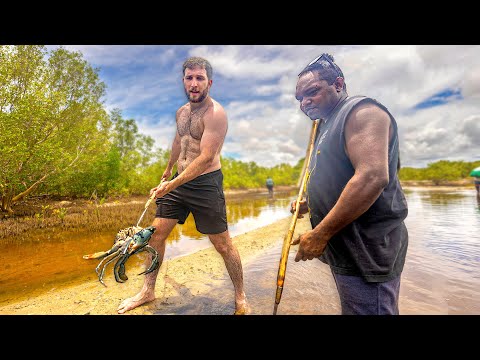
Living with the Oldest Culture on Earth (Indigenous Australians)
0
Kay Wu posted on 2026/01/18Ever wondered about the oldest living culture on Earth? This video takes you on an incredible tour with the Bardi people of Australia, exploring ancient traditions and learning about bush tucker. You'll pick up fascinating cultural insights and practice advanced vocabulary in real-life situations!
Learn this video on the APP!
The VoiceTube App has more in-depth practice for videos!