
account for
US /əˈkaʊnt fɔr/
UK /əˈkaunt fɔ:/
- Phrasal Verb
- To explain the cause or reason for something
- To form a particular amount or part of something.
- Verb (Transitive/Intransitive)
- To supply a reason or explanation for something.
- To form a particular amount or proportion of something.
A1Moreacute
US /əˈkjut/
UK /əˈkju:t/
- Adjective
- (Of an angle in math) of less than 90 degrees
- Strong; very serious or severe
B1Moreacutely
US /əˈkjuːtli/
UK /əˈkju:tli/
- Adverb
- Strongly and suddenly
B2Morealgebra
US /ˈældʒəbrə/
UK /ˈældʒɪbrə/
- Uncountable Noun
- Math using letters or symbols in place of numbers
C1Moreapparatus
US /ˌæpəˈretəs, -ˈrætəs/
UK /ˌæpə'reɪtəs/
- Noun (Countable/Uncountable)
- Tools or instruments used for a specific activity
B1TOEICMoreappease
US /əˈpiz/
UK /əˈpi:z/
- Transitive Verb
- To give in to someone's demands to avoid conflict
B2TOEICMoreat least
US /æt list/
UK /æt li:st/
- Adverb
- As a minimum
- Not less than
- Phrase
- No less than; at the minimum
- Used to indicate that something is positive in a bad situation.
C2Moreat the hands of
US
UK
- Phrase
- By the agency or through the actions of.
- Through the responsibility or fault of.
A1Moreat the same time
US
UK
- Phrase
- Simultaneously; at the identical moment.
- Nevertheless; however; used to introduce a contrasting or qualifying statement.
A1Moreaverage
US /ˈævərɪdʒ, ˈævrɪdʒ/
UK /'ævərɪdʒ/
- Noun (Countable/Uncountable)
- Total of numbers divided by the number of items
- Transitive Verb
- To add numbers then divide by the number of items
A2TOEICMoreayatollah
US /ˌaɪəˈtoʊlə/
UK /ˌaɪəˈtɒlə/
- Proper Noun
- Important religious or political leader in Iran
C1Morebarely
US /ˈbɛrli/
UK /ˈbɛəli/
- Adverb
- Only just; just possible
A2TOEICMorebased on
US
UK
- Phrasal Verb
- To use something as the foundation or starting point for something else.
- Preposition
- Using something as the main idea or foundation.
- Relying on something as evidence or justification.
A1Morebrilliant
US /ˈbrɪljənt/
UK /'brɪlɪənt/
- Adjective
- Having a great amount of intelligence or talent
- Being very bright, like a diamond; shining
- Noun
- A diamond or other gem cut in a particular form with many facets to have exceptional brilliance.
A2Morebunker
US /ˈbʌŋkɚ/
UK /ˈbʌŋkə(r)/
- Noun
- Section of a golf course that contains sand
B2Morecalculus
US /ˈkælkjələs/
UK /ˈkælkjələs/
- Uncountable Noun
- Branch of math dealing with rates of change, etc.
C1Morecome after
US /kʌm ˈæftɚ/
UK /kʌm ˈɑ:ftə/
- Phrasal Verb
- To follow someone in order to threaten them
A1Morecome by
US /kʌm baɪ/
UK /kʌm bai/
- Phrasal Verb
- To become the owner of something, e.g. by accident
- To visit someone
A1Morecontext
US /ˈkɑnˌtɛkst/
UK /ˈkɒntekst/
- Noun (Countable/Uncountable)
- Set of facts surrounding a person or event
- The circumstances that form the setting for an event, statement, or idea, and in terms of which it can be fully understood and assessed.
A2Morecontraction
US /kənˈtrækʃən/
UK /kənˈtrækʃn/
- Uncountable Noun
- Process of becoming smaller in length/size
- Involuntary, often painful tightening of a muscle
B2Morecorruption
US /kəˈrʌpʃən/
UK /kəˈrʌpʃn/
- Uncountable Noun
- State of being damaged or spoiled
- Illegal, immoral dishonesty
B1Morecountenance
US /ˈkaʊntənəns/
UK /'kaʊntənəns/
- Noun
- Expression of the face
C1TOEICMorecrisis
US /ˈkraɪsɪs/
UK /'kraɪsɪs/
- Noun (Countable/Uncountable)
- Unstable situation of extreme danger or difficulty
- A turning point in a disease.
B1Morecurrency
US /ˈkɚrənsi, ˈkʌr-/
UK /'kʌrənsɪ/
- Uncountable Noun
- Widespread acceptance
- Money system that a country uses
B1Moredepreciation
US
UK
- Uncountable Noun
- Decrease in price/value; loss of value over time
B2Moredescription
US /dɪˈskrɪpʃən/
UK /dɪˈskrɪpʃn/
- Noun
- Explanation of what something is like, looks like
- The type or nature of someone or something.
A2TOEICMoreessentially
US /ɪˈsenʃəli/
UK /ɪˈsenʃəli/
- Adverb
- Basically; (said when stating the basic facts)
- Used to emphasize the basic truth or fact of a situation.
A2Moreexacerbate
US /ɪɡˈzæsɚˌbet/
UK /ɪɡ'zæsəbeɪt/
- Transitive Verb
- To increase the severity or bitterness of
B2Moreexercise
US /ˈɛksɚˌsaɪz/
UK /'eksəsaɪz/
- Verb (Transitive/Intransitive)
- To work out to become stronger and healthier
- To retain your ability or practice your skills
- Noun (Countable/Uncountable)
- Physical activity to increase health and strength
- Set of questions in a text book
A2Morefor example
US
UK
- Phrase
- As an illustration or instance.
for free
US /fɔr fri/
UK /fɔ: fri:/
- Phrase
- Without charge; at no cost.
- Adjective
- Available without payment.
A2Morefor instance
US /fɔr ˈɪnstəns/
UK /fɔ: ˈinstəns/
- Adverb
- As an example.
- Phrase
- As an example.
- As an illustration or case in point
B1Moreforecast
US /ˈfɔ:rkæst/
UK /ˈfɔ:kɑ:st/
- Noun (Countable/Uncountable)
- Prediction of some future thing, e.g. the weather
- A prediction or estimate of future events, especially weather.
- Verb (Transitive/Intransitive)
- To predict some future thing, e.g. the weather
- Alternative past tense and past participle of 'forecast'.
B1TOEICMorefoundational
US /faʊn'deɪʃənəl/
UK /faʊn'deɪʃənəl/
- Adjective
- Being the base or important starting point
C1Morein mind
US /ɪn maɪnd/
UK /in maind/
- Phrase
- Being aware of or considering something.
- To remember or consider something.
A2Morein the past
US
UK
- Phrase
- During a former period of time; previously.
A1Moreinflation
US /ɪnˈfleʃən/
UK /ɪn'fleɪʃn/
- Noun (Countable/Uncountable)
- Act of filling something with air or gas
- Continual rise in the prices of products
B1TOEICMoreinstance
US /ˈɪnstəns/
UK /'ɪnstəns/
- Noun (Countable/Uncountable)
- An example of something; case
- An occurrence of something.
- Transitive Verb
- To give as an example of something else
A2TOEICMoreliberal
US /ˈlɪbərəl, ˈlɪbrəl/
UK /'lɪbərəl/
- Noun
- Someone who is open-minded and favors progress
- Adjective
- Open-minded; willing to hear others' opinions
- Political party for freedom and social change
B1TOEICMoremention
US /ˈmɛnʃən/
UK /'menʃn/
- Transitive Verb
- To refer to or talk or write about something
- Uncountable Noun
- Act of referring to or talking about something
- A formal acknowledgement of something
A2TOEICMoreodious
US /ˈodiəs/
UK /ˈəʊdiəs/
- Adjective
- Arousing strong dislike; hateful; vile
C1TOEICMoreon the back of
US /ɑn ðə bæk əv/
UK /ɒn ðə bæk əv/
- other
- As a result of or following something.
B2Moreopposition
US /ˌɑ:pəˈzɪʃn/
UK /ˌɒpəˈzɪʃn/
- Uncountable Noun
- Act of disagreeing or trying to stop something
- Group that you are fighting or competing against
B1Moreoust
US /aʊst/
UK /aʊst/
- Transitive Verb
- To eject from a position or place; force out
B2Morepeak
US /pik/
UK /pi:k/
- Noun
- Part of a cap that sticks out over your eyes
- The very top of a mountain
- Intransitive Verb
- To reach the highest or best point
B1Morepragmatic
US /præɡˈmætɪk/
UK /prægˈmætɪk/
- Adjective
- Dealing with problems reasonably and practically
B2Morepressure
US /ˈprɛʃɚ/
UK /'preʃə(r)/
- Noun (Countable/Uncountable)
- Anxiety caused by difficult problems
- Force, weight when pressing against a thing
- Transitive Verb
- To apply force to something
- To persuade or force someone to do something
A2TOEICMoreprevious
US /ˈpriviəs/
UK /ˈpri:viəs/
- Adjective
- Existing or happening before the present time
- Existing or occurring immediately before in time or order.
- Noun
- A button or link that allows navigation to a preceding item or page.
A2TOEICMorerecession
US /rɪˈsɛʃən/
UK /rɪˈseʃn/
- Uncountable Noun
- Act of moving backward gradually
- Decreased business activity, when work is scarce
- Noun
- a period of low economic activity
- period of economic decline
B2TOEICMorereduction
US /rɪˈdʌkʃən/
UK /rɪ'dʌkʃn/
- Noun
- Act of making something smaller
B1Moreregime
US /reˈʒim, rɪ-/
UK /reɪˈʒi:m/
- Noun
- A system of management; a form of government
B1Morerelevance
US /ˈrɛləvəns/
UK /'reləvəns/
- Uncountable Noun
- State of being related or appropriate to a topic
- The quality or state of being significant or important.
B1Morerumble
US /ˈrʌmbəl/
UK /ˈrʌmbl/
- Noun
- Low, heavy continuous sound or series of sounds
- Intransitive Verb
- To make low, heavy continuous sounds
B2Moresame time
US
UK
- Phrase
- Occurring simultaneously or at the same point in time.
- At the identical time as before; recurring at a fixed hour.
- Noun
- An equal duration or period.
A1Moresociety
US /səˈsaɪɪti/
UK /sə'saɪətɪ/
- Noun (Countable/Uncountable)
- A group who meet to share values or interests
- Group of people living together
A2TOEICMorespecific
US /spɪˈsɪfɪk/
UK /spəˈsɪfɪk/
- Adjective
- Precise; particular; just about that thing
- Concerning one particular thing or kind of thing
A2Morespiral out
US
UK
- Phrasal Verb
- To decline or deteriorate rapidly and uncontrollably.
C2Morestraight
US /stret/
UK /streɪt/
- Adjective
- Not having curves, bends, or angles
- Not gay; heterosexual
- Adverb
- in a line; immediately; honestly and directly
- In a straight line; directly.
A2TOEICMoretrigger
US /ˈtrɪɡɚ/
UK /'trɪɡə(r)/
- Noun
- Lever on a gun that you pull to fire
- Device that starts a process
- Transitive Verb
- To start a process off e.g. a memory
- To cause something to begin or happen.
B1Moreturn to
US /tɚn tu/
UK /tə:n tu:/
- Phrasal Verb
- To go to someone for help, advice, or information.
- To start doing or using something, often something bad or undesirable.
A1Moreused to
US /juzd tu/
UK /ˈju:st tə/
- Adjective
- Did regularly before, but don't do now
- Auxiliary Verb
- Have done before, but do not do now
A1Moreutterly
US /ˈʌtəli/
UK /'ʌtəli:/
- Adverb
- Completely
B2Morewidespread
US /ˈwaɪdˈsprɛd/
UK /ˈwaɪdspred/
- Adjective
- Happening or existing in many places
A2TOEICMorewithdraw
US /wɪðˈdrɔ, wɪθ-/
UK /wɪð'drɔ:/
- Verb (Transitive/Intransitive)
- To take money out of a bank account
- To pull back; move away or backward from something
B1TOEICMore
Vocabulary
- at least: As a minimum
- for instance: As an example.
- come by: To become the owner of something, e.g. by accident
- spiral out: To decline or deteriorate rapidly and uncontrollably.
- at the hands of: By the agency or through the actions of.
- account for: To explain the cause or reason for something
- in the past: During a former period of time; previously.
- at the same time: Simultaneously; at the identical moment.
- same time: Occurring simultaneously or at the same point in time.
- used to: Did regularly before, but don't do now
- on the back of: As a result of or following something.
- in mind: Being aware of or considering something.
- come after: To follow someone in order to threaten them
- turn to: To go to someone for help, advice, or information.
- based on: To use something as the foundation or starting point for something else.
- for example: As an illustration or instance.
- for free: Without charge; at no cost.
- specific: Precise; particular; just about that thing
- essentially: Basically; (said when stating the basic facts)
- context: Set of facts surrounding a person or event
- trigger: Lever on a gun that you pull to fire
- description: Explanation of what something is like, looks like
- straight: Not having curves, bends, or angles
- crisis: Unstable situation of extreme danger or difficulty
- average: Total of numbers divided by the number of items
- instance: An example of something; case
- barely: Only just; just possible
- utterly: Completely
- brilliant: Having a great amount of intelligence or talent
- previous: Existing or happening before the present time
- pressure: Anxiety caused by difficult problems
- exercise: To work out to become stronger and healthier
- recession: Act of moving backward gradually
- currency: Widespread acceptance
- mention: To refer to or talk or write about something
- society: A group who meet to share values or interests
- inflation: Act of filling something with air or gas
- regime: A system of management; a form of government
- explain: To make clear or easy to understand by describing
- widespread: Happening or existing in many places
- contraction: Process of becoming smaller in length/size
- corruption: State of being damaged or spoiled
- apparatus: Tools or instruments used for a specific activity
- acute: (Of an angle in math) of less than 90 degrees
- fall: Season after summer and before winter; Autumn
- social: Involving activity with people, e.g. in free time
- peak: Part of a cap that sticks out over your eyes
- withdraw: To take money out of a bank account
- reduction: Act of making something smaller
- relevance: State of being related or appropriate to a topic
- learn: To get knowledge or skills by study or experience
- liberal: Someone who is open-minded and favors progress
- allow: To admit the validity or truth of something
- exacerbate: To increase the severity or bitterness of
- support: To give assistance or advice to someone
- pragmatic: Dealing with problems reasonably and practically
- public: Owned by the government
- rise: To wake up and get out of bed after sleeping
- drive: A person's ambition and motivation to do something
- forecast: Prediction of some future thing, e.g. the weather
- algebra: Math using letters or symbols in place of numbers
- make: To arrange or prepare something e.g. dinner
- opposition: Act of disagreeing or trying to stop something
- include: To make someone, something part of a group
- wide: Having a great distance from one side to the other
- appease: To give in to someone's demands to avoid conflict
- feel: To be aware of or experience an emotion, sensation
- acutely: Strongly and suddenly
- rumble: Low, heavy continuous sound or series of sounds
- quietly: In a quiet manner; making little sound or fuss
- soviet: Elected government council in a communist country
- depreciation: Decrease in price/value; loss of value over time
- calculus: Branch of math dealing with rates of change, etc.
- bunker: Section of a golf course that contains sand
- foundational: Being the base or important starting point
- countenance: Expression of the face
- oust: To eject from a position or place; force out
- odious: Arousing strong dislike; hateful; vile
- ayatollah: Important religious or political leader in Iran
Get the full experience in the app
Learn anywhere with detailed sentence and usage analysis
01:03
She took a brave step forward, leaving behind her comfort zone to chase her dreams.
Vocabulary
- brave
adj. Having courage
- comfort zone
phr. A familiar situation where one feels safe
Explanation
a brave step is a noun phrase, where brave is an adjective modifying the noun step, meaning "a courageous step".
forward is an adverb modifying step, meaning "ahead".
The whole phrase serves as the object, answering the "what" of took (verb) — she took a brave step forward.
Get the full experience in the app
Look up words anytime with pronunciation, part of speech, and usage
brave
US/brev/
UK/breɪv/
adj.Brave
v.t.To bravely face
A2 Elementary
Get the full experience in the app
Practice speaking anytime and get instant pronunciation feedback
Try this speaking exercise.
Try practicing with this sentence.
80
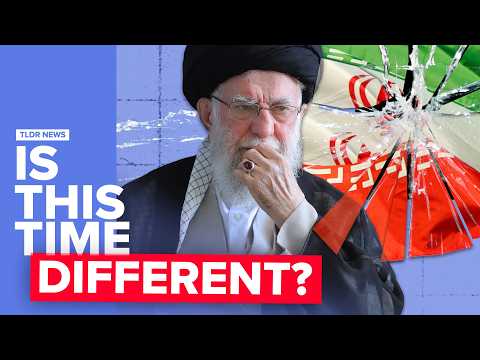
Why Iran’s Protests Feel Different This Time
0
Minjane posted on 2026/01/15Ever wondered why the protests in Iran feel different this time? This video dives deep into the economic crisis and the push for regime change, giving you a fantastic chance to pick up advanced vocabulary and gain cultural depth. You'll get a clearer understanding of complex sentence structures and learn about this crucial international affair!
Learn this video on the APP!
The VoiceTube App has more in-depth practice for videos!