
at some point
US /æt sʌm pɔɪnt/
UK /æt sʌm pɔint/
- Phrase
- At an unspecified time, usually in the future.
A1Moreat the same time
US
UK
- Phrase
- Simultaneously; at the identical moment.
- Nevertheless; however; used to introduce a contrasting or qualifying statement.
A1Morebased on
US
UK
- Phrasal Verb
- To use something as the foundation or starting point for something else.
- Preposition
- Using something as the main idea or foundation.
- Relying on something as evidence or justification.
A1Morebuild up
US /bɪld ʌp/
UK /bild ʌp/
- Phrasal Verb
- To increase the amount; collect something
- To develop or increase something in stages
- Verb (Transitive/Intransitive)
- To increase or develop something gradually.
- To praise or encourage someone.
A1Morecare of
US /kɛr ʌv/
UK /kɛə ɔv/
- Preposition
- Used in an address to indicate the person who will receive the mail for someone else.
A2Morecognitive
US /ˈkɑɡnɪtɪv/
UK /ˈkɒgnətɪv/
- Adjective
- The process of knowing and remembering
- Relating to the ability to think and reason.
C1Morecome near
US /kʌm nɪr/
UK /kʌm niə/
- Phrasal Verb
- To be nearly as much as (a value)
- To approach
A1Morecompassion
US /kəmˈpæʃən/
UK /kəmˈpæʃn/
- Uncountable Noun
- Feeling of wanting to help suffering people
- Actions that demonstrate care and concern for others.
B2Moreconsciousness
US /ˈkɑnʃəsnɪs/
UK /'kɒnʃəsnəs/
- Uncountable Noun
- Process by which thoughts, ideas are processed
- A person's awareness or perception of something.
A2Moredeal in
US /dil ɪn/
UK /di:l in/
- Phrasal Verb
- To buy and sell a particular product or products.
A1Moredo in
US
UK
- Phrasal Verb
- To make completely tired out and exhausted
- To destroy or cause damage to someone
A1Morefor instance
US /fɔr ˈɪnstəns/
UK /fɔ: ˈinstəns/
- Adverb
- As an example.
- Phrase
- As an example.
- As an illustration or case in point
B1Moregoing on
US /ˈɡoɪŋ ɑn/
UK /ˈgəʊɪŋ ɔn/
- Phrasal Verb
- To continue doing something
- To happen (usually negative)
A1Morehave to
US /hæv tu/
UK /ˈhæv tə/
- Auxiliary Verb
- Must do
A1Morein a state
US
UK
- Phrase
- In a particular condition or situation.
- In an emotional condition, often negative (e.g., panic, distress).
B2Morein action
US
UK
- Phrase
- Actively doing something; performing a task or duty.
instead of
US /ɪnˈstɛd ʌv/
UK /inˈsted ɔv/
- Preposition
- When one thing is replaced by another
- Adverb
- As a substitute or alternative.
A1Morelaughter
US /ˈlæftɚ, ˈlɑf-/
UK /ˈlɑ:ftə(r)/
- Uncountable Noun
- Action or sound of laughing
- The feeling of amusement that makes you laugh.
A2Morelook at
US /lʊk æt/
UK /luk æt/
- Phrasal Verb
- To use your eyes to focus on something
- To focus your eyes on something carefully
A1Morelook for
US /lʊk fɔr/
UK /luk fɔ:/
- Phrasal Verb
- To try to find a thing or person that is lost
- To expect or anticipate something.
A1Moremirror
US /ˈmɪrɚ/
UK /'mɪrə(r)/
- Noun (Countable/Uncountable)
- Thing with glass surface used to look at yourself
- An accurate impression or picture of something
- Transitive Verb
- To reflect (an image)
- To have similar qualities to something else
A2Moreobject
US /ˈɑbdʒɪkt/
UK /'ɒbdʒɪkt/
- Noun (Countable/Uncountable)
- Something you can see or touch, but is not alive
- Goal or purpose of a particular plan or activity
- Verb (Transitive/Intransitive)
- To disagree; to protest against an idea or plan
- To state one's reason for disagreement
A2TOEICMoreof course
US /ʌv kɔː(r)s/
UK /ɔv kɔː(r)s/
- Adverb
- Sure ; Certainly
- Phrase
- For sure; certainly
A2Morequality
US /ˈkwɑlɪti/
UK /'kwɒlətɪ/
- Noun (Countable/Uncountable)
- Feature associated with someone or something
- High level of worth or excellence
- Adjective
- Of a high standard
A2TOEICMoresame time
US
UK
- Phrase
- Occurring simultaneously or at the same point in time.
- At the identical time as before; recurring at a fixed hour.
- Noun
- An equal duration or period.
A1Morespeak of
US /spik ʌv/
UK /spi:k ɔv/
- Phrasal Verb
- To mention someone or something in conversation.
B1Moresuffer
US / ˈsʌfɚ/
UK /'sʌfə(r)/
- Verb (Transitive/Intransitive)
- To experience pain, illness, or injury
- To allow or permit something, especially something unpleasant.
A2Morethink of
US /θɪŋk ʌv/
UK /θiŋk ɔv/
- Phrasal Verb
- To look on as (being something specific); consider
- To consider or remember something.
- Verb (Transitive/Intransitive)
- To imagine or call something to mind
A1Moreto the left
US
UK
- Phrase
- In or toward the left direction.
- Situated on the left side of.
used to
US /juzd tu/
UK /ˈju:st tə/
- Adjective
- Did regularly before, but don't do now
- Auxiliary Verb
- Have done before, but do not do now
A1Moreway to go
US /we tu ɡo/
UK /wei tu: ɡəu/
- Interjection
- An expression of encouragement or approval.
- An expression of sarcasm after someone has made a mistake.
A1Morewhole point
US
UK
- Phrase
- The main purpose or most important aspect of something.
- The primary reason or objective.
A2More
Vocabulary
- look at: To use your eyes to focus on something
- of course: Sure ; Certainly
- have to: Must do
- used to: Did regularly before, but don't do now
- at the same time: Simultaneously; at the identical moment.
- same time: Occurring simultaneously or at the same point in time.
- to the left: In or toward the left direction.
- for instance: As an example.
- speak of: To mention someone or something in conversation.
- come near: To be nearly as much as (a value)
- going on: To continue doing something
- look for: To try to find a thing or person that is lost
- based on: To use something as the foundation or starting point for something else.
- instead of: When one thing is replaced by another
- build up: To increase the amount; collect something
- way to go: An expression of encouragement or approval.
- deal in: To buy and sell a particular product or products.
- in a state: In a particular condition or situation.
- think of: To look on as (being something specific); consider
- at some point: At an unspecified time, usually in the future.
- whole point: The main purpose or most important aspect of something.
- care of: Used in an address to indicate the person who will receive the mail for someone else.
- in action: Actively doing something; performing a task or duty.
- do in: To make completely tired out and exhausted
- experience: Thing a person has done or that happened to them
- time: Speed at which music is played; tempo
- cognitive: The process of knowing and remembering
- state: Region within a country, with its own government
- quality: Feature associated with someone or something
- mind: To be bothered or upset by something
- leave: To go away from; depart
- suffer: To experience pain, illness, or injury
- side: To decide to agree with one point, not the other
- compassion: Feeling of wanting to help suffering people
- object: Something you can see or touch, but is not alive
- love: Person's name
- consciousness: Process by which thoughts, ideas are processed
- laughter: Action or sound of laughing
- mirror: Thing with glass surface used to look at yourself
Get the full experience in the app
Learn anywhere with detailed sentence and usage analysis
01:03
She took a brave step forward, leaving behind her comfort zone to chase her dreams.
Vocabulary
- brave
adj. Having courage
- comfort zone
phr. A familiar situation where one feels safe
Explanation
a brave step is a noun phrase, where brave is an adjective modifying the noun step, meaning "a courageous step".
forward is an adverb modifying step, meaning "ahead".
The whole phrase serves as the object, answering the "what" of took (verb) — she took a brave step forward.
Get the full experience in the app
Look up words anytime with pronunciation, part of speech, and usage
brave
US/brev/
UK/breɪv/
adj.Brave
v.t.To bravely face
A2 Elementary
Get the full experience in the app
Practice speaking anytime and get instant pronunciation feedback
Try this speaking exercise.
Try practicing with this sentence.
80
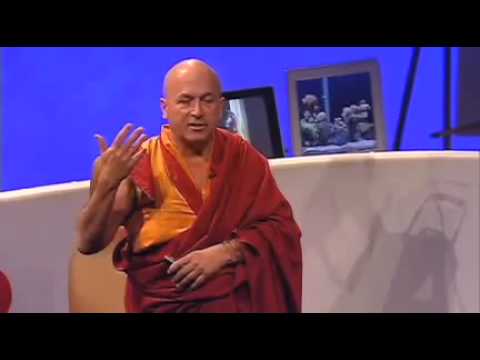
Matthieu Ricard - The habits of Happiness
0
女人心 posted on 2014/12/26Ever wondered about the science behind happiness? Matthieu Ricard dives into well-being, meditation, and compassion, sharing fascinating insights from neuroscience and Tibetan Buddhism. You'll pick up advanced vocabulary related to inner peace and brain plasticity, making this a practical and culturally rich watch!
Learn this video on the APP!
The VoiceTube App has more in-depth practice for videos!