
above all
US /əˈbʌv ɔl/
UK /əˈbʌv ɔ:l/
- Phrase
- Most importantly; more than anything else.
A1Moreadmire
US /ædˈmaɪr/
UK /əd'maɪə(r)/
- Transitive Verb
- To feel respect or wonder toward someone
A2Moreaesthetic
US /ɛsˈθɛtɪk/
UK /i:sˈθetɪk/
- Adjective
- Concerning the sense of artistic beauty
- Relating to a particular theory or conception of beauty or art.
- Noun
- a guiding principle in matters of artistic beauty and taste; an underlying principle, a set of principles, or a view often manifested by outward appearances or style of behavior
- A set of principles underlying and guiding the work of a particular artist or artistic movement.
B2Morealong with
US /əˈlɔŋ wɪð/
UK /əˈlɔŋ wið/
- Preposition
- In addition to; together with.
- Adverb
- In company or together with someone or something.
- Including; in addition to.
A2Morearchitecture
US /ˈɑrkɪˌtɛktʃɚ/
UK /ˈɑ:kɪtektʃə(r)/
- Uncountable Noun
- Design and construction of buildings
- The style or design of a building or buildings.
A2Moreat last
US /æt læst/
UK /æt lɑ:st/
- Adverb
- Finally; after a long delay.
B1Moreat least
US /æt list/
UK /æt li:st/
- Adverb
- As a minimum
- Not less than
- Phrase
- No less than; at the minimum
- Used to indicate that something is positive in a bad situation.
C2Morecathedral
US /kəˈθidrəl/
UK /kəˈθi:drəl/
- Noun (Countable/Uncountable)
- Large impressive main church in a particular area
B1Morecondition
US /kənˈdɪʃən/
UK /kənˈdɪʃn/
- Transitive Verb
- To improve something to make it better
- To cause to behave automatically in a certain way
- Noun (Countable/Uncountable)
- Disease or other medical problem
- The state of living you are in, e.g. good health
A2Moreconstruction
US /kənˈstrʌkʃən/
UK /kən'strʌkʃn/
- Noun (Countable/Uncountable)
- Act of building something; thing that is built
- Something that is made using different parts
A2Morecontradiction
US /ˌkɑ:ntrəˈdɪkʃn/
UK /ˌkɒntrəˈdɪkʃn/
- Noun (Countable/Uncountable)
- Saying or showing something is not so
- A statement that is the opposite of another statement.
B1Morecram
US /kræm/
UK /kræm/
- Transitive Verb
- To add more to something that is already full
- To study intensively (for a test)
- Countable Noun
- A room in which people are crammed.
B2Moredeserve
US /dɪˈzɚv/
UK /dɪ'zɜ:v/
- Transitive Verb
- To be worthy of, e.g. getting praise or attention
A2TOEICMoreefficient
US /ɪˈfɪʃənt/
UK /ɪˈfɪʃnt/
- Adjective
- Able to produce results without waste
- Capable of producing desired results with little or no waste (of time, energy, or other resources).
A2TOEICMoreentirety
US /ɛnˈtaɪrɪti, -ˈtaɪrti/
UK /ɪnˈtaɪərəti/
- Uncountable Noun
- State of being complete
- A form of joint ownership of property by a husband and wife, in which both have an equal, undivided interest in the whole property.
C1Moreexcept that
US /ɪkˈsɛpt ðæt/
UK /ikˈsept ðæt/
- Conjunction
- But; with the exception that.
A2Morefacility
US /fəˈsɪlɪti/
UK /fəˈsɪləti/
- Noun (Countable/Uncountable)
- Piece of equipment or buildings with a special use
- Skill to do something with ease
A2TOEICMorefew steps
US
UK
- Phrase
- A small number of steps; a short distance.
B1Morefor now
US /fɔr naʊ/
UK /fɔ: nau/
- Phrase
- Temporarily; for the present time.
- In the short term; for the immediate future.
A1Morefundamentally
US /ˌfʌndəˈmɛntl:ɪ/
UK /ˌfʌndəˈmentəli/
- Adverb
- In a basic and important way
- In a complete and thorough way
B1Moregrand
US /ɡrænd/
UK /ɡrænd/
- Adjective
- A counter for 1000 of something
- Great in amount, number or size
A2Morehave to
US /hæv tu/
UK /ˈhæv tə/
- Auxiliary Verb
- Must do
A1Morein any case
US /ɪn ˈɛni kes/
UK /in ˈeni keis/
- Phrase
- Whatever happens; regardless of what has happened or may happen.
A1Morein itself
US /ɪn ɪtˈsɛlf/
UK /in itˈself/
- Phrase
- Considered alone or without reference to anything else; intrinsically.
- Essentially; by its very nature.
in order to
US /ɪn ˈɔrdɚ tu/
UK /in ˈɔ:də tu:/
- Preposition
- For the purpose of; with the aim of.
- Phrase
- In a specific sequence or arrangement.
- With the aim of; for the purpose of.
C1Morein places
US
UK
- Phrase
- In some locations but not others
A1Morein the end
US /ɪn ði ɛnd/
UK /in ðə end/
- Phrase
- Finally; after a period of time or series of events.
- Ultimately; as the final result or consequence.
A1Morein the world
US /ɪn ði wɜrld/
UK /in ðə wɜː(r)ld/
- Phrase
- Used to emphasize a question expressing surprise, confusion, disbelief
- Used to indicate the extent or degree of something, often in a superlative sense
A1Moreinfrastructure
US /ˈɪnfrəˌstrʌktʃɚ/
UK /'ɪnfrəstrʌktʃə(r)/
- Uncountable Noun
- Basic necessary equipment for a country or region
- The underlying framework or system of an organization.
B1Moreliterally
US /ˈlɪtərəli/
UK
- Adverb
- In a literal manner or sense; exactly as stated.
- Used for emphasis to describe something that is actually true, often to highlight surprise or intensity.
B1Morelook at
US /lʊk æt/
UK /luk æt/
- Phrasal Verb
- To use your eyes to focus on something
- To focus your eyes on something carefully
A1Morelook over
US
UK
- Phrasal Verb
- To check something to see it works well; inspect
- To examine or inspect something quickly.
A1Moremass
US /mæs/
UK /mæs/
- Noun (Countable/Uncountable)
- Religious ceremony in some Christian churches
- Large amount or number of something
- Transitive Verb
- To gather people or things into a large group
B1Morememorial
US /məˈmɔriəl, -ˈmor-/
UK /mə'mɔ:rɪəl/
- Noun
- Ceremony or monument honoring dead person, people
B1Moreobsolete
US /ˌɑ:bsəˈli:t/
UK /ˈɒbsəli:t/
- Adjective
- Not used anymore because something newer exists
- No longer useful because it has been replaced by something newer and better.
B1TOEICMoreof course
US /ʌv kɔː(r)s/
UK /ɔv kɔː(r)s/
- Adverb
- Sure ; Certainly
- Phrase
- For sure; certainly
A2Moreon to
US /ɑn tu/
UK /ɔn tu:/
- Preposition
- Toward something; forward
- Aware of someone's activities.
- Adjective
- Aware of someone's deception or illegal activities.
A1Moreordinary
US /ˈɔ:rdneri/
UK /'ɔ:dnrɪ/
- Adjective
- Normal or usual
- Of the rank of ordinary seaman.
- Noun
- An ecclesiastical judge or official having ordinary jurisdiction in a given area.
- Any of several simple and basic geometrical figures.
A2TOEICMorepalace
US /ˈpælɪs/
UK /ˈpæləs/
- Noun (Countable/Uncountable)
- Official home of a ruler, such as a king or queen
- The center of government or royal power.
B1Moreparliament
US /ˈpɑrləmənt/
UK /ˈpɑ:ləmənt/
- Noun
- Elected officials who govern a country (in the UK)
- Period when the Uk government is in session
A2Morepeculiar
US /pɪˈkjuljɚ/
UK /pɪ'kju:lɪə(r)/
- Adjective
- Not usual or normal; strange
B1TOEICMorepopulation
US /ˌpɑpjəˈleʃən/
UK /ˌpɒpjuˈleɪʃn/
- Noun (Countable/Uncountable)
- Number of people who live in a country, area etc.
- A group of individuals of one species living in a particular area.
A2TOEICMorepride
US /praɪd/
UK /praɪd/
- Noun (Countable/Uncountable)
- Sense of your own importance and worth
- A feeling of pleasure and satisfaction that you get when you or people connected with you have done something well.
- Verb (Transitive/Intransitive)
- To be proud of something you did
A2Morepromenade
US /ˌprɑməˈned, -ˈnɑd/
UK /ˌprɒmə'nɑ:d/
- Noun
- Public walkway, especially along a beach
- Intransitive Verb
- To walk in a casual, relaxed manner for pleasure
C1Morepump
US /pʌmp/
UK /pʌmp/
- Verb (Transitive/Intransitive)
- To make liquid or gas flow in a particular direction
- To make water/other liquid move using a machine
- Noun
- A device more moving liquids
- Light woman's shoe
B1Morequaint
US /kwent/
UK /kweɪnt/
- Adjective
- Appealing and attractive in an outdated way
B2Moreradical
US /ˈrædɪkəl,'rædɪkḷ/
UK /ˈrædɪkl/
- Noun (Countable/Uncountable)
- Person who believes in extreme political change
- A group of atoms behaving as a unit in a chemical compound.
- Adjective
- Very new and different from what is traditional
- Concerning something's most basic part or form
B1Morerepresent
US /ˌrɛprɪˈzɛnt/
UK /ˌreprɪ'zent/
- Transitive Verb
- To depict art objects, figures, scenes; to portray
- To show or describe something in a particular way
A2TOEICMoreright back
US /raɪt bæk/
UK /rait bæk/
- Interjection
- Said when someone says they will return soon, indicating you expect their prompt return.
- Adverb
- Immediately; very soon after going.
A1Moresewage
US /ˈsuɪdʒ/
UK /ˈsu:ɪdʒ/
- Uncountable Noun
- Waste matter/excrement carried away in sewers
B2Moresewer
US /ˈsuɚ/
UK /ˈsu:ə(r)/
- Noun
- Underground pipe that removes water and waste
B2Moresociety
US /səˈsaɪɪti/
UK /sə'saɪətɪ/
- Noun (Countable/Uncountable)
- A group who meet to share values or interests
- Group of people living together
A2TOEICMoresuppose
US /səˈpoʊz/
UK /sə'pəʊz/
- Verb (Transitive/Intransitive)
- To imagine or guess what might happen
- Conjunction
- What if
A2TOEICMoretalking about
US
UK
- Phrasal Verb
- To discuss a particular topic.
- To be constantly mentioning or bringing up a subject.
A1Moretradition
US /trəˈdɪʃən/
UK /trəˈdɪʃn/
- Noun (Countable/Uncountable)
- An event, custom or way common to a people or race
- Way of thinking or behaving used for a long time
B1TOEICMoreunbearable
US /ʌnˈbɛrəbəl/
UK /ʌnˈbeərəbl/
- Adjective
- Not able to be accepted or tolerated
B1Moreused to
US /juzd tu/
UK /ˈju:st tə/
- Adjective
- Did regularly before, but don't do now
- Auxiliary Verb
- Have done before, but do not do now
A1Morework in
US /wɚk ɪn/
UK /wə:k in/
- Phrasal Verb
- To make an opening for something in your schedule
- To fit person/thing into a schedule or sequence
A1Moreworthwhile
US /ˌwɜ:rθˈwaɪl/
UK /ˌwɜ:θˈwaɪl/
- Adjective
- Worth the money, time or effort of doing something
B1More
Vocabulary
- look at: To use your eyes to focus on something
- at least: As a minimum
- look over: To check something to see it works well; inspect
- in places: In some locations but not others
- along with: In addition to; together with.
- on to: Toward something; forward
- of course: Sure ; Certainly
- in the world: Used to emphasize a question expressing surprise, confusion, disbelief
- talking about: To discuss a particular topic.
- at last: Finally; after a long delay.
- except that: But; with the exception that.
- work in: To make an opening for something in your schedule
- few steps: A small number of steps; a short distance.
- in any case: Whatever happens; regardless of what has happened or may happen.
- have to: Must do
- in itself: Considered alone or without reference to anything else; intrinsically.
- above all: Most importantly; more than anything else.
- used to: Did regularly before, but don't do now
- in the end: Finally; after a period of time or series of events.
- for now: Temporarily; for the present time.
- in order to: For the purpose of; with the aim of.
- right back: Said when someone says they will return soon, indicating you expect their prompt return.
- literally: In a literal manner or sense; exactly as stated.
- present: Being in attendance; being there; having turned up
- deserve: To be worthy of, e.g. getting praise or attention
- improve: To make, or become, something better
- infrastructure: Basic necessary equipment for a country or region
- aesthetic: Concerning the sense of artistic beauty
- represent: To depict art objects, figures, scenes; to portray
- parliament: Elected officials who govern a country (in the UK)
- suppose: To imagine or guess what might happen
- bit: Device put in a horse's mouth to control it
- admire: To feel respect or wonder toward someone
- efficient: Able to produce results without waste
- condition: To improve something to make it better
- ordinary: Normal or usual
- society: A group who meet to share values or interests
- peculiar: Not usual or normal; strange
- radical: Person who believes in extreme political change
- facility: Piece of equipment or buildings with a special use
- population: Number of people who live in a country, area etc.
- architecture: Design and construction of buildings
- obsolete: Not used anymore because something newer exists
- pretty: Being attractive to the eye in a simple way
- create: To make, cause, or bring into existence
- sewage: Waste matter/excrement carried away in sewers
- mass: Religious ceremony in some Christian churches
- grand: A counter for 1000 of something
- construction: Act of building something; thing that is built
- accept: To agree to receive or take something offered
- cram: To add more to something that is already full
- worthwhile: Worth the money, time or effort of doing something
- pride: Sense of your own importance and worth
- produce: Fresh foods such as fruits and vegetables
- belief: Being sure that something exists or is true
- fundamentally: In a basic and important way
- century: Period of 100 years
- place: To put someone in a particular type of situation
- manage: To survive hardships and difficulties; to cope
- build: Your physical shape; physique
- public: Owned by the government
- modern: Of the present time; up to date; contemporary
- memorial: Ceremony or monument honoring dead person, people
- unbearable: Not able to be accepted or tolerated
- contradiction: Saying or showing something is not so
- step: Movement done as part of a particular dance
- palace: Official home of a ruler, such as a king or queen
- pump: To make liquid or gas flow in a particular direction
- quaint: Appealing and attractive in an outdated way
- cathedral: Large impressive main church in a particular area
- tradition: An event, custom or way common to a people or race
- sewer: Underground pipe that removes water and waste
- promenade: Public walkway, especially along a beach
- entirety: State of being complete
Get the full experience in the app
Learn anywhere with detailed sentence and usage analysis
01:03
She took a brave step forward, leaving behind her comfort zone to chase her dreams.
Vocabulary
- brave
adj. Having courage
- comfort zone
phr. A familiar situation where one feels safe
Explanation
a brave step is a noun phrase, where brave is an adjective modifying the noun step, meaning "a courageous step".
forward is an adverb modifying step, meaning "ahead".
The whole phrase serves as the object, answering the "what" of took (verb) — she took a brave step forward.
Get the full experience in the app
Look up words anytime with pronunciation, part of speech, and usage
brave
US/brev/
UK/breɪv/
adj.Brave
v.t.To bravely face
A2 Elementary
Get the full experience in the app
Practice speaking anytime and get instant pronunciation feedback
Try this speaking exercise.
Try practicing with this sentence.
80
0
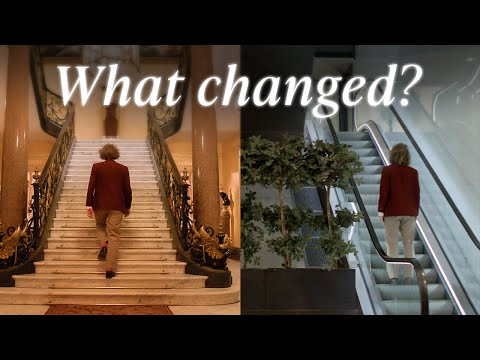
椰嘎 H. posted on 2026/01/05Ever wondered how London's iconic Victorian engineering, like the Thames Embankment and its sewers, came to be? This video dives into the fascinating history behind Joseph Bazalgette's work, showing you how to use advanced vocabulary and understand cultural depth through simple sentence structures. You'll get a unique look at the contrast between ornamental design and modern utility!
Learn this video on the APP!
The VoiceTube App has more in-depth practice for videos!