
airport
US /ˈerpɔ:rt/
UK /ˈeəpɔ:t/
- Noun
- A place where passenger planes land and take off
B1TOEICMoreanxiety
US /æŋˈzaɪɪti/
UK /æŋ'zaɪətɪ/
- Uncountable Noun
- A feeling of worry, nervousness, or unease about something that might happen, especially when the outcome is uncertain.
B1Moreart therapy
US
UK
- Uncountable Noun
- The use of creative methods such as painting, drawing, and sculpture to help people who have mental health problems.
associate
US /əˈsoʊʃiˌeɪt/
UK /ə'səʊʃɪeɪt/
- Countable Noun
- Partner in professional work, e.g. in law
- Verb (Transitive/Intransitive)
- To spend time with other people; mix with
- To form a connection in your mind between things
B1TOEICMoreat work
US /æt wɚk/
UK /æt wə:k/
- Phrase
- Located at one's place of employment
A1Morebetrayal
US /bɪ'treɪəl/
UK /bɪ'treɪəl/
- Uncountable Noun
- Act of giving knowledge or information to an enemy
B1Moreburn down
US /bɚn daʊn/
UK /bə:n daun/
- Phrasal Verb
- To destroy (usually buildings) by burning
A1Morechronic
US /ˈkrɑnɪk/
UK /'krɒnɪk/
- Adjective
- Always or often doing something, e.g. lying
- (Of disease) over a long time; serious
B1Moreclaim
US /klem/
UK /kleɪm/
- Noun (Countable/Uncountable)
- To say that something is true, often without proof.
- A statement that something is true.
- Transitive Verb
- To demand or ask for something that you believe is rightfully yours.
- To take or cause the loss of (e.g., a life, property).
A2Morecluster
US /ˈklʌstɚ/
UK /'klʌstə(r)/
- Intransitive Verb
- To come together in a group, flock etc.
- Countable Noun
- A small group of things
B1Morecontrol tower
US /kənˈtrol ˈtaʊɚ/
UK /kənˈtrəul ˈtauə/
- Countable Noun
- A tall tower at an airport from which air traffic controllers can direct aircraft movements.
B1Morecortex
US /ˈkɔrˌteks/
UK /'kɔ:teks/
- Noun (Countable/Uncountable)
- The outer part of an organ/structure, e.g. brain
- The outer layer of the cerebrum (the cerebral cortex), other organs, or a plant.
C1Moredisconnect
US /ˌdɪskəˈnɛkt/
UK /ˌdɪskəˈnekt/
- Transitive Verb
- To separate something from something else
- Noun
- State of being separated from something else
B2Moredissociation
US
UK
- Uncountable Noun
- Separation of one part of your life from others
C1Moreemotional
US /ɪˈmoʃənəl/
UK /ɪˈməʊʃənl/
- Adjective
- Causing, feeling, or appealing to the emotions
- Relating to or characterized by emotion
A2Moreexercise
US /ˈɛksɚˌsaɪz/
UK /'eksəsaɪz/
- Verb (Transitive/Intransitive)
- To work out to become stronger and healthier
- To retain your ability or practice your skills
- Noun (Countable/Uncountable)
- Physical activity to increase health and strength
- Set of questions in a text book
A2Moreexplore
US /ɪkˈsplɔr/
UK /ɪk'splɔ:(r)/
- Transitive Verb
- To examine something in detail to learn about it
- To travel to a place to discover more about it
A2TOEICMoreexpression
US /ɪkˈsprɛʃən/
UK /ɪk'spreʃn/
- Noun (Countable/Uncountable)
- Act of making your thoughts and feelings known
- Group of words that have a specific meaning
A2TOEICMorefeel like
US
UK
- Intransitive Verb
- To have a desire or inclination for something.
- To have a particular quality or sensation; resemble.
A1Morefeel stuck
US
UK
- Phrase
- To feel unable to progress or change a situation, often leading to frustration or helplessness.
A1Morefile away
US /faɪl əˈwe/
UK /fail əˈwei/
- Phrasal Verb
- To put something in a file for storage.
for example
US
UK
- Phrase
- As an illustration or instance.
for short
US /fɔr ʃɔrt/
UK /fɔ: ʃɔ:t/
- Phrase
- As a shortened form of a name or phrase.
A1Moreget stuck in
US /ɡɛt stʌk ɪn/
UK /ɡet stʌk in/
- Phrasal Verb
- To become enthusiastically involved in something.
A1Morehave to
US /hæv tu/
UK /ˈhæv tə/
- Auxiliary Verb
- Must do
A1Moreheal
US /hi:l/
UK /hi:l/
- Verb (Transitive/Intransitive)
- To recover from or forget a bad experience
- To make or become healthy or well again
B1Moreheighten
US /ˈhaɪtn/
UK /'haɪtn/
- Transitive Verb
- To increase the degree or intensity of something
B1Morehum
US /hʌm/
UK /hʌm/
- Verb (Transitive/Intransitive)
- To make a constant low sound
- To move very fast
- Uncountable Noun
- A constant low sound
- A busy, active atmosphere.
B2Moreinstead of
US /ɪnˈstɛd ʌv/
UK /inˈsted ɔv/
- Preposition
- When one thing is replaced by another
- Adverb
- As a substitute or alternative.
A1Morelook around
US /lʊk əˈraʊnd/
UK /luk əˈraund/
- Phrasal Verb
- To explore a place; search for something.
A1Moreloop
US /lup/
UK /lu:p/
- Noun (Countable/Uncountable)
- A circle or curved shape, as when you tie a lace
- A circle of rope or string to put around something
- Transitive Verb
- To put a circle of rope around something
B2TOEICMoreon the floor
US
UK
- Phrase
- Located on the ground or bottom surface of a room.
- Actively participating in dancing or other floor-based activities.
A1Moreon the other hand
US
UK
- Phrase
- Considering a different aspect of the matter; alternatively.
A1Moreout of reach
US /aʊt ʌv ritʃ/
UK /aut ɔv ri:tʃ/
- Phrase
- Cannot be touched as it is far away
- Adjective
- Too high or far away to be touched or grasped; unattainable.
- Beyond someone's capacity to obtain or achieve; unaffordable.
A2Moreoutside of
US /aʊtˈsaɪd ʌv/
UK /ˌautˈsaid ɔv/
- Preposition
- Located or situated beyond the boundaries or confines of something.
- Beyond the scope, range, or limits of something.
A1Moreover time
US /ˈovɚ taɪm/
UK /ˈəuvə taim/
- Phrase
- Gradually; as time passes.
- During a long period.
- Adverb
- Gradually; as time passes.
B1Moreoveractive
US /ˌoʊvər'æktɪv/
UK /ˌəʊvər'æktɪv/
- Adjective
- More active than normal, other people
C2Moreoverdrive
US /ˈoʊvərdraɪv/
UK /ˈəʊvədraɪv/
- Noun
- Extra gear on a vehicle that allows more power
C1Moreoverwhelmed
US /ˌoʊ.vɚˈwɛlmd/
UK /ˌəʊ.vəˈwɛlmd/
- Transitive Verb
- To defeat something or someone completely
- To affect someone emotionally in a strong way
- Adjective
- Feeling like you have so much to do that you can't even get started.
- Feeling like you are unable to cope with something
B2Moreoverwhelming
US /ˌovɚˈhwɛlmɪŋ, -ˈwɛl-/
UK /ˌəʊvəˈwelmɪŋ/
- Transitive Verb
- To defeat something or someone completely
- To affect someone emotionally in a strong way
- Adjective
- Having too much to handle (e.g. work)
- Very great or very strong; so powerful that you cannot resist or decide how to react
B2Morepanic
US /ˈpænɪk/
UK /'pænɪk/
- Uncountable Noun
- Overwhelming feeling of fear and anxiety
- Intransitive Verb
- To feel sudden anxiety and fear and cannot think
B1Moreperception
US /pɚˈsɛpʃən/
UK /pəˈsepʃn/
- Noun (Countable/Uncountable)
- Way in which one sees or understands something
- The ability to see, hear, or become aware of something through the senses.
B1Morerandom
US /ˈrændəm/
UK /'rændəm/
- Adjective
- Chosen, done without a particular plan or pattern
B1Morerational
US /ˈræʃənəl/
UK /'ræʃnəl/
- Adjective
- Able to think clearly
- A real number that can be written as a ratio of two integers.
- Noun
- A rational person.
A2TOEICMoreregulate
US /ˈrɛɡjəˌlet/
UK /ˈregjuleɪt/
- Transitive Verb
- To control something with rules or laws
- To set/adjust (a clock, etc.); restrict motion in
A2TOEICMorereinforce
US /ˌri:ɪnˈfɔ:rs/
UK /ˌri:ɪnˈfɔ:s/
- Transitive Verb
- To send more troops/resources to support an army
- To encourage or strengthen an idea or feeling
B2TOEICMorerelease
US /rɪ'li:s/
UK /rɪ'li:s/
- Transitive Verb
- To free someone from a responsibility or burden
- To allow a film, music etc. to be sold/distributed
- Noun
- Act of freeing someone from a duty or burden
- Introduction of a new product, film, book, etc.
A2TOEICMoreresearch
US /rɪˈsɚtʃ, ˈriˌsɚtʃ/
UK /rɪ'sɜ:tʃ/
- Verb (Transitive/Intransitive)
- To study in order to discover new ideas and facts
- To study the market relating to marketing products and services.
- Noun (Countable/Uncountable)
- Study done to discover new ideas and facts
- A particular area or topic of study.
A2TOEICMoreresonate
US /ˈrɛzəˌnet/
UK /'rezəneɪt/
- Intransitive Verb
- (Of ideas) to have a big impact for a long time
- (E.g. of a bell) to sound clearly for a long time
C2TOEICMoreresponse
US /rɪˈspɑns/
UK /riˈspɔns/
- Noun
- Something said/written as an answer to something
- Reaction to something that has occurred
A2TOEICMorerewire
US /riˈwaɪr/
UK /ˌri:'waɪə(r)/
- Transitive Verb
- To put new electricity cables in (a building)
B1Moresculpt
US /skʌlpt/
UK /skʌlpt/
- Transitive Verb
- To carve a material to make an artistic shape
B1Moresecurity
US /sɪˈkjʊrɪti/sə'kjurətɪ/
UK /sɪ'kjʊərətɪ/
- Noun
- Department in a company in charge of protection
- Financial document, like stocks, bonds and notes
A2TOEICMoreshut down
US /ʃʌt daʊn/
UK /ʃʌt daun/
- Phrasal Verb
- To close an operating system, e.g. on a computer
- To stop a factory/machine from operating
- Transitive Verb
- To deactivate a nuclear reactor.
- To turn off a computer or other electronic device.
A2Moresomatic
US /soˈmætɪk/
UK /səʊ'mætɪk/
- Adjective
- Of the body as opposed to the mind or spirit
C1TOEICMorestick
US /stɪk/
UK /stɪk/
- Verb (Transitive/Intransitive)
- To push a sharp or pointed object into something
- To join together using glue or paste
- Countable Noun
- Long thin piece of wood from a tree
A2Morestress
US / strɛs/
UK /stres/
- Transitive Verb
- To emphasize one or more parts of a word, sentence
- To put pressure on something or someone
- Noun (Countable/Uncountable)
- Emphasis on part of a word or sentence
- Pressure on something or someone
A2TOEICMorestretch
US /strɛtʃ/
UK /stretʃ/
- Verb (Transitive/Intransitive)
- To make your arm, leg muscles long to ease them
- To make something bigger by pulling on it
- Noun
- Making arm, leg muscles longer to ease them
- A consecutive row of things
A2TOEICMoresuch as
US /sʌtʃ æz/
UK /sʌtʃ æz/
- Preposition
- For example; like
A1Moresurvive
US /sɚˈvaɪv/
UK /sə'vaɪv/
- Intransitive Verb
- To continue to live despite illness or trouble
A2TOEICMoretherapy
US /ˈθɛrəpi/
UK /'θerəpɪ/
- Noun (Countable/Uncountable)
- Treatment to help cure an illness
- Psychological counseling to help resolve personal or emotional problems.
B2Morethrive
US /θraɪv/
UK /θraɪv/
- Intransitive Verb
- To be or become healthy or successful
- To grow or develop well; to flourish.
B2TOEICMoretrauma
US /ˈtraʊmə/
UK /'trɔ:mə/
- Noun (Countable/Uncountable)
- A very severe or upsetting experience
- Serious injury to part of the body
B2Moretrigger
US /ˈtrɪɡɚ/
UK /'trɪɡə(r)/
- Noun
- Lever on a gun that you pull to fire
- Device that starts a process
- Transitive Verb
- To start a process off e.g. a memory
- To cause something to begin or happen.
B1Moreused to
US /juzd tu/
UK /ˈju:st tə/
- Adjective
- Did regularly before, but don't do now
- Auxiliary Verb
- Have done before, but do not do now
A1Morewholeness
US /hoʊlnəs/
UK /həʊlnəs/
- Uncountable Noun
- State of robust good health
B1Moreworkout
US /ˈwə:kˌaʊt/
UK /ˈwɜ:kaʊt/
- Noun
- Energetic exercise
B2More
Vocabulary
- get stuck in: To become enthusiastically involved in something.
- control tower: A tall tower at an airport from which air traffic controllers can direct aircraft movements.
- shut down: To close an operating system, e.g. on a computer
- at work: Located at one's place of employment
- for short: As a shortened form of a name or phrase.
- file away: To put something in a file for storage.
- on the other hand : Considering a different aspect of the matter; alternatively.
- outside of: Located or situated beyond the boundaries or confines of something.
- burn down: To destroy (usually buildings) by burning
- over time: Gradually; as time passes.
- feel stuck: To feel unable to progress or change a situation, often leading to frustration or helplessness.
- instead of: When one thing is replaced by another
- feel like: To have a desire or inclination for something.
- used to: Did regularly before, but don't do now
- on the floor: Located on the ground or bottom surface of a room.
- look around: To explore a place; search for something.
- have to: Must do
- for example: As an illustration or instance.
- art therapy: The use of creative methods such as painting, drawing, and sculpture to help people who have mental health problems.
- such as: For example; like
- out of reach: Cannot be touched as it is far away
- anxiety: A feeling of worry, nervousness, or unease about something that might happen, especially when the outcome is uncertain.
- chronic: Always or often doing something, e.g. lying
- stick: To push a sharp or pointed object into something
- overwhelmed: To defeat something or someone completely
- perception: Way in which one sees or understands something
- overwhelming: To defeat something or someone completely
- trigger: Lever on a gun that you pull to fire
- stretch: To make your arm, leg muscles long to ease them
- expression: Act of making your thoughts and feelings known
- panic: Overwhelming feeling of fear and anxiety
- thrive: To be or become healthy or successful
- trauma: A very severe or upsetting experience
- term: Conditions applying to an agreement, contract
- associate: Partner in professional work, e.g. in law
- therapy: Treatment to help cure an illness
- cortex: The outer part of an organ/structure, e.g. brain
- reinforce: To send more troops/resources to support an army
- sense: Certain mental feeling or emotion
- random: Chosen, done without a particular plan or pattern
- claim: To say that something is true, often without proof.
- emotional: Causing, feeling, or appealing to the emotions
- stress: To emphasize one or more parts of a word, sentence
- research: To study in order to discover new ideas and facts
- explore: To examine something in detail to learn about it
- rational: Able to think clearly
- exercise: To work out to become stronger and healthier
- brain: To strike someone forcefully on the head
- prefrontal: Anterior to a frontal structure
- response: Something said/written as an answer to something
- explain: To make clear or easy to understand by describing
- hippocampus: A part of the brain that is part of the limbic system and is important for memory
- security: Department in a company in charge of protection
- release: To free someone from a responsibility or burden
- regulate: To control something with rules or laws
- resonate: (Of ideas) to have a big impact for a long time
- nervous: Concerning the system of nerves in the body
- survive: To continue to live despite illness or trouble
- create: To make, cause, or bring into existence
- ground: To break (coffee, etc.) into tiny bits with machine
- amygdala: Almond-shaped structure in the brain's anterior
- mindfulness: Paying attention to your responsibilities
- heal: To recover from or forget a bad experience
- loop: A circle or curved shape, as when you tie a lace
- workout: Energetic exercise
- control: A device designed to operate a machine
- system: Set of organized, planned ideas that work together
- simple: Not hard to understand or do; not complex
- cluster: To come together in a group, flock etc.
- support: To give assistance or advice to someone
- betrayal: Act of giving knowledge or information to an enemy
- overdrive: Extra gear on a vehicle that allows more power
- sculpt: To carve a material to make an artistic shape
- disconnect: To separate something from something else
- rewire: To put new electricity cables in (a building)
- heighten: To increase the degree or intensity of something
- hum: To make a constant low sound
- airport: A place where passenger planes land and take off
- somatic: Of the body as opposed to the mind or spirit
- overactive: More active than normal, other people
- wholeness: State of robust good health
- dissociation: Separation of one part of your life from others
Get the full experience in the app
Learn anywhere with detailed sentence and usage analysis
01:03
She took a brave step forward, leaving behind her comfort zone to chase her dreams.
Vocabulary
- brave
adj. Having courage
- comfort zone
phr. A familiar situation where one feels safe
Explanation
a brave step is a noun phrase, where brave is an adjective modifying the noun step, meaning "a courageous step".
forward is an adverb modifying step, meaning "ahead".
The whole phrase serves as the object, answering the "what" of took (verb) — she took a brave step forward.
Get the full experience in the app
Look up words anytime with pronunciation, part of speech, and usage
brave
US/brev/
UK/breɪv/
adj.Brave
v.t.To bravely face
A2 Elementary
Get the full experience in the app
Practice speaking anytime and get instant pronunciation feedback
Try this speaking exercise.
Try practicing with this sentence.
80
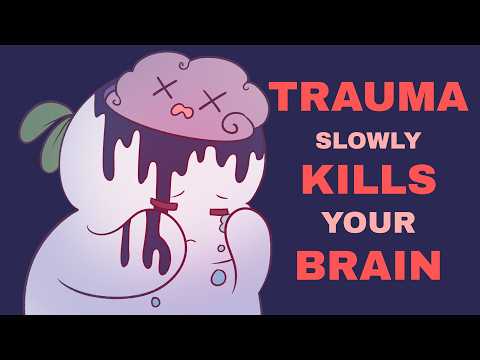
TRAUMA Affects Your Brain More Deeply Than You Think
0
林宜悉 posted on 2025/12/21Ever wondered how trauma actually changes your brain? This video dives deep into trauma neuroscience and neuroplasticity, explaining complex ideas with advanced vocabulary you can use daily. You'll also pick up practical grounding techniques and learn about therapies like EMDR, making it a super valuable watch for understanding healing!
Learn this video on the APP!
The VoiceTube App has more in-depth practice for videos!