
appeal
US /əˈpil/
UK /ə'pi:l/
- Uncountable Noun
- Ability to attract interest, attention, or desire
- Verb (Transitive/Intransitive)
- To attract interest, attention, or desire
- To request a judge or others to change a decision
A2TOEICMoreat home
US /æt hom/
UK /æt həum/
- Phrase
- In one's own residence or country.
- Adjective
- Feeling comfortable and relaxed.
at the moment
US
UK
- Adverb
- At this time; now
A1Moreaverage
US /ˈævərɪdʒ, ˈævrɪdʒ/
UK /'ævərɪdʒ/
- Noun (Countable/Uncountable)
- Total of numbers divided by the number of items
- Transitive Verb
- To add numbers then divide by the number of items
A2TOEICMorechallenge
US /ˈtʃæləndʒ/
UK /'tʃælɪndʒ/
- Noun (Countable/Uncountable)
- An activity you wish to try that may be hard to do
- Act of formally inviting someone to compete
- Transitive Verb
- To formally invite someone to compete at something
- To question the correctness of something
A2Morecritical
US /ˈkrɪtɪkəl/
UK /ˈkrɪtɪkl/
- Adjective
- Making a negative judgment of something
- Being important or serious; vital; dangerous
A2Moredue to
US /du tu/
UK /dju: tu:/
- Preposition
- Because of; owing to
- Adjective
- Attributable to; caused by.
A1Moreearl
US /ə:l/
UK /ɜ:l/
- Proper Noun
- Man with a high or noble rank in a society
- Person's name
B2Moreease
US /iz/
UK /i:z/
- Verb (Transitive/Intransitive)
- To make something less difficult, tight, stressed
- To move slowly and purposely to get in small space
- Uncountable Noun
- State of being comfortable or relaxed
A2Moreelderly
US /ˈeldərli/
UK /ˈeldəli/
- Adjective
- Being very old
A2Moreeligible
US /ˈɛlɪdʒəbəl/
UK /ˈelɪdʒəbl/
- Adjective
- Being able to be chosen or selected; suitable
B1TOEICMoreextra
US /'ekstrə/
UK /'ekstrə/
- Adjective
- More than necessary; additional
- Of especially good quality or grade.
- Noun (Countable/Uncountable)
- Items more than you need; additional items
- Person who has a small part in a movie
A2Moreflu
US /flu/
UK /flu:/
- Noun (Countable/Uncountable)
- Illness causing headache, fever etc.
- A specific instance or bout of influenza.
B2Morehave to
US /hæv tu/
UK /ˈhæv tə/
- Auxiliary Verb
- Must do
A1Morein hospital
US /ɪn ˈhɑspɪtl/
UK /ɪn ˈhɒspɪtl/
- other
- Admitted to a hospital for treatment.
A2Morein terms of
US
UK
- Phrase
- With regard to; concerning a particular aspect.
A1Morejab
US /dʒæb/
UK /dʒæb/
- Transitive Verb
- To hit with a short straight blow
- Countable Noun
- A short straight blow
- A medical injection, e.g. against a disease
B2Morekeen
US /kin/
UK /ki:n/
- Adjective
- Being eager or excited for something to happen
- Liking something; wanting to do or have; desiring
- Intransitive Verb
- To make a loud sad cry, as because someone died
B1TOEICMorelook after
US /lʊk ˈæftɚ/
UK /luk ˈɑ:ftə/
- Phrasal Verb
- To take care of someone or something
A1Moremedical
US /ˈmɛdɪkəl/
UK /ˈmedɪkl/
- Adjective
- Of or relating to physical health or medicine
- Noun
- A health check or test
A2Moremobile
US /ˈmoʊbl/
UK /'məʊbaɪl/
- Adjective
- Able to be moved or able to move
- Able to move easily from one job, place, or social class to another.
- Countable Noun
- Personal phone you take with you wherever you go
- A decorative structure that is suspended so as to turn freely in the air.
B1Morenan
US /næn/
UK /næn/
- Noun (Countable/Uncountable)
- Flat Indian bread
B2Morenorthern
US
UK
- Adjective
- In or toward the north
- Coming from the north.
- Noun
- A person who comes from the north.
- The Aurora Borealis.
B1Morenoticeable
US /ˈnoʊtɪsəbl/
UK /ˈnəʊtɪsəbl/
- Adjective
- Being easy or likely to be sensed or noticed
B1Moreonset
US /ˈɑnˌsɛt, ˈɔn-/
UK /ˈɒnset/
- Noun
- When something, e.g. an illness, starts; beginning
B2TOEICMoreoverload
US /ˌovɚˈlod/
UK /ˌəʊvə'ləʊd/
- Transitive Verb
- To make a machine work too hard so it might break
- To cause someone or something to work too hard
- Noun (Countable/Uncountable)
- Too much of something
B2Morepandemic
US /pænˈdɛmɪk/
UK /pæn'demɪk/
- Adjective
- (of a disease) existing in almost all of an area or in almost all of a group of people, animals, or plants
- Noun
- a pandemic disease
C2Morepeak
US /pik/
UK /pi:k/
- Noun
- Part of a cap that sticks out over your eyes
- The very top of a mountain
- Intransitive Verb
- To reach the highest or best point
B1Morepharmacy
US /ˈfɑ:rməsi/
UK /ˈfɑ:məsi/
- Countable Noun
- Shop where medicines are prepared and sold
B1Moreplenty
US /ˈplɛnti/
UK /'plentɪ/
- Pronoun
- When there is not too little of something; a lot
- Uncountable Noun
- A large or sufficient amount or quantity; abundance.
- A lot of something
A2Morepressure
US /ˈprɛʃɚ/
UK /'preʃə(r)/
- Noun (Countable/Uncountable)
- Anxiety caused by difficult problems
- Force, weight when pressing against a thing
- Transitive Verb
- To apply force to something
- To persuade or force someone to do something
A2TOEICMoreprevent
US /prɪˈvɛnt/
UK /prɪ'vent/
- Transitive Verb
- To stop something from happening or existing
A2TOEICMoreresident
US /ˈrɛzɪdənt, -ˌdɛnt/
UK /ˈrezɪdənt/
- Noun (Countable/Uncountable)
- Trainee doctor who works/lives in a hospital
- A person who lives in a particular place.
- Adjective
- Someone who lives in a particular place
- (of a computer program) remaining in memory.
B1TOEICMoresix times
US
UK
- Adverb
- Multiplied by six; a factor of six.
- On six occasions; six instances.
spread
US /sprɛd/
UK /spred/
- Noun (Countable/Uncountable)
- A big meal, often laid out as a buffet
- The distance between two things
- Verb (Transitive/Intransitive)
- To place over a large area; to cover a large area
- (Of ideas, gossip) to pass to and affect others
A2TOEICMorestrain
US /stren/
UK /streɪn/
- Transitive Verb
- To remove the water from (food) using a colander
- To injure a muscle, leg etc. by using it too much
- Noun (Countable/Uncountable)
- Injury to a muscle, leg etc. through overuse
- Type or variation of a disease or bacillus
B2Morestrike
US /straɪk/
UK /straɪk/
- Transitive Verb
- To hit something
- To remove or erase.
- Noun (Countable/Uncountable)
- A punch or hit
- Fact of not hitting the ball when playing baseball
A2TOEICMoretidal
US /ˈtaɪdl/
UK /ˈtaɪdl/
- Adjective
- Of the regular rise and fall of the sea level
C2Moretriple
US /ˈtrɪpəl/
UK /ˈtrɪpl/
- Noun
- Group or set of three
- A hit in baseball that enables the batter to reach third base.
- Transitive Verb
- To multiply by three; to increase threefold.
B2Moreunprecedented
US /ʌnˈprɛsɪˌdɛntɪd/
UK /ʌnˈpresɪdentɪd/
- Adjective
- Not having happened before, or to such a degree
B1Moreuptake
US /ˈʌpˌtek/
UK /ˈʌpteɪk/
- Noun
- Process of being taken in by a living organism
C1Moreurge
US /ɚdʒ/
UK /ɜ:dʒ/
- Noun (Countable/Uncountable)
- A strong desire for something
- Strong pressure on someone to do something
- Transitive Verb
- To drive something forward
- To ask or encourage someone to do something
A2Morevaccination
US /ˌvæksəˈneʃən/
UK /ˌvæksɪ'neɪʃn/
- Noun (Countable/Uncountable)
- Type of injection to prevent getting a disease
B2TOEICMorevirus
US /ˈvaɪrəs/
UK /'vaɪrəs/
- Noun
- File secretly put on computers to cause harm
- Living organism that causes disease or sickness
B1Morewave
US /wev/
UK /weɪv/
- Noun (Countable/Uncountable)
- Movement of sound, air or energy
- Deep and strong emotion that is suddenly felt
- Verb (Transitive/Intransitive)
- To cause to move side to side or back and forth
A2More
Vocabulary
- in hospital: Admitted to a hospital for treatment.
- at home: In one's own residence or country.
- six times: Multiplied by six; a factor of six.
- in terms of
- at the moment: At this time; now
- due to: Because of; owing to
- have to: Must do
- look after: To take care of someone or something
- pandemic: (of a disease) existing in almost all of an area or in almost all of a group of people, animals, or plants
- critical: Making a negative judgment of something
- period: Set amount of time during which events take place
- average: Total of numbers divided by the number of items
- urge: A strong desire for something
- plenty: When there is not too little of something; a lot
- unprecedented: Not having happened before, or to such a degree
- treat: To pay for the food or enjoyment of someone else
- expect: To believe something is probably going to happen
- strain: To remove the water from (food) using a colander
- strike: To hit something
- spread: A big meal, often laid out as a buffet
- pressure: Anxiety caused by difficult problems
- prevent: To stop something from happening or existing
- bit: Device put in a horse's mouth to control it
- keen: Being eager or excited for something to happen
- deal: To cope with something - usually troubles
- similar: Nearly the same; alike
- appeal: Ability to attract interest, attention, or desire
- ease: To make something less difficult, tight, stressed
- extra: More than necessary; additional
- challenge: An activity you wish to try that may be hard to do
- eligible: Being able to be chosen or selected; suitable
- due: When something is required or expected
- rest: Time when one relaxes, sleeps, or is inactive
- fair: Neither very good nor very bad; average
- accept: To agree to receive or take something offered
- record: Highest or most extreme level achieved
- leave: To go away from; depart
- suggest: To mention something that could be done; propose
- peak: Part of a cap that sticks out over your eyes
- moment: Very short or brief period of time
- hit: To have a negative impact on a person/place/thing
- onset: When something, e.g. an illness, starts; beginning
- resident: Trainee doctor who works/lives in a hospital
- virus: File secretly put on computers to cause harm
- medical: Of or relating to physical health or medicine
- pharmacy: Shop where medicines are prepared and sold
- elderly: Being very old
- mobile: Able to be moved or able to move
- noticeable: Being easy or likely to be sensed or noticed
- vaccination: Type of injection to prevent getting a disease
- wave: Movement of sound, air or energy
- tidal: Of the regular rise and fall of the sea level
- flu: Illness causing headache, fever etc.
- northern: In or toward the north
- triple: Group or set of three
- overload: To make a machine work too hard so it might break
- earl: Man with a high or noble rank in a society
- jab: To hit with a short straight blow
- uptake: Process of being taken in by a living organism
- nan: Flat Indian bread
Get the full experience in the app
Learn anywhere with detailed sentence and usage analysis
01:03
She took a brave step forward, leaving behind her comfort zone to chase her dreams.
Vocabulary
- brave
adj. Having courage
- comfort zone
phr. A familiar situation where one feels safe
Explanation
a brave step is a noun phrase, where brave is an adjective modifying the noun step, meaning "a courageous step".
forward is an adverb modifying step, meaning "ahead".
The whole phrase serves as the object, answering the "what" of took (verb) — she took a brave step forward.
Get the full experience in the app
Look up words anytime with pronunciation, part of speech, and usage
brave
US/brev/
UK/breɪv/
adj.Brave
v.t.To bravely face
A2 Elementary
Get the full experience in the app
Practice speaking anytime and get instant pronunciation feedback
Try this speaking exercise.
Try practicing with this sentence.
80
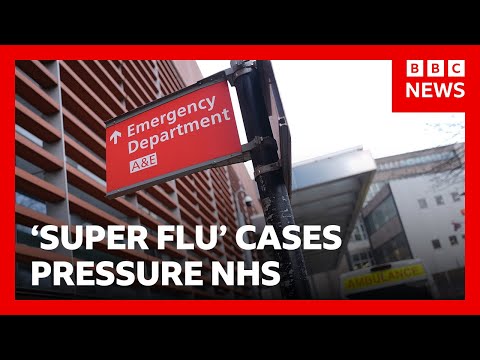
England hospitals face record flu patients | BBC News
0
林宜悉 posted on 2025/12/12Wow, England's hospitals are really feeling the pressure with a massive flu surge hitting early this year! You'll get a clear picture of the situation and learn practical phrases for discussing health news, plus pick up useful vocabulary related to public health responses like mobile vaccinations and face masks. This is a fantastic chance to boost your understanding of current events while practicing everyday English!
Learn this video on the APP!
The VoiceTube App has more in-depth practice for videos!