
afford
US /əˈfɔrd, əˈford/
UK /ə'fɔ:d/
- Transitive Verb
- To make available, to provide
- To have enough money to pay for something
A2TOEICMoreassertion
US /əˈsɜːrʃn/
UK /əˈsɜːʃn/
- Noun
- Statement made as if it were fact
B2Moreat least
US /æt list/
UK /æt li:st/
- Adverb
- As a minimum
- Not less than
- Phrase
- No less than; at the minimum
- Used to indicate that something is positive in a bad situation.
C2Moreautomatically
US /ˌɔtəˈmætɪkl:ɪ/
UK /ˌɔ:tə'mætɪklɪ/
- Adverb
- In a way not requiring control by a person
B1Moreboredom
US /ˈbɔrdəm, ˈbor-/
UK /ˈbɔ:dəm, ˈbəʊr-/
- Uncountable Noun
- Feeling of being uninterested or unexcited
B1Moreburnout
US /ˈbɜ:rnaʊt/
UK /ˈbɜ:naʊt/
- Uncountable Noun
- When you get exhausted from the effort of your job
- Noun
- Action of making the wheels of your car make smoke
C2Morechannel
US /ˈtʃænəl/
UK /'tʃænl/
- Noun (Countable/Uncountable)
- Long hole dug in the ground, e.g. to move water
- TV or radio station or its programs
- Transitive Verb
- To dig a long hole for carrying water
- To send (e.g. money) to a certain place or person
B1Morechildhood
US /ˈtʃaɪldˌhʊd/
UK /ˈtʃaɪldhʊd/
- Uncountable Noun
- The time when you are a child
B1Morecombat
US /kəmˈbæt, ˈkɑmˌbæt/
UK /'kɒmbæt/
- Verb (Transitive/Intransitive)
- To fight someone or something physically
B1Morecome back
US /kʌm bæk/
UK /kʌm bæk/
- Phrasal Verb
- To reply to someone, often forcefully
- To be remembered
A1Morecommonly
US /ˈkɑmənlɪ/
UK /ˈkɒmənli/
- Adverb
- Typically, normally; not unusually
- Widely; by many people.
A2Morecondition
US /kənˈdɪʃən/
UK /kənˈdɪʃn/
- Transitive Verb
- To improve something to make it better
- To cause to behave automatically in a certain way
- Noun (Countable/Uncountable)
- Disease or other medical problem
- The state of living you are in, e.g. good health
A2Moreconfident
US /ˈkɑnfɪdənt/
UK /ˈkɒnfɪdənt/
- Adjective
- Feeling that you can do well at something
- Having a strong belief in the truth or certainty of something.
- Noun
- A person who is self-assured and believes in their abilities.
A2Moredeal with
US /dil wɪð/
UK /di:l wið/
- Verb (Transitive/Intransitive)
- To buy or sell goods or services.
- Phrasal Verb
- To take action to solve a problem or manage a situation.
- To be about; concern.
A1Moredo in
US
UK
- Phrasal Verb
- To make completely tired out and exhausted
- To destroy or cause damage to someone
A1Moreengage in
US /ɪn'gedʒ ɪn/
UK /ɪnˈɡeɪdʒ in/
- Phrasal Verb
- To participate or become involved in something.
B1Moreessay
US /ˈɛsˌe, ɛˈse/
UK /'eseɪ/
- Noun (Countable/Uncountable)
- Short piece of written opinion on a subject
- A test of the quality of a metal or ore.
- Verb (Transitive/Intransitive)
- To attempt or try.
- To test or evaluate the quality of something.
B1Moreextra
US /'ekstrə/
UK /'ekstrə/
- Adjective
- More than necessary; additional
- Of especially good quality or grade.
- Noun (Countable/Uncountable)
- Items more than you need; additional items
- Person who has a small part in a movie
A2Morefacial
US /ˈfeʃəl/
UK /'feɪʃl/
- Noun (Countable/Uncountable)
- Treatment to improve condition of the skin of face
- Adjective
- Concerning or on the face
B2Morefalse
US /fɔ:ls/
UK /fɔ:ls/
- Adjective
- Not real or genuine
- Not true or correct; containing incorrect information.
- Adverb
- In an untrue or inaccurate way.
A2TOEICMorefor example
US
UK
- Phrase
- As an illustration or instance.
grammar
US /ˈɡræmɚ/
UK /ˈgræmə(r)/
- Uncountable Noun
- Book describing the syntactic rules of a language
- Rules explaining how words are used in a language
B1Morehave to
US /hæv tu/
UK /ˈhæv tə/
- Auxiliary Verb
- Must do
A1Morehypothetical
US /ˌhaɪpəˈθɛtɪkəl/
UK /ˌhaɪpəˈθetɪkl/
- Adjective
- Thought up, as an example; not being a real case
- Of the nature of a hypothesis; conjectural; provisional.
- Noun
- A hypothetical example or case.
- A hypothetical situation or scenario.
B2Moreimpression
US /ɪmˈprɛʃən/
UK /ɪmˈpreʃn/
- Noun (Countable/Uncountable)
- Effect or feeling resulting from an experience
- Act of pressing into a material to make a pattern
B1TOEICMorein another way
US
UK
- Phrase
- Using a different method or approach.
- Stated differently; put in other words.
in the future
US /ɪn ði ˈfjutʃɚ/
UK /in ðə ˈfju:tʃə/
- Phrase
- At a later time; in times to come.
A1Morein writing
US
UK
- Phrase
- Expressed or presented in written form, rather than spoken.
- Officially recorded in a written document, especially for legal purposes.
A1Moreinstead of
US /ɪnˈstɛd ʌv/
UK /inˈsted ɔv/
- Preposition
- When one thing is replaced by another
- Adverb
- As a substitute or alternative.
A1Morelittle bit crazy
US
UK
- Phrase
- Slightly mad or eccentric; somewhat irrational.
look at
US /lʊk æt/
UK /luk æt/
- Phrasal Verb
- To use your eyes to focus on something
- To focus your eyes on something carefully
A1Moremodal
US /ˈmodl:/
UK /'məʊdl/
- Adjective
- Verb like 'may' or 'can', showing a verb's mood
B2Morenoticeable
US /ˈnoʊtɪsəbl/
UK /ˈnəʊtɪsəbl/
- Adjective
- Being easy or likely to be sensed or noticed
B1Moreobesity
US /oˈbisɪti/
UK /əʊ'bi:sətɪ/
- Uncountable Noun
- State of being so fat it can harm your health
- The state of being far too heavy; corpulence.
B2Moreopinion
US /əˈpɪnjən/
UK /əˈpɪnjən/
- Noun
- Court judge's statement why a decision was made
- A person's thoughts on a topic
A2TOEICMoreparagraph
US /ˈpærəgræf/
UK /ˈpærəgrɑ:f/
- Noun (Countable/Uncountable)
- Section of writing dealing with one point
- A section or clause in a legal document.
- Transitive Verb
- To organize a written work into paragraphs
B1TOEICMoreparaphrase
US /ˈpærəˌfrez/
UK /ˈpærəfreɪz/
- Noun
- Summary of another person's words
B2Morepassage
US /ˈpæsɪdʒ/
UK /'pæsɪdʒ/
- Uncountable Noun
- Process of moving through time
- Countable Noun
- Journey by ship from one place to another
- Short piece from a longer song, article or speech
A2TOEICMorepossibility
US /ˌpɑsəˈbɪlɪti/
UK /ˌpɒsə'bɪlətɪ/
- Uncountable Noun
- Something with a chance of happening or being true
A2TOEICMoreprohibit
US /proˈhɪbɪt/
UK /prə'hɪbɪt/
- Transitive Verb
- To make something impossible
- To prevent, forbid to use or do something
B1TOEICMoreprove
US /pruv/
UK /pru:v/
- Transitive Verb
- To demonstrate truth by providing evidence
- To test the quality or worth of something.
- Intransitive Verb
- To turn out to be; be found to be.
A2TOEICMorequiz
US /kwɪz/
UK /kwɪz/
- Noun (Countable/Uncountable)
- A game in which players answer questions on topics
- Brief spoken or written test, given to students
- Transitive Verb
- To ask a person many questions about something
B1Morerepetition
US /ˌrɛpɪˈtɪʃən/
UK /ˌrepəˈtɪʃn/
- Noun (Countable/Uncountable)
- When something occurs again
- Saying something again
A2TOEICMoresection
US / ˈsɛkʃən/
UK /'sekʃn/
- Noun (Countable/Uncountable)
- A part of a whole
- Specific group of people from a larger group
- Transitive Verb
- To divide something into smaller parts
B1TOEICMoresimple present
US
UK
- Noun
- A verb tense used to describe habits, unchanging situations, general truths, and fixed arrangements.
A1Morespecific
US /spɪˈsɪfɪk/
UK /spəˈsɪfɪk/
- Adjective
- Precise; particular; just about that thing
- Concerning one particular thing or kind of thing
A2Morespecifically
US /spəˈsɪfɪkli/
UK /spəˈsɪfɪkli/
- Adverb
- As regards a particular thing; closely related to
- In a definite and clear manner.
A2Morestructure
US /ˈstrʌk.tʃɚ/
UK /ˈstrʌk.tʃə/
- Noun (Countable/Uncountable)
- The way in which the parts of a system or object are arranged or organized, or a system arranged in this way
- A building or other man-made object.
- Transitive Verb
- To plan, organize, or arrange the parts of something
A2TOEICMoresugary
US /ˈʃʊɡəri/
UK /ˈʃʊgəri/
- Adjective
- Too sweet; insincere
- Containing or having a taste like sugar
B1Moretalking about
US
UK
- Phrasal Verb
- To discuss a particular topic.
- To be constantly mentioning or bringing up a subject.
A1Moretense
US /tɛns/
UK /tens/
- Noun
- The use of grammar to state the time things happen
- Adjective
- Unable to relax; feeling nervous or stressed
- Stretched tight and stiff
A2TOEICMoreto let
US /tu lɛt/
UK /tu let/
- Preposition
- Indicates that a property is available for rent.
A2Moreturnover
US /ˈtɜ:rnoʊvə(r)/
UK /ˈtɜ:nəʊvə(r)/
- Noun (Countable/Uncountable)
- the rate at which employees leave a company and are replaced by new people
- the amount of business that a company does in a period of time
B1TOEICMorework in
US /wɚk ɪn/
UK /wə:k in/
- Phrasal Verb
- To make an opening for something in your schedule
- To fit person/thing into a schedule or sequence
A1Morework over
US /wɝk ˈoʊvɚ/
UK /wɜ:k ˈəuvə/
- other
- To physically attack or beat someone severely.
- To revise, review, or improve something by careful effort.
B2More
Vocabulary
- talking about: To discuss a particular topic.
- have to: Must do
- in writing: Expressed or presented in written form, rather than spoken.
- simple present: A verb tense used to describe habits, unchanging situations, general truths, and fixed arrangements.
- for example: As an illustration or instance.
- in the future: At a later time; in times to come.
- instead of: When one thing is replaced by another
- engage in: To participate or become involved in something.
- at least: As a minimum
- to let: Indicates that a property is available for rent.
- look at: To use your eyes to focus on something
- do in: To make completely tired out and exhausted
- in another way: Using a different method or approach.
- work in: To make an opening for something in your schedule
- work over: To physically attack or beat someone severely.
- little bit crazy: Slightly mad or eccentric; somewhat irrational.
- deal with
- come back: To reply to someone, often forcefully
- specific: Precise; particular; just about that thing
- present: Being in attendance; being there; having turned up
- situation: Place, position or area that something is in
- obesity: State of being so fat it can harm your health
- repetition: When something occurs again
- structure: The way in which the parts of a system or object are arranged or organized, or a system arranged in this way
- specifically: As regards a particular thing; closely related to
- confident: Feeling that you can do well at something
- hypothetical: Thought up, as an example; not being a real case
- sentence: (Of a judge) to decide the punishment of
- opinion: Court judge's statement why a decision was made
- combat: To fight someone or something physically
- bit: Device put in a horse's mouth to control it
- impression: Effect or feeling resulting from an experience
- automatically: In a way not requiring control by a person
- afford: To make available, to provide
- condition: To improve something to make it better
- tense: The use of grammar to state the time things happen
- state: Region within a country, with its own government
- grammar: Book describing the syntactic rules of a language
- section: A part of a whole
- raise: To increase a bet above another when playing cards
- extra: More than necessary; additional
- create: To make, cause, or bring into existence
- reason: To think and make conclusions in a logical manner
- essay: Short piece of written opinion on a subject
- quiz: A game in which players answer questions on topics
- prove: To demonstrate truth by providing evidence
- boredom: Feeling of being uninterested or unexcited
- suggest: To mention something that could be done; propose
- haven: Place where people can feel safe and happy
- company: Good feeling from being with someone else
- notice: To become aware by sight, touch, or hearing
- lot: What happens to a person in life from chance; fate
- commonly: Typically, normally; not unusually
- channel: Long hole dug in the ground, e.g. to move water
- important: Having power or authority
- paraphrase: Summary of another person's words
- fact: Something that is known or proved to be true
- paragraph: Section of writing dealing with one point
- facial: Treatment to improve condition of the skin of face
- false: Not real or genuine
- passage: Process of moving through time
- noticeable: Being easy or likely to be sensed or noticed
- possibility: Something with a chance of happening or being true
- burnout: When you get exhausted from the effort of your job
- prohibit: To make something impossible
- childhood: The time when you are a child
- sugary: Too sweet; insincere
- modal: Verb like 'may' or 'can', showing a verb's mood
- turnover: the rate at which employees leave a company and are replaced by new people
- assertion: Statement made as if it were fact
Get the full experience in the app
Learn anywhere with detailed sentence and usage analysis
01:03
She took a brave step forward, leaving behind her comfort zone to chase her dreams.
Vocabulary
- brave
adj. Having courage
- comfort zone
phr. A familiar situation where one feels safe
Explanation
a brave step is a noun phrase, where brave is an adjective modifying the noun step, meaning "a courageous step".
forward is an adverb modifying step, meaning "ahead".
The whole phrase serves as the object, answering the "what" of took (verb) — she took a brave step forward.
Get the full experience in the app
Look up words anytime with pronunciation, part of speech, and usage
brave
US/brev/
UK/breɪv/
adj.Brave
v.t.To bravely face
A2 Elementary
Get the full experience in the app
Practice speaking anytime and get instant pronunciation feedback
Try this speaking exercise.
Try practicing with this sentence.
80
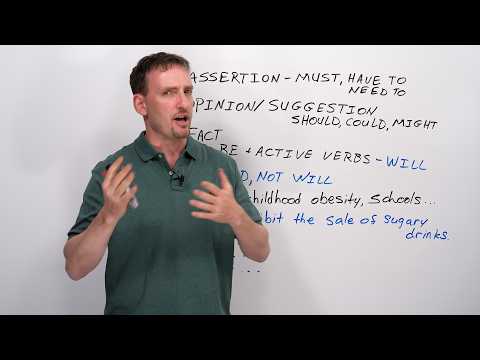
Using Modal Verbs in English Writing: MUST, SHOULD, MIGHT, COULD...
0
林宜悉 posted on 2025/12/04Ever mix up MUST, SHOULD, and MIGHT in your writing? This video breaks down how to use modal verbs effectively to express assertions and facts, which is super helpful for IELTS and TOEFL prep! You'll pick up nuanced word choices that make your English writing shine.
Learn this video on the APP!
The VoiceTube App has more in-depth practice for videos!