
ability
US /əˈbɪlɪti/
UK /ə'bɪlətɪ/
- Noun (Countable/Uncountable)
- The power, resources or skill to do something
- A particular skill or talent.
A2TOEICMoreawareness
US /əˈwɛrnɪs/
UK /əˈweənəs/
- Uncountable Noun
- Having knowledge of something
A2TOEICMoreback up
US /bæk ʌp/
UK /bæk ʌp/
- Phrasal Verb
- To save a copy of your computer data
- To confirm the truth of what someone says
A1Morebob
US /bɑ:b/
UK /bɒb/
- Intransitive Verb
- To move up and down repeatedly
- Proper Noun
- Person's name
B2Morechart
US /tʃɑ:rt/
UK /tʃɑ:t/
- Noun (Countable/Uncountable)
- Drawing showing information in a clear way
- Map of the sea or stars
- Transitive Verb
- To make a plan for future action
- To make a map of
B1Morecondition
US /kənˈdɪʃən/
UK /kənˈdɪʃn/
- Transitive Verb
- To improve something to make it better
- To cause to behave automatically in a certain way
- Noun (Countable/Uncountable)
- Disease or other medical problem
- The state of living you are in, e.g. good health
A2Moreconscious
US /ˈkɑnʃəs/
UK /ˈkɒnʃəs/
- Adjective
- Aware of what is going on around you
- Intentionally done; deliberate.
A2Moreconsciousness
US /ˈkɑnʃəsnɪs/
UK /'kɒnʃəsnəs/
- Uncountable Noun
- Process by which thoughts, ideas are processed
- A person's awareness or perception of something.
A2Morediagram
US /ˈdaɪəˌɡræm/
UK /'daɪəɡræm/
- Noun
- A drawing intended to explain how something works
- Transitive Verb
- To show or explain something by drawing a picture
B1Moredictate
US /ˈdɪkˌtet/
UK /dɪk'teɪt/
- Transitive Verb
- To speak while someone writes down your words
- To make a thing necessary
B1TOEICMorediscomfort
US /dɪsˈkʌmfərt/
UK /dɪsˈkʌmfət/
- Transitive Verb
- To cause to feel uncomfortable or not at ease
- Uncountable Noun
- Feelings of being uncomfortable or uneasy
B2Moreeliminate
US /ɪˈlɪməˌnet/
UK /ɪ'lɪmɪneɪt/
- Transitive Verb
- To completely remove; to get rid of
- To remove from a contest by beating them
B1TOEICMoreenergy
US /ˈɛnədʒi/
UK /'enədʒɪ/
- Noun (Countable/Uncountable)
- Physical or mental strength
- Enthusiasm and determination.
A2Moreenormous
US /ɪˈnɔrməs/
UK /iˈnɔ:məs/
- Adjective
- Huge; very big; very important
- Very great in size, amount, or degree.
A2Morefigure out
US /ˈfɪɡjɚ aʊt/
UK /ˈfiɡə aut/
- Phrasal Verb
- To understand the behavior of someone
- To think through logically to find a solution
- Verb (Transitive/Intransitive)
- To understand or find an answer to something.
- To find a solution to a problem or understand something.
A1Moreflip
US /flɪp/
UK /flɪp/
- Verb (Transitive/Intransitive)
- To turn your body in the air, as in gymnastics
- To move into a different position quickly
- Noun
- Act of turning your body in the air; somersault
- Movement of something from one position to another
B2Morefrequency
US /ˈfrikwənsi/
UK /'fri:kwənsɪ/
- Uncountable Noun
- Number of repetitions of (radio or sound) wave
- How often something happens
B1TOEICMorefuneral
US /ˈfjunərəl/
UK /ˈfju:nərəl/
- Noun
- Ceremony of burying, burning a dead body
- Adjective
- Relating to or characteristic of a funeral; mournful or somber.
B1Moregenetic
US /dʒəˈnɛtɪk/
UK /dʒəˈnetɪk/
- Adjective
- Of, relating to, or controlled by genes
- Relating to genes or heredity.
B1Moregoing on
US /ˈɡoɪŋ ɑn/
UK /ˈgəʊɪŋ ɔn/
- Phrasal Verb
- To continue doing something
- To happen (usually negative)
A1Moregot to
US /ɡɑt tu/
UK /gɔt tu:/
- Verb (Transitive/Intransitive)
- To arrive at some place
- To have the opportunity or permission to do something
- Phrasal Verb
- To appeal to the emotions of; move
- To finally begin to start something after a delay
A1Moregravity
US /ˈɡrævɪti/
UK /ˈgrævəti/
- Uncountable Noun
- (Of a situation) extreme seriousness
- Force making things fall towards the ground
B1TOEICMoreharmony
US /ˈhɑrməni/
UK /'hɑ:mənɪ/
- Noun (Countable/Uncountable)
- Pleasing, attractive combination of parts, things
- When musical notes sound pleasing together
B1TOEICMorehave to
US /hæv tu/
UK /ˈhæv tə/
- Auxiliary Verb
- Must do
A1Moreimaginary line
US /ɪˈmædʒəˌnɛri laɪn/
UK /iˈmædʒinəri lain/
- Noun
- A line that exists only in the mind or on paper, not in reality, used for reference or demarcation.
- A conceptual boundary or division that is not physically present but is understood or implied.
impress
US /ɪmˈprɛs/
UK /ɪm'pres/
- Transitive Verb
- To make an emotional impact upon
- To press into a soft material to make a pattern
- Noun
- A mark or design made by stamping.
A2TOEICMorein time
US /ɪn taɪm/
UK /in taim/
- Adverb
- Eventually; after a period of time.
- Not late; with enough time to spare.
- Phrase
- Eventually; before it is too late.
- According to the scheduled time; punctual.
A1Moreinfinite
US /ˈɪnfənɪt/
UK /'ɪnfɪnət/
- Adjective
- Being very large in amount
- Without an end; limitless; endless
B2Moreinvolve
US /ɪnˈvɑlv/
UK /ɪn'vɒlv/
- Transitive Verb
- To have or be included as a part of something
- To cause (a person or group) to take part in an event or activity.
A2TOEICMorelack
US /læk/
UK /læk/
- Verb (Transitive/Intransitive)
- To not have, or not have enough, of something
- Uncountable Noun
- The state of not having or not having enough of
A2TOEICMorelisten in
US /ˈlɪsən ɪn/
UK /ˈlisn in/
- Phrasal Verb
- To secretly listen to a conversation.
look at
US /lʊk æt/
UK /luk æt/
- Phrasal Verb
- To use your eyes to focus on something
- To focus your eyes on something carefully
A1Moremass
US /mæs/
UK /mæs/
- Noun (Countable/Uncountable)
- Religious ceremony in some Christian churches
- Large amount or number of something
- Transitive Verb
- To gather people or things into a large group
B1Moremolecular
US /məˈlɛkjəlɚ/
UK /mə'lekjələ(r)/
- Adjective
- About or caused by molecules
B2Moremove into
US /muv ˈɪntu/
UK /mu:v ˈɪntuː/
- Phrasal Verb
- To start living in a new house or building
- To start being involved in a new area of business or activity.
move out
US /muv aʊt/
UK /mu:v aut/
- Phrasal Verb
- To leave a house or flat permanently.
- To advance from a defensive position.
A2Moremove up
US /muv ʌp/
UK /mu:v ʌp/
- Phrasal Verb
- To advance to a higher rank or position.
- To advance in a line or queue.
B1Moremultitude
US /ˈmʌltɪˌtud, -ˌtjud/
UK /ˈmʌltɪtju:d/
- Noun (Countable/Uncountable)
- Large number of people or things; crowd
B2TOEICMorenegative
US /ˈnɛɡətɪv/
UK /'neɡətɪv/
- Noun
- The opposite to a positive electrical charge
- In grammar, containing words such as 'no' or 'not'
- Adjective
- Being harmful, unwanted or unhelpful
- In mathematics, being less than zero
A2Moreout of it
US /aʊt ʌv ɪt/
UK /aut ɔv it/
- Adjective
- Unconscious or not completely alert; dazed or confused.
- Not able to think clearly or react quickly; not with it.
A1Moreout of the box
US /aʊt əv ðə bɑks/
UK /aut əv ðə bɒks/
- other
- Thinking in an original or creative way.
- Ready to use immediately without special preparation.
B2Moreparadigm
US /ˈpærəˌdaɪm, -ˌdɪm/
UK /ˈpærədaɪm/
- Noun (Countable/Uncountable)
- A set of ideas for understanding or explaining
- Way of looking at things
B1TOEICMoreparlor
US /'pɑ:lə/
UK /'pɑ:lə/
- Noun (Countable/Uncountable)
- Room in a home, that is used for receiving guests
- Reception room, often private, in an inn or club
B2Morepositive
US /ˈpɑzɪtɪv/
UK /ˈpɒzətɪv/
- Adjective
- Showing agreement or support for something
- Being sure about something; knowing the truth
- Noun
- A photograph in which light areas are light and dark areas are dark
A2Morepoverty
US /ˈpɑvəti/
UK /ˈpɔvəti/
- Uncountable Noun
- State of being poor
- Lack of something necessary
B1Moreprior
US /ˈpraɪɚ/
UK /'praɪə(r)/
- Adjective
- Existing or coming earlier in time
- (Of a claim, etc.) more important than another one
- Noun
- Monk or priest in charge of a monastery
B1TOEICMoreprior to
US /ˈpraɪɚ tu/
UK /ˈpraiə tu:/
- Preposition
- Before a particular time or event.
C1Moreproctor
US /ˈprɑ:ktə(r)/
UK /ˈprɒktə(r)/
- Noun
- Official with responsibility for discipline
C2Moreradiate
US /ˈrediˌet/
UK /ˈreɪdieɪt/
- Verb (Transitive/Intransitive)
- To show a lot of feeling clearly
- To spread out from a center
B1Morerepresent
US /ˌrɛprɪˈzɛnt/
UK /ˌreprɪ'zent/
- Transitive Verb
- To depict art objects, figures, scenes; to portray
- To show or describe something in a particular way
A2TOEICMoreshow up
US /ʃo ʌp/
UK /ʃəu ʌp/
- Phrasal Verb
- To arrive or be seen at a place, e.g. a party
- To be noticeably better than (someone else)
A1Morestrain
US /stren/
UK /streɪn/
- Transitive Verb
- To remove the water from (food) using a colander
- To injure a muscle, leg etc. by using it too much
- Noun (Countable/Uncountable)
- Injury to a muscle, leg etc. through overuse
- Type or variation of a disease or bacillus
B2Morestructure
US /ˈstrʌk.tʃɚ/
UK /ˈstrʌk.tʃə/
- Noun (Countable/Uncountable)
- The way in which the parts of a system or object are arranged or organized, or a system arranged in this way
- A building or other man-made object.
- Transitive Verb
- To plan, organize, or arrange the parts of something
A2TOEICMoresubconscious
US /sʌbˈkɑnʃəs/
UK /ˌsʌbˈkɒnʃəs/
- Adjective
- Occurring in the mind without direct thinking
B1Moretalking about
US
UK
- Phrasal Verb
- To discuss a particular topic.
- To be constantly mentioning or bringing up a subject.
A1Morethink of
US /θɪŋk ʌv/
UK /θiŋk ɔv/
- Phrasal Verb
- To look on as (being something specific); consider
- To consider or remember something.
- Verb (Transitive/Intransitive)
- To imagine or call something to mind
A1Moreto do with
US
UK
- Phrasal Verb
- To be about something; concern
A1Moreuniverse
US /ˈjunəˌvɚs/
UK /ˈju:nɪvɜ:s/
- Noun (Countable/Uncountable)
- All of space that contains planets and stars
- Things surrounding a person, affecting their life
B2Morevibrate
US /ˈvaɪˌbret/
UK /vaɪˈbreɪt/
- Intransitive Verb
- To shake side to side quickly in small movements
B2Morevibration
US /vaɪˈbreʃən/
UK /vaɪˈbreɪʃn/
- Noun
- Shaking motion
B2Morewealth
US /wɛlθ/
UK /welθ/
- Uncountable Noun
- Amount of money or possessions you own, e.g. large
A2TOEICMore
Vocabulary
- got to: To arrive at some place
- think of: To look on as (being something specific); consider
- move into: To start living in a new house or building
- going on: To continue doing something
- in time: Eventually; after a period of time.
- back up: To save a copy of your computer data
- out of it: Unconscious or not completely alert; dazed or confused.
- move out: To leave a house or flat permanently.
- look at: To use your eyes to focus on something
- move up: To advance to a higher rank or position.
- imaginary line: A line that exists only in the mind or on paper, not in reality, used for reference or demarcation.
- prior to: Before a particular time or event.
- have to: Must do
- talking about: To discuss a particular topic.
- out of the box: Thinking in an original or creative way.
- to do with: To be about something; concern
- show up: To arrive or be seen at a place, e.g. a party
- listen in: To secretly listen to a conversation.
- figure out: To understand the behavior of someone
- conscious: Aware of what is going on around you
- enormous: Huge; very big; very important
- eliminate: To completely remove; to get rid of
- positive: Showing agreement or support for something
- structure: The way in which the parts of a system or object are arranged or organized, or a system arranged in this way
- flip: To turn your body in the air, as in gymnastics
- negative: The opposite to a positive electrical charge
- poverty: State of being poor
- strain: To remove the water from (food) using a colander
- represent: To depict art objects, figures, scenes; to portray
- environment: Natural world in which plants and animals live
- ability: The power, resources or skill to do something
- awareness: Having knowledge of something
- lack: To not have, or not have enough, of something
- gravity: (Of a situation) extreme seriousness
- condition: To improve something to make it better
- paradigm: A set of ideas for understanding or explaining
- dictate: To speak while someone writes down your words
- wonder: Surprise caused by experiencing something amazing
- universe: All of space that contains planets and stars
- consciousness: Process by which thoughts, ideas are processed
- genetic: Of, relating to, or controlled by genes
- explain: To make clear or easy to understand by describing
- form: Sports team or person's current winning record
- involve: To have or be included as a part of something
- subconscious: Occurring in the mind without direct thinking
- infinite: Being very large in amount
- mass: Religious ceremony in some Christian churches
- prior: Existing or coming earlier in time
- produce: Fresh foods such as fruits and vegetables
- mind: To be bothered or upset by something
- wealth: Amount of money or possessions you own, e.g. large
- energy: Physical or mental strength
- impress: To make an emotional impact upon
- harmony: Pleasing, attractive combination of parts, things
- frequency: Number of repetitions of (radio or sound) wave
- funeral: Ceremony of burying, burning a dead body
- control: A device designed to operate a machine
- operate: To control or handle something, such as a machine
- information: Collection of facts and details about something
- program: To make someone act or think in a certain way
- step: Movement done as part of a particular dance
- change: To exchange one set of clothes for another
- product: Item that can be bought
- income: Earned money from work, investments or business
- multitude: Large number of people or things; crowd
- chart: Drawing showing information in a clear way
- discomfort: To cause to feel uncomfortable or not at ease
- vibration: Shaking motion
- start: First time or place that a thing exists; beginning
- vibrate: To shake side to side quickly in small movements
- molecular: About or caused by molecules
- diagram: A drawing intended to explain how something works
- parlor: Room in a home, that is used for receiving guests
- radiate: To show a lot of feeling clearly
- bob: To move up and down repeatedly
- proctor: Official with responsibility for discipline
Get the full experience in the app
Learn anywhere with detailed sentence and usage analysis
01:03
She took a brave step forward, leaving behind her comfort zone to chase her dreams.
Vocabulary
- brave
adj. Having courage
- comfort zone
phr. A familiar situation where one feels safe
Explanation
a brave step is a noun phrase, where brave is an adjective modifying the noun step, meaning "a courageous step".
forward is an adverb modifying step, meaning "ahead".
The whole phrase serves as the object, answering the "what" of took (verb) — she took a brave step forward.
Get the full experience in the app
Look up words anytime with pronunciation, part of speech, and usage
brave
US/brev/
UK/breɪv/
adj.Brave
v.t.To bravely face
A2 Elementary
Get the full experience in the app
Practice speaking anytime and get instant pronunciation feedback
Try this speaking exercise.
Try practicing with this sentence.
80
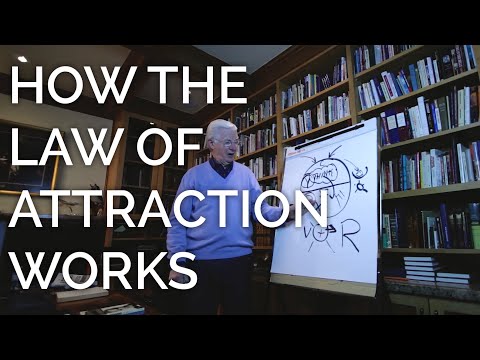
The Law of Attraction Explained
0
Jへい posted on 2025/12/02Ever wondered how to manifest your dreams? This video dives into the Law of Attraction, explaining how your subconscious programming and positive vibrations can shift your reality! You'll pick up advanced vocabulary and practical tips for daily application, making it a fantastic way to boost your English and your mindset.
Learn this video on the APP!
The VoiceTube App has more in-depth practice for videos!