
access
US /ˈæksɛs/
UK /'ækses/
- Noun (Countable/Uncountable)
- Way to enter a place, e.g. a station or stadium
- The opportunity or right to use something or to see someone.
- Transitive Verb
- To be able to use or have permission to use
A2TOEICMoreaffect
US /əˈfɛkt/
UK /ə'fekt/
- Transitive Verb
- To cause a change in something else
- To pretend to have or feel (something).
- Noun
- (Psychology) Emotion or feeling.
A2TOEICMorearticulate
US /ɑ:rˈtɪkjuleɪt/
UK /ɑ:ˈtɪkjuleɪt/
- Transitive Verb
- To express something clearly using language
- Adjective
- Having or showing the ability to speak fluently and coherently.
B2TOEICMorebetray
US /bɪˈtre/
UK /bɪ'treɪ/
- Transitive Verb
- To endanger (friend) by giving enemy information
- To reveal something unintentionally.
B1Moreblame
US /blem/
UK /bleɪm/
- Transitive Verb
- To say someone is responsible for something bad
- Noun (Countable/Uncountable)
- Act of saying someone did something bad
A2TOEICMorebump
US /bʌmp/
UK /bʌmp/
- Verb (Transitive/Intransitive)
- To bounce along over a rough surface
- To knock against with force or violence
- Noun
- Act or sound of one solid object hitting another
- Raised area on any smooth surface
B1Morechew
US /tʃu:/
UK /tʃu:/
- Verb (Transitive/Intransitive)
- To bite something many times without swallowing it
- Noun
- Act of biting something many times
B1Morechin
US /tʃɪn/
UK /tʃɪn/
- Noun
- Part of your face below your mouth above your neck
B2Moreclose up
US /kloz ʌp/
UK /kləuz ʌp/
- Countable Noun
- A photograph or film shot taken of a subject at close range.
- Adverb
- To move nearer to someone or something.
A1Morecome to think of it
US
UK
- Phrase
- Used when you suddenly remember or realize something, often leading to a change in perspective or a new thought.
A1Morecome up
US /kʌm ʌp/
UK /kʌm ʌp/
- Phrasal Verb
- To come closer to someone; approach
- (Of sun) to rise into the sky in the morning
A1Moreconnotation
US /ˌkɑnəˈteʃən/
UK /ˌkɒnəˈteɪʃn/
- Noun
- Idea associated with another one
C1TOEICMoreconversation
US /ˌkɑnvɚˈseʃən/
UK /ˌkɒnvəˈseɪʃn/
- Uncountable Noun
- Talking with other people; discussion or chat
- General communication or interaction.
A2Morecraftsman
US /ˈkræftsmən/
UK /ˈkrɑ:ftsmən/
- Countable Noun
- Creator of great skill in the manual arts
B2Morecynicism
US /ˈsɪnɪˌsɪzəm/
UK /'sɪnɪsɪzəm/
- Uncountable Noun
- Belief that bad motivates things/people are bad
B2Moredismiss
US /dɪsˈmɪs/
UK /dɪsˈmɪs/
- Transitive Verb
- To consider that something is at an end
- To end someone's employment; fire someone
A2TOEICMoredistract
US /dɪˈstrækt/
UK /dɪ'strækt/
- Transitive Verb
- To draw someone's attention away from something
B1TOEICMoredistraction
US /dɪˈstrækʃən/
UK /dɪˈstrækʃn/
- Noun (Countable/Uncountable)
- Something drawing your attention away from
- Enjoyable thing to help you forget your problems
B2Moredistress
US /dɪˈstrɛs/
UK /dɪ'stres/
- Uncountable Noun
- State of great sadness, anxiety or pain
- Condition of danger or emergency
- Transitive Verb
- To cause someone anxiety or sadness
- To be in financial trouble
B1Moredrink up
US /drɪŋk ʌp/
UK /driŋk ʌp/
- Phrasal Verb
- To finish a drink completely.
A1Moredrool
US /drul/
UK /dru:l/
- Verb (Transitive/Intransitive)
- To show that one likes something a lot
- To let spit flow out of your moth; dribble
C2Moredump
US /dʌmp/
UK /dʌmp/
- Transitive Verb
- To end a romantic relationship
- To put something somewhere without care
- Noun
- A place where waste or garbage is left.
- A copy of data from one part of a computer system to another.
B1Moreease
US /iz/
UK /i:z/
- Verb (Transitive/Intransitive)
- To make something less difficult, tight, stressed
- To move slowly and purposely to get in small space
- Uncountable Noun
- State of being comfortable or relaxed
A2Moreempathy
US /ˈɛmpəθi/
UK /ˈempəθi/
- Uncountable Noun
- Understanding how other people feel/suffer
- The ability to understand and share the feelings of another, especially when those feelings are negative or painful
B2TOEICMoreevery man for himself
US /ˈɛvri mæn fər hɪmˈsɛlf/
UK /ˈevri mæn fə hɪmˈself/
- other
- People must look after their own interests first.
B2Moreexperience in
US
UK
- Phrase
- Knowledge or skill gained from doing something for a period of time.
- Exposure to or involvement in a particular activity or situation.
B1Morefault
US /fɔlt/
UK /fɔ:lt/
- Noun (Countable/Uncountable)
- A failure or negative aspect of
- Crack in the earth where earthquakes can happen
- Transitive Verb
- To blame someone, something for a negative result
A2Morefeel for
US /fil fɔr/
UK /fi:l fɔ:/
- Phrasal Verb
- To have sympathy for someone; to empathize with someone's situation.
- To try to find something by touching it.
A1Morefew steps
US
UK
- Phrase
- A small number of steps; a short distance.
B1Morefidget
US /ˈfɪdʒɪt/
UK /'fɪdʒɪt/
- Intransitive Verb
- to make continuous, small movements because you are nervous or bored
- Noun
- a small movement that somebody makes repeatedly because they are nervous or bored
C1TOEICMoreflinch
US /flɪntʃ/
UK /flɪntʃ/
- Intransitive Verb
- To move back as in fear or pain; recoil; shrink
B2TOEICMorefor the most part
US
UK
- Phrase
- Generally; mostly; on the whole.
- Mostly; generally; in most cases.
A1Moreframe
US /frem/
UK /freɪm/
- Transitive Verb
- To make a person that is not guilty appear guilty
- To put say or write something in a careful way
- Noun (Countable/Uncountable)
- Structure that holds a picture or photo
- A person's body shape determined by their skeleton
A2TOEICMoregesture
US /ˈdʒɛstʃɚ/
UK /'dʒestʃə(r)/
- Noun (Countable/Uncountable)
- Bodily movement expressing a particular meaning
- Something you do to express gratitude, regret etc.
- Intransitive Verb
- To move your body to convey a message e.g. wave
A2Morego ahead
US /ɡo əˈhɛd/
UK /ɡəu əˈhed/
- Phrasal Verb
- To start an activity; start doing, working etc.
- To give permission to do something
- Intransitive Verb
- To start or proceed with something
- To proceed despite potential obstacles or doubts.
A1Moregot to
US /ɡɑt tu/
UK /gɔt tu:/
- Verb (Transitive/Intransitive)
- To arrive at some place
- To have the opportunity or permission to do something
- Phrasal Verb
- To appeal to the emotions of; move
- To finally begin to start something after a delay
A1Morehand on
US /hænd ɑn/
UK /hænd ɔn/
- Phrasal Verb
- To pass or transfer something physically to someone else.
- To pass or transfer knowledge, skills, or traditions to someone else.
A1Moreharrowing
US /ˈhæroɪŋ/
UK /'hærəʊɪŋ/
- Adjective
- Extremely shocking or upsetting
- Transitive Verb
- To be extremely upsetting
C1TOEICMoreharsh
US /hɑrʃ/
UK /hɑ:ʃ/
- Adjective
- Rough; tough; hard to experience or accept
- Being severe and unkind
B1Morehave to
US /hæv tu/
UK /ˈhæv tə/
- Auxiliary Verb
- Must do
A1Morein mind
US /ɪn maɪnd/
UK /in maind/
- Phrase
- Being aware of or considering something.
- To remember or consider something.
A2Morein my book
US /ɪn maɪ bʊk/
UK /ɪn maɪ bʊk/
- other
- According to my personal opinion or belief.
B2Morein real life
US /ɪn ˈriəl laɪf/
UK /in riəl laif/
- Phrase
- In the physical world; not online or in a fictional setting.
- Actually; genuinely; not made up or fictional.
A2Morein the club
US /ɪn ðə ˈklʌb/
UK /in ðə ˈklʌb/
- other
- Being a member of a group or organization.
A2Morein the way
US /ɪn ði we/
UK /in ðə wei/
- Phrase
- Obstructing someone or something; hindering progress.
- Stored or placed so as to be available or ready when needed.
A1Morein with
US /ɪn wɪð/
UK /in wið/
- Phrase
- Fashionable or popular at the moment.
- Having influence or favor with someone.
- Phrasal Verb
- To introduce or bring something new into a system or organization.
A1Moreinflection
US /ɪnˈflɛkʃən/
UK /ɪnˈflekʃn/
- Noun
- Change in a person's voice when talking
- Change in ending depending on use in a sentence
C1Moreinstinctively
US /ɪn'stɪŋktɪvlɪ/
UK /ɪn'stɪŋktɪvlɪ/
- Adverb
- Through intuition, not thought
B1TOEICMorejingle
US /ˈdʒɪŋɡəl/
UK /ˈdʒɪŋgl/
- Noun (Countable/Uncountable)
- Light ringing sound like metal things being shaken
- Catchy song as used in ads to sell products
- Intransitive Verb
- To cause light ringing sounds by shaking objects
C1Morelive wire
US /lɪv ˈwaɪɚ/
UK /lɪv ˈwaɪə/
- other
- A very energetic and lively person.
B2Morelook at
US /lʊk æt/
UK /luk æt/
- Phrasal Verb
- To use your eyes to focus on something
- To focus your eyes on something carefully
A1Morelure
US /lʊr/
UK /lʊə(r)/
- Noun (Countable/Uncountable)
- Appealing quality that attracts people
- Device used to attract animals to catch them
- Transitive Verb
- To attract someone using something appealing
B1Moremention
US /ˈmɛnʃən/
UK /'menʃn/
- Transitive Verb
- To refer to or talk or write about something
- Uncountable Noun
- Act of referring to or talking about something
- A formal acknowledgement of something
A2TOEICMoremumble
US /ˈmʌmbəl/
UK /ˈmʌmbl/
- Noun (Countable/Uncountable)
- Speech that is not clear enough or loud enough
- Intransitive Verb
- To speak without being clear or loud enough
B1Morenausea
US /ˈnɔziə, -ʒə, -siə, -ʃə/
UK /ˈnɔ:ziə/
- Uncountable Noun
- Feeling of sickness so that you feel like vomiting
- A feeling of revulsion; disgust.
B2Moreneedle
US /ˈnidl/
UK /'ni:dl/
- Countable Noun
- Part of a medical device used to inject medicine
- Very thin pointed object used in sewing
- Transitive Verb
- To upset someone by making rude or hurtful remarks
- To prick or pierce with a needle.
B1Moreof course
US /ʌv kɔː(r)s/
UK /ɔv kɔː(r)s/
- Adverb
- Sure ; Certainly
- Phrase
- For sure; certainly
A2Moreout of it
US /aʊt ʌv ɪt/
UK /aut ɔv it/
- Adjective
- Unconscious or not completely alert; dazed or confused.
- Not able to think clearly or react quickly; not with it.
A1Moreover to
US
UK
- Preposition
- Used to hand over to someone else to speak
- The responsibility is now yours
pedal
US /ˈpɛdl/
UK /ˈpedl/
- Noun
- Lever worked by the foot, e.g. the brakes of a car
- Verb (Transitive/Intransitive)
- To operate or move something with the foot.
B1Moreperformance
US / pɚˈfɔrməns/
UK /pə'fɔ:məns/
- Noun
- Act of doing something
- Activity done to entertain an audience
A2TOEICMorepersecute
US /ˈpɜ:rsɪkju:t/
UK /ˈpɜ:sɪkju:t/
- Transitive Verb
- To ill-treat, oppress or harass, as for religion
C1Morephilosophy
US /fɪˈlɑsəfi/
UK /fə'lɒsəfɪ/
- Uncountable Noun
- Study of ideas about the basic nature of life
- Attitude to life that a person has
C1Morerevolutionary
US /ˌrɛvəˈluʃəˌnɛri/
UK /ˌrevə'lu:ʃənərɪ/
- Adjective
- Marking a significant change in something
- Relating to a violent replacement of a government
- Countable Noun
- Person fighting to replace a government
B2Morescene
US /sin/
UK /si:n/
- Noun
- Incident where someone behaves angrily, badly
- View that looks like a picture
A2TOEICMorescrap
US /skræp/
UK /skræp/
- Intransitive Verb
- To fight with someone
- Noun
- A fight with someone
- Small piece of something especially paper or cloth
B1Moreshame
US /ʃem/
UK /ʃeɪm/
- Uncountable Noun
- Feeling of guilt because you did something wrong
- Transitive Verb
- To make someone feel ashamed
A2Moreshow up
US /ʃo ʌp/
UK /ʃəu ʌp/
- Phrasal Verb
- To arrive or be seen at a place, e.g. a party
- To be noticeably better than (someone else)
A1Moreshrug
US /ʃrʌɡ/
UK /ʃrʌɡ/
- Verb (Transitive/Intransitive)
- To raise the shoulders to show you don't care
B2Morestand out
US /stænd aʊt/
UK /stænd aut/
- Phrasal Verb
- To be noticeably better than other similar ones
A1Morestreetcar
US /ˈstritˌkɑr/
UK /'stri:tkɑ:(r)/
- Countable Noun
- Electric wheeled vehicle that runs on rails
C2Morestutter
US /ˈstʌtɚ/
UK /'stʌtə(r)/
- Intransitive Verb
- To speak hesitatingly with repeated sounds
- Noun
- Speaking hesitatingly with repeated sounds
B2Moresympathy
US /ˈsɪmpəθi/
UK /'sɪmpəθɪ/
- Uncountable Noun
- Feeling for other people when they are in trouble
A2TOEICMorethe bottom line
US /ði ˈbɑtəm laɪn/
UK /ðə ˈbɔtəm lain/
- Noun
- The most important thing; the essential point.
- The net income or profit of a company.
A2Morethink of
US /θɪŋk ʌv/
UK /θiŋk ɔv/
- Phrasal Verb
- To look on as (being something specific); consider
- To consider or remember something.
- Verb (Transitive/Intransitive)
- To imagine or call something to mind
A1Moreto let
US /tu lɛt/
UK /tu let/
- Preposition
- Indicates that a property is available for rent.
A2Moreto the left
US
UK
- Phrase
- In or toward the left direction.
- Situated on the left side of.
to the point
US /tu ði pɔɪnt/
UK /tu: ðə pɔint/
- Adjective
- Expressing something directly and without unnecessary detail.
- Phrase
- Relevant and pertinent to the matter at hand.
A2Moreturn away
US /tɚn əˈwe/
UK /tə:n əˈwei/
- Phrasal Verb
- To go in a different direction; not face something
- To stop people going into a place, club etc.
A1Moreuncomfortable
US /ʌnˈkʌmfətəbəl, -ˈkʌmftə-/
UK /ʌnˈkʌmftəbl/
- Adjective
- Not being relaxed; worried about something
- Causing or feeling slight pain or physical unease.
B1Moreused to
US /juzd tu/
UK /ˈju:st tə/
- Adjective
- Did regularly before, but don't do now
- Auxiliary Verb
- Have done before, but do not do now
A1Morevulnerability
US /ˌvʌlnərə'bɪlətɪ/
UK /ˌvʌlnərə'bɪlətɪ/
- Uncountable Noun
- Being weak and able to be easily hurt or damaged
- A weakness or flaw that makes something susceptible to harm or damage.
B1Moreworth
US /wɚθ/
UK /wɜ:θ/
- Noun (Countable/Uncountable)
- the financial, practical or moral value of somebody/something
- having a particular value, especially in money
- Adjective
- Having a specified value.
A2Moreworth mentioning
US
UK
- Phrase
- Important or interesting enough to be spoken about or noted.
- Significant enough to warrant attention or discussion.
B1Morewrite down
US /raɪt daʊn/
UK /rait daun/
- Phrasal Verb
- To record in writing
A1More
Vocabulary
- look at: To use your eyes to focus on something
- write down: To record in writing
- to the left: In or toward the left direction.
- used to: Did regularly before, but don't do now
- to the point: Expressing something directly and without unnecessary detail.
- for the most part: Generally; mostly; on the whole.
- in real life: In the physical world; not online or in a fictional setting.
- come to think of it: Used when you suddenly remember or realize something, often leading to a change in perspective or a new thought.
- turn away: To go in a different direction; not face something
- think of: To look on as (being something specific); consider
- experience in: Knowledge or skill gained from doing something for a period of time.
- in my book: According to my personal opinion or belief.
- have to: Must do
- in mind: Being aware of or considering something.
- of course: Sure ; Certainly
- in the club: Being a member of a group or organization.
- to let: Indicates that a property is available for rent.
- feel for: To have sympathy for someone; to empathize with someone's situation.
- out of it: Unconscious or not completely alert; dazed or confused.
- go ahead: To start an activity; start doing, working etc.
- come up: To come closer to someone; approach
- every man for himself: People must look after their own interests first.
- in with: Fashionable or popular at the moment.
- worth mentioning: Important or interesting enough to be spoken about or noted.
- close up: A photograph or film shot taken of a subject at close range.
- drink up: To finish a drink completely.
- got to: To arrive at some place
- hand on: To pass or transfer something physically to someone else.
- live wire: A very energetic and lively person.
- in the way: Obstructing someone or something; hindering progress.
- stand out
- few steps: A small number of steps; a short distance.
- show up: To arrive or be seen at a place, e.g. a party
- the bottom line: The most important thing; the essential point.
- over to: Used to hand over to someone else to speak
- articulate: To express something clearly using language
- distraction: Something drawing your attention away from
- access: Way to enter a place, e.g. a station or stadium
- vulnerability: Being weak and able to be easily hurt or damaged
- empathy: Understanding how other people feel/suffer
- matter: To be of great importance; to count
- conversation: Talking with other people; discussion or chat
- scene: Incident where someone behaves angrily, badly
- philosophy: Study of ideas about the basic nature of life
- distract: To draw someone's attention away from something
- harsh: Rough; tough; hard to experience or accept
- blame: To say someone is responsible for something bad
- distress: State of great sadness, anxiety or pain
- nausea: Feeling of sickness so that you feel like vomiting
- dump: To end a romantic relationship
- worth: the financial, practical or moral value of somebody/something
- affect: To cause a change in something else
- mention: To refer to or talk or write about something
- frame: To make a person that is not guilty appear guilty
- sympathy: Feeling for other people when they are in trouble
- ease: To make something less difficult, tight, stressed
- performance: Act of doing something
- gesture: Bodily movement expressing a particular meaning
- shame: Feeling of guilt because you did something wrong
- lure: Appealing quality that attracts people
- instinctively: Through intuition, not thought
- mind: To be bothered or upset by something
- fault: A failure or negative aspect of
- dismiss: To consider that something is at an end
- bump: To bounce along over a rough surface
- moment: Very short or brief period of time
- revolutionary: Marking a significant change in something
- pain: Strong feeling of hurt or discomfort
- scrap: To fight with someone
- fully: Completely or entirely
- chew: To bite something many times without swallowing it
- act: To behave in a certain way
- piece: A counter in a board game
- connotation: Idea associated with another one
- head: To hit a ball with your head in a game
- afraid: Worried that something bad will happen; scared
- mumble: Speech that is not clear enough or loud enough
- fidget: to make continuous, small movements because you are nervous or bored
- chin: Part of your face below your mouth above your neck
- hard: Difficult to do; difficult to understand
- betray: To endanger (friend) by giving enemy information
- finally: used especially at the beginning of a sentence to introduce the last point or idea
- needle: Part of a medical device used to inject medicine
- shrug: To raise the shoulders to show you don't care
- cynicism: Belief that bad motivates things/people are bad
- life: All the living things e.g. animals, plants, humans
- pedal: Lever worked by the foot, e.g. the brakes of a car
- stutter: To speak hesitatingly with repeated sounds
- uncomfortable: Not being relaxed; worried about something
- happen: To take place or occur
- flinch: To move back as in fear or pain; recoil; shrink
- put: To move or place a thing in a particular position
- care: To feel interest, concern, or worry
- harrowing: Extremely shocking or upsetting
- persecute: To ill-treat, oppress or harass, as for religion
- drool: To show that one likes something a lot
- inflection: Change in a person's voice when talking
- craftsman: Creator of great skill in the manual arts
- jingle: Light ringing sound like metal things being shaken
- streetcar: Electric wheeled vehicle that runs on rails
Get the full experience in the app
Learn anywhere with detailed sentence and usage analysis
01:03
She took a brave step forward, leaving behind her comfort zone to chase her dreams.
Vocabulary
- brave
adj. Having courage
- comfort zone
phr. A familiar situation where one feels safe
Explanation
a brave step is a noun phrase, where brave is an adjective modifying the noun step, meaning "a courageous step".
forward is an adverb modifying step, meaning "ahead".
The whole phrase serves as the object, answering the "what" of took (verb) — she took a brave step forward.
Get the full experience in the app
Look up words anytime with pronunciation, part of speech, and usage
brave
US/brev/
UK/breɪv/
adj.Brave
v.t.To bravely face
A2 Elementary
Get the full experience in the app
Practice speaking anytime and get instant pronunciation feedback
Try this speaking exercise.
Try practicing with this sentence.
80
0
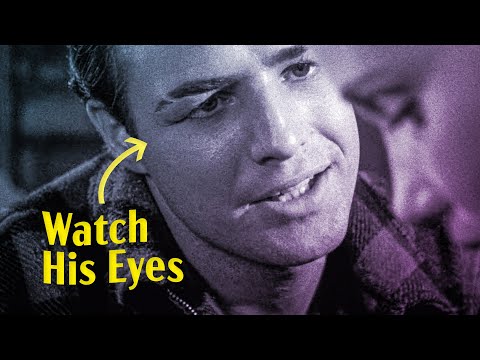
林宜悉 posted on 2025/11/17Ever wondered how Marlon Brando became such a legend? This video dives deep into his iconic performance in 'On the Waterfront,' showing you exactly how he brought emotional realism to the screen. You'll pick up some advanced vocabulary and get a fantastic look at acting techniques that changed the game!
Learn this video on the APP!
The VoiceTube App has more in-depth practice for videos!