
activate
US /ˈæktəˌvet/
UK /ˈæktɪveɪt/
- Transitive Verb
- To cause to happen; cause a chemical reaction
- To make something start working
B1Moreallergic
US /əˈlədʒɪk/
UK /əˈlɜ:dʒɪk/
- Adjective
- Of or having a reaction to an allergy
B2Moreanimate
US /ˈænəˌmet/
UK /'ænɪmeɪt/
- Transitive Verb
- To give life, energy, or motion to something
B2Moreasthma
US /ˈæzmə, ˈæs-/
UK /ˈæsmə/
- Uncountable Noun
- Lung illness causing difficulty in breathing
B2Moreat risk
US
UK
- Phrase
- In danger; likely to be harmed
ban
US /bæn/
UK /bæn/
- Transitive Verb
- To make something illegal or not allowed
- To prohibit someone from participating in a particular online community or game.
- Noun (Countable/Uncountable)
- Official action preventing something happening
- A prohibition from participating in a particular online community or game.
B1Morebasically
US /ˈbesɪkəli,-kli/
UK /ˈbeɪsɪkli/
- Adverb
- Used before you explain something simply, clearly
- In essence; when you consider the most important aspects of something.
A2Morebathe
US /beð/
UK /beɪð/
- Verb (Transitive/Intransitive)
- To be covered completely in something, e.g. light
- To swim at the beach or in a river
B1Morebuild up
US /bɪld ʌp/
UK /bild ʌp/
- Phrasal Verb
- To increase the amount; collect something
- To develop or increase something in stages
- Verb (Transitive/Intransitive)
- To increase or develop something gradually.
- To praise or encourage someone.
A1Morecardiac
US /ˈkɑ:rdiæk/
UK /ˈkɑ:diæk/
- Adjective
- Concerning the heart
B2Morechemical
US /ˈkɛmɪkəl/
UK /ˈkemɪkl/
- Noun (Countable/Uncountable)
- Basic substance produced by mixing elements
- The branch of science concerned with the substances of which matter is composed, the investigation of their properties and reactions, and the use of such reactions to form new substances.
- Adjective
- Made of various elements
A2Morechili
US /ˈtʃɪli/
UK /ˈtʃɪli/
- Noun
- Hot-tasting spice used in curry, etc.
B2Morecinnamon
US /ˈsɪnəmən/
UK /ˈsɪnəmən/
- Noun (Countable/Uncountable)
- Sweet spice used in cooking or desserts
B2Morecompound
US /kɑmˈpaUnd/
UK /'kɒmpaʊnd/
- Noun (Countable/Uncountable)
- Series of buildings that are walled or fenced off
- Chemical made up of several others
- Transitive Verb
- To pay interest on a loan including the interest
- To make something from various parts or components
B1Moreconcentrate
US /ˈkɑnsənˌtret/
UK /'kɒnsntreɪt/
- Verb (Transitive/Intransitive)
- To cause to be present in large amount or number
- To pay great attention to a task; focus
- Noun (Countable/Uncountable)
- A substance made by removing water or other diluents; a concentrated form of something.
A2Morecontest
US /ˈkɑnˌtɛst/
UK /'kɒntest/
- Noun
- Struggle or competition between rivals
- Verb (Transitive/Intransitive)
- To struggle or compete against other people
- To not accept an official or legal judgment
B1Morecool down
US /kul daʊn/
UK /ku:l daun/
- Phrasal Verb
- To become cooler; to reduce in temperature.
- To become calm and relaxed after being angry or excited.
- Intransitive Verb
- To perform light exercises after a more intense workout to gradually decrease heart rate and breathing.
A2Moredetect
US /dɪˈtɛkt/
UK /dɪˈtekt/
- Transitive Verb
- To discover or identify the presence of something
A2TOEICMoredevil
US /ˈdɛvəl/
UK /ˈdevl/
- Noun (Countable/Uncountable)
- A spirit said to be evil
- A very bad or cruel person.
- Transitive Verb
- To prepare (food) with hot or spicy seasonings.
B1Moredisease
US /dɪˈziz/
UK /dɪˈzi:z/
- Noun (Countable/Uncountable)
- Illness that affects a person, animal, or plant
- A disorder of structure or function in a plant, especially one caused by a pathogen.
- Transitive Verb
- To affect with disease; to corrupt or sicken.
A2TOEICMoreduck
US /dʌk/
UK /dʌk/
- Verb (Transitive/Intransitive)
- To avoid doing something that is difficult
- To lower your head to avoid hitting something
- Noun (Countable/Uncountable)
- Common type of water bird
B1Morefeel like
US
UK
- Intransitive Verb
- To have a desire or inclination for something.
- To have a particular quality or sensation; resemble.
A1Moreginger
US /ˈdʒɪndʒɚ/
UK /ˈdʒɪndʒə(r)/
- Adjective
- Being reddish-brown in color
- Uncountable Noun
- Root with a hot strong taste used in cooking
B2Moreheadache
US /ˈhed.eɪk/
UK /ˈhed.eɪk/
- Noun (Countable/Uncountable)
- Pain in the head
- Something that causes worry or annoyance.
B2Moreheartbeat
US /ˈhɑ:rtbi:t/
UK /ˈhɑ:tbi:t/
- Noun (Countable/Uncountable)
- Beat of your heart
- The rhythmic contraction and expansion of the heart.
C1Moreidiot
US /ˈɪdiət/
UK /'ɪdɪət/
- Noun
- A person who is foolish or not very smart
B2Morein different ways
US
UK
- Phrase
- Using various methods or approaches; with variety.
- In varying manners or styles; not uniformly.
A1Moreintense
US /ɪnˈtɛns/
UK /ɪn'tens/
- Adjective
- Very strong, great or extreme in degree
- Experiencing or showing great force or strength; extreme.
A2TOEICMorekill me
US
UK
- Interjection
- An exaggerated expression of frustration or annoyance.
- Phrase
- A direct request to end one's life, often due to unbearable suffering.
A2Morelava
US /'lɑ:və/
UK /ˈlɑ:və/
- Uncountable Noun
- Very hot liquid rock flowing from a volcano
B2Morelead to
US /lid tu/
UK /li:d tu:/
- Phrasal Verb
- To result in some action
- Verb (Transitive/Intransitive)
- To have something as a consequence or result.
A1Moremess with
US
UK
- Verb (Transitive/Intransitive)
- To interfere with or tamper with something.
- To provoke or annoy someone.
- Phrasal Verb
- To interfere with or tamper with something.
- To tease, provoke, or annoy someone.
B1Moremustard
US /ˈmʌstərd/
UK /ˈmʌstəd/
- Noun (Countable/Uncountable)
- Spicy yellow or brown condiment used to add flavor
B2Morenerve
US /nɚv/
UK /nə:v/
- Noun (Countable/Uncountable)
- Fibers in the body that enable feeling, movement
- Courage to do something that is difficult or risky
- Verb (Transitive/Intransitive)
- To summon one's courage; brace oneself.
A2Moreon fire
US /ɑn faɪr/
UK /ɔn ˈfaiə/
- Adjective
- Very successful or popular
- Burning
A2Moreover time
US /ˈovɚ taɪm/
UK /ˈəuvə taim/
- Phrase
- Gradually; as time passes.
- During a long period.
- Adverb
- Gradually; as time passes.
B1Moreoverwhelm
US /ˌoʊvərˈwelm/
UK /ˌəʊvəˈwelm/
- Transitive Verb
- To defeat something or someone completely
- To affect someone emotionally in a strong way
B1TOEICMorepant
US /pænt/
UK /pænt/
- Noun
- Short, loud breath, taken with the mouth open
- Intransitive Verb
- To breathe loudly and rapidly, with an open mouth
C1Morepractically
US /ˈpræktɪkli/
UK /ˈpræktɪkli/
- Adverb
- Nearly, almost, or in effect
- In a practical manner; realistically.
C1Moreput out
US /pʊt aʊt/
UK /put aut/
- Phrasal Verb
- To publish, e.g. a book
- To cause someone to be troubled or inconvenienced
A1Morerare
US /rɛr/
UK /reə(r)/
- Adjective
- (Of meat) cooked, but still red and juicy
- Unusual or out of the ordinary; not common
A2Morereceptor
US /rɪˈseptər /
UK /rɪˈseptə(r)/
- Noun
- A nerve ending that changes stimuli into impulses
B2Moreregulate
US /ˈrɛɡjəˌlet/
UK /ˈregjuleɪt/
- Transitive Verb
- To control something with rules or laws
- To set/adjust (a clock, etc.); restrict motion in
A2TOEICMoresauce
US /sɔs/
UK /sɔ:s/
- Noun (Countable/Uncountable)
- Food made from cooked fruit, e.g. apples or mangos
B1Morescream
US /skrim/
UK /skri:m/
- Intransitive Verb
- To make a sudden loud, high sound
- Noun
- A sudden loud, high-pitched noise
A2Moresneeze
US /sniz/
UK /sni:z/
- Noun
- Act of air suddenly being forced out of nose/mouth
- Intransitive Verb
- To suddenly force air out of nose/mouth
B1Morespicy
US /ˈspaɪsi/
UK /ˈspaɪsi/
- Adjective
- Hot and strongly flavored in taste
B1Morespike
US /spaɪk/
UK /spaɪk/
- Noun
- The top point in a graph
- Long, thin metal rod that ends in a point
- Intransitive Verb
- To go up to a point on a graph
B2Morestomach
US /ˈstʌmək/
UK /'stʌmək/
- Noun
- Place in the body where food is processed
- Verb (Transitive/Intransitive)
- to be able to accept something unpleasant
A2Morestuff
US /stʌf/
UK /stʌf/
- Uncountable Noun
- Generic description for things, materials, objects
- Transitive Verb
- To push material inside something, with force
B1Moresuffer
US / ˈsʌfɚ/
UK /'sʌfə(r)/
- Verb (Transitive/Intransitive)
- To experience pain, illness, or injury
- To allow or permit something, especially something unpleasant.
A2Moresweat
US /swɛt/
UK /swet/
- Verb (Transitive/Intransitive)
- To do an amount of hard work
- To be worried or anxious about something
- Noun (Countable/Uncountable)
- An amount of hard work
A2Moreswell
US /swɛl/
UK /swel/
- Intransitive Verb
- To feel overcome due to a strong emotion
- To increase in size or number larger than normal
- Uncountable Noun
- Being overcome from feeling a strong emotion
- Act of growing in size or increasing in number
B1Moreswell up
US /swɛl ʌp/
UK /swel ʌp/
- Phrasal Verb
- To become larger and rounder, usually due to injury or illness.
- To increase in size or number.
sympathetic
US /ˌsɪmpəˈθɛtɪk/
UK /ˌsɪmpəˈθetɪk/
- Adjective
- Feeling favorable to something; wanting to support
- Feeling concern about someone in a bad situation
A2Moretolerance
US /ˈtɑ:lərəns/
UK /ˈtɒlərəns/
- Uncountable Noun
- Ability to adjust to changes, your environment etc.
- The space between metal objects e.g. in engines
B1Moretongue
US /tʌŋ/
UK /tʌŋ/
- Noun
- Long, thin part of (e.g. shoe under the laces)
- Meat from the mouth of an animal, cooked as food
- Transitive Verb
- To using your mouth to produce musical notes
- To use your mouth to touch something
A2Moretrauma
US /ˈtraʊmə/
UK /'trɔ:mə/
- Noun (Countable/Uncountable)
- A very severe or upsetting experience
- Serious injury to part of the body
B2Moretrigger
US /ˈtrɪɡɚ/
UK /'trɪɡə(r)/
- Noun
- Lever on a gun that you pull to fire
- Device that starts a process
- Transitive Verb
- To start a process off e.g. a memory
- To cause something to begin or happen.
B1Morevomit
US /ˈvɑ:mɪt/
UK /ˈvɒmɪt/
- Noun (Countable/Uncountable)
- Food coming back up from stomach, due to illness
- Verb (Transitive/Intransitive)
- To bring (blood, etc.) up and out of mouth
B2More
Vocabulary
- on fire: Very successful or popular
- in different ways: Using various methods or approaches; with variety.
- feel like: To have a desire or inclination for something.
- over time: Gradually; as time passes.
- build up: To increase the amount; collect something
- cool down: To become cooler; to reduce in temperature.
- kill me: An exaggerated expression of frustration or annoyance.
- mess with: To interfere with or tamper with something.
- lead to: To result in some action
- put out: To publish, e.g. a book
- at risk: In danger; likely to be harmed
- swell up: To become larger and rounder, usually due to injury or illness.
- stuff: Generic description for things, materials, objects
- intense: Very strong, great or extreme in degree
- trigger: Lever on a gun that you pull to fire
- trauma: A very severe or upsetting experience
- basically: Used before you explain something simply, clearly
- dopamine: Drug used to treat shock and hypotension
- disease: Illness that affects a person, animal, or plant
- overwhelm: To defeat something or someone completely
- concentrate: To cause to be present in large amount or number
- compound: Series of buildings that are walled or fenced off
- spike: The top point in a graph
- tongue: Long, thin part of (e.g. shoe under the laces)
- brain: To strike someone forcefully on the head
- suffer: To experience pain, illness, or injury
- rare: (Of meat) cooked, but still red and juicy
- practically: Nearly, almost, or in effect
- vomit: Food coming back up from stomach, due to illness
- fart: To break wind; to emit gas from the anus
- regulate: To control something with rules or laws
- allergic: Of or having a reaction to an allergy
- sweat: To do an amount of hard work
- rate: To assess something or consider its qualities
- nerve: Fibers in the body that enable feeling, movement
- sympathetic: Feeling favorable to something; wanting to support
- mustard: Spicy yellow or brown condiment used to add flavor
- detect: To discover or identify the presence of something
- asthma: Lung illness causing difficulty in breathing
- noggin: A human head
- swell: To feel overcome due to a strong emotion
- activate: To cause to happen; cause a chemical reaction
- idiot: A person who is foolish or not very smart
- stomach: Place in the body where food is processed
- chemical: Basic substance produced by mixing elements
- tolerance: Ability to adjust to changes, your environment etc.
- arrest: To attract someone's attention and hold interest
- cardiac: Concerning the heart
- cinnamon: Sweet spice used in cooking or desserts
- pain: Strong feeling of hurt or discomfort
- system: Set of organized, planned ideas that work together
- scream: To make a sudden loud, high sound
- gastrointestinal: Concerning, affecting, or including both stomach and intestines
- animate: To give life, energy, or motion to something
- receptor: A nerve ending that changes stimuli into impulses
- ban: To make something illegal or not allowed
- contest: Struggle or competition between rivals
- head: To hit a ball with your head in a game
- great: Very good; better than before
- question: To ask for or try to get information
- sauce: Food made from cooked fruit, e.g. apples or mangos
- sneeze: Act of air suddenly being forced out of nose/mouth
- start: First time or place that a thing exists; beginning
- lava: Very hot liquid rock flowing from a volcano
- ginger: Being reddish-brown in color
- feel: To be aware of or experience an emotion, sensation
- heart: A feeling of care for others; compassion
- pant: Short, loud breath, taken with the mouth open
- headache: Pain in the head
- chili: Hot-tasting spice used in curry, etc.
- duck: To avoid doing something that is difficult
- spicy: Hot and strongly flavored in taste
- devil: A spirit said to be evil
- heartbeat: Beat of your heart
- bathe: To be covered completely in something, e.g. light
Get the full experience in the app
Learn anywhere with detailed sentence and usage analysis
01:03
She took a brave step forward, leaving behind her comfort zone to chase her dreams.
Vocabulary
- brave
adj. Having courage
- comfort zone
phr. A familiar situation where one feels safe
Explanation
a brave step is a noun phrase, where brave is an adjective modifying the noun step, meaning "a courageous step".
forward is an adverb modifying step, meaning "ahead".
The whole phrase serves as the object, answering the "what" of took (verb) — she took a brave step forward.
Get the full experience in the app
Look up words anytime with pronunciation, part of speech, and usage
brave
US/brev/
UK/breɪv/
adj.Brave
v.t.To bravely face
A2 Elementary
Get the full experience in the app
Practice speaking anytime and get instant pronunciation feedback
Try this speaking exercise.
Try practicing with this sentence.
80
0
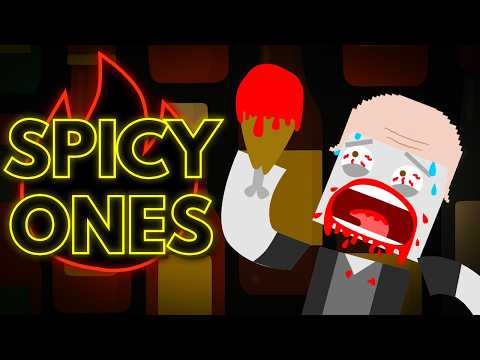
林宜悉 posted on 2025/11/17Ever wondered if spicy food could actually be dangerous? This hilarious animated video dives into the science behind the heat, explaining what capsaicin does to your body and the surprising risks of extreme spice challenges! You'll pick up some awesome new vocabulary while learning about everything from TRPV1 receptors to why you might need to call an ambulance after a hot sauce binge.
Learn this video on the APP!
The VoiceTube App has more in-depth practice for videos!