
affect
US /əˈfɛkt/
UK /ə'fekt/
- Transitive Verb
- To cause a change in something else
- To pretend to have or feel (something).
- Noun
- (Psychology) Emotion or feeling.
A2TOEICMorebagel
US
UK
- Countable Noun
- Glazed yeast-raised doughnut-shaped roll
B2Morebrute
US /brut/
UK /bru:t/
- Noun
- Man who is extremely violent or mean
B1Morechase
US /tʃes/
UK /tʃeɪs/
- Noun (Countable/Uncountable)
- Act of going after someone to catch them
- Something that one pursues or tries to obtain.
- Transitive Verb
- To go after with the intention of catching
- To try very hard to get something that you want
A2Morecheesy
US /ˈtʃizi/
UK /'tʃi:zɪ/
- Adjective
- Being of poor quality or in bad taste; not sincere
- Tasting like cheese
C1Morecommunicate
US /kəˈmjunɪˌket/
UK /kə'mju:nɪkeɪt/
- Verb (Transitive/Intransitive)
- To give and exchange information
- To convey or make known (information, feelings, etc.)
A2Moreconnection
US /kəˈnɛkʃən/
UK /kəˈnekʃn/
- Noun (Countable/Uncountable)
- Something that joins things together; being joined
- Person you know who can help you in some way
A2Morecortex
US /ˈkɔrˌteks/
UK /'kɔ:teks/
- Noun (Countable/Uncountable)
- The outer part of an organ/structure, e.g. brain
- The outer layer of the cerebrum (the cerebral cortex), other organs, or a plant.
C1Morecranberry
US /ˈkrænˌbɛri/
UK /'krænbərɪ/
- Countable Noun
- Small, dark-red berry used for juice, etc.
C1Morecuriosity
US /ˌkjʊriˈɑsɪti/
UK /ˌkjʊərɪ'ɒsətɪ/
- Noun (Countable/Uncountable)
- Something unusual and perhaps worthy of collecting
- Eager desire to learn more about something
B1Morecurious
US /ˈkjʊriəs/
UK /ˈkjʊəriəs/
- Adjective
- Wanting to know more about something
- Attracting interest by being strange or unusual
A2Moreemotional
US /ɪˈmoʃənəl/
UK /ɪˈməʊʃənl/
- Adjective
- Causing, feeling, or appealing to the emotions
- Relating to or characterized by emotion
A2Moreexercise
US /ˈɛksɚˌsaɪz/
UK /'eksəsaɪz/
- Verb (Transitive/Intransitive)
- To work out to become stronger and healthier
- To retain your ability or practice your skills
- Noun (Countable/Uncountable)
- Physical activity to increase health and strength
- Set of questions in a text book
A2Moreexplore
US /ɪkˈsplɔr/
UK /ɪk'splɔ:(r)/
- Transitive Verb
- To examine something in detail to learn about it
- To travel to a place to discover more about it
A2TOEICMorefactor
US /ˈfæktɚ/
UK /'fæktə(r)/
- Noun
- Something that influences a result
- Transitive Verb
- To consider or include in an estimate or judgment
- To find the two numbers a number can be divided by
A2TOEICMoreflexibility
US
UK
- Uncountable Noun
- The quality of being able to be bent or stretched
B1TOEICMoregrandma
US /ˈɡrændˌmɑ,/
UK /ˈgrænmɑ:/
- Noun
- Mother of your father or mother
B2Moregrandpa
US /ˈɡrændˌpɑ, ˈɡræn-, ˈɡræmˌpɑ, ˈɡræmpə/
UK /ˈgrænpɑ:/
- Countable Noun
- Your mother or father's father
B2Moregrandparent
US /ˈɡrændˌpɛrənt, -ˌpær-, ˈɡræn-/
UK /ˈgrænpeərənt/
- Noun
- Your mother or father's parent
B2Moregrumble
US /ˈɡrʌmbəl/
UK /'ɡrʌmbl/
- Intransitive Verb
- To be displeased and complain about something
B2TOEICMoregrumpy
US /ˈɡrʌmpi/
UK /'ɡrʌmpɪ/
- Adjective
- Easily annoyed and complaining
C1Morehave to
US /hæv tu/
UK /ˈhæv tə/
- Auxiliary Verb
- Must do
A1Morein the first place
US
UK
- Phrase
- To begin with; as the first point or consideration.
- From the beginning; initially.
A1Morejay
US /dʒe/
UK /dʒeɪ/
- Noun
- Bird with a blue and white pattern on the wing
B1Moremental
US /ˈmɛntl/
UK /ˈmentl/
- Adjective
- Concerning the mind
A2TOEICMorenovelty
US /ˈnɑ:vlti/
UK /ˈnɒvlti/
- Noun (Countable/Uncountable)
- Items that are unusual, interesting, or unique
B2TOEICMoreover time
US /ˈovɚ taɪm/
UK /ˈəuvə taim/
- Phrase
- Gradually; as time passes.
- During a long period.
- Adverb
- Gradually; as time passes.
B1Morepatience
US /ˈpeʃəns/
UK /ˈpeɪʃns/
- Uncountable Noun
- Ability to wait without being annoyed
- Perseverance; the ability to continue doing something despite difficulties.
B2TOEICMorepatient
US /ˈpeʃənt/
UK /'peɪʃnt/
- Adjective
- Not getting annoyed when things take a long time
- Bearing or enduring pain or trials without complaint; exhibiting forbearance.
- Countable Noun
- Person who receives medical treatment or care
A2Morephysical
US /ˈfɪzɪkəl/
UK /ˈfɪzɪkl/
- Countable Noun
- Health check at the doctors' or hospital
- Adjective
- Concerning the body of a person
- Concerning things that can be seen or touched
A2Morepie
US /paɪ/
UK /paɪ/
- Noun (Countable/Uncountable)
- Baked food with a filling encased in pastry
B1TOEICMorerespond
US /rɪˈspɑnd/
UK /rɪ'spɒnd/
- Verb (Transitive/Intransitive)
- To answer something or someone
- To have a good reaction to e.g. medical treatment
A2TOEICMorereward
US /rɪˈwɔrd/
UK /rɪ'wɔ:d/
- Transitive Verb
- To give something because of someone's good work
- To give someone money for helping the police
- Noun
- Money given for information about criminals
- Something given in recognition of service, effort, or achievement.
A2TOEICMorerewire
US /riˈwaɪr/
UK /ˌri:'waɪə(r)/
- Transitive Verb
- To put new electricity cables in (a building)
B1Moreselectivity
US /sɪˌlɛkˈtɪvɪti, ˌsilɛk-/
UK /səˌlek'tɪvətɪ/
- Uncountable Noun
- Quality of being selective
B1Moreslang
US /slæŋ/
UK /slæŋ/
- Uncountable Noun
- Words or phrases used in a very informal way
B1Moreslow down
US /slo daʊn/
UK /sləu daun/
- Phrasal Verb
- To reduce the speed
- To become less active or busy.
A1Morestuff
US /stʌf/
UK /stʌf/
- Uncountable Noun
- Generic description for things, materials, objects
- Transitive Verb
- To push material inside something, with force
B1Moretriangle
US /ˈtraɪˌæŋɡəl/
UK /ˈtraɪæŋgl/
- Noun
- Three people connected with each in a relationship
- A three-sided piece of metal used in orchestras
B1TOEICMoreupset
US /ʌpˈsɛt/
UK /ʌpˈset/
- Adjective
- (Of stomach, etc.) not functioning well; sick
- Troubled, worried, or angry
- Transitive Verb
- To turn upside down or on its side
- To trouble, worry, or anger someone
A2Moreused to
US /juzd tu/
UK /ˈju:st tə/
- Adjective
- Did regularly before, but don't do now
- Auxiliary Verb
- Have done before, but do not do now
A1Moreviral
US /ˈvaɪrəl/
UK /ˈvaɪrəl/
- Adjective
- Of or caused by a virus
- Becoming very popular by circulating quickly from person to person, especially through the Internet.
B2Morevocabulary
US /voˈkæbjəˌlɛri/
UK /və'kæbjələrɪ/
- Uncountable Noun
- Words that have to do with a particular subject
- The words that a person knows
B1TOEICMorewear down
US /wɛr daʊn/
UK /wɛə daun/
- Phrasal Verb
- To erode or diminish something gradually through constant use or exposure.
- To gradually weaken or exhaust someone, either physically or emotionally.
A2Morewith age
US
UK
- Phrase
- As someone gets older; as time passes.
- Improving in quality or value as it gets older.
A1Morewith time
US
UK
- Phrase
- As time passes; eventually.
- Given enough time; in the course of time.
A1More
Vocabulary
- used to: Did regularly before, but don't do now
- with age: As someone gets older; as time passes.
- slow down: To reduce the speed
- over time: Gradually; as time passes.
- have to: Must do
- in the first place: To begin with; as the first point or consideration.
- with time: As time passes; eventually.
- wear down: To erode or diminish something gradually through constant use or exposure.
- stuff: Generic description for things, materials, objects
- mindset: Way someone things about something
- mental: Concerning the mind
- physical: Health check at the doctors' or hospital
- vocabulary: Words that have to do with a particular subject
- dopamine: Drug used to treat shock and hypotension
- cortex: The outer part of an organ/structure, e.g. brain
- curious: Wanting to know more about something
- emotional: Causing, feeling, or appealing to the emotions
- reward: To give something because of someone's good work
- explore: To examine something in detail to learn about it
- viral: Of or caused by a virus
- increase: To make or become larger in size or amount
- slang: Words or phrases used in a very informal way
- exercise: To work out to become stronger and healthier
- affect: To cause a change in something else
- brain: To strike someone forcefully on the head
- prefrontal: Anterior to a frontal structure
- upset: (Of stomach, etc.) not functioning well; sick
- grumpy: Easily annoyed and complaining
- novelty: Items that are unusual, interesting, or unique
- plain: Obvious; clearly so, true
- curiosity: Something unusual and perhaps worthy of collecting
- chase: Act of going after someone to catch them
- factor: Something that influences a result
- communicate: To give and exchange information
- throw: To use your arm to make something fly in the air
- cheesy: Being of poor quality or in bad taste; not sincere
- connection: Something that joins things together; being joined
- respond: To answer something or someone
- amygdala: Almond-shaped structure in the brain's anterior
- patient: Not getting annoyed when things take a long time
- mind: To be bothered or upset by something
- social: Involving activity with people, e.g. in free time
- noggin: A human head
- lot: What happens to a person in life from chance; fate
- control: A device designed to operate a machine
- patience: Ability to wait without being annoyed
- active: Moving around a lot or doing many things
- change: To exchange one set of clothes for another
- flexibility: The quality of being able to be bent or stretched
- brute: Man who is extremely violent or mean
- rewire: To put new electricity cables in (a building)
- grumble: To be displeased and complain about something
- triangle: Three people connected with each in a relationship
- cranberry: Small, dark-red berry used for juice, etc.
- pie: Baked food with a filling encased in pastry
- bagel: Glazed yeast-raised doughnut-shaped roll
- selectivity: Quality of being selective
- grandma: Mother of your father or mother
- grandpa: Your mother or father's father
- jay: Bird with a blue and white pattern on the wing
- grandparent: Your mother or father's parent
Get the full experience in the app
Learn anywhere with detailed sentence and usage analysis
01:03
She took a brave step forward, leaving behind her comfort zone to chase her dreams.
Vocabulary
- brave
adj. Having courage
- comfort zone
phr. A familiar situation where one feels safe
Explanation
a brave step is a noun phrase, where brave is an adjective modifying the noun step, meaning "a courageous step".
forward is an adverb modifying step, meaning "ahead".
The whole phrase serves as the object, answering the "what" of took (verb) — she took a brave step forward.
Get the full experience in the app
Look up words anytime with pronunciation, part of speech, and usage
brave
US/brev/
UK/breɪv/
adj.Brave
v.t.To bravely face
A2 Elementary
Get the full experience in the app
Practice speaking anytime and get instant pronunciation feedback
Try this speaking exercise.
Try practicing with this sentence.
80
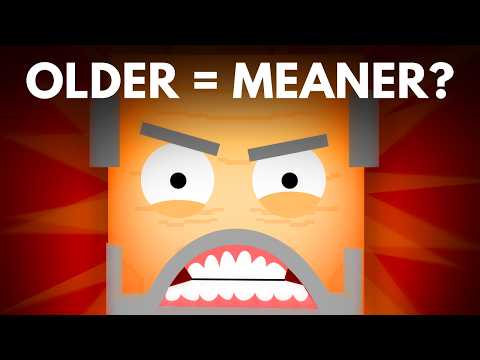
Do We Get MEANER With Age? 😡 What Aging Really Does to Your Brain.
0
林宜悉 posted on 2025/11/17Ever wonder if people really do get grumpier as they age? This video dives into the science behind aging brains, exploring topics like neuroplasticity and dopamine to explain why some older adults might seem meaner. You'll pick up some advanced vocabulary while learning fascinating facts about how our brains change over time!
Learn this video on the APP!
The VoiceTube App has more in-depth practice for videos!