
aggressively
US /əˈɡrɛsɪvlɪ/
UK /ə'ɡresɪvlɪ/
- Adverb
- Using energy and determination to achieve a goal
- In a violent, angry or threatening manner
B1Moreat a time
US /æt e taɪm/
UK /æt ə taim/
- Phrase
- Separately; one by one
- Simultaneously; together
A1Moreat home
US /æt hom/
UK /æt həum/
- Phrase
- In one's own residence or country.
- Adjective
- Feeling comfortable and relaxed.
awareness
US /əˈwɛrnɪs/
UK /əˈweənəs/
- Uncountable Noun
- Having knowledge of something
A2TOEICMoreback down
US /bæk daʊn/
UK /bæk daun/
- Phrasal Verb
- To admit you were wrong; stop claiming
A1Morebite your tongue
US
UK
- Idiom
- To stop yourself from saying something that might be offensive or upsetting.
boundary
US /ˈbaʊndəri, -dri/
UK /'baʊndrɪ/
- Noun
- A division or border to separate two areas
- In sports, a line or marker indicating the edge of the playing area.
B1Morecalm
US /kɑm/
UK /kɑ:m/
- Adjective
- Without wind or storm; quiet; peaceful
- Relaxed and not worried or angry
- Verb (Transitive/Intransitive)
- To make or become relaxed and not worried or angry
A2Moreclarity
US /ˈklærɪti/
UK /'klærətɪ/
- Uncountable Noun
- Being easy to be seen through, heard or understood
- The quality of an image being sharp and clear
B1Morecognitive
US /ˈkɑɡnɪtɪv/
UK /ˈkɒgnətɪv/
- Adjective
- The process of knowing and remembering
- Relating to the ability to think and reason.
C1Morecomment
US /ˈkɑmɛnt/
UK /'kɒment/
- Noun (Countable/Uncountable)
- Something you say, giving an opinion; remark
- An explanatory note in a computer program.
- Verb (Transitive/Intransitive)
- To say something that gives your opinion
- To add explanatory notes to a computer program.
A2Moreconvince
US /kənˈvɪns/
UK /kən'vɪns/
- Transitive Verb
- To persuade someone, or make them feel sure
A2TOEICMorecriticize
US /ˈkrɪtɪˌsaɪz/
UK /ˈkrɪtɪsaɪz/
- Transitive Verb
- To assess the work of others
- To say that someone or something is bad
B1Morecurious
US /ˈkjʊriəs/
UK /ˈkjʊəriəs/
- Adjective
- Wanting to know more about something
- Attracting interest by being strange or unusual
A2Moredisagree
US /ˌdɪsəˈɡri/
UK /ˌdɪsə'ɡri:/
- Intransitive Verb
- To have a different opinion; to fail to agree
B2TOEICMoredistract
US /dɪˈstrækt/
UK /dɪ'strækt/
- Transitive Verb
- To draw someone's attention away from something
B1TOEICMoredouble down
US
UK
- Verb (Transitive/Intransitive)
- In gambling, to double one's bet, typically in exchange for taking one more card.
- To reinforce one's commitment to a particular course of action, even in the face of opposition or risk.
A2Moreemotional
US /ɪˈmoʃənəl/
UK /ɪˈməʊʃənl/
- Adjective
- Causing, feeling, or appealing to the emotions
- Relating to or characterized by emotion
A2Moreemotional triggers
US
UK
- Noun (plural)
- Stimuli that provoke strong emotional reactions, often linked to past experiences or trauma.
escalate
US /ˈɛskəˌlet/
UK /ˈeskəleɪt/
- Verb (Transitive/Intransitive)
- To increase in size, intensity, or scope
- To become much worse or more severe
B2Moreexplode
US /ɪkˈsplod/
UK /ɪk'spləʊd/
- Verb (Transitive/Intransitive)
- To express an emotion in a sudden and loud way
- To increase in number or amount very quickly
B1Moreflexible
US /ˈflɛksəbəl/
UK /ˈfleksəbl/
- Adjective
- Bending easily
- Able to adjust to new events, requirements easily
B1TOEICMorefor a minute
US
UK
- Phrase
- For a short period of time; briefly.
- Used to indicate a sudden realization or thought.
A1Morefrustration
US /frʌˈstreʃən/
UK /frʌ'streɪʃn/
- Noun (Countable/Uncountable)
- Annoyance because things don't go the way you want
- The prevention of the progress, success, or fulfillment of something.
B1Moregrip
US /ɡrɪp/
UK /ɡrɪp/
- Verb (Transitive/Intransitive)
- To hold someone's interest
- To hold something in your hand very firmly
- Noun (Countable/Uncountable)
- Strong understanding of an idea
- Control over something or someone
A2Morehold it in
US
UK
- Phrasal Verb
- To restrain or suppress an emotion or feeling.
- To restrain or delay a bodily function, such as urination or defecation.
A1Morein fact
US /ɪn fækt/
UK /in fækt/
- Adverb
- Used to emphasize the truth of a statement, especially one that contrasts with or contradicts something else.
- Used to introduce a more detailed or surprising piece of information.
- Phrase
- Used to emphasize the truth of a statement, especially one that is surprising or contrary to what might be expected.
C1Morein the moment
US
UK
- Phrase
- At the present time; now.
- Spontaneously; without prior planning or consideration.
A1Moreinstead of
US /ɪnˈstɛd ʌv/
UK /inˈsted ɔv/
- Preposition
- When one thing is replaced by another
- Adverb
- As a substitute or alternative.
A1Morelash
US /læʃ/
UK /læʃ/
- Countable Noun
- Small hairs that grow above and below your eyes
- A quick hit with a narrow stick or whip
- Transitive Verb
- To hit something violently or forcefully
- To tie something in place tightly
B2Morelash out
US /læʃ aʊt/
UK /læʃ aut/
- Phrasal Verb
- To suddenly attempt to hit someone or something.
- To criticize someone angrily.
A1Morelight on
US /laɪt ɑn/
UK /lait ɔn/
- Phrasal Verb
- To illuminate something.
- To discover something unexpectedly.
- Adjective
- Gentle or delicate in the use of something.
A1Moremove on
US /muv ɑn/
UK /mu:v ɔn/
- Phrasal Verb
- To decide to change or go to a different place
- To start talking about something different.
A1Moreno matter
US
UK
- Conjunction
- Regardless of; it does not matter.
- Adverb
- Regardless of; it is not important
A1Moreof course
US /ʌv kɔː(r)s/
UK /ɔv kɔː(r)s/
- Adverb
- Sure ; Certainly
- Phrase
- For sure; certainly
A2Moreover time
US /ˈovɚ taɪm/
UK /ˈəuvə taim/
- Phrase
- Gradually; as time passes.
- During a long period.
- Adverb
- Gradually; as time passes.
B1Morepile up
US /paɪl ʌp/
UK /pail ʌp/
- Phrasal Verb
- To put things on top of each other to form a pile
- To increase in quantity or amount.
- Verb (Transitive/Intransitive)
- To accumulate or increase in quantity.
B1Morepractice
US /ˈpræktɪs/
UK /'præktɪs/
- Noun
- The office and place for legal or medical work
- Doing something many times to become better at it
- Verb (Transitive/Intransitive)
- To work as a doctor or lawyer
- To live according to the teachings of a religion
A2TOEICMorepretend
US /prɪˈtɛnd/
UK /prɪ'tend/
- Verb (Transitive/Intransitive)
- To act as if something is true when it is not
- Adjective
- Not real; imaginary.
A2TOEICMoreprogress
US /ˈprɑɡˌrɛs, -rəs, ˈproˌɡrɛs/
UK /'prəʊɡres/
- Verb (Transitive/Intransitive)
- To move forward or toward a place or goal
- To make progress; develop or improve.
- Uncountable Noun
- Act of moving forward
- The process of improving or developing something over a period of time.
A2TOEICMorerandom
US /ˈrændəm/
UK /'rændəm/
- Adjective
- Chosen, done without a particular plan or pattern
B1Morereckless
US /ˈrɛklɪs/
UK /'rekləs/
- Adjective
- Being dangerous and not caring about the results
B2Morerecognize
US /ˈrek.əɡ.naɪz/
UK /ˈrek.əɡ.naɪz/
- Transitive Verb
- To accept the truth or reality of something
- To consider something as important or special
A2TOEICMorereflect
US /rɪˈflɛkt/
UK /rɪ'flekt/
- Verb (Transitive/Intransitive)
- To indicate or be a sign of something
- To bounce back light, heat, sound from a surface
A2TOEICMorereflect on
US /rɪˈflɛkt ɑn/
UK /riˈflekt ɔn/
- Phrasal Verb
- To think deeply or carefully about something.
B2Morereflector
US /rɪˈflɛktɚ/
UK /rɪˈflektə(r)/
- Noun
- Thing that shines when light reflects off it
C1Moreresentful
US /rɪˈzɛntfəl/
UK /rɪˈzentfl/
- Adjective
- Angry at unfair treatment
B1Moreresponse
US /rɪˈspɑns/
UK /riˈspɔns/
- Noun
- Something said/written as an answer to something
- Reaction to something that has occurred
A2TOEICMorerise above
US /raɪz əˈbʌv/
UK /raiz əˈbʌv/
- Phrasal Verb
- To overcome or surmount a difficult situation or challenge.
- To not allow oneself to be affected by negative emotions or behaviors.
A1Moresarcastic
US /sɑrˈkæstɪk/
UK /sɑ:ˈkæstɪk/
- Adjective
- Being rude and critical
C1Moresetter
US /ˈsɛtɚ/
UK /ˈsetə(r)/
- Countable Noun
- Long-eared dog trained to fetch game
C1Moreshut down
US /ʃʌt daʊn/
UK /ʃʌt daun/
- Phrasal Verb
- To close an operating system, e.g. on a computer
- To stop a factory/machine from operating
- Transitive Verb
- To deactivate a nuclear reactor.
- To turn off a computer or other electronic device.
A2Moreslam
US /slæm/
UK /slæm/
- Transitive Verb
- To criticize sharply
- To shut with a lot of force, making a loud noise
- Noun
- Act or sound of closing a door, etc. violently
B1Moresnap
US /snæp/
UK /snæp/
- Verb (Transitive/Intransitive)
- To close your mouth quickly like biting something
- To break something dry and thin, e.g. a branch
- Countable Noun
- An informal word for a photograph
B1Moresnap back
US
UK
- Phrasal Verb
- To recover quickly from an illness, disappointment, or other setback.
- To return quickly to an original position or shape after being bent, stretched, or otherwise deformed.
A1Morestand with
US /stænd wɪð/
UK /stænd wið/
- Phrasal Verb
- To support or defend someone or something.
A1Morestew
US /stu, stju/
UK /stju:/
- Verb (Transitive/Intransitive)
- To cook meat or vegetables in hot water
- Noun (Countable/Uncountable)
- Type of dish mixing meat, vegetables, and gravy
B2Moretake over
US /tek ˈovɚ/
UK /teik ˈəuvə/
- Phrasal Verb
- To gain control of (a company) from someone else
- To assume control or possession of something.
A1Moretense up
US /tɛns ʌp/
UK /tens ʌp/
- Phrasal Verb
- To become nervous or anxious; to tighten one's muscles due to stress or fear.
A1Moretherapy
US /ˈθɛrəpi/
UK /'θerəpɪ/
- Noun (Countable/Uncountable)
- Treatment to help cure an illness
- Psychological counseling to help resolve personal or emotional problems.
B2Morethink about
US /θɪŋk əˈbaʊt/
UK /θiŋk əˈbaut/
- Phrasal Verb
- To consider something carefully.
- To remember or call to mind.
A1Moreto let
US /tu lɛt/
UK /tu let/
- Preposition
- Indicates that a property is available for rent.
A2Moretongue
US /tʌŋ/
UK /tʌŋ/
- Noun
- Long, thin part of (e.g. shoe under the laces)
- Meat from the mouth of an animal, cooked as food
- Transitive Verb
- To using your mouth to produce musical notes
- To use your mouth to touch something
A2Moretrauma
US /ˈtraʊmə/
UK /'trɔ:mə/
- Noun (Countable/Uncountable)
- A very severe or upsetting experience
- Serious injury to part of the body
B2Moretrigger
US /ˈtrɪɡɚ/
UK /'trɪɡə(r)/
- Noun
- Lever on a gun that you pull to fire
- Device that starts a process
- Transitive Verb
- To start a process off e.g. a memory
- To cause something to begin or happen.
B1Moreunder your breath
US /ˈʌndɚ jʊɚ brɛθ/
UK /ˈʌndə jɔ: breθ/
- other
- Said quietly or in a low voice, often so others can’t hear.
B1Moreupset
US /ʌpˈsɛt/
UK /ʌpˈset/
- Adjective
- (Of stomach, etc.) not functioning well; sick
- Troubled, worried, or angry
- Transitive Verb
- To turn upside down or on its side
- To trouble, worry, or anger someone
A2Morevent
US /vɛnt/
UK /vent/
- Verb (Transitive/Intransitive)
- To express anger or grievance loudly/with feeling
- Noun (Countable/Uncountable)
- Opening allowing exit/entry of gas, steam etc.
- Expression of feelings often of anger
B2Morewith practice
US
UK
- Phrase
- Through repeated exercise or performance, leading to improvement or skill.
A1Morewithdraw
US /wɪðˈdrɔ, wɪθ-/
UK /wɪð'drɔ:/
- Verb (Transitive/Intransitive)
- To take money out of a bank account
- To pull back; move away or backward from something
B1TOEICMoreyell
US /jɛl/
UK /jel/
- Noun
- A sudden loud cry or shout
- Intransitive Verb
- To shout loudly at someone in pain or excitement
B1More
Vocabulary
- over time: Gradually; as time passes.
- snap back: To recover quickly from an illness, disappointment, or other setback.
- hold it in: To restrain or suppress an emotion or feeling.
- take over: To gain control of (a company) from someone else
- in fact: Used to emphasize the truth of a statement, especially one that contrasts with or contradicts something else.
- of course: Sure ; Certainly
- emotional triggers: Stimuli that provoke strong emotional reactions, often linked to past experiences or trauma.
- stand with: To support or defend someone or something.
- under your breath: Said quietly or in a low voice, often so others can’t hear.
- tense up: To become nervous or anxious; to tighten one's muscles due to stress or fear.
- move on: To decide to change or go to a different place
- bite your tongue: To stop yourself from saying something that might be offensive or upsetting.
- at home: In one's own residence or country.
- shut down: To close an operating system, e.g. on a computer
- for a minute: For a short period of time; briefly.
- double down: In gambling, to double one's bet, typically in exchange for taking one more card.
- back down: To admit you were wrong; stop claiming
- reflect on: To think deeply or carefully about something.
- think about: To consider something carefully.
- in the moment: At the present time; now.
- lash out: To suddenly attempt to hit someone or something.
- pile up: To put things on top of each other to form a pile
- with practice: Through repeated exercise or performance, leading to improvement or skill.
- to let: Indicates that a property is available for rent.
- at a time: Separately; one by one
- rise above: To overcome or surmount a difficult situation or challenge.
- no matter: Regardless of; it does not matter.
- light on: To illuminate something.
- instead of: When one thing is replaced by another
- cognitive: The process of knowing and remembering
- recognize: To accept the truth or reality of something
- pretend: To act as if something is true when it is not
- trigger: Lever on a gun that you pull to fire
- progress: To move forward or toward a place or goal
- practice: The office and place for legal or medical work
- trauma: A very severe or upsetting experience
- therapy: Treatment to help cure an illness
- convince: To persuade someone, or make them feel sure
- random: Chosen, done without a particular plan or pattern
- curious: Wanting to know more about something
- express: To send something by fast mail
- distract: To draw someone's attention away from something
- emotional: Causing, feeling, or appealing to the emotions
- comment: Something you say, giving an opinion; remark
- frustration: Annoyance because things don't go the way you want
- reflect: To indicate or be a sign of something
- awareness: Having knowledge of something
- sarcastic: Being rude and critical
- calm: Without wind or storm; quiet; peaceful
- tongue: Long, thin part of (e.g. shoe under the laces)
- grip: To hold someone's interest
- response: Something said/written as an answer to something
- upset: (Of stomach, etc.) not functioning well; sick
- snap: To close your mouth quickly like biting something
- reckless: Being dangerous and not caring about the results
- boundary: A division or border to separate two areas
- flexible: Bending easily
- clarity: Being easy to be seen through, heard or understood
- break: To create a new record e.g. running the 100m dash
- slam: To criticize sharply
- criticize: To assess the work of others
- withdraw: To take money out of a bank account
- notice: To become aware by sight, touch, or hearing
- moment: Very short or brief period of time
- escalate: To increase in size, intensity, or scope
- important: Having power or authority
- learn: To get knowledge or skills by study or experience
- explode: To express an emotion in a sudden and loud way
- point: An item to be discussed
- head: To hit a ball with your head in a game
- step: Movement done as part of a particular dance
- question: To ask for or try to get information
- vent: To express anger or grievance loudly/with feeling
- aggressively: Using energy and determination to achieve a goal
- resentful: Angry at unfair treatment
- minute: Notes taken at a meeting to record what was said
- hold: To agree to keep something for someone
- carry: To have a child, be pregnant
- yell: A sudden loud cry or shout
- feel: To be aware of or experience an emotion, sensation
- know: To be familiar with a person or place, thing
- disagree: To have a different opinion; to fail to agree
- stew: To cook meat or vegetables in hot water
- lash: Small hairs that grow above and below your eyes
- reflector: Thing that shines when light reflects off it
- setter: Long-eared dog trained to fetch game
Get the full experience in the app
Learn anywhere with detailed sentence and usage analysis
01:03
She took a brave step forward, leaving behind her comfort zone to chase her dreams.
Vocabulary
- brave
adj. Having courage
- comfort zone
phr. A familiar situation where one feels safe
Explanation
a brave step is a noun phrase, where brave is an adjective modifying the noun step, meaning "a courageous step".
forward is an adverb modifying step, meaning "ahead".
The whole phrase serves as the object, answering the "what" of took (verb) — she took a brave step forward.
Get the full experience in the app
Look up words anytime with pronunciation, part of speech, and usage
brave
US/brev/
UK/breɪv/
adj.Brave
v.t.To bravely face
A2 Elementary
Get the full experience in the app
Practice speaking anytime and get instant pronunciation feedback
Try this speaking exercise.
Try practicing with this sentence.
80
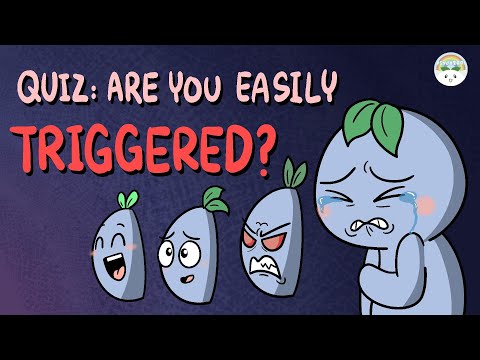
Quiz: How Emotional Trigger Proof Are You? (Self Test)
0
林宜悉 posted on 2025/11/04Ever wonder what makes you tick? Take this fun quiz to discover your emotional triggers and see how emotionally resilient you are! You'll learn practical self-reflection techniques and actionable steps rooted in Cognitive Behavioral Therapy to help you manage your reactions in daily life.
Learn this video on the APP!
The VoiceTube App has more in-depth practice for videos!