
above all
US /əˈbʌv ɔl/
UK /əˈbʌv ɔ:l/
- Phrase
- Most importantly; more than anything else.
A1Moreabove average
US /əˈbʌv ˈævərɪdʒ/
UK /əˈbʌv ˈævəridʒ/
- Phrase
- Adjective
- Better than average; exceeding the norm.
A2Moreadmission
US /ædˈmɪʃən/
UK /ədˈmɪʃn/
- Noun (Countable/Uncountable)
- Act of allowing someone to enter
- Taking responsibility for an error or mistake
B1TOEICMoreadversity
US /ædˈvə:sɪti/
UK /əd'vɜ:sətɪ/
- Uncountable Noun
- Bad or difficult situation or times; trouble
B2TOEICMoreample
US /ˈæmpəl/
UK /'æmpl/
- Adjective
- (Of quantity, amount) more than enough
B2TOEICMoreapplicant
US /ˈæplɪkənt/
UK /ˈæplɪkənt/
- Countable Noun
- Someone formally expressing interest e.g. in a job
B1TOEICMoreapplication
US /ˌæplɪˈkeʃən/
UK /ˌæplɪˈkeɪʃn/
- Noun (Countable/Uncountable)
- Software program, e.g. for smart phone
- Process of spreading a substance over a surface
A2TOEICMoreas opposed to
US
UK
- Preposition
- In contrast to; rather than.
- Instead of; in place of.
A1Moreas well as
US /æz wɛl æz/
UK /æz wel æz/
- Adverb
- Also; in addition to
- Preposition
- In addition to; and also.
A1Moreassess
US /əˈsɛs/
UK /əˈses/
- Transitive Verb
- To judge something's value or suitability
A2TOEICMoreat least
US /æt list/
UK /æt li:st/
- Adverb
- As a minimum
- Not less than
- Phrase
- No less than; at the minimum
- Used to indicate that something is positive in a bad situation.
C2Moreattainable
US
UK
- Adjective
- Able to be attained or accomplished
B1Moreattribute
US /əˈtrɪbjut/
UK /əˈtrɪbju:t/
- Transitive Verb
- (Of books, art, music) to say it was composed by
- Noun (Countable/Uncountable)
- Characteristic something has, e.g. size or color
B1TOEICMoreattribution
US /ˌætrəˈbjuʃən/
UK /ˌætrɪ'bju:ʃn/
- Noun
- Something that a specific person thinks was the cause
B1Moreaverage
US /ˈævərɪdʒ, ˈævrɪdʒ/
UK /'ævərɪdʒ/
- Noun (Countable/Uncountable)
- Total of numbers divided by the number of items
- Transitive Verb
- To add numbers then divide by the number of items
A2TOEICMorebeef up
US /bif ʌp/
UK /bi:f ʌp/
- Phrasal Verb
- To be made stronger and stronger
A2Moreblame
US /blem/
UK /bleɪm/
- Transitive Verb
- To say someone is responsible for something bad
- Noun (Countable/Uncountable)
- Act of saying someone did something bad
A2TOEICMorebump
US /bʌmp/
UK /bʌmp/
- Verb (Transitive/Intransitive)
- To bounce along over a rough surface
- To knock against with force or violence
- Noun
- Act or sound of one solid object hitting another
- Raised area on any smooth surface
B1Morecheck out
US /tʃɛk aʊt/
UK /tʃek aut/
- Phrase
- Phrasal Verb
- To find out information about something
- To take books out of a library
A1Moreclinical
US /ˈklɪnɪkəl/
UK /ˈklɪnɪkl/
- Adjective
- Concerning the treatment or observing patients
- Using scientific techniques and precision
B1Morecustomize
US /ˈkʌstəˌmaɪz/
UK /'kʌstəmaɪz/
- Transitive Verb
- To make, change according to the user's needs
C1Moredetermine
US /dɪˈtɚmɪn/
UK /dɪ'tɜ:mɪn/
- Transitive Verb
- To control exactly how something will be or act
- To establish the facts about; discover
A2TOEICMoredoom
US /dum/
UK /du:m/
- Noun (Countable/Uncountable)
- Certain of the failure or destruction of
- Very bad, unhappy future event or situation
- Transitive Verb
- To make failure, defeat or death certain for
B2Moredoorstep
US /ˈdɔ:rstep/
UK /ˈdɔ:step/
- Noun
- Wood or stone that forms the bottom of a doorway
B2Moreexternal
US /ɪkˈstɚnəl/
UK /eksˈtə:nl/
- Adjective
- Concerning foreign countries
- Concerning the outside of something; outer
A2Moreface of adversity
US
UK
- Noun
- The ability to remain strong and determined when faced with difficulties or challenges.
- Phrase
- Demonstrating resilience and strength when confronted with hardship.
- A calm and enduring demeanor when experiencing misfortune.
A1Morefeedback
US /ˈfidˌbæk/
UK /ˈfi:dbæk/
- Noun (Countable/Uncountable)
- A response or opinion, about a service, etc.
- Information about reactions to a product, a person's performance of a task, etc. which is used as a basis for improvement.
- Verb (Transitive/Intransitive)
- To give information or opinions about something to someone, especially in order to improve it.
B1TOEICMorefigure out
US /ˈfɪɡjɚ aʊt/
UK /ˈfiɡə aut/
- Phrasal Verb
- To understand the behavior of someone
- To think through logically to find a solution
- Verb (Transitive/Intransitive)
- To understand or find an answer to something.
- To find a solution to a problem or understand something.
A1Morefor example
US
UK
- Phrase
- As an illustration or instance.
fumble
US /ˈfʌmbəl/
UK /'fʌmbl/
- Verb (Transitive/Intransitive)
- To search or reach for in an awkward manner
- To drop a football when trying to catch it
B2Moregive out
US /ɡɪv aʊt/
UK /ɡiv aut/
- Phrasal Verb
- To be used up; have nothing left; fail
- To publicly state something
A1Morehasty
US /'heɪsti/
UK /ˈheɪsti/
- Adjective
- Done, made, or completed quickly or in a hurry
B1Morehave to
US /hæv tu/
UK /ˈhæv tə/
- Auxiliary Verb
- Must do
A1Moreignore
US /ɪɡˈnɔr, -ˈnor/
UK /ɪɡ'nɔ:(r)/
- Transitive Verb
- To not listen to, look at, or pay attention to
A2TOEICMoreimprove on
US /ɪmˈpruv ɑn/
UK /imˈpru:v ɒn/
- other
- To make something better than it was before.
B1Morein order to
US /ɪn ˈɔrdɚ tu/
UK /in ˈɔ:də tu:/
- Preposition
- For the purpose of; with the aim of.
- Phrase
- In a specific sequence or arrangement.
- With the aim of; for the purpose of.
C1Morein the face of
US //ɪn ðə feɪs ɑv//
UK
- Phrase
- When confronted with something difficult or challenging.
- Despite; in defiance of; when confronted with.
A1Morein the past
US
UK
- Phrase
- During a former period of time; previously.
A1Morein time
US /ɪn taɪm/
UK /in taim/
- Adverb
- Eventually; after a period of time.
- Not late; with enough time to spare.
- Phrase
- Eventually; before it is too late.
- According to the scheduled time; punctual.
A1Moreinstead of
US /ɪnˈstɛd ʌv/
UK /inˈsted ɔv/
- Preposition
- When one thing is replaced by another
- Adverb
- As a substitute or alternative.
A1Moreinterpret
US /ɪnˈtɚprɪt/
UK /ɪn'tɜ:prɪt/
- Verb (Transitive/Intransitive)
- To express so that others understand it
- To translate what is said into another language
A2TOEICMorelackluster
US /'lækˌlʌstə/
UK /'lækˌlʌstə/
- Adjective
- (Of a performance) lacking brilliance or vitality
C2TOEICMorelook at
US /lʊk æt/
UK /luk æt/
- Phrasal Verb
- To use your eyes to focus on something
- To focus your eyes on something carefully
A1Morelook back
US /lʊk bæk/
UK /luk bæk/
- Phrasal Verb
- To think about past events
A1Moremajor
US /ˈmedʒɚ/
UK /'meɪdʒə(r)/
- Countable Noun
- High-ranking officer in the army
- Main subject you study at university
- Adjective
- Main league; esp. referring to American baseball
- Important, serious, or large in scope, size
A2TOEICMoremental
US /ˈmɛntl/
UK /ˈmentl/
- Adjective
- Concerning the mind
A2TOEICMorenarrative
US /ˈnærətɪv/
UK /ˈnærətɪv/
- Noun (Countable/Uncountable)
- The telling of a story
- A spoken or written account of connected events; a story.
- Adjective
- Presented in the form of a story
B1Morenegative
US /ˈnɛɡətɪv/
UK /'neɡətɪv/
- Noun
- The opposite to a positive electrical charge
- In grammar, containing words such as 'no' or 'not'
- Adjective
- Being harmful, unwanted or unhelpful
- In mathematics, being less than zero
A2Moreof course
US /ʌv kɔː(r)s/
UK /ɔv kɔː(r)s/
- Adverb
- Sure ; Certainly
- Phrase
- For sure; certainly
A2Moreon paper
US /ɑn ˈpeɪpər/
UK /ɔn ˈpeipə/
- Phrase
- In theory or as a plan, but not necessarily in reality.
- Recorded in writing; documented.
A1Moreon the other hand
US
UK
- Phrase
- Considering a different aspect of the matter; alternatively.
A1Moreprevent
US /prɪˈvɛnt/
UK /prɪ'vent/
- Transitive Verb
- To stop something from happening or existing
A2TOEICMoreprimary
US /ˈpraɪˌmɛri, -məri/
UK /'praɪmərɪ/
- Adjective
- Most important, most basic or essential
- Happening first; earliest
B2Moreprior to
US /ˈpraɪɚ tu/
UK /ˈpraiə tu:/
- Preposition
- Before a particular time or event.
C1Morerather than
US
UK
- Adverb
- More exactly; more correctly
- Preferably; instead
- Preposition
- Instead of
A1Morereapply
US
UK
- Verb (Transitive/Intransitive)
- To try again to make something work in a situation
- Resubmit a form to try again to get a job
B1Morerejection
US /rɪˈdʒɛkʃən/
UK /rɪ'dʒekʃn/
- Uncountable Noun
- Decision that something is not good enough
- Act of refusing to consider or believe
B1Moreresearch
US /rɪˈsɚtʃ, ˈriˌsɚtʃ/
UK /rɪ'sɜ:tʃ/
- Verb (Transitive/Intransitive)
- To study in order to discover new ideas and facts
- To study the market relating to marketing products and services.
- Noun (Countable/Uncountable)
- Study done to discover new ideas and facts
- A particular area or topic of study.
A2TOEICMoreresentment
US /rɪˈzɛntmənt/
UK /rɪˈzentmənt/
- Uncountable Noun
- Feeling of anger because of unfair treatment
B1Moreresilient
US /rɪˈzɪljənt/
UK /rɪ'zɪlɪənt/
- Adjective
- Recovering quickly from something bad
- Able to withstand or recover quickly from difficult conditions.
B2Moreresult in
US /rɪˈzʌlt ɪn/
UK /riˈzʌlt in/
- Phrasal Verb
- To cause or produce as a consequence.
scribe
US /skraɪb/
UK /skraɪb/
- Noun
- History person/monk, who copied books by hand
- Transitive Verb
- To scratch or mark with a pointed instrument
C1Moreserve
US /sɚv/
UK /sɜ:v/
- Verb (Transitive/Intransitive)
- To act in a particular position or office
- To hit the first ball to an opponent in tennis etc.
A2TOEICMoresetback
US /ˈsɛtˌbæk/
UK /'setbæk/
- Noun (Countable/Uncountable)
- Unfortunate happening that hinders or frustrates
C1TOEICMoreshoo
US /ʃu/
UK /ʃu:/
- Interjection
- Said to make people or animals go away
C1Morespeak to
US /spik tu/
UK /spi:k tu:/
- Verb (Transitive/Intransitive)
- To address or communicate with someone.
- To indicate or suggest something; to be relevant to.
A1Morestack
US /stæk/
UK /stæk/
- Noun (Countable/Uncountable)
- A large number or amount of something
- Large tube through which smoke exits a building
- Transitive Verb
- To arrange cards in a certain order, to cheat
- To put one thing on top of another, e.g. boxes
B1TOEICMorestack up
US /stæk ʌp/
UK /stæk ʌp/
- Phrasal Verb
- To compare with something else; measure up.
- To accumulate or increase in quantity.
A1Morestatement
US / ˈstetmənt/
UK /ˈsteɪtmənt/
- Noun (Countable/Uncountable)
- Record of activity in a bank account over time
- Act or process of saying something formally
A2TOEICMoresuch as
US /sʌtʃ æz/
UK /sʌtʃ æz/
- Preposition
- For example; like
A1Morethe following
US
UK
- Adjective
- Next in order or sequence.
- Uncountable Noun
- What is about to be said or written.
B1Moreto do with
US
UK
- Phrasal Verb
- To be about something; concern
A1Moreturn to
US /tɚn tu/
UK /tə:n tu:/
- Phrasal Verb
- To go to someone for help, advice, or information.
- To start doing or using something, often something bad or undesirable.
A1Moretweak
US /twik/
UK /twi:k/
- Transitive Verb
- To make a small change or adjustment
- To pinch or pull (something) sharply.
- Countable Noun
- A small change or adjustment
C1Moreunprepared
US /ˌʌnprɪˈpɛrd/
UK /ˌʌnprɪˈpeəd/
- Adjective
- Without preparation; not prepared for
B1More
Vocabulary
- such as: For example; like
- for example: As an illustration or instance.
- as opposed to: In contrast to; rather than.
- in order to: For the purpose of; with the aim of.
- rather than: More exactly; more correctly
- look back: To think about past events
- stack up: To compare with something else; measure up.
- as well as: Also; in addition to
- in the face of: When confronted with something difficult or challenging.
- face of adversity: The ability to remain strong and determined when faced with difficulties or challenges.
- speak to: To address or communicate with someone.
- to do with: To be about something; concern
- instead of: When one thing is replaced by another
- look at: To use your eyes to focus on something
- on paper: In theory or as a plan, but not necessarily in reality.
- above average
- at least: As a minimum
- turn to: To go to someone for help, advice, or information.
- result in: To cause or produce as a consequence.
- figure out: To understand the behavior of someone
- in the past: During a former period of time; previously.
- in time: Eventually; after a period of time.
- the following: Next in order or sequence.
- beef up: To be made stronger and stronger
- give out: To be used up; have nothing left; fail
- have to: Must do
- above all: Most importantly; more than anything else.
- improve on: To make something better than it was before.
- on the other hand : Considering a different aspect of the matter; alternatively.
- of course: Sure ; Certainly
- prior to: Before a particular time or event.
- check out
- mindset: Way someone things about something
- mental: Concerning the mind
- improve: To make, or become, something better
- determine: To control exactly how something will be or act
- average: Total of numbers divided by the number of items
- experience: Thing a person has done or that happened to them
- negative: The opposite to a positive electrical charge
- resilient: Recovering quickly from something bad
- position: Person's opinion or attitude about something
- interpret: To express so that others understand it
- failure: When things go wrong; lack of function
- research: To study in order to discover new ideas and facts
- narrative: The telling of a story
- blame: To say someone is responsible for something bad
- resentment: Feeling of anger because of unfair treatment
- prevent: To stop something from happening or existing
- statement: Record of activity in a bank account over time
- ignore: To not listen to, look at, or pay attention to
- stack: A large number or amount of something
- behavior: The way a person or thing acts; manner
- external: Concerning foreign countries
- primary: Most important, most basic or essential
- apply: To spread a substance or liquid over a surface
- compare: To consider how similar and different things are
- admission: Act of allowing someone to enter
- adversity: Bad or difficult situation or times; trouble
- assess: To judge something's value or suitability
- accept: To agree to receive or take something offered
- application: Software program, e.g. for smart phone
- attribute: (Of books, art, music) to say it was composed by
- provide: To make available; to supply for use
- doom: Certain of the failure or destruction of
- clinical: Concerning the treatment or observing patients
- setback: Unfortunate happening that hinders or frustrates
- major: High-ranking officer in the army
- serve: To act in a particular position or office
- receive: To get something someone has given or sent to you
- bump: To bounce along over a rough surface
- feedback: A response or opinion, about a service, etc.
- tweak: To make a small change or adjustment
- rejection: Decision that something is not good enough
- wrong: Action that is harmful, unjust or illegal
- ample: (Of quantity, amount) more than enough
- prepare: To make something ready for use
- hold: To agree to keep something for someone
- season: One of Spring, Summer, Autumn (Fall) and Winter
- applicant: Someone formally expressing interest e.g. in a job
- attainable: Able to be attained or accomplished
- customize: To make, change according to the user's needs
- doorstep: Wood or stone that forms the bottom of a doorway
- fumble: To search or reach for in an awkward manner
- hasty: Done, made, or completed quickly or in a hurry
- scribe: History person/monk, who copied books by hand
- lackluster: (Of a performance) lacking brilliance or vitality
- unprepared: Without preparation; not prepared for
- attribution: Something that a specific person thinks was the cause
- reapply: To try again to make something work in a situation
- shoo: Said to make people or animals go away
Get the full experience in the app
Learn anywhere with detailed sentence and usage analysis
01:03
She took a brave step forward, leaving behind her comfort zone to chase her dreams.
Vocabulary
- brave
adj. Having courage
- comfort zone
phr. A familiar situation where one feels safe
Explanation
a brave step is a noun phrase, where brave is an adjective modifying the noun step, meaning "a courageous step".
forward is an adverb modifying step, meaning "ahead".
The whole phrase serves as the object, answering the "what" of took (verb) — she took a brave step forward.
Get the full experience in the app
Look up words anytime with pronunciation, part of speech, and usage
brave
US/brev/
UK/breɪv/
adj.Brave
v.t.To bravely face
A2 Elementary
Get the full experience in the app
Practice speaking anytime and get instant pronunciation feedback
Try this speaking exercise.
Try practicing with this sentence.
80
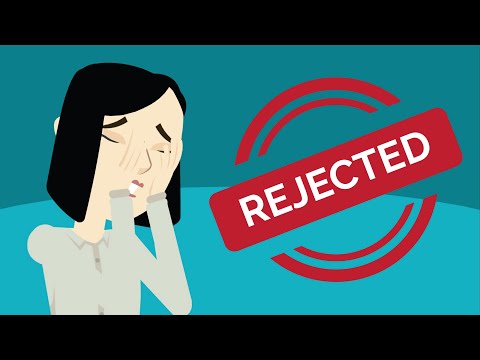
This is what happens if you’re REJECTED 🚫 from Medical School
0
林宜悉 posted on 2025/10/28Ever wondered what happens if you don't get into medical school the first time? This video dives deep into strategies for reapplying, helping you understand application weaknesses and build a stronger case. You'll pick up advanced vocabulary and complex sentence structures that are super useful for discussing resilience and planning!
Learn this video on the APP!
The VoiceTube App has more in-depth practice for videos!