
above ground
US /əˈbʌv ɡraʊnd/
UK /əˈbʌv ɡraʊnd/
- Preposition
- Located on or higher than the earth's surface.
B2Morearoma
US /əˈromə/
UK /ə'rəʊmə/
- Noun (Countable/Uncountable)
- Noticeable pleasing smell
B2Morebacteria
US /bækˈtɪriə/
UK /bæk'tɪərɪə/
- Noun (plural)
- The very small creatures that can cause disease
B2Morecabbage
US /ˈkæbɪdʒ/
UK /ˈkæbɪdʒ/
- Countable Noun
- Round green vegetable with tightly packed leaves
B2Moreclimate
US /ˈklaɪmɪt/
UK /ˈklaɪmət/
- Noun (Countable/Uncountable)
- Typical weather conditions in a particular place
- The general attitudes, feelings, or opinions that people have at a particular time.
A2Morecolonize
US /ˈkɑləˌnaɪz/
UK /'kɒlənaɪz/
- Transitive Verb
- To take control over place and live there
B2Morecommercial
US /kəˈmɚʃəl/
UK /kəˈmə:ʃəl/
- Noun
- Radio or television advertisement
- Adjective
- A notice, picture, or film telling people about a product, job, or service.
- Designed for or primarily concerned with financial success.
B1Morecompound
US /kɑmˈpaUnd/
UK /'kɒmpaʊnd/
- Noun (Countable/Uncountable)
- Series of buildings that are walled or fenced off
- Chemical made up of several others
- Transitive Verb
- To pay interest on a loan including the interest
- To make something from various parts or components
B1Morecontribute
US /kənˈtrɪbjut/
UK /kən'trɪbju:t/
- Verb (Transitive/Intransitive)
- To be a factor in causing something to happen
- To donate, give (money) or help to something
A2Morecovet
US /ˈkʌvɪt/
UK /'kʌvət/
- Transitive Verb
- To strongly desire something another person has
C1Morecrack
US /kræk/
UK /kræk/
- Noun (Countable/Uncountable)
- Attempt to achieve a goal or objective
- Unexpected and hard hit to the body
- Verb (Transitive/Intransitive)
- To attempt to achieve a goal or objective
- To hit someone or something hard and unexpectedly
B1Morecrop
US /krɑp/
UK /krɒp/
- Noun (Countable/Uncountable)
- Plants grown on a farm for food, e.g. corn or rice
- Section of short, thick hair
- Transitive Verb
- To cut something to a shorter length or size
- To cut (something, especially hair) short.
B1Morecultivate
US /ˈkʌltəˌvet/
UK /'kʌltɪveɪt/
- Transitive Verb
- To grow plants, crops etc.
- To cause to grow by education; to enlighten
B1Moredeforestation
US //diːˌfɔːr.əˈsteɪ.ʃən//
UK //diːˌfɒr.ɪˈsteɪ.ʃən//
- Uncountable Noun
- Process of removing the trees from an area
C2Moredense
US /dɛns/
UK /dens/
- Adjective
- Very thick and difficult to see, get through
- Hard to understand
B1TOEICMoredetermine
US /dɪˈtɚmɪn/
UK /dɪ'tɜ:mɪn/
- Transitive Verb
- To control exactly how something will be or act
- To establish the facts about; discover
A2TOEICMoredisperse
US /dɪˈspɚs/
UK /dɪ'spɜ:s/
- Verb (Transitive/Intransitive)
- To separate and spread out in different directions
B2Moredomesticate
US /dəˈmɛstɪˌket/
UK /də'mestɪkeɪt/
- Transitive Verb
- To train an animal as a pet or to do work; tame
- To breed a plant to be used or consumed by humans
C1Moreelevation
US /ˌɛləˈveʃən/
UK /ˌelɪˈveɪʃn/
- Uncountable Noun
- Height of a place
- Shortened form of elevation, referring to height above a reference point.
B2TOEICMoreextent
US /ɪkˈstɛnt/
UK /ɪkˈstent/
- Noun (Countable/Uncountable)
- Point, level or limit to which something reaches
- Range or space included in something
A2TOEICMoreflavor
US /ˈflevɚ/
UK /'fleɪvə/
- Noun (Countable/Uncountable)
- Quality giving something a particular character
- Taste of something, especially in food or drink
- Transitive Verb
- To add extra taste to a food
B1Moreforage
US /ˈfɔ:rɪdʒ/
UK /ˈfɒrɪdʒ/
- Uncountable Noun
- Plants that animals eat
- Intransitive Verb
- To wander looking for food as animals do naturally
B2TOEICMorefungus
US /ˈfʌŋɡəs/
UK /ˈfʌŋgəs/
- Noun (Countable/Uncountable)
- Plant, e.g. mushroom/mold, growing in damp places
B2Moreguarantee
US /ˌɡærənˈti/
UK /ˌɡærən'ti:/
- Transitive Verb
- To promise to repair a broken product
- To promise that something will happen or be done
- Countable Noun
- A promise to repair a broken product
- Promise that something will be done as expected
A2TOEICMorehave to
US /hæv tu/
UK /ˈhæv tə/
- Auxiliary Verb
- Must do
A1Morein fact
US /ɪn fækt/
UK /in fækt/
- Adverb
- Used to emphasize the truth of a statement, especially one that contrasts with or contradicts something else.
- Used to introduce a more detailed or surprising piece of information.
- Phrase
- Used to emphasize the truth of a statement, especially one that is surprising or contrary to what might be expected.
C1Morein part
US /ɪn pɑrt/
UK /in pɑ:t/
- Adverb
- To some extent; partially.
A1Moreinoculate
US /ɪ'nɑ:kjʊleɪt/
UK /ɪ'nɒkjʊleɪt/
- Transitive Verb
- To inject a disease to build up immunity to it
C2Morelie in
US /lai ɪn/
UK /lai in/
- Phrasal Verb
- To stay in bed later than usual in the morning.
A2Morelike mushrooms
US /laɪk ˈmʌʃrumz/
UK /laɪk ˈmʌʃru:mz/
- other
- Appearing or growing very quickly and suddenly.
B2Morelure
US /lʊr/
UK /lʊə(r)/
- Noun (Countable/Uncountable)
- Appealing quality that attracts people
- Device used to attract animals to catch them
- Transitive Verb
- To attract someone using something appealing
B1Morematernal
US /məˈtɜ:rnl/
UK /məˈtɜ:nl/
- Adjective
- Of mothers or being a mother
B2TOEICMoremysterious
US /mɪˈstɪriəs/
UK /mɪˈstɪəriəs/
- Adjective
- Unusual; hard to understand or work out
A2Morenative
US /ˈnetɪv/
UK /ˈneɪtɪv/
- Noun (Countable/Uncountable)
- Someone from or born in a specific country
- Original inhabitant, e.g. before others
- Adjective
- Caused by natural ability; innate
A2Moreorchard
US /ˈɔ:rtʃərd/
UK /ˈɔ:tʃəd/
- Noun (Countable/Uncountable)
- Area containing lots of fruit trees
B2Moreperceive
US /pɚˈsiv/
UK /pə'si:v/
- Transitive Verb
- To notice or become aware of something
- To think of someone or something in a certain way
B1TOEICMoreprecipitation
US /prɪˌsɪpɪˈteʃən/
UK /prɪˌsɪpɪˈteɪʃn/
- Uncountable Noun
- Material that falls from sky; rain, snow or hail
- Chemical process of separating solids from liquids
B2Moreprecise
US /prɪˈsaɪs/
UK /prɪ'saɪs/
- Adjective
- (Of language details etc.) Very accurate and exact
- (Of a time, place, quality) exact
A2TOEICMorepungent
US /ˈpʌndʒənt/
UK /ˈpʌndʒənt/
- Adjective
- Being very strong in smell or taste
C1Morerefer
US /rɪˈfɚ/
UK /rɪ'fɜ:(r)/
- Verb (Transitive/Intransitive)
- To talk about or write about something
- To give information about something
A2TOEICMoreremain
US /rɪˈmen/
UK /rɪˈmeɪn/
- Intransitive Verb
- To be left behind; to continue to exist
- To stay in a place when other people have gone
A2TOEICMorerole
US /rol/
UK /rəʊl/
- Noun
- Character played by an actor
- Part you play in an activity; job; responsibility
A2Morescent
US /sɛnt/
UK /sent/
- Transitive Verb
- To become aware of the presence of a smell, etc.
- To add smell to something
- Noun
- Pleasant smell, as of flowers or perfume
B1TOEICMoreseek
US /sik/
UK /si:k/
- Transitive Verb
- To ask someone for help
- To search for; try to find or do; look for
A2TOEICMoreshrink
US /ʃrɪŋk/
UK /ʃrɪŋk/
- Intransitive Verb
- To become smaller
- Noun
- A rude name for a psychiatrist
B1Moresix times
US
UK
- Adverb
- Multiplied by six; a factor of six.
- On six occasions; six instances.
sniff
US /snɪf/
UK /snɪf/
- Verb (Transitive/Intransitive)
- To detect something, e.g. a potential problem
- To breathe in noisily through nose, as when crying
- Noun
- A noisy breath through your nose
B1Moresniff out
US /snɪf aʊt/
UK /snif aut/
- Phrasal Verb
- To discover something by using your nose; to detect or find something.
A1Moresoil
US /sɔɪl/
UK /sɔɪl/
- Uncountable Noun
- Conditions in which something develops
- Mix of natural material in which plants grow
- Transitive Verb
- To get or become dirty
B1Moresow
US /so/
UK /saʊ/
- Transitive Verb
- To plant seeds in an area of ground
- Countable Noun
- An adult female pig.
B2Morespread
US /sprɛd/
UK /spred/
- Noun (Countable/Uncountable)
- A big meal, often laid out as a buffet
- The distance between two things
- Verb (Transitive/Intransitive)
- To place over a large area; to cover a large area
- (Of ideas, gossip) to pass to and affect others
A2TOEICMoresubterranean
US /ˌsʌbtəˈreniən/
UK /ˌsʌbtəˈreɪniən/
- Adjective
- Living or situated below the surface of the earth
C2Moresymbiotic
US /ˌsɪmbaɪ'ɒtɪk/
UK /ˌsɪmbaɪ'ɒtɪk/
- Adjective
- In an interdependent relationship
C2Moreterrain
US /təˈren/
UK /təˈreɪn/
- Uncountable Noun
- Characteristics (e.g. rough) of a piece of land
- An area of activity or knowledge.
B1Moreto some extent
US /tu sʌm ɪkˈstɛnt/
UK /tu: sʌm iksˈtent/
- Phrase
- Partially; not completely.
A1Moretrade
US /treid/
UK /treɪd/
- Noun (Countable/Uncountable)
- A specific industry, e.g. shoe making
- Action of buying and selling things in business
- Transitive Verb
- To buy, sell and exchange goods in business
- To give something in return for something else
A2TOEICMoretransplant
US /trænsˈplænt/
UK /trænsˈplɑ:nt/
- Noun
- A medical operation to replace organs of the body
- Transitive Verb
- To replace organ in the body by an operation
B2Moretruffle
US /ˈtrʌfəl/
UK /ˈtrʌfl/
- Noun (Countable/Uncountable)
- Expensive black edible fungi
C1Moreunearth
US /ʌnˈɜrθ/
UK /ʌn'ɜ:θ/
- Transitive Verb
- To discover by searching thoroughly
C1TOEICMoreunique
US /juˈnik/
UK /jʊ'ni:k/
- Adjective
- Unlike other things; being the only one like it
- Remarkably special or unusual.
A2TOEICMorevaluable
US /ˈvæljuəbəl, ˈvæljə-/
UK /ˈvæljuəbl/
- Adjective
- Being useful or important
- Being worth a lot of money
B1TOEICMorevolatile
US /ˈvɑ:lətl/
UK /ˈvɒlətaɪl/
- Adjective
- Able to easily become a gas at a low temperature
- Unstable and likely to change suddenly/extremely
B2TOEICMoreyeast
US /jist/
UK /ji:st/
- Noun (Countable/Uncountable)
- A single-celled fungi used to make bread and beer
B2More
Vocabulary
- six times: Multiplied by six; a factor of six.
- in part: To some extent; partially.
- lie in: To stay in bed later than usual in the morning.
- like mushrooms: Appearing or growing very quickly and suddenly.
- above ground: Located on or higher than the earth's surface.
- in fact: Used to emphasize the truth of a statement, especially one that contrasts with or contradicts something else.
- sniff out: To discover something by using your nose; to detect or find something.
- to some extent: Partially; not completely.
- have to: Must do
- perceive: To notice or become aware of something
- guarantee: To promise to repair a broken product
- native: Someone from or born in a specific country
- cultivate: To grow plants, crops etc.
- determine: To control exactly how something will be or act
- bacteria: The very small creatures that can cause disease
- unique: Unlike other things; being the only one like it
- climate: Typical weather conditions in a particular place
- extent: Point, level or limit to which something reaches
- contribute: To be a factor in causing something to happen
- spread: A big meal, often laid out as a buffet
- crack: Attempt to achieve a goal or objective
- commercial: Radio or television advertisement
- compound: Series of buildings that are walled or fenced off
- precise: (Of language details etc.) Very accurate and exact
- mysterious: Unusual; hard to understand or work out
- shrink: To become smaller
- draw: To attract attention to someone or something
- volatile: Able to easily become a gas at a low temperature
- remain: To be left behind; to continue to exist
- valuable: Being useful or important
- refer: To talk about or write about something
- form: Sports team or person's current winning record
- dense: Very thick and difficult to see, get through
- seek: To ask someone for help
- flavor: Quality giving something a particular character
- terrain: Characteristics (e.g. rough) of a piece of land
- aroma: Noticeable pleasing smell
- scent: To become aware of the presence of a smell, etc.
- trade: A specific industry, e.g. shoe making
- sniff: To detect something, e.g. a potential problem
- role: Character played by an actor
- lure: Appealing quality that attracts people
- produce: Fresh foods such as fruits and vegetables
- soil: Conditions in which something develops
- crop: Plants grown on a farm for food, e.g. corn or rice
- learn: To get knowledge or skills by study or experience
- fungus: Plant, e.g. mushroom/mold, growing in damp places
- allow: To admit the validity or truth of something
- disperse: To separate and spread out in different directions
- cabbage: Round green vegetable with tightly packed leaves
- yeast: A single-celled fungi used to make bread and beer
- deforestation: Process of removing the trees from an area
- find: To become aware of something that is happening
- grow: To get bigger and more mature; make plants do this
- pungent: Being very strong in smell or taste
- wind: A current of air moving approximately horizontally, especially one strong enough to be felt
- part: Division of a book
- forage: Plants that animals eat
- train: Line of people, animals moving the same direction
- maternal: Of mothers or being a mother
- subterranean: Living or situated below the surface of the earth
- colonize: To take control over place and live there
- truffle: Expensive black edible fungi
- time: Speed at which music is played; tempo
- forest: Large area with many trees
- expensive: Costing a lot of money
- precipitation: Material that falls from sky; rain, snow or hail
- autumn: The season when leaves fall off trees
- sow: To plant seeds in an area of ground
- unearth: To discover by searching thoroughly
- symbiotic: In an interdependent relationship
- domesticate: To train an animal as a pet or to do work; tame
- elevation: Height of a place
- covet: To strongly desire something another person has
- transplant: A medical operation to replace organs of the body
- orchard: Area containing lots of fruit trees
- dry: (Of humor) clever, but not obvious; ironic
- inoculate: To inject a disease to build up immunity to it
Get the full experience in the app
Learn anywhere with detailed sentence and usage analysis
01:03
She took a brave step forward, leaving behind her comfort zone to chase her dreams.
Vocabulary
- brave
adj. Having courage
- comfort zone
phr. A familiar situation where one feels safe
Explanation
a brave step is a noun phrase, where brave is an adjective modifying the noun step, meaning "a courageous step".
forward is an adverb modifying step, meaning "ahead".
The whole phrase serves as the object, answering the "what" of took (verb) — she took a brave step forward.
Get the full experience in the app
Look up words anytime with pronunciation, part of speech, and usage
brave
US/brev/
UK/breɪv/
adj.Brave
v.t.To bravely face
A2 Elementary
Get the full experience in the app
Practice speaking anytime and get instant pronunciation feedback
Try this speaking exercise.
Try practicing with this sentence.
80
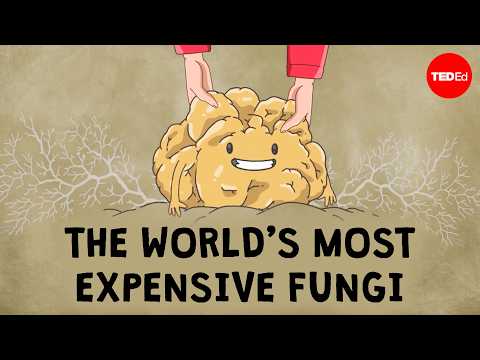
What are truffles, and why are they so expensive? - Carolyn Beans
0
Clara posted on 2025/10/25Ever wondered why truffles cost a fortune? This video dives deep into truffle biology and the fascinating world of mycorrhizal symbiosis, explaining everything from truffle hunting with dogs to the impact of climate change. You'll pick up tons of advanced vocabulary related to this unique delicacy and learn about its cultural depth!
Learn this video on the APP!
The VoiceTube App has more in-depth practice for videos!