
automatically
US /ˌɔtəˈmætɪkl:ɪ/
UK /ˌɔ:tə'mætɪklɪ/
- Adverb
- In a way not requiring control by a person
B1Moreblank
US /blæŋk/
UK /blæŋk/
- Adjective
- Showing no emotion or understanding
- Being empty; not filled out; with no writing on it
- Noun
- Empty space on a form which you fill in
A2Moreconfidence
US /ˈkɑnfɪdəns/
UK /'kɒnfɪdəns/
- Uncountable Noun
- Feeling that you can do well at something
- Feeling you can trust someone
A2Moreconfident
US /ˈkɑnfɪdənt/
UK /ˈkɒnfɪdənt/
- Adjective
- Feeling that you can do well at something
- Having a strong belief in the truth or certainty of something.
- Noun
- A person who is self-assured and believes in their abilities.
A2Morecorrect
US /kəˈrɛkt/
UK /kə'rekt/
- Adjective
- Being suitable and appropriate for an occasion
- True or accurate
- Transitive Verb
- To fix a problem
- To write marks on a piece of work to show mistakes
A2Morefluency
US /ˈfluːənsi/
UK /ˈflu:ənsi/
- Uncountable Noun
- Ability to do something well and with ease
- Ability to speak or write a language easily
B1TOEICMorefluently
US /ˈfluəntlɪ/
UK /'flu:əntlɪ/
- Adverb
- In an able and easy manner
- In a way that shows the ability to speak a language easily and well.
B1Morefor example
US
UK
- Phrase
- As an illustration or instance.
go out
US /ɡo aʊt/
UK /ɡəu aut/
- Phrase
- To leave a building (e.g. a house)
- Phrasal Verb
- (Of a fire) to burn out; be extinguished
- Go out of fashion to stop being fashionable
A1Moregrammar
US /ˈɡræmɚ/
UK /ˈgræmə(r)/
- Uncountable Noun
- Book describing the syntactic rules of a language
- Rules explaining how words are used in a language
B1Morehave to
US /hæv tu/
UK /ˈhæv tə/
- Auxiliary Verb
- Must do
A1Morehungry
US /ˈhʌŋɡri/
UK /ˈhʌŋgri/
- Adjective
- Feeling a need or want to eat food
- Feeling a need or want to eat food
B2Morein real life
US /ɪn ˈriəl laɪf/
UK /in riəl laif/
- Phrase
- In the physical world; not online or in a fictional setting.
- Actually; genuinely; not made up or fictional.
A2Moreinstead of
US /ɪnˈstɛd ʌv/
UK /inˈsted ɔv/
- Preposition
- When one thing is replaced by another
- Adverb
- As a substitute or alternative.
A1Morelike magic
US /laɪk ˈmædʒɪk/
UK /laɪk ˈmædʒɪk/
- other
- In a way that is surprisingly easy or sudden.
A2Moremanual
US /ˈmænjuəl/
UK /ˈmænjuəl/
- Adjective
- Done by hand (not machine)
- (Of a car) using individual gears ( not automatic)
- Countable Noun
- Book explaining how to use a machine
A2TOEICMorememorize
US /ˈmɛməˌraɪz/
UK /ˈmeməraɪz/
- Transitive Verb
- To study something so that you remember it
A2Moremethod
US /ˈmɛθəd/
UK /'meθəd/
- Noun (Countable/Uncountable)
- (Organized and planned) way of doing something
- Orderliness of thought, arrangement, or behavior.
A2TOEICMorenative
US /ˈnetɪv/
UK /ˈneɪtɪv/
- Noun (Countable/Uncountable)
- Someone from or born in a specific country
- Original inhabitant, e.g. before others
- Adjective
- Caused by natural ability; innate
A2Morenaturally
US /ˈnætʃərəli, ˈnætʃrə-/
UK /ˈnætʃrəli/
- Adverb
- In the expected or usual way
- Without the aid of someone or something
A2Moreobject
US /ˈɑbdʒɪkt/
UK /'ɒbdʒɪkt/
- Noun (Countable/Uncountable)
- Something you can see or touch, but is not alive
- Goal or purpose of a particular plan or activity
- Verb (Transitive/Intransitive)
- To disagree; to protest against an idea or plan
- To state one's reason for disagreement
A2TOEICMorepattern
US /ˈpætən/
UK /'pætn/
- Noun (Countable/Uncountable)
- Model to follow in making or doing something
- Colors or shapes which are repeated on objects
- Transitive Verb
- To copy the way something else is made
- To decorate with a pattern.
A2TOEICMorepicks up
US
UK
- Phrasal Verb
- To catch a criminal and take to police station
- To start again where you left off
- Verb (Transitive/Intransitive)
- Learns or acquires something, often quickly or without effort.
- Collects someone or something.
A1Morepodcast
US /'pɑ:dkæst/
UK /'pɒdkɑ:st/
- Noun (Countable/Uncountable)
- A digital recording (e.g. radio show) for download
A2Morepractice
US /ˈpræktɪs/
UK /'præktɪs/
- Noun
- The office and place for legal or medical work
- Doing something many times to become better at it
- Verb (Transitive/Intransitive)
- To work as a doctor or lawyer
- To live according to the teachings of a religion
A2TOEICMorepronunciation
US /prəˌnʌnsiˈeʃən/
UK /prəˌnʌnsiˈeɪʃn/
- Noun (Countable/Uncountable)
- How a word is said; how a word sounds
- The manner in which someone utters a word.
B1Moresilently
US /ˈsaɪləntlɪ/
UK /ˈsaɪləntli/
- Adverb
- In a perfectly quiet way
B1Morestay in
US /ste ɪn/
UK /stei in/
- Phrasal Verb
- To remain inside one's home.
- Intransitive Verb
- To remain as an inpatient in a hospital.
tense
US /tɛns/
UK /tens/
- Noun
- The use of grammar to state the time things happen
- Adjective
- Unable to relax; feeling nervous or stressed
- Stretched tight and stiff
A2TOEICMorethink about
US /θɪŋk əˈbaʊt/
UK /θiŋk əˈbaut/
- Phrasal Verb
- To consider something carefully.
- To remember or call to mind.
A1Morethumbs up
US
UK
- Noun
- A gesture of approval or agreement, indicated by holding a fist with the thumb extended upwards.
- A positive rating or vote on social media or online platforms.
- Noun (plural)
- Multiple gestures of approval or agreement made by extending the thumbs upward.
A1Moretired
US /ˈtaɪərd/
UK /ˈtaɪəd/
- Adjective
- Without energy so you want to rest or fall asleep
- Transitive Verb
- To lose, cause to lose energy so you want to rest
B1Moretrick
US /trɪk/
UK /trɪk/
- Transitive Verb
- To fool someone in order to obtain a result
- To playfully tease or fool to make someone laugh
- Noun (Countable/Uncountable)
- Act of trying to fool someone
- Quick or skillful way of doing something
A2More
Vocabulary
- think about: To consider something carefully.
- for example: As an illustration or instance.
- in real life: In the physical world; not online or in a fictional setting.
- instead of: When one thing is replaced by another
- go out: To leave a building (e.g. a house)
- have to: Must do
- picks up: To catch a criminal and take to police station
- like magic: In a way that is surprisingly easy or sudden.
- stay in: To remain inside one's home.
- thumbs up: A gesture of approval or agreement, indicated by holding a fist with the thumb extended upwards.
- pronunciation: How a word is said; how a word sounds
- pattern: Model to follow in making or doing something
- practice: The office and place for legal or medical work
- native: Someone from or born in a specific country
- trick: To fool someone in order to obtain a result
- confidence: Feeling that you can do well at something
- confident: Feeling that you can do well at something
- method: (Organized and planned) way of doing something
- automatically: In a way not requiring control by a person
- brain: To strike someone forcefully on the head
- tense: The use of grammar to state the time things happen
- grammar: Book describing the syntactic rules of a language
- fluency: Ability to do something well and with ease
- subject: The person, thing, or idea that is being discussed, described, or studied.
- mind: To be bothered or upset by something
- correct: Being suitable and appropriate for an occasion
- object: Something you can see or touch, but is not alive
- fluently: In an able and easy manner
- secret: Kept hidden from others; Known only to a few people
- single: One run in cricket or a hit baseball
- sound: Sensible, dependable and reliable
- learn: To get knowledge or skills by study or experience
- memorize: To study something so that you remember it
- manual: Done by hand (not machine)
- simple: Not hard to understand or do; not complex
- build: Your physical shape; physique
- preposition: Word such as 'at' 'on' etc. showing position/time
- blank: Showing no emotion or understanding
- language: Words or signs used to communicate messages
- natural: Being as one would expect; being usual or normal
- naturally: In the expected or usual way
- daily: Happening every day
- podcast: A digital recording (e.g. radio show) for download
- verb: Word that expresses an action or state
- remember: To give someone a gift, e.g. birthday, wedding
- tired: Without energy so you want to rest or fall asleep
- silently: In a perfectly quiet way
- hungry: Feeling a need or want to eat food
Get the full experience in the app
Learn anywhere with detailed sentence and usage analysis
01:03
She took a brave step forward, leaving behind her comfort zone to chase her dreams.
Vocabulary
- brave
adj. Having courage
- comfort zone
phr. A familiar situation where one feels safe
Explanation
a brave step is a noun phrase, where brave is an adjective modifying the noun step, meaning "a courageous step".
forward is an adverb modifying step, meaning "ahead".
The whole phrase serves as the object, answering the "what" of took (verb) — she took a brave step forward.
Get the full experience in the app
Look up words anytime with pronunciation, part of speech, and usage
brave
US/brev/
UK/breɪv/
adj.Brave
v.t.To bravely face
A2 Elementary
Get the full experience in the app
Practice speaking anytime and get instant pronunciation feedback
Try this speaking exercise.
Try practicing with this sentence.
80
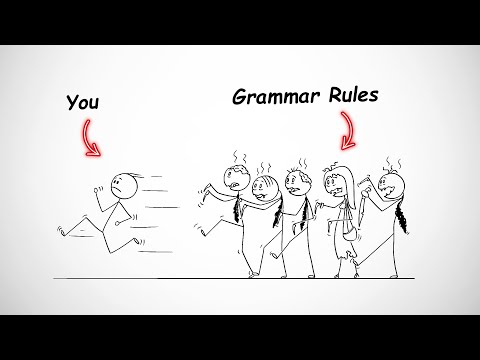
Speak Fluent English Without Memorizing Grammar Rules
0
David Liu維哥 posted on 2025/10/20Tired of memorizing grammar rules that don't stick? This video reveals the 'Phrase Method' to boost your English fluency naturally, helping you think in English and speak confidently in real conversations. You'll pick up practical phrases and pronunciation tips perfect for daily practice!
Learn this video on the APP!
The VoiceTube App has more in-depth practice for videos!