
absolutely
US /ˈæbsəˌlutli, ˌæbsəˈlutli/
UK /ˈæbsəlu:tli/
- Adverb
- Completely; totally; very
- Considered independently and without relation to other things; viewed abstractly; as, quantity absolutely considered.
A2Moreadulthood
US /'ædʌlthʊd/
UK /'ædʌlthʊd/
- Uncountable Noun
- Time of life when a person is fully grown
- The time when someone has the rights and responsibilities of an adult.
B1Moreagonizing
US /ˈæɡəˌnaɪzɪŋ/
UK /ˈægənaɪzɪŋ/
- Intransitive Verb
- To suffer painfully over something; be in agony
B2Moreancestry
US /ˈænˌsɛstri/
UK /ˈænsestri/
- Noun
- Family or race from which a person is descended
B2Moreaorta
US /eˈɔrtə/
UK /eɪ'ɔ:tə/
- Noun
- Large artery that carries blood from the heart
C2Morearound the world
US /əˈraʊnd ði wɜrld/
UK /əˈraund ðə wɜː(r)ld/
- Phrase
- In or to many countries.
- In various places throughout the world.
A2Moreat scale
US
UK
- Phrase
- In large quantities; with significant reach or impact.
- Widely; extensively; with broad application.
A1Morebring in
US /brɪŋ ɪn/
UK /briŋ in/
- Phrasal Verb
- To earn a certain amount of money or profits
- To add person into existing group, e.g. phone call
A1Morecatastrophic
US /ˌkætəˈstrɑfɪk/
UK /ˌkætə'strɒfɪk/
- Adjective
- Causing a lot of damage or suffering
B2Morechange over
US
UK
- Phrasal Verb
- To switch from one thing to another.
A2Moreconsortium
US /kənˈsɔrtiəm,-ʃiəm/
UK /kənˈsɔ:tiəm/
- Noun (Countable/Uncountable)
- Group formed with the purpose to work together
- An association of companies or organizations for a specific purpose.
B2Moreconsumer
US /kənˈsumɚ/
UK /kənˈsju:mə(r)/
- Countable Noun
- Person who buys goods or services
- An economic agent who uses goods and services.
- Adjective
- Relating to people who buy goods and services.
A2Morecourage
US /ˈkɚrɪdʒ, ˈkʌr-/
UK /'kʌrɪdʒ/
- Uncountable Noun
- Quality of being able to face danger without fear
- The quality of being brave enough to do what is right or necessary, even when it is difficult or dangerous
- Transitive Verb
- To encourage or embolden someone.
A2Moredeficiency
US /dɪˈfɪʃənsi/
UK /dɪˈfɪʃnsi/
- Noun
- Lack of something that is necessary
B2Morediagnostic
US /ˌdaɪəɡˈnɑstɪk/
UK /ˌdaɪəgˈnɒstɪk/
- Adjective
- Concerning finding out the cause of a problem
B1Moredirect
US /dɪˈrɛkt, daɪ-/
UK /də'rekt/
- Transitive Verb
- To tell someone in a very clear way to do something
- To show the way by conducting or leading
- Adverb
- Coming straight from something
A2TOEICMoredirect to
US
UK
- Transitive Verb
- To show or tell someone how to get to a place.
- To send something to a particular person or place.
B1Moredisease
US /dɪˈziz/
UK /dɪˈzi:z/
- Noun (Countable/Uncountable)
- Illness that affects a person, animal, or plant
- A disorder of structure or function in a plant, especially one caused by a pathogen.
- Transitive Verb
- To affect with disease; to corrupt or sicken.
A2TOEICMoredna
US
UK
- Noun (Countable/Uncountable)
- Chemical in living cells with genetic information
B2Moredown the road
US
UK
- Phrase
- At a future time; in the future.
- Along the street; a short distance away.
A1Moreelectronic
US /ɪlɛkˈtrɑnɪk, ˌilɛk-/
UK /ɪˌlek'trɒnɪk/
- Adjective
- Operating by use of electricity; digital
- Produced or performed using electronic instruments or devices.
A2Moreembrace
US /ɛmˈbres/
UK /ɪm'breɪs/
- Noun (Countable/Uncountable)
- Act of holding someone closely
- An act of accepting or supporting something willingly and enthusiastically.
- Transitive Verb
- To hold closely; cuddle, kiss or hug
- To accept something enthusiastically.
B1TOEICMoreenforcement
US /ɪn'fɔ:smənt/
UK /ɪn'fɔ:smənt/
- Uncountable Noun
- Process of making sure that rules are followed
- The act of compelling observance of or compliance with a law, rule, or obligation.
B1Morefeel like
US
UK
- Intransitive Verb
- To have a desire or inclination for something.
- To have a particular quality or sensation; resemble.
A1Morefigure out
US /ˈfɪɡjɚ aʊt/
UK /ˈfiɡə aut/
- Phrasal Verb
- To understand the behavior of someone
- To think through logically to find a solution
- Verb (Transitive/Intransitive)
- To understand or find an answer to something.
- To find a solution to a problem or understand something.
A1Morefingerprint
US /ˈfɪŋɡɚˌprɪnt/
UK /'fɪŋɡəprɪnt/
- Noun (Countable/Uncountable)
- Generic term for any identifying characteristic
B2Morefootprint
US /ˈfʊtˌprɪnt/
UK /ˈfʊtprɪnt/
- Noun (Countable/Uncountable)
- Mark left by a foot of an animal or human
- The effect a person or community has on the environment, expressed as the amount of carbon dioxide produced.
C1Morefor the most part
US
UK
- Phrase
- Generally; mostly; on the whole.
- Mostly; generally; in most cases.
A1Morefound out
US
UK
- Phrasal Verb
- To learn or discover something, often after some effort.
- To become known; be revealed.
B2Moregene
US /dʒin/
UK /dʒi:n/
- Noun
- Part of cell controlling development of a thing
B1Moregenetic
US /dʒəˈnɛtɪk/
UK /dʒəˈnetɪk/
- Adjective
- Of, relating to, or controlled by genes
- Relating to genes or heredity.
B1Moregenome
US /ˈdʒi:noʊm/
UK /ˈdʒi:nəʊm/
- Noun
- Complete set of genetic material in an organism
B2Moregenomic
US /dʒi:'ŋoʊmɪk/
UK /dʒi:'ŋəʊmɪk/
- Adjective
- Concerning the set of genetic material in a cell
B2Moreget past
US /ɡɛt pæst/
UK /ɡet pɑːst/
- Phrasal Verb
- To overcome an obstacle or difficulty.
- To move beyond someone or something that is blocking your way.
A1Moreget together
US /ɡɛt təˈɡɛðɚ/
UK /ɡet təˈɡeðə/
- Phrasal Verb
- To gather, or come together for some purpose
- To start a romantic relationship.
- Verb (Transitive/Intransitive)
- To meet for social or recreational purposes.
- To start a romantic relationship.
A1Morego on
US /ɡo ɑn/
UK /ɡəu ɔn/
- Phrasal Verb
- To continue doing something
- To happen (usually negative)
- Interjection
- Used to encourage someone
A1Moregoing on
US /ˈɡoɪŋ ɑn/
UK /ˈgəʊɪŋ ɔn/
- Phrasal Verb
- To continue doing something
- To happen (usually negative)
A1Moregot to
US /ɡɑt tu/
UK /gɔt tu:/
- Verb (Transitive/Intransitive)
- To arrive at some place
- To have the opportunity or permission to do something
- Phrasal Verb
- To appeal to the emotions of; move
- To finally begin to start something after a delay
A1Moregranular
US /ˈɡrænjəlɚ/
UK /ˈgrænjələ(r)/
- Adjective
- Composed of or covered with grain
C1Moreharm
US /hɑrm/
UK /hɑ:m/
- Transitive Verb
- To damage, injure, or hurt someone or something
- Noun
- Damage or injury
A2Morehave to
US /hæv tu/
UK /ˈhæv tə/
- Auxiliary Verb
- Must do
A1Morein a series
US
UK
- Phrase
- Arranged or happening one after another.
- Occurring sequentially or in a specific order.
B1Morein fact
US /ɪn fækt/
UK /in fækt/
- Adverb
- Used to emphasize the truth of a statement, especially one that contrasts with or contradicts something else.
- Used to introduce a more detailed or surprising piece of information.
- Phrase
- Used to emphasize the truth of a statement, especially one that is surprising or contrary to what might be expected.
C1Morein order to
US /ɪn ˈɔrdɚ tu/
UK /in ˈɔ:də tu:/
- Preposition
- For the purpose of; with the aim of.
- Phrase
- In a specific sequence or arrangement.
- With the aim of; for the purpose of.
C1Morein the world
US /ɪn ði wɜrld/
UK /in ðə wɜː(r)ld/
- Phrase
- Used to emphasize a question expressing surprise, confusion, disbelief
- Used to indicate the extent or degree of something, often in a superlative sense
A1Moreinfant
US /'ɪnfənt/
UK /'ɪnfənt/
- Countable Noun
- Child in the beginning stage of life; a baby
- The early stage of development of something.
B1TOEICMoreinstead of
US /ɪnˈstɛd ʌv/
UK /inˈsted ɔv/
- Preposition
- When one thing is replaced by another
- Adverb
- As a substitute or alternative.
A1Moreinstitute
US / ˈɪnstɪˌtut, -ˌtjut/
UK /'ɪnstɪtju:t/
- Noun (Countable/Uncountable)
- Organization studying science, engineering etc.
- A short intensive course of instruction, often focusing on a specific topic.
- Transitive Verb
- To start or commence doing, e.g. a business plan
- To establish or start (a system, rule, or course of action).
A2TOEICMoreintellectually
US
UK
- Adverb
- In a manner involving reasoning or complex ideas
B1Moreinvent
US /ɪnˈvɛnt/
UK /ɪnˈvent/
- Transitive Verb
- To create something such as a story or excuse
- To create something useful for the first time
A2TOEICMoreironic
US /aɪˈrɑnɪk/
UK /aɪˈrɒnɪk/
- Adjective
- Funny because it is the opposite of the truth
B2Morelook for
US /lʊk fɔr/
UK /luk fɔ:/
- Phrasal Verb
- To try to find a thing or person that is lost
- To expect or anticipate something.
A1Morelookout
US /ˈlʊkˌaʊt/
UK /ˈlʊkaʊt/
- Countable Noun
- Person who keeps watch, e.g. for an enemy
- Intransitive Verb
- To keep watch for some anticipated event
C2Moremedical
US /ˈmɛdɪkəl/
UK /ˈmedɪkl/
- Adjective
- Of or relating to physical health or medicine
- Noun
- A health check or test
A2Moremetabolic
US /ˌmetə'bɒlɪk/
UK /ˌmetə'bɒlɪk/
- Adjective
- Concerning the body's metabolism
- Relating to the rate at which metabolism occurs.
B2Moremutation
US /mjuˈteʃən/
UK /mju:'teɪʃn/
- Noun
- Change that changes genetic structure
B2Morenarrow
US /ˈnæro/
UK /'nærəʊ/
- Adjective
- Not wide; short from one side to the other
- Limited; not broad in scope
- Intransitive Verb
- To become thinner or less wide
A2TOEICMorenewborn
US /ˈnu:bɔ:rn/
UK /ˈnju:bɔ:n/
- Adjective
- Having just/recently arisen or come into existence
C2Moreof all things
US
UK
- Phrase
- Used to express surprise or disbelief at something unexpected or unusual.
- Used to emphasize the unexpected or inappropriate nature of a choice or action.
A1Moreon the lookout
US /ɑn ði ˈlʊkˌaʊt/
UK /ɔn ðə ˈlʊkˌaʊt/
- Adjective
- Vigilantly searching for someone or something.
- Idiom
- To be watching carefully in order to detect something, such as danger or opportunity.
A1Moreon to
US /ɑn tu/
UK /ɔn tu:/
- Preposition
- Toward something; forward
- Aware of someone's activities.
- Adjective
- Aware of someone's deception or illegal activities.
A1Moreonset
US /ˈɑnˌsɛt, ˈɔn-/
UK /ˈɒnset/
- Noun
- When something, e.g. an illness, starts; beginning
B2TOEICMoreover time
US /ˈovɚ taɪm/
UK /ˈəuvə taim/
- Phrase
- Gradually; as time passes.
- During a long period.
- Adverb
- Gradually; as time passes.
B1Morepediatrician
US /ˌpi:dɪr'trɪʃn/
UK /ˌpi:dɪə'trɪʃn/
- Noun
- Specialist in the care of babies or children
C2Morepreserve
US /prɪˈzɜ:rv/
UK /prɪˈzɜ:v/
- Transitive Verb
- To cook food so it can be kept for long periods
- To protect something from harm, loss or damage
- Noun (Countable/Uncountable)
- Sweet fruit spread; jam
- Protected area of land with plants and animals
B1TOEICMorepreventive
US /prɪˈvɛntɪv/
UK /prɪˈventɪv/
- Adjective
- Done to stop something bad happening
B1TOEICMoreprivacy
US /ˈpraɪvəsi/
UK /ˈprɪvəsi/
- Uncountable Noun
- State of being hidden from the presence of others
B2TOEICMoreproper
US /ˈprɑpɚ/
UK /'prɒpə(r)/
- Adjective
- Correct according to social or moral rules
- Behaving in a polite and socially acceptable way.
A2TOEICMorerather than
US
UK
- Adverb
- More exactly; more correctly
- Preferably; instead
- Preposition
- Instead of
A1Morereassure
US /ˌri:əˈʃʊr/
UK /ˌri:əˈʃʊə(r)/
- Transitive Verb
- To make feel less worried about something
B1Morescreen
US /skrin/
UK /skri:n/
- Transitive Verb
- To hide or block something from being seen
- To examine to find something, e.g. best candidate
- Noun
- Wire net in a door or window to keep insects out
- Displays in a theater on which movies are shown
A2TOEICMoresequence
US /ˈsikwəns, -ˌkwɛns/
UK /'si:kwəns/
- Noun
- Part of a movie showing one part of the story
- A particular order in which related events, movements, or things follow each other.
- Transitive Verb
- To arrange things in an order they should happen
A2TOEICMorespear
US /spɪr/
UK /spɪə(r)/
- Countable Noun
- Long hunting stick with a sharp point
- Transitive Verb
- To hit or cut through something, as with a spear
B2TOEICMoresupplement
US /ˈsʌpləmənt/
UK /'sʌplɪmənt/
- Noun (Countable/Uncountable)
- Added extra to support or make something complete
- Vitamins, etc. added to diet for health reasons
- Transitive Verb
- To add extra to support or make something complete
B1TOEICMorethink about
US /θɪŋk əˈbaʊt/
UK /θiŋk əˈbaut/
- Phrasal Verb
- To consider something carefully.
- To remember or call to mind.
A1Moretogether with
US /təˈɡɛðɚ wɪð/
UK /təˈɡeðə wið/
- Preposition
- In addition to; along with.
- Including; as well as.
A1Moretragic
US /ˈtrædʒɪk/
UK /ˈtrædʒɪk/
- Adjective
- (Of a play, movie, or book) with a sad ending
- Causing great sadness, e.g. due to untimely death
B1Moretrial
US /ˈtraɪəl, traɪl/
UK /ˈtraɪəl/
- Noun (Countable/Uncountable)
- Hearing and judgment of a case in court
- Act or process of testing or experimenting
- Transitive Verb
- To be made or done as a test or experiment
A2TOEICMoreultimately
US /ˈʌltəmɪtli/
UK /ˈʌltɪmətli/
- Adverb
- Done or considered as the final and most important
- Fundamentally; at the most basic level.
B1TOEICMoreusher in
US
UK
- Phrasal Verb
- To mark the start of something new; to introduce or initiate.
A1Morevague
US /veɡ/
UK /veɪɡ/
- Adjective
- Not clearly stated or expressed; rough; unclear
- Being not clearly visible
B1More
Vocabulary
- in fact: Used to emphasize the truth of a statement, especially one that contrasts with or contradicts something else.
- got to: To arrive at some place
- have to: Must do
- instead of: When one thing is replaced by another
- look for: To try to find a thing or person that is lost
- direct to: To show or tell someone how to get to a place.
- in order to: For the purpose of; with the aim of.
- going on: To continue doing something
- figure out: To understand the behavior of someone
- on to: Toward something; forward
- go on: To continue doing something
- together with: In addition to; along with.
- on the lookout: Vigilantly searching for someone or something.
- of all things: Used to express surprise or disbelief at something unexpected or unusual.
- down the road: At a future time; in the future.
- found out: To learn or discover something, often after some effort.
- get past: To overcome an obstacle or difficulty.
- for the most part: Generally; mostly; on the whole.
- bring in: To earn a certain amount of money or profits
- in a series: Arranged or happening one after another.
- around the world: In or to many countries.
- get together: To gather, or come together for some purpose
- feel like: To have a desire or inclination for something.
- over time: Gradually; as time passes.
- change over: To switch from one thing to another.
- in the world: Used to emphasize a question expressing surprise, confusion, disbelief
- at scale: In large quantities; with significant reach or impact.
- think about: To consider something carefully.
- rather than: More exactly; more correctly
- usher in: To mark the start of something new; to introduce or initiate.
- ultimately: Done or considered as the final and most important
- absolutely: Completely; totally; very
- present: Being in attendance; being there; having turned up
- embrace: Act of holding someone closely
- vague: Not clearly stated or expressed; rough; unclear
- treat: To pay for the food or enjoyment of someone else
- catastrophic: Causing a lot of damage or suffering
- disease: Illness that affects a person, animal, or plant
- trial: Hearing and judgment of a case in court
- proper: Correct according to social or moral rules
- mutation: Change that changes genetic structure
- brain: To strike someone forcefully on the head
- direct: To tell someone in a very clear way to do something
- genetic: Of, relating to, or controlled by genes
- preserve: To cook food so it can be kept for long periods
- sequence: Part of a movie showing one part of the story
- metabolic: Concerning the body's metabolism
- create: To make, cause, or bring into existence
- reason: To think and make conclusions in a logical manner
- institute: Organization studying science, engineering etc.
- privacy: State of being hidden from the presence of others
- risk: To do something potentially dangerous or foolish
- tragic: (Of a play, movie, or book) with a sad ending
- courage: Quality of being able to face danger without fear
- infant: Child in the beginning stage of life; a baby
- supplement: Added extra to support or make something complete
- narrow: Not wide; short from one side to the other
- reassure: To make feel less worried about something
- ironic: Funny because it is the opposite of the truth
- offer: Price you say you are willing to pay for something
- deficiency: Lack of something that is necessary
- order: Religious or social group, as of nuns
- enforcement: Process of making sure that rules are followed
- system: Set of organized, planned ideas that work together
- fact: Something that is known or proved to be true
- harm: To damage, injure, or hurt someone or something
- information: Collection of facts and details about something
- consumer: Person who buys goods or services
- bring: To take or go with someone to a place
- onset: When something, e.g. an illness, starts; beginning
- protect: To defend someone or something from harm or danger
- screen: To hide or block something from being seen
- electronic: Operating by use of electricity; digital
- intellectually: In a manner involving reasoning or complex ideas
- change: To exchange one set of clothes for another
- find: To become aware of something that is happening
- medical: Of or relating to physical health or medicine
- adulthood: Time of life when a person is fully grown
- invent: To create something such as a story or excuse
- footprint: Mark left by a foot of an animal or human
- gene: Part of cell controlling development of a thing
- agonizing: To suffer painfully over something; be in agony
- genome: Complete set of genetic material in an organism
- diagnostic: Concerning finding out the cause of a problem
- preventive: Done to stop something bad happening
- lookout: Person who keeps watch, e.g. for an enemy
- ancestry: Family or race from which a person is descended
- consortium: Group formed with the purpose to work together
- spear: Long hunting stick with a sharp point
- pediatrician: Specialist in the care of babies or children
- newborn: Having just/recently arisen or come into existence
- fingerprint: Generic term for any identifying characteristic
- granular: Composed of or covered with grain
- aorta: Large artery that carries blood from the heart
- dna: Chemical in living cells with genetic information
- genomic: Concerning the set of genetic material in a cell
Get the full experience in the app
Learn anywhere with detailed sentence and usage analysis
01:03
She took a brave step forward, leaving behind her comfort zone to chase her dreams.
Vocabulary
- brave
adj. Having courage
- comfort zone
phr. A familiar situation where one feels safe
Explanation
a brave step is a noun phrase, where brave is an adjective modifying the noun step, meaning "a courageous step".
forward is an adverb modifying step, meaning "ahead".
The whole phrase serves as the object, answering the "what" of took (verb) — she took a brave step forward.
Get the full experience in the app
Look up words anytime with pronunciation, part of speech, and usage
brave
US/brev/
UK/breɪv/
adj.Brave
v.t.To bravely face
A2 Elementary
Get the full experience in the app
Practice speaking anytime and get instant pronunciation feedback
Try this speaking exercise.
Try practicing with this sentence.
80
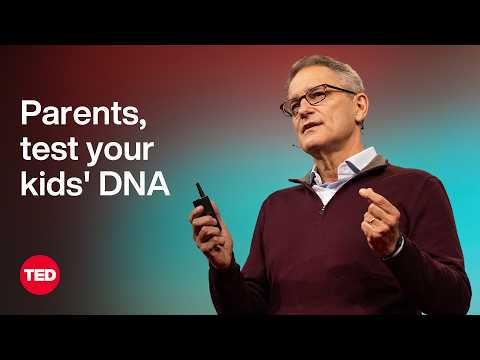
The Life-Saving Secrets in Your Baby’s DNA | Robert C. Green | TED
0
Haer posted on 2025/10/17Ever wondered about the incredible secrets hidden in your baby's DNA? This fascinating TED talk dives into the groundbreaking BabySeq project, exploring how whole genome sequencing can lead to early diagnosis and life-saving interventions for newborns. You'll pick up advanced vocabulary related to genetics and preventive medicine while learning about this cutting-edge field!
Learn this video on the APP!
The VoiceTube App has more in-depth practice for videos!