
afloat
US /əˈflot/
UK /əˈfləʊt/
- Adjective
- Remaining on top of a liquid; floating
B2Moreback into
US /bæk ˈɪntu/
UK /bæk ˈɪntuː/
- Phrasal Verb
- To drive a vehicle backwards into a space or area.
- To accidentally collide with something while moving backwards.
A1Morebased on
US
UK
- Phrasal Verb
- To use something as the foundation or starting point for something else.
- Preposition
- Using something as the main idea or foundation.
- Relying on something as evidence or justification.
A1Morebear with me
US
UK
- Phrasal Verb
- Be patient with me.
A2Morebestow
US /bɪˈsto/
UK /bɪ'stəʊ/
- Transitive Verb
- To give something to someone
- To give something to honor someone
B2TOEICMoreby god
US
UK
- Interjection
- An expression of surprise, shock, or emphasis.
- An expression of strong promise or determination.
B2Morecatholic
US /ˈkæθəlɪk, ˈkæθlɪk/
UK /ˈkæθlɪk/
- Adjective
- One of many Christian belief systems
- Noun
- Person believing in the Catholic church
B2Moreclassify
US /ˈklæsəˌfaɪ/
UK /'klæsɪfaɪ/
- Transitive Verb
- To arrange things into groups of similar items
- To keep some information secret from the public
B2Morecommit
US /kəˈmɪt/
UK /kə'mɪt/
- Transitive Verb
- To do something bad, usually a crime
- To promise your permanent love or loyalty (to)
A2TOEICMorecondition
US /kənˈdɪʃən/
UK /kənˈdɪʃn/
- Transitive Verb
- To improve something to make it better
- To cause to behave automatically in a certain way
- Noun (Countable/Uncountable)
- Disease or other medical problem
- The state of living you are in, e.g. good health
A2Morecontrary to
US /ˈkɑnˌtrɛri tu/
UK /ˈkɔntrəri tu:/
- Preposition
- In opposition to; against.
- Differing from; not in agreement with.
A1Moredecline
US /dɪˈklaɪn/
UK /dɪ'klaɪn/
- Intransitive Verb
- To bend towards the ground
- To slope downward.
- Verb (Transitive/Intransitive)
- To lessen in quality or value
A2TOEICMoredemon
US /ˈdimən/
UK /'di:mən/
- Noun
- Cruel wicked and inhuman person or spirit
B1Moredevil
US /ˈdɛvəl/
UK /ˈdevl/
- Noun (Countable/Uncountable)
- A spirit said to be evil
- A very bad or cruel person.
- Transitive Verb
- To prepare (food) with hot or spicy seasonings.
B1Moredictate
US /ˈdɪkˌtet/
UK /dɪk'teɪt/
- Transitive Verb
- To speak while someone writes down your words
- To make a thing necessary
B1TOEICMoredive
US /daɪv/
UK /daɪv/
- Noun (Countable/Uncountable)
- Restaurant, bar or club with a bad reputation
- Rapid fall through air
- Intransitive Verb
- To swim deep under water with an air supply
- To rapid fall through air
B1Moredivine
US /dɪˈvaɪn/
UK /dɪ'vaɪn/
- Adjective
- Concerning or coming from God or a god
- Being very good or wonderful
- Intransitive Verb
- To predict through feeling and without reason
B1Moredo in
US
UK
- Phrasal Verb
- To make completely tired out and exhausted
- To destroy or cause damage to someone
A1Moredoom
US /dum/
UK /du:m/
- Noun (Countable/Uncountable)
- Certain of the failure or destruction of
- Very bad, unhappy future event or situation
- Transitive Verb
- To make failure, defeat or death certain for
B2Moreepisode
US /ˈɛpɪˌsod/
UK /'epɪsəʊd/
- Noun
- One separate event in a series of events
- Show which is part of a larger story
B1TOEICMoreexercise
US /ˈɛksɚˌsaɪz/
UK /'eksəsaɪz/
- Verb (Transitive/Intransitive)
- To work out to become stronger and healthier
- To retain your ability or practice your skills
- Noun (Countable/Uncountable)
- Physical activity to increase health and strength
- Set of questions in a text book
A2Moreexorcism
US /ˈeksɔ:rsɪzəm/
UK /ˈeksɔ:sɪzəm/
- Noun
- Freeing from evil spirits
C1Morefor example
US
UK
- Phrase
- As an illustration or instance.
found out
US
UK
- Phrasal Verb
- To learn or discover something, often after some effort.
- To become known; be revealed.
B2Moreget into it
US
UK
- Phrasal Verb
- To become interested in something and enjoy it.
- To start a career or profession.
- Intransitive Verb
- To become interested in something.
A1Moreget out of
US /ɡɛt aʊt ʌv/
UK /ɡet aut ɔv/
- Phrasal Verb
- To leave or escape responsibilities, troubles
- To leave a small, enclosed vehicle
A1Moregovern
US /ˈgʌvərn/
UK /ˈgʌvn/
- Transitive Verb
- To officially control land and make policies
- To control the actions or behaviour of someone
B1Moregrateful
US /ˈɡretfəl/
UK /ˈgreɪtfl/
- Adjective
- Feeling or showing thanks; thankful
B1TOEICMorehebrew
US /ˈhibru/
UK /ˈhi:bru:/
- Noun
- Ancient Semitic language now spoken in Israel
C2Moreheresy
US /ˈhɛrɪsi/
UK /'herəsɪ/
- Uncountable Noun
- Act of rebelling against accepted religion
C1TOEICMorehierarchy
US /ˈhaɪəˌrɑrki, ˈhaɪˌrɑr-/
UK /'haɪərɑ:kɪ/
- Noun (Countable/Uncountable)
- Group that manages and controls an organization
- A system for organizing according to importance
B1Morehorrible
US /ˈhɔrəbəl, ˈhɑr-/
UK /ˈhɒrəbl/
- Adjective
- Very bad; causing annoyance, distaste or fear
A2TOEICMorehorrific
US /hɔˈrɪfɪk, hɑ-/
UK /həˈrɪfɪk/
- Adjective
- Terrifying and shocking
B2Morehumanity
US /hjuˈmænɪti/
UK /hju:ˈmænəti/
- Uncountable Noun
- Quality of being understanding or sympathetic
- Compassionate behavior, especially towards those suffering.
- Noun (Countable/Uncountable)
- All human beings collectively; the human race.
A2Morehysteria
US /hɪˈstɛriə, -ˈstɪr-/
UK /hɪ'stɪərɪə/
- Uncountable Noun
- A case of wild, uncontrollable behavior or panic
- A psychological disorder (now largely discredited) once believed to be common in women, characterized by emotional excitability and various physical symptoms.
B2Morein order to
US /ɪn ˈɔrdɚ tu/
UK /in ˈɔ:də tu:/
- Preposition
- For the purpose of; with the aim of.
- Phrase
- In a specific sequence or arrangement.
- With the aim of; for the purpose of.
C1Morein the world
US /ɪn ði wɜrld/
UK /in ðə wɜː(r)ld/
- Phrase
- Used to emphasize a question expressing surprise, confusion, disbelief
- Used to indicate the extent or degree of something, often in a superlative sense
A1Moreinfluence
US / ˈɪnfluəns/
UK /'ɪnflʊəns/
- Verb (Transitive/Intransitive)
- To affect or change something indirectly
- To persuade someone to do something.
- Noun (Countable/Uncountable)
- The power to affect what happens, to persuade etc.
- A person or thing that affects someone or something in an important way.
A2TOEICMoreinvoke
US /ɪnˈvok/
UK /ɪn'vəʊk/
- Transitive Verb
- To appeal for help/protection to higher authority
- To use a law, concept, or right to achieve a goal
B1Morejustify
US /ˈdʒʌstəˌfaɪ/
UK /ˈdʒʌstɪfaɪ/
- Transitive Verb
- To give good reasons for something
B1TOEICMorelantern
US /ˈlæntərn/
UK /ˈlæntən/
- Countable Noun
- Light in a glass box that can be carried
B2Morelook at
US /lʊk æt/
UK /luk æt/
- Phrasal Verb
- To use your eyes to focus on something
- To focus your eyes on something carefully
A1Moremankind
US /ˈmænˌkaɪnd/
UK /mænˈkaɪnd/
- Uncountable Noun
- All humans thought of as one group; humanity
- The quality of being humane; benevolence.
B2Moremental
US /ˈmɛntl/
UK /ˈmentl/
- Adjective
- Concerning the mind
A2TOEICMoreoath
US /oθ/
UK /əʊθ/
- Noun
- Promise to do something
B2Moreof course
US /ʌv kɔː(r)s/
UK /ɔv kɔː(r)s/
- Adverb
- Sure ; Certainly
- Phrase
- For sure; certainly
A2Moreon the other hand
US
UK
- Phrase
- Considering a different aspect of the matter; alternatively.
A1Moreother than
US
UK
- Preposition
- Except for; apart from.
- Conjunction
- Different from.
A1Moreover time
US /ˈovɚ taɪm/
UK /ˈəuvə taim/
- Phrase
- Gradually; as time passes.
- During a long period.
- Adverb
- Gradually; as time passes.
B1Morepartially
US /ˈpɑ:rʃəli/
UK /ˈpɑ:ʃəli/
- Adverb
- In part; in some degree; not wholly
B1Morepersecute
US /ˈpɜ:rsɪkju:t/
UK /ˈpɜ:sɪkju:t/
- Transitive Verb
- To ill-treat, oppress or harass, as for religion
C1Morepossess
US /pəˈzɛs/
UK /pəˈzes/
- Transitive Verb
- To enter a person's mind or body as a spirit
- To have or own something
A2TOEICMorepossession
US /pəˈzɛʃən/
UK /pə'zeʃn/
- Uncountable Noun
- State of being under the control of evil spirits
- Crime of having or owning illegal drugs or weapons
- Countable Noun
- Something that is owned by a person
- A territory controlled by a country.
A2TOEICMorepractice
US /ˈpræktɪs/
UK /'præktɪs/
- Noun
- The office and place for legal or medical work
- Doing something many times to become better at it
- Verb (Transitive/Intransitive)
- To work as a doctor or lawyer
- To live according to the teachings of a religion
A2TOEICMoreprevent
US /prɪˈvɛnt/
UK /prɪ'vent/
- Transitive Verb
- To stop something from happening or existing
A2TOEICMorepurpose
US /ˈpɚpəs/
UK /'pɜ:pəs/
- Noun (Countable/Uncountable)
- Reason for which something is done; aim; goal
- A person's sense of resolve or determination.
- Adverb
- With clear intention or determination.
- Intentionally; deliberately.
A2TOEICMorereference
US /ˈrɛfərəns, ˈrɛfrəns/
UK /'refrəns/
- Noun
- A letter of recommendation, e.g. for a job
- Note in a book, etc. giving source of information
- Transitive Verb
- To cite a piece of research in speech or writing
- Mention or refer to.
A2TOEICMorereformation
US /ˌrefərˈmeɪʃn/
UK /ˌrefəˈmeɪʃn/
- Noun
- Religious movement to reform the Catholic Church
B2Morereligion
US /rɪˈlɪdʒən/
UK /rɪˈlɪdʒən/
- Countable Noun
- Organized set of beliefs about a god or gods
- Noun (Countable/Uncountable)
- Belief in God or gods that governs people's lives
- A person's particular system of beliefs and worship.
A2Morerenaissance
US /ˈrenəsɑ:ns/
UK /rɪˈneɪsns/
- Noun (Countable/Uncountable)
- Period of intense activity in art and science
- Renewed interest in a particular field or subject
- Adjective
- Relating to or characteristic of the Renaissance.
B1Moresatan
US /'seɪtn/
UK /'seɪtn/
- Proper Noun
- An evil spirit said to be in control of hell
B2Moreseizure
US /ˈsiʒɚ/
UK /'si:ʒə(r)/
- Noun (Countable/Uncountable)
- Act of taking control of something by force
- (Medical) sudden attack of illness, e.g. epileptic fit
B2Moresuch as
US /sʌtʃ æz/
UK /sʌtʃ æz/
- Preposition
- For example; like
A1Moretake a dive
US
UK
- Intransitive Verb
- To deliberately lose a contest, especially in boxing.
- To suddenly decrease or decline sharply.
A1Moretake in
US
UK
- Phrasal Verb
- To allow to enter; receive as a guest
- To include or add
- Transitive Verb
- To absorb (liquid).
- To understand or comprehend something.
A1Moretalking about
US
UK
- Phrasal Verb
- To discuss a particular topic.
- To be constantly mentioning or bringing up a subject.
A1Morethink about
US /θɪŋk əˈbaʊt/
UK /θiŋk əˈbaut/
- Phrasal Verb
- To consider something carefully.
- To remember or call to mind.
A1Moreunder oath
US /ˈʌndɚ oθ/
UK /ˈʌndə əuθ/
- other
- Having promised legally to tell the truth in court.
B2Morewitch
US /wɪtʃ/
UK /wɪtʃ/
- Countable Noun
- Woman believed to have magical powers
- Mean and ugly old woman
B2Morewitchcraft
US /ˈwɪtʃˌkrɑːft/
UK /ˈwɪtʃkrɑ:ft/
- Uncountable Noun
- Performing magic using spells, often to harm
C2More
Vocabulary
- of course: Sure ; Certainly
- think about: To consider something carefully.
- in order to: For the purpose of; with the aim of.
- talking about: To discuss a particular topic.
- take a dive: To deliberately lose a contest, especially in boxing.
- get into it: To become interested in something and enjoy it.
- for example: As an illustration or instance.
- other than: Except for; apart from.
- back into: To drive a vehicle backwards into a space or area.
- based on: To use something as the foundation or starting point for something else.
- do in: To make completely tired out and exhausted
- take in: To allow to enter; receive as a guest
- get out of: To leave or escape responsibilities, troubles
- over time: Gradually; as time passes.
- bear with me: Be patient with me.
- on the other hand : Considering a different aspect of the matter; alternatively.
- such as: For example; like
- contrary to: In opposition to; against.
- by god: An expression of surprise, shock, or emphasis.
- under oath: Having promised legally to tell the truth in court.
- look at: To use your eyes to focus on something
- found out: To learn or discover something, often after some effort.
- in the world: Used to emphasize a question expressing surprise, confusion, disbelief
- episode: One separate event in a series of events
- mental: Concerning the mind
- practice: The office and place for legal or medical work
- purpose: Reason for which something is done; aim; goal
- fear: Unpleasant feeling caused by being aware of danger
- decline: To bend towards the ground
- commit: To do something bad, usually a crime
- influence: To affect or change something indirectly
- prevent: To stop something from happening or existing
- bit: Device put in a horse's mouth to control it
- exercise: To work out to become stronger and healthier
- hierarchy: Group that manages and controls an organization
- mean: Average of a set of numbers
- condition: To improve something to make it better
- dictate: To speak while someone writes down your words
- reference: A letter of recommendation, e.g. for a job
- explain: To make clear or easy to understand by describing
- divine: Concerning or coming from God or a god
- religion: Organized set of beliefs about a god or gods
- possess: To enter a person's mind or body as a spirit
- horrible: Very bad; causing annoyance, distaste or fear
- humanity: Quality of being understanding or sympathetic
- renaissance: Period of intense activity in art and science
- possession: State of being under the control of evil spirits
- dive: Restaurant, bar or club with a bad reputation
- doom: Certain of the failure or destruction of
- grateful: Feeling or showing thanks; thankful
- century: Period of 100 years
- justify: To give good reasons for something
- order: Religious or social group, as of nuns
- control: A device designed to operate a machine
- partially: In part; in some degree; not wholly
- act: To behave in a certain way
- information: Collection of facts and details about something
- horrific: Terrifying and shocking
- point: An item to be discussed
- seizure: Act of taking control of something by force
- protect: To defend someone or something from harm or danger
- find: To become aware of something that is happening
- person: Man, woman or child
- hysteria: A case of wild, uncontrollable behavior or panic
- demon: Cruel wicked and inhuman person or spirit
- part: Division of a book
- interesting: Taking your attention; making you want to know
- catholic: One of many Christian belief systems
- mankind: All humans thought of as one group; humanity
- invoke: To appeal for help/protection to higher authority
- govern: To officially control land and make policies
- bestow: To give something to someone
- classify: To arrange things into groups of similar items
- afloat: Remaining on top of a liquid; floating
- lantern: Light in a glass box that can be carried
- oath: Promise to do something
- persecute: To ill-treat, oppress or harass, as for religion
- witch: Woman believed to have magical powers
- devil: A spirit said to be evil
- witchcraft: Performing magic using spells, often to harm
- exorcism: Freeing from evil spirits
- reformation: Religious movement to reform the Catholic Church
- hebrew: Ancient Semitic language now spoken in Israel
- heresy: Act of rebelling against accepted religion
- satan: An evil spirit said to be in control of hell
Get the full experience in the app
Learn anywhere with detailed sentence and usage analysis
01:03
She took a brave step forward, leaving behind her comfort zone to chase her dreams.
Vocabulary
- brave
adj. Having courage
- comfort zone
phr. A familiar situation where one feels safe
Explanation
a brave step is a noun phrase, where brave is an adjective modifying the noun step, meaning "a courageous step".
forward is an adverb modifying step, meaning "ahead".
The whole phrase serves as the object, answering the "what" of took (verb) — she took a brave step forward.
Get the full experience in the app
Look up words anytime with pronunciation, part of speech, and usage
brave
US/brev/
UK/breɪv/
adj.Brave
v.t.To bravely face
A2 Elementary
Get the full experience in the app
Practice speaking anytime and get instant pronunciation feedback
Try this speaking exercise.
Try practicing with this sentence.
80
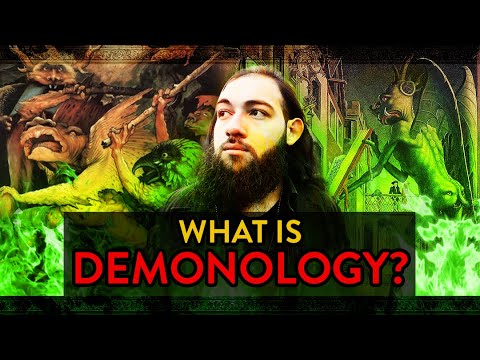
What Is Demonology?
0
栗鱼 posted on 2025/09/14Ever wondered about the dark history of demonology and witch hunts? This video dives deep into the Malleus Maleficarum and the 15th century, perfect for history buffs and anyone looking to boost their advanced vocabulary! You'll gain fascinating knowledge and cultural depth while exploring this intense historical topic.
Learn this video on the APP!
The VoiceTube App has more in-depth practice for videos!