reformation
US /ˌrefərˈmeɪʃn/
・UK /ˌrefəˈmeɪʃn/
B2
n.NounReligious movement to reform the Catholic Church
The Reformation took place in the middle ages
Video subtitles
Why Ireland split into the Republic of Ireland & Northern Ireland

- The early 16th century and what became known as the Protestant Reformation, in which many
The early 16th century and what became known as the Protestant Reformation, in which many
- The early 16th century and what became known as the Protestant Reformation, in which many
The early 16th century and what became known as the Protestant Reformation, in which many
Brief History of the Renaissance | 5 MINUTES
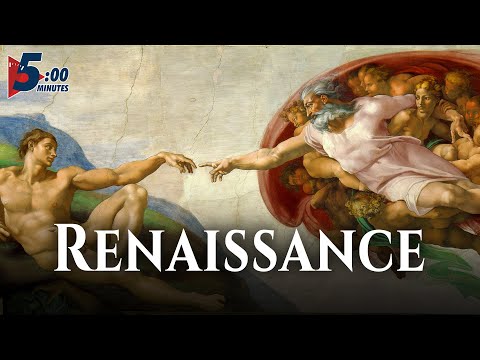
- In such context, a German monk named Martin Luther challenged many of the practices of the Church like nepotism and the selling of indulgences, and led the Protestant Reformation, a revolutionary movement that caused a split in the Catholic Church.
In such context, a German monk named Martin Luther challenged many of the practices of the Church like nepotism and the selling of indulgences, and led the Protestant Reformation, a revolutionary movement that caused a split in the Catholic Church.
- By the early 17th century, the Renaissance movement had died out for different reasons, including the invasion of Italian territories by neighboring powers and the Catholic Church's censorship of artists and writers in response to the Protestant Reformation, as well as the establishment of the Inquisition which made any views that challenged the Church an act of heresy punishable by death.
By the early 17th century, the Renaissance movement had died out for different reasons, including the invasion of Italian territories by neighboring powers and the Catholic Church's censorship of artists and writers in response to the Protestant Reformation, as well as the establishment of the Inquisition which made any views that challenged the Church an act of heresy punishable by death.
Strange Case of Dr Jekyll and Mr Hyde by Robert Louis Stevenson | Full Audiobook
- and the other was still the old Henry Jekyll, that incongruous compound of whose reformation
and the other was still the old Henry Jekyll, that incongruous compound of whose reformation
- and the other was still the old Henry Jekyll, that incongruous compound of whose reformation and improvement I had already learned to despair.
and the other was still the old Henry Jekyll, that incongruous compound of whose reformation and improvement I had already learned to despair.
September Favorites 2017

- If you have seen my 24 Hours in New York vlog, then you know that I did this really rushed shopping trip at Reformation.
If you have seen my 24 Hours in New York vlog, then you know that I did this really rushed shopping trip at Reformation.
- at Reformation.
at Reformation.
民主臺灣曾經歷血腥鎮壓!A Massacre before Democracy: the history of the 228 incident in Taiwan | 臺灣吧 Taiwan Bar

- They neglected the public's wish for reformation and instead turned into an authoritarian government to surveil public opinion.
They neglected the public's wish for reformation and instead turned into an authoritarian government to surveil public opinion.
- In the 1980s, Taiwan caught the waves of democratic reformation and 228 was finally not considered taboo anymore.
In the 1980s, Taiwan caught the waves of democratic reformation and 228 was finally not considered taboo anymore.
The Northern Renaissance: Crash Course European History #3

- Before he died, Erasmus saw the rise of the Protestant reformation.
Before he died, Erasmus saw the rise of the Protestant reformation.
- But now we're into biology, and getting a bit ahead of ourselves with the Reformation.
But now we're into biology, and getting a bit ahead of ourselves with the Reformation.
Disease! Crash Course World History 203
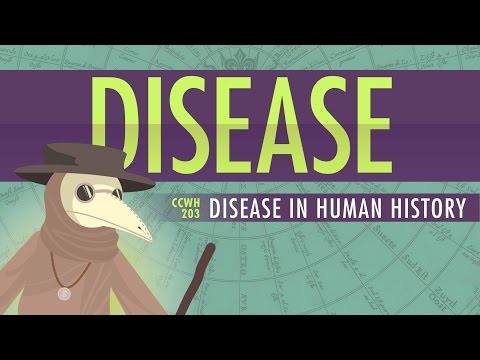
- and ineffectiveness of priests in dealing with the crisis may have led to an increase in anticlericalism and a greater receptiveness to the ideas of the Protestant Reformation.
and ineffectiveness of priests in dealing with the crisis may have led to an increase in anticlericalism and a greater receptiveness to the ideas of the Protestant Reformation.
- and ineffectiveness of priests in dealing with the crisis may have led to an increase in anti-clericalism and a greater receptiveness to the ideas of the Protestant Reformation.
and ineffectiveness of priests in dealing with the crisis may have led to an increase in anti-clericalism and a greater receptiveness to the ideas of the Protestant Reformation.
PHILOSOPHY - Nietzsche
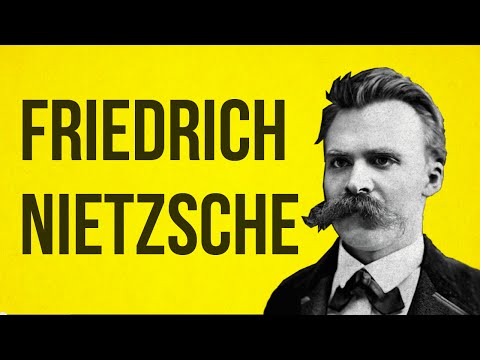
- He called for a reformation in which people, newly conscious of the crisis brought on by the end of faith, would fill the gaps created by the disappearance of religion with philosophy and art.
He called for a reformation in which people, newly conscious of the crisis brought on by the end of faith, would fill the gaps created by the disappearance of religion with philosophy and art.
- He called for a reformation, in which people – newly conscious of the crisis brought
He called for a reformation, in which people – newly conscious of the crisis brought
Amsterdam
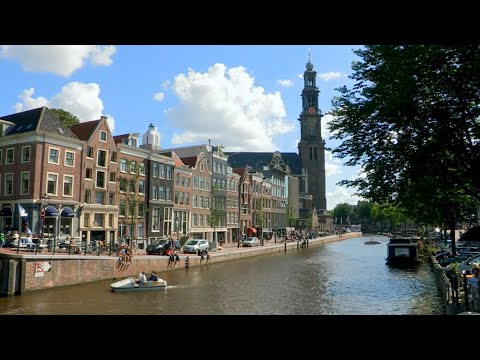
- Called "Our Lord in the Attic," it dates from 1661, when post-Reformation Dutch Catholics were forbidden to worship in public.
Called "Our Lord in the Attic," it dates from 1661, when post-Reformation Dutch Catholics were forbidden to worship in public.
- While the Dutch were tolerating Catholics here, elsewhere, Catholic nations, in response to the Protestant Reformation, were expelling anyone who worshipped differently.
While the Dutch were tolerating Catholics here, elsewhere, Catholic nations, in response to the Protestant Reformation, were expelling anyone who worshipped differently.
The Netherlands: Beyond Amsterdam

- Inside, you find a towering Gothic nave, which was whitewashed and purged of its Catholic ornamentation when the Reformation arrived in 1566.
Inside, you find a towering Gothic nave, which was whitewashed and purged of its Catholic ornamentation when the Reformation arrived in 1566.
- when the Reformation arrived in 1566.
when the Reformation arrived in 1566.