
adapt
US /əˈdæpt/
UK /ə'dæpt/
- Transitive Verb
- To change something for a different function
- To change something to fit or suit a new purpose
- Intransitive Verb
- To change your behaviour so that it is easier to live in a new place or situation
B1TOEICMoreaway from home
US
UK
- Phrase
- Not at one's residence; at a distance from one's home.
- Experiencing a sense of detachment or longing due to being distant from one's home and family.
- Adjective
- Relating to or describing activities, experiences, or situations encountered while traveling or living outside of one's home.
A2Morebob
US /bɑ:b/
UK /bɒb/
- Intransitive Verb
- To move up and down repeatedly
- Proper Noun
- Person's name
B2Morebreathe
US /brið/
UK /bri:ð/
- Verb (Transitive/Intransitive)
- To move air into and out of your lungs
- To say something very softly
A2Morebring back
US /brɪŋ bæk/
UK /briŋ bæk/
- Phrasal Verb
- To cause to remember
- To return something
A1Morechemical
US /ˈkɛmɪkəl/
UK /ˈkemɪkl/
- Noun (Countable/Uncountable)
- Basic substance produced by mixing elements
- The branch of science concerned with the substances of which matter is composed, the investigation of their properties and reactions, and the use of such reactions to form new substances.
- Adjective
- Made of various elements
A2Moreclimate
US /ˈklaɪmɪt/
UK /ˈklaɪmət/
- Noun (Countable/Uncountable)
- Typical weather conditions in a particular place
- The general attitudes, feelings, or opinions that people have at a particular time.
A2Morecommit
US /kəˈmɪt/
UK /kə'mɪt/
- Transitive Verb
- To do something bad, usually a crime
- To promise your permanent love or loyalty (to)
A2TOEICMorecompensate
US /ˈkɑ:mpenseɪt/
UK /ˈkɒmpenseɪt/
- Transitive Verb
- To give (money) to as a form of correcting a loss
- To reduce or counteract (something unwelcome or unpleasant); offset.
A2Morecritical
US /ˈkrɪtɪkəl/
UK /ˈkrɪtɪkl/
- Adjective
- Making a negative judgment of something
- Being important or serious; vital; dangerous
A2Moredebris
US /dəˈbri, de-, ˈdeˌbri/
UK /dəˈbri:, deɪ-, ˈdeɪˌbri:/
- Uncountable Noun
- Remains of something broken or destroyed
- Accumulated fragments of rock.
B2TOEICMoredefense
US /dɪˈfɛns/
UK /dɪ'fens/
- Noun (Countable/Uncountable)
- Argument in support of something
- The process of protecting something from attack
B1TOEICMoredictate
US /ˈdɪkˌtet/
UK /dɪk'teɪt/
- Transitive Verb
- To speak while someone writes down your words
- To make a thing necessary
B1TOEICMoreemergency
US /ɪˈmɚdʒənsi/
UK /ɪ'mɜ:dʒənsɪ/
- Noun (Countable/Uncountable)
- Sudden event needing an immediate action
- A medical condition manifesting itself by acute symptoms of sufficient severity such that the absence of immediate medical attention could reasonably be expected to result in placing the patient's health in serious jeopardy.
- Adjective
- Used in an emergency; for use when something dangerous happens.
- Designed for use in an emergency.
A2TOEICMoreencourage
US /ɛnˈkɚrɪdʒ, -ˈkʌr-/
UK /ɪn'kʌrɪdʒ/
- Transitive Verb
- To increase the chance of something happening
- To make someone more determined or confident
A2TOEICMoreequation
US /ɪˈkweʒən, -ʃən/
UK /ɪˈkweɪʒn/
- Noun (Countable/Uncountable)
- Mathematical statement showing things to be equal
- Complex set of different facts, ideas or issues
B1Moreerratic
US /ɪˈrætɪk/
UK /ɪˈrætɪk/
- Adjective
- Not acting in a regular/planned way; unpredictable
- Moving or behaving in a way that is not regular, certain, or expected.
B2TOEICMoreexacerbate
US /ɪɡˈzæsɚˌbet/
UK /ɪɡ'zæsəbeɪt/
- Transitive Verb
- To increase the severity or bitterness of
B2Moreexclusive
US /ɪkˈsklusɪv/
UK /ɪk'sklu:sɪv/
- Adjective
- Being available only to people with a lot of money
- Available to only a particular person, group
B1TOEICMoreexplore
US /ɪkˈsplɔr/
UK /ɪk'splɔ:(r)/
- Transitive Verb
- To examine something in detail to learn about it
- To travel to a place to discover more about it
A2TOEICMorefirefighter
US /ˈfaɪərfaɪtə(r)/
UK /ˈfaɪəfaɪtə(r)/
- Countable Noun
- Person whose job is stopping and putting out fires
C2Morefirewood
US /ˈfaɪrˌwʊd/
UK /ˈfaɪəˌwʊd/
- Uncountable Noun
- Wood that can be burned as fuel
C2Moreflammable
US
UK
- Adjective
- Burning quickly and easily
C1Morefrom home
US
UK
- Phrase
- Working or operating from one's residence.
- Originating or coming from one's own house or country.
A1Morefuel
US /ˈfjuəl/
UK /'fju:əl/
- Transitive Verb
- To give power to (a mob, anger, etc.); incite
- To provide gas or petrol for something
- Uncountable Noun
- Material used to produce heat or power when burned
A2TOEICMoreget back to
US /ɡɛt bæk tu/
UK /ɡet bæk tu:/
- Phrasal Verb
- To get in contact with someone again
- To return to someone or something; to respond at a later time.
A1Morehave to
US /hæv tu/
UK /ˈhæv tə/
- Auxiliary Verb
- Must do
A1Morehazardous
US /ˈhæzədəs/
UK /'hæzədəs/
- Adjective
- Involving danger, risk, and potential damages
- Relating to substances or conditions that can cause harm to people or the environment.
B1TOEICMoreimmensely
US /ɪˈmensli/
UK /ɪˈmensli/
- Adverb
- Very much; greatly; a lot
B1Morein a series
US
UK
- Phrase
- Arranged or happening one after another.
- Occurring sequentially or in a specific order.
B1Morein the line of duty
US /ɪn ðə ˈlaɪn ʌv ˈduti/
UK /in ðə ˈlaɪn ɔv ˈdju:ti/
- other
- While performing one's job or official responsibilities.
B2Morein the west
US
UK
- Phrase
- Located in or towards the west.
- Located in the western part of a country or region.
A1Moreincreasingly
US /ɪnˈkriːsɪŋli/
UK /ɪnˈkri:sɪŋli/
- Adverb
- More and more; in greater degree or amount
A2Moreindigenous
US /ɪnˈdɪdʒənəs/
UK /ɪnˈdɪdʒənəs/
- Adjective
- Being naturally from an area, not somewhere else
- Relating to the people who are native to a particular region.
- Noun (Countable/Uncountable)
- The traditional knowledge and practices of indigenous peoples.
- The original inhabitants of a particular region or country.
B1TOEICMorelandscape
US /ˈlændˌskep/
UK /'lændskeɪp/
- Noun
- Area or scene of activity, especially in politics
- Picture of natural scenery in a place
- Transitive Verb
- To make gardens that improve an area of land
B1TOEICMoremitigation
US /ˌmɪtɪˈɡeɪʃn/
UK /ˌmɪtɪˈgeɪʃn/
- Uncountable Noun
- Act of making less severe or serious
B2Moreon average
US /ɑn ˈævərɪdʒ/
UK /ɔn ˈævəridʒ/
- Phrase
- Typically; usually; based on an average calculation.
B1Moreon fire
US /ɑn faɪr/
UK /ɔn ˈfaiə/
- Adjective
- Very successful or popular
- Burning
A2Moreon the ground
US
UK
- Phrase
- Located on the surface of the earth.
- Present and available in a particular place, especially to deal with a situation.
outside of
US /aʊtˈsaɪd ʌv/
UK /ˌautˈsaid ɔv/
- Preposition
- Located or situated beyond the boundaries or confines of something.
- Beyond the scope, range, or limits of something.
A1Moreplural
US /ˈplʊrəl/
UK /ˈpluərəl/
- Adjective
- Being more than one person or thing
B1Moreprescribe
US /prɪˈskraɪb/
UK /prɪ'skraɪb/
- Transitive Verb
- (Of doctors) to say what medicine should be taken
- To set down rules or guidelines
B2Moreproperty
US /ˈprɑpəti/
UK /'prɒpətɪ/
- Noun (Countable/Uncountable)
- Particular quality that someone or something has
- Buildings or piece of land owned by someone
A2TOEICMorerecipe
US /ˈrɛsəˌpi/
UK /'resəpɪ/
- Noun
- Conditions likely to create a particular result
- Directions for making a dish, with the ingredients
B1Morerefer
US /rɪˈfɚ/
UK /rɪ'fɜ:(r)/
- Verb (Transitive/Intransitive)
- To talk about or write about something
- To give information about something
A2TOEICMoreresilient
US /rɪˈzɪljənt/
UK /rɪ'zɪlɪənt/
- Adjective
- Recovering quickly from something bad
- Able to withstand or recover quickly from difficult conditions.
B2Morerural
US /ˈrʊrəl/
UK /ˈruərəl/
- Adjective
- Concerning the country as opposed to the city
B1Moresingular
US /ˈsɪŋɡjəlɚ/
UK /ˈsɪŋgjələ(r)/
- Noun
- Form of a word referring to only one person/thing
- Adjective
- Seeming odd or unusual
- One of
B2Morespecifically
US /spəˈsɪfɪkli/
UK /spəˈsɪfɪkli/
- Adverb
- As regards a particular thing; closely related to
- In a definite and clear manner.
A2Morestep to
US
UK
- Phrasal Verb
- To approach someone or something, often with a specific purpose.
- To challenge or confront someone, often aggressively.
A1Morestruggle
US /ˈstrʌɡəl/
UK /'strʌɡl/
- Verb (Transitive/Intransitive)
- To try very hard to do something difficult
- To fight or struggle violently
- Noun (Countable/Uncountable)
- Strong efforts made to do something difficult
- A difficult or challenging situation or task
A2Morethanks to
US /θæŋks tu/
UK /θæŋks tu:/
- Preposition
- Because of; as a result of.
A1Morethink about
US /θɪŋk əˈbaʊt/
UK /θiŋk əˈbaut/
- Phrasal Verb
- To consider something carefully.
- To remember or call to mind.
A1Morethrive
US /θraɪv/
UK /θraɪv/
- Intransitive Verb
- To be or become healthy or successful
- To grow or develop well; to flourish.
B2TOEICMoretoll
US /tol/
UK /təʊl/
- Noun (Countable/Uncountable)
- Sound that a big bell makes, when it is rung
- Number of people hurt or killed in a disaster
- Intransitive Verb
- (Bell) to ring in a slow, loud and repeated way
B2TOEICMoreurban
US /ˈɚbən/
UK /'ɜ:bən/
- Adjective
- Concerning a city; located in a city
- Relating to the style of dress and music popular in cities.
B1TOEICMoreused to
US /juzd tu/
UK /ˈju:st tə/
- Adjective
- Did regularly before, but don't do now
- Auxiliary Verb
- Have done before, but do not do now
A1Moreutilize
US /ˈjutlˌaɪz/
UK /ˈju:təlaɪz/
- Transitive Verb
- To use something for a particular purpose
B1TOEICMorevigorously
US /ˈvɪɡərəslɪ/
UK /'vɪɡərəslɪ/
- Adverb
- With a lot of energy or strength
- In a way that involves physical strength, effort, or energy; forcefully.
B2Morezone
US /zoʊn/
UK /zəʊn/
- Noun
- Area of space designated for a particular use
- Transitive Verb
- To divide an area for a particular reason
B1More
Vocabulary
- have to: Must do
- think about: To consider something carefully.
- used to: Did regularly before, but don't do now
- in the west: Located in or towards the west.
- on average: Typically; usually; based on an average calculation.
- on the ground: Located on the surface of the earth.
- outside of: Located or situated beyond the boundaries or confines of something.
- from home: Working or operating from one's residence.
- away from home: Not at one's residence; at a distance from one's home.
- on fire: Very successful or popular
- in the line of duty: While performing one's job or official responsibilities.
- get back to: To get in contact with someone again
- in a series: Arranged or happening one after another.
- thanks to: Because of; as a result of.
- bring back: To cause to remember
- step to: To approach someone or something, often with a specific purpose.
- struggle: To try very hard to do something difficult
- critical: Making a negative judgment of something
- thrive: To be or become healthy or successful
- exclusive: Being available only to people with a lot of money
- specifically: As regards a particular thing; closely related to
- resilient: Recovering quickly from something bad
- recipe: Conditions likely to create a particular result
- climate: Typical weather conditions in a particular place
- commit: To do something bad, usually a crime
- explore: To examine something in detail to learn about it
- property: Particular quality that someone or something has
- increase: To make or become larger in size or amount
- encourage: To increase the chance of something happening
- fuel: To give power to (a mob, anger, etc.); incite
- indigenous: Being naturally from an area, not somewhere else
- toll: Sound that a big bell makes, when it is rung
- dictate: To speak while someone writes down your words
- compensate: To give (money) to as a form of correcting a loss
- adapt: To change something for a different function
- address: Exact street location of a place
- refer: To talk about or write about something
- debris: Remains of something broken or destroyed
- immensely: Very much; greatly; a lot
- create: To make, cause, or bring into existence
- landscape: Area or scene of activity, especially in politics
- risk: To do something potentially dangerous or foolish
- rural: Concerning the country as opposed to the city
- equation: Mathematical statement showing things to be equal
- emergency: Sudden event needing an immediate action
- urban: Concerning a city; located in a city
- plural: Being more than one person or thing
- utilize: To use something for a particular purpose
- chemical: Basic substance produced by mixing elements
- increasingly: More and more; in greater degree or amount
- defense: Argument in support of something
- singular: Form of a word referring to only one person/thing
- manage: To survive hardships and difficulties; to cope
- learn: To get knowledge or skills by study or experience
- control: A device designed to operate a machine
- continue: To do something without stopping, or after pausing
- breathe: To move air into and out of your lungs
- exacerbate: To increase the severity or bitterness of
- staff: Employees of a company
- support: To give assistance or advice to someone
- zone: Area of space designated for a particular use
- hazardous: Involving danger, risk, and potential damages
- prescribe: (Of doctors) to say what medicine should be taken
- protect: To defend someone or something from harm or danger
- great: Very good; better than before
- change: To exchange one set of clothes for another
- grow: To get bigger and more mature; make plants do this
- start: First time or place that a thing exists; beginning
- vigorously: With a lot of energy or strength
- erratic: Not acting in a regular/planned way; unpredictable
- mitigation: Act of making less severe or serious
- bob: To move up and down repeatedly
- flammable: Burning quickly and easily
- firefighter: Person whose job is stopping and putting out fires
- firewood: Wood that can be burned as fuel
Get the full experience in the app
Learn anywhere with detailed sentence and usage analysis
01:03
She took a brave step forward, leaving behind her comfort zone to chase her dreams.
Vocabulary
- brave
adj. Having courage
- comfort zone
phr. A familiar situation where one feels safe
Explanation
a brave step is a noun phrase, where brave is an adjective modifying the noun step, meaning "a courageous step".
forward is an adverb modifying step, meaning "ahead".
The whole phrase serves as the object, answering the "what" of took (verb) — she took a brave step forward.
Get the full experience in the app
Look up words anytime with pronunciation, part of speech, and usage
brave
US/brev/
UK/breɪv/
adj.Brave
v.t.To bravely face
A2 Elementary
Get the full experience in the app
Practice speaking anytime and get instant pronunciation feedback
Try this speaking exercise.
Try practicing with this sentence.
80
0
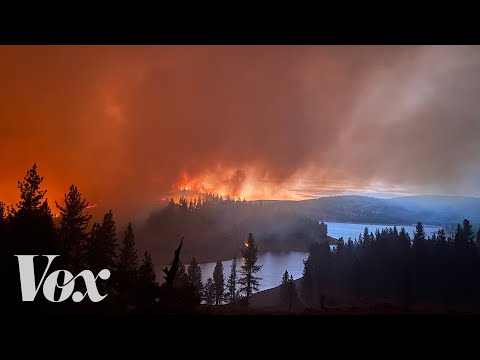
Kanta Mori posted on 2025/08/28Ever wonder why fire "season" seems to last all year? This video dives deep into wildfire risks, the challenges wildland firefighters face, and how climate change is making things tougher. You'll pick up essential vocabulary related to fire management and learn about practical ways communities are adapting!
Learn this video on the APP!
The VoiceTube App has more in-depth practice for videos!