
avoid
US /əˈvɔɪd/
UK /ə'vɔɪd/
- Transitive Verb
- To prevent from happening
- To stay away from
A2TOEICMoreaware
US /əˈwɛr/
UK /əˈwɛə/
- Adjective
- Knowing or feeling that something exists
A2TOEICMoreawareness
US /əˈwɛrnɪs/
UK /əˈweənəs/
- Uncountable Noun
- Having knowledge of something
A2TOEICMoreby means of
US
UK
- Phrase
- Using; with the help of.
A1Morecheck out
US /tʃɛk aʊt/
UK /tʃek aut/
- Phrase
- Phrasal Verb
- To find out information about something
- To take books out of a library
A1Morecognitive
US /ˈkɑɡnɪtɪv/
UK /ˈkɒgnətɪv/
- Adjective
- The process of knowing and remembering
- Relating to the ability to think and reason.
C1Moreconscious
US /ˈkɑnʃəs/
UK /ˈkɒnʃəs/
- Adjective
- Aware of what is going on around you
- Intentionally done; deliberate.
A2Morecontent
US /ˈkɑnˌtɛnt/
UK /'kɒntent/
- Adjective
- Being happy or satisfied
- In a state of peaceful happiness.
- Noun (Countable/Uncountable)
- Information in something, e.g. book or computer
- The subject matter of a book, speech, etc.
A2Moredemonstrate
US /ˈdɛmənˌstret/
UK /'demənstreɪt/
- Verb (Transitive/Intransitive)
- To display a feeling or ability openly
- To protest about something often as a group
A2TOEICMoredepend
US /dɪˈpend/
UK /dɪˈpend/
- Verb (Transitive/Intransitive)
- Be controlled or determined by (someone/something)
- To rely on someone or something for support, help, or existence.
B1TOEICMorediscern
US /dɪˈsɜ:rn/
UK /dɪˈsɜ:n/
- Verb (Transitive/Intransitive)
- To be able to tell differences, see shapes, etc.
B2TOEICMoredomain
US /doʊˈmeɪn/
UK /dəˈmeɪn/
- Noun (Countable/Uncountable)
- A field of knowledge, thought or influence
- Area that a ruler or government controls
B1Moreexception
US /ɪkˈsɛpʃən/
UK /ɪkˈsepʃn/
- Noun (Countable/Uncountable)
- Something different or not included
- An objection or feeling of disapproval.
B1TOEICMoreexcessive
US /ɪkˈsɛsɪv/
UK /ɪkˈsesɪv/
- Adjective
- Beyond what is usual or proper
B2Moreexposure
US /ɪkˈspoʒɚ/
UK /ɪk'spəʊʒə(r)/
- Noun
- Allowing light through a cameras lens onto film
- Being talked about in the media
A2TOEICMorefamiliar
US /fəˈmɪljɚ/
UK /fəˈmɪliə(r)/
- Adjective
- Well-known or easily recognized
- Having a good knowledge of something.
- Noun
- A close friend or associate.
- (In folklore) a spirit, often in animal form, believed to attend and serve a witch.
A2TOEICMorefavorable
US /ˈfevərəbəl, ˈfevrə-/
UK /'feɪvərəbl/
- Adjective
- When a good result or positive outcome is likely
B2TOEICMorefluency
US /ˈfluːənsi/
UK /ˈflu:ənsi/
- Uncountable Noun
- Ability to do something well and with ease
- Ability to speak or write a language easily
B1TOEICMoreinduce
US /ɪnˈdus, -ˈdjus/
UK /ɪn'dju:s/
- Transitive Verb
- To make someone do something; create an outcome
- To make a woman give birth by giving her medicine
B1TOEICMoreinitially
US /ɪˈnɪʃəli/
UK /ɪˈnɪʃəli/
- Adverb
- At first; originally
- In the first stage of a process or development.
A2TOEICMoreirrational
US /ɪˈræʃənəl/
UK /ɪˈræʃənl/
- Adjective
- Not sensible or reasonable; illogical
- A real number that cannot be expressed as a ratio of two integers.
B2Moremake it worse
US
UK
- Transitive Verb
- To aggravate a situation; to make something bad even worse.
A1Moremental
US /ˈmɛntl/
UK /ˈmentl/
- Adjective
- Concerning the mind
A2TOEICMoreon the brain
US
UK
- Idiom
- To be constantly thinking about someone or something; to be obsessed with someone or something.
perceptual
US /pərˈseptʃuəl/
UK /pəˈseptʃuəl/
- Adjective
- Relating to immediate sensory experience
C1Morephenomenon
US /fɪˈnɑməˌnɑn, -nən/
UK /fə'nɒmɪnən/
- Noun (Countable/Uncountable)
- Unusual event, fact that can be studied
- Interesting or unusual person, group
B1Morepleasant
US /ˈplɛzənt/
UK /'pleznt/
- Adjective
- Causing a good feeling
- Having an agreeable or attractive personality.
B1Moreplot
US /plɑt/
UK /plɒt/
- Countable Noun
- Small piece of land for a house growing crops etc.
- Series of events that form the main story
- Transitive Verb
- To mark a path, etc. on a map, using lines or dots
- To devise or develop a dramatic storyline
B1Morepop
US /pɑp/
UK /pɒp/
- Verb (Transitive/Intransitive)
- To cause something to open or burst suddenly
- To go to or in a place for a brief period of time
- Noun (Countable/Uncountable)
- Sweet soda drink
- A short, sharp, explosive sound.
B2Morepotential
US /pəˈtɛnʃəl/
UK /pəˈtenʃl/
- Adjective
- Capable of happening or becoming reality
- Having or showing the capacity to develop into something in the future.
- Uncountable Noun
- someone's or something's ability to develop, achieve, or succeed
A2TOEICMorepotentially
US /pəˈtɛnʃəlɪ/
UK /pə'tenʃəlɪ/
- Adverb
- That could happen or become reality
B1Moreprior
US /ˈpraɪɚ/
UK /'praɪə(r)/
- Adjective
- Existing or coming earlier in time
- (Of a claim, etc.) more important than another one
- Noun
- Monk or priest in charge of a monastery
B1TOEICMoreprocess
US /ˈprɑsˌɛs, ˈproˌsɛs/
UK /prə'ses/
- Transitive Verb
- To organize and use data in a computer
- To deal with official forms in the way required
- Noun (Countable/Uncountable)
- Dealing with official forms in the way required
- Set of changes that occur slowly and naturally
A2TOEICMorepsyche
US /ˈsaɪki/
UK /ˈsaɪki/
- Noun
- Soul, mind, or feelings of a person or group
C2Morepsychological
US /ˌsaɪkəˈlɑdʒɪkəl/
UK /ˌsaɪkəˈlɒdʒɪkl/
- Adjective
- Concerning the study of the mind
- Relating to or involving the use of propaganda, threats, or other psychological techniques to subdue an opponent.
A2Morepsychologist
US /saɪˈkɑlədʒɪst/
UK /saɪˈkɒlədʒɪst/
- Noun (Countable/Uncountable)
- An expert who studies the mind and behavior
- A therapist specializing in mental health.
C2Morerandom
US /ˈrændəm/
UK /'rændəm/
- Adjective
- Chosen, done without a particular plan or pattern
B1Morerational
US /ˈræʃənəl/
UK /'ræʃnəl/
- Adjective
- Able to think clearly
- A real number that can be written as a ratio of two integers.
- Noun
- A rational person.
A2TOEICMorerepeatedly
US /rɪ'pi:tɪdlɪ/
UK /rɪ'pi:tɪdlɪ/
- Adverb
- (Said, done) many times; over and over
B2Moreslash
US /slæʃ/
UK /slæʃ/
- Noun (Countable/Uncountable)
- Line ( / ) used in writing
- Long, deep cut, caused by a sharp object
- Transitive Verb
- To cut violently with a sharp object
- To decrease something by a large amount
B2TOEICMorespectacular
US /spɛkˈtækjəlɚ/
UK /spekˈtækjələ(r)/
- Adjective
- Impressive or out of the ordinary
- Noun
- A lavish or elaborate display or performance.
B1Morestimulus
US /ˈstɪmjələs/
UK /ˈstɪmjələs/
- Noun
- Something that causes a change
B2Moresubjective
US /səbˈdʒɛktɪv/
UK /səbˈdʒektɪv/
- Adjective
- Using personal feelings and opinions not facts
C1Moresubsequent
US /ˈsʌbsɪˌkwɛnt, -kwənt/
UK /ˈsʌbsɪkwənt/
- Adjective
- Happening after; later
B1Moresuch as
US /sʌtʃ æz/
UK /sʌtʃ æz/
- Preposition
- For example; like
A1Moretend
US /tɛnd/
UK /tend/
- Intransitive Verb
- To move or act in a certain manner
- Transitive Verb
- To take care of
A2Morethink about
US /θɪŋk əˈbaʊt/
UK /θiŋk əˈbaut/
- Phrasal Verb
- To consider something carefully.
- To remember or call to mind.
A1Moretypically
US /ˈtɪpɪklɪ/
UK /ˈtɪpɪkli/
- Adverb
- In a normal or usual way
B1Moreunconscious
US /ʌnˈkɑnʃəs/
UK /ʌnˈkɒnʃəs/
- Adjective
- Not aware of what is going on around you
- Not being deliberate or on purpose
- Uncountable Noun
- The part of the mind that contains thoughts and feelings that one is not aware of.
B1Moreused to
US /juzd tu/
UK /ˈju:st tə/
- Adjective
- Did regularly before, but don't do now
- Auxiliary Verb
- Have done before, but do not do now
A1Moreutterly
US /ˈʌtəli/
UK /'ʌtəli:/
- Adverb
- Completely
B2Morevalidate
US /ˈvælɪˌdet/
UK /'vælɪdeɪt/
- Transitive Verb
- To show to be officially correct or allowable
B2TOEICMorewhatsoever
US /ˌhwɑtsoˈɛvɚ,ˌhwʌt-,ˌwɑt,ˌwʌt-/
UK /ˌwɒtsəʊ'evə/
- Determiner
- Used to add emphasis to an idea being expressed
B2Morewith the exception of
US
UK
- Phrase
- Excluding; not including.
A1More
Vocabulary
- check out
- with the exception of: Excluding; not including.
- make it worse: To aggravate a situation; to make something bad even worse.
- such as: For example; like
- on the brain: To be constantly thinking about someone or something; to be obsessed with someone or something.
- used to: Did regularly before, but don't do now
- by means of: Using; with the help of.
- think about: To consider something carefully.
- cognitive: The process of knowing and remembering
- potential: Capable of happening or becoming reality
- conscious: Aware of what is going on around you
- process: To organize and use data in a computer
- phenomenon: Unusual event, fact that can be studied
- mental: Concerning the mind
- figure: To appear in a game, play or event
- content: Being happy or satisfied
- demonstrate: To display a feeling or ability openly
- potentially: That could happen or become reality
- spectacular: Impressive or out of the ordinary
- typically: In a normal or usual way
- tend: To move or act in a certain manner
- aware: Knowing or feeling that something exists
- psychological: Concerning the study of the mind
- utterly: Completely
- exposure: Allowing light through a cameras lens onto film
- familiar: Well-known or easily recognized
- random: Chosen, done without a particular plan or pattern
- fear: Unpleasant feeling caused by being aware of danger
- unconscious: Not aware of what is going on around you
- excessive: Beyond what is usual or proper
- initially: At first; originally
- rational: Able to think clearly
- awareness: Having knowledge of something
- psychologist: An expert who studies the mind and behavior
- avoid: To prevent from happening
- brain: To strike someone forcefully on the head
- pleasant: Causing a good feeling
- subsequent: Happening after; later
- plot: Small piece of land for a house growing crops etc.
- fluency: Ability to do something well and with ease
- effect: An advantage, benefit
- irrational: Not sensible or reasonable; illogical
- interest: Best or most advantageous thing for someone
- rate: To assess something or consider its qualities
- lead: Wire for electricity, computer, etc.; cable
- prior: Existing or coming earlier in time
- validate: To show to be officially correct or allowable
- induce: To make someone do something; create an outcome
- exception: Something different or not included
- slash: Line ( / ) used in writing
- pop: To cause something to open or burst suddenly
- notice: To become aware by sight, touch, or hearing
- depend: Be controlled or determined by (someone/something)
- whatsoever: Used to add emphasis to an idea being expressed
- domain: A field of knowledge, thought or influence
- learn: To get knowledge or skills by study or experience
- continue: To do something without stopping, or after pausing
- stimulus: Something that causes a change
- prefer: To like something better than something else
- support: To give assistance or advice to someone
- public: Owned by the government
- subjective: Using personal feelings and opinions not facts
- worse: Comparative of 'bad'; more bad
- step: Movement done as part of a particular dance
- discern: To be able to tell differences, see shapes, etc.
- repeatedly: (Said, done) many times; over and over
- perceptual: Relating to immediate sensory experience
- psyche: Soul, mind, or feelings of a person or group
- favorable: When a good result or positive outcome is likely
Get the full experience in the app
Learn anywhere with detailed sentence and usage analysis
01:03
She took a brave step forward, leaving behind her comfort zone to chase her dreams.
Vocabulary
- brave
adj. Having courage
- comfort zone
phr. A familiar situation where one feels safe
Explanation
a brave step is a noun phrase, where brave is an adjective modifying the noun step, meaning "a courageous step".
forward is an adverb modifying step, meaning "ahead".
The whole phrase serves as the object, answering the "what" of took (verb) — she took a brave step forward.
Get the full experience in the app
Look up words anytime with pronunciation, part of speech, and usage
brave
US/brev/
UK/breɪv/
adj.Brave
v.t.To bravely face
A2 Elementary
Get the full experience in the app
Practice speaking anytime and get instant pronunciation feedback
Try this speaking exercise.
Try practicing with this sentence.
80
0
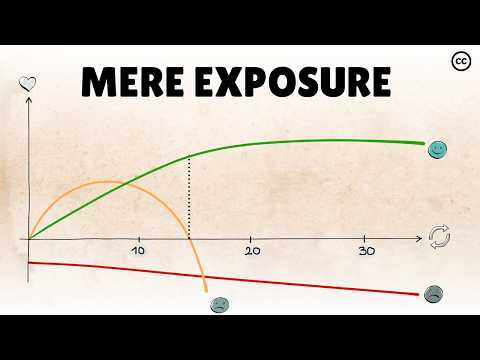
林宜悉 posted on 2025/07/23Ever wonder why you can't get certain jingles out of your head? This fun explainer dives into the Mere Exposure Effect, showing how simple repetition influences our preferences, especially in advertising! You'll pick up some cool vocabulary about psychology and how ads work their magic on us.
Learn this video on the APP!
The VoiceTube App has more in-depth practice for videos!