
anxiety
US /æŋˈzaɪɪti/
UK /æŋ'zaɪətɪ/
- Uncountable Noun
- A feeling of worry, nervousness, or unease about something that might happen, especially when the outcome is uncertain.
B1Moreat some point
US /æt sʌm pɔɪnt/
UK /æt sʌm pɔint/
- Phrase
- At an unspecified time, usually in the future.
A1Moreattribute
US /əˈtrɪbjut/
UK /əˈtrɪbju:t/
- Transitive Verb
- (Of books, art, music) to say it was composed by
- Noun (Countable/Uncountable)
- Characteristic something has, e.g. size or color
B1TOEICMorecheck out
US /tʃɛk aʊt/
UK /tʃek aut/
- Phrase
- Phrasal Verb
- To find out information about something
- To take books out of a library
A1Morechildhood
US /ˈtʃaɪldˌhʊd/
UK /ˈtʃaɪldhʊd/
- Uncountable Noun
- The time when you are a child
B1Morecognitive
US /ˈkɑɡnɪtɪv/
UK /ˈkɒgnətɪv/
- Adjective
- The process of knowing and remembering
- Relating to the ability to think and reason.
C1Morecompulsive
US /kəmˈpʌlsɪv/
UK /kəm'pʌlsɪv/
- Adjective
- Having difficulty to stop yourself doing something
- Acting as a result of an irresistible urge; addicted.
B2Morecondition
US /kənˈdɪʃən/
UK /kənˈdɪʃn/
- Transitive Verb
- To improve something to make it better
- To cause to behave automatically in a certain way
- Noun (Countable/Uncountable)
- Disease or other medical problem
- The state of living you are in, e.g. good health
A2Moreconstantly
US /ˈkɑnstəntlɪ/
UK /ˈkɒnstəntli/
- Adverb
- Frequently, or without pause
- In a way that is unchanging or faithful
B1Moredisorder
US /dɪsˈɔrdɚ/
UK /dɪs'ɔ:də(r)/
- Uncountable Noun
- State of confusion or a lack of organization
- Illness when the body is not functioning well
- Transitive Verb
- To disrupt the order or arrangement of something.
B2Moredisrupt
US /dɪsˈrʌpt/
UK /dɪsˈrʌpt/
- Transitive Verb
- To cause a disturbance in an activity in progress
B2TOEICMoreestablish
US /ɪˈstæblɪʃ/
UK /ɪˈstæblɪʃ/
- Transitive Verb
- To set or create something to last for a long time
- To use facts, evidence to show truth or clarity
A2TOEICMoreever since
US /ˈɛvɚ sɪns/
UK /ˈevə sins/
- Adverb
- Continuously from a past time until now.
- Conjunction
- From the time that; because.
B2Moreexacerbate
US /ɪɡˈzæsɚˌbet/
UK /ɪɡ'zæsəbeɪt/
- Transitive Verb
- To increase the severity or bitterness of
B2Moreexact
US /ɪɡˈzækt/
UK /ɪɡ'zækt/
- Adjective
- Completely correct; accurate; specific
- Transitive Verb
- To get something, sometimes using force
A2TOEICMoreexcessive
US /ɪkˈsɛsɪv/
UK /ɪkˈsesɪv/
- Adjective
- Beyond what is usual or proper
B2Moreexposure
US /ɪkˈspoʒɚ/
UK /ɪk'spəʊʒə(r)/
- Noun
- Allowing light through a cameras lens onto film
- Being talked about in the media
A2TOEICMoreextreme
US /ɪkˈstrim/
UK /ɪk'stri:m/
- Adjective
- Very great in degree
- Farthest from a center
- Noun
- Effort that is thought more than is necessary
- The furthest point or limit of something.
B1Moreforbid
US /fərˈbɪd/
UK /fəˈbɪd/
- Transitive Verb
- To order someone not to do something
B1Moregenetic
US /dʒəˈnɛtɪk/
UK /dʒəˈnetɪk/
- Adjective
- Of, relating to, or controlled by genes
- Relating to genes or heredity.
B1Morego away
US /ɡo əˈwe/
UK /ɡəu əˈwei/
- Phrasal Verb
- To go on vacation
- To leave; depart.
A1Morehoard
US /hɔ:rd/
UK /hɔ:d/
- Noun (Countable/Uncountable)
- Large amount of hidden (valuable) items
- Transitive Verb
- To keep a large amount of hidden (valuable) items
B2Morein waves
US /ɪn weɪvz/
UK /ɪn weɪvz/
- other
- Occurring in large, flowing bursts or groups.
B2Moreindulge
US /ɪnˈdʌldʒ/
UK /ɪnˈdʌldʒ/
- Transitive Verb
- To let someone else have or do what they want
- To allow to do more pleasurable things than normal
B1TOEICMoreinitiate
US /ɪˈnɪʃ.i.eɪt/
UK /ɪˈnɪʃ.i.eɪt/
- Transitive Verb
- To cause something to begin
- To allow someone into a group by a special ceremony
- Noun
- A person who has been initiated into an organization or activity.
A2TOEICMoreintensity
US /ɪnˈtɛnsɪti/
UK /ɪn'tensətɪ/
- Uncountable Noun
- Great energy, strength, or concentration
- The quality of being intense; the degree or amount of strength, force, etc.
A2TOEICMoreintrusive
US /ɪnˈtrusɪv, -zɪv/
UK /ɪnˈtru:sɪv/
- Adjective
- Appearing or getting involved where not wanted
B2Morelead to
US /lid tu/
UK /li:d tu:/
- Phrasal Verb
- To result in some action
- Verb (Transitive/Intransitive)
- To have something as a consequence or result.
A1Morelock on
US
UK
- Phrasal Verb
- To establish a tracking signal on a target, typically used in the context of missile guidance systems.
- To focus one's attention or efforts intently on something.
B1Moremedication
US /ˌmɛdɪˈkeʃən/
UK /ˌmedɪˈkeɪʃn/
- Noun (Countable/Uncountable)
- Substance to relieve pain or cure sickness
B2Moremental
US /ˈmɛntl/
UK /ˈmentl/
- Adjective
- Concerning the mind
A2TOEICMorenegative
US /ˈnɛɡətɪv/
UK /'neɡətɪv/
- Noun
- The opposite to a positive electrical charge
- In grammar, containing words such as 'no' or 'not'
- Adjective
- Being harmful, unwanted or unhelpful
- In mathematics, being less than zero
A2Moreobsess
US /əbˈsɛs, ɑb-/
UK /əbˈses/
- Verb (Transitive/Intransitive)
- To talk or think about someone, something too much
- To think about something to an excessive degree
C1Moreobsessive
US /əbˈsɛsɪv, ɑb-/
UK /əbˈsesɪv/
- Adjective
- Characterized by or constituting an obsession
- Thinking about something or someone all the time
B2Moreof age
US /əv eɪdʒ/
UK /əv eɪdʒ/
- other
- Having reached the legal age of adulthood.
A2Moreon the door
US /ɑn ðə dɔr/
UK /ɒn ðə dɔ:/
- Preposition
- Situated on the surface or part of a door.
B1Moreonset
US /ˈɑnˌsɛt, ˈɔn-/
UK /ˈɒnset/
- Noun
- When something, e.g. an illness, starts; beginning
B2TOEICMoreovercome
US /ˌovɚˈkʌm/
UK /ˌəʊvə'kʌm/
- Transitive Verb
- To succeed in a struggle against; defeat
- Participle
- Past participle of overcome; to have successfully dealt with or controlled a problem or feeling.
A2TOEICMorepersist
US /pɚˈsɪst, -ˈzɪst/
UK /pə'sɪst/
- Intransitive Verb
- To continue a course of action despite opposition
- To continue to exist or occur beyond the usual, expected, or desired time.
B1TOEICMoreprevention
US /prɪˈvɛnʃən/
UK /prɪˈvenʃn/
- Uncountable Noun
- Act of stopping something bad from happening
B1Moreprocess
US /ˈprɑsˌɛs, ˈproˌsɛs/
UK /prə'ses/
- Transitive Verb
- To organize and use data in a computer
- To deal with official forms in the way required
- Noun (Countable/Uncountable)
- Dealing with official forms in the way required
- Set of changes that occur slowly and naturally
A2TOEICMoreregulate
US /ˈrɛɡjəˌlet/
UK /ˈregjuleɪt/
- Transitive Verb
- To control something with rules or laws
- To set/adjust (a clock, etc.); restrict motion in
A2TOEICMorerelief
US /rɪˈlif/
UK /rɪˈli:f/
- Noun (Countable/Uncountable)
- Aid given to people in need as after war/disaster
- Artwork, e.g. part of wall, that partly sticks out
B1TOEICMorerelieve
US /rɪˈliv/
UK /rɪ'li:v/
- Transitive Verb
- To make less boring by making some change
- To replace workers with others
B1Morerepetitive
US /rɪˈpɛtɪtɪv/
UK /rɪˈpetətɪv/
- Adjective
- Doing or saying the same things many times
B2Moreresolve
US /rɪˈzɑlv/
UK /rɪ'zɒlv/
- Verb (Transitive/Intransitive)
- To make a decision to do something
- To find an answer, solution to a problem/ question
- Uncountable Noun
- Firm determination to do something.
B1TOEICMoreresponse
US /rɪˈspɑns/
UK /riˈspɔns/
- Noun
- Something said/written as an answer to something
- Reaction to something that has occurred
A2TOEICMoreresult
US /rɪˈzʌlt/
UK /rɪ'zʌlt/
- Noun
- Something produced through tests or experiments
- Final score of a competition, election or game
- Intransitive Verb
- To be the outcome of other causes and effects
- To happen or exist as a consequence of something.
A2Moreritual
US /ˈrɪtʃuəl/
UK /'rɪtʃʊəl/
- Adjective
- Performed as part of a ceremony
- Being done in a regular, expected or similar way
- Noun (Countable/Uncountable)
- Social or religious ceremony always done the same
- A series of actions regularly and invariably followed by someone.
B1Moreshift
US /ʃɪft/
UK /ʃɪft/
- Verb (Transitive/Intransitive)
- To change in position or direction
- To move something from one place to another
- Noun (Countable/Uncountable)
- A change in a persons plans, opinions or beliefs
- Period of work starting at a certain time
A2Morespectrum
US /ˈspɛktrəm/
UK /'spektrəm/
- Noun
- The wavelengths of colors from red to violet
- a range of different positions, opinions, etc. between two extreme points
B1Morestrike
US /straɪk/
UK /straɪk/
- Transitive Verb
- To hit something
- To remove or erase.
- Noun (Countable/Uncountable)
- A punch or hit
- Fact of not hitting the ball when playing baseball
A2TOEICMoresuch as
US /sʌtʃ æz/
UK /sʌtʃ æz/
- Preposition
- For example; like
A1Moresymmetry
US /ˈsɪmɪtri/
UK /ˈsɪmətri/
- Uncountable Noun
- Having parts that are exactly the same
B2TOEICMoretherapy
US /ˈθɛrəpi/
UK /'θerəpɪ/
- Noun (Countable/Uncountable)
- Treatment to help cure an illness
- Psychological counseling to help resolve personal or emotional problems.
B2Moretrauma
US /ˈtraʊmə/
UK /'trɔ:mə/
- Noun (Countable/Uncountable)
- A very severe or upsetting experience
- Serious injury to part of the body
B2Moreturn to
US /tɚn tu/
UK /tə:n tu:/
- Phrasal Verb
- To go to someone for help, advice, or information.
- To start doing or using something, often something bad or undesirable.
A1More
Vocabulary
- lead to: To result in some action
- of age: Having reached the legal age of adulthood.
- in waves: Occurring in large, flowing bursts or groups.
- ever since: Continuously from a past time until now.
- go away: To go on vacation
- on the door: Situated on the surface or part of a door.
- lock on: To establish a tracking signal on a target, typically used in the context of missile guidance systems.
- such as: For example; like
- at some point: At an unspecified time, usually in the future.
- turn to: To go to someone for help, advice, or information.
- check out
- anxiety: A feeling of worry, nervousness, or unease about something that might happen, especially when the outcome is uncertain.
- constantly: Frequently, or without pause
- cognitive: The process of knowing and remembering
- sort: To organize things by putting them into groups
- process: To organize and use data in a computer
- mental: Concerning the mind
- ritual: Performed as part of a ceremony
- trauma: A very severe or upsetting experience
- experience: Thing a person has done or that happened to them
- disorder: State of confusion or a lack of organization
- negative: The opposite to a positive electrical charge
- therapy: Treatment to help cure an illness
- extreme: Very great in degree
- anxious: Afraid of what may happen; worried and nervous
- spectrum: The wavelengths of colors from red to violet
- exposure: Allowing light through a cameras lens onto film
- exact: Completely correct; accurate; specific
- indulge: To let someone else have or do what they want
- strike: To hit something
- fear: Unpleasant feeling caused by being aware of danger
- excessive: Beyond what is usual or proper
- increase: To make or become larger in size or amount
- shift: To change in position or direction
- overcome: To succeed in a struggle against; defeat
- disrupt: To cause a disturbance in an activity in progress
- establish: To set or create something to last for a long time
- brain: To strike someone forcefully on the head
- intensity: Great energy, strength, or concentration
- condition: To improve something to make it better
- deal: To cope with something - usually troubles
- genetic: Of, relating to, or controlled by genes
- response: Something said/written as an answer to something
- obsessive: Characterized by or constituting an obsession
- behavior: The way a person or thing acts; manner
- compulsive: Having difficulty to stop yourself doing something
- regulate: To control something with rules or laws
- initiate: To cause something to begin
- result: Something produced through tests or experiments
- repetitive: Doing or saying the same things many times
- lead: Wire for electricity, computer, etc.; cable
- attribute: (Of books, art, music) to say it was composed by
- relief: Aid given to people in need as after war/disaster
- persist: To continue a course of action despite opposition
- obsess: To talk or think about someone, something too much
- normal: Standard or regular way of doing something
- resolve: To make a decision to do something
- relieve: To make less boring by making some change
- intrusive: Appearing or getting involved where not wanted
- exacerbate: To increase the severity or bitterness of
- bring: To take or go with someone to a place
- onset: When something, e.g. an illness, starts; beginning
- pound: The # key on a keyboard
- afraid: Worried that something bad will happen; scared
- symmetry: Having parts that are exactly the same
- medication: Substance to relieve pain or cure sickness
- person: Man, woman or child
- hoard: Large amount of hidden (valuable) items
- include: To make someone, something part of a group
- forbid: To order someone not to do something
- childhood: The time when you are a child
- prevention: Act of stopping something bad from happening
Get the full experience in the app
Learn anywhere with detailed sentence and usage analysis
01:03
She took a brave step forward, leaving behind her comfort zone to chase her dreams.
Vocabulary
- brave
adj. Having courage
- comfort zone
phr. A familiar situation where one feels safe
Explanation
a brave step is a noun phrase, where brave is an adjective modifying the noun step, meaning "a courageous step".
forward is an adverb modifying step, meaning "ahead".
The whole phrase serves as the object, answering the "what" of took (verb) — she took a brave step forward.
Get the full experience in the app
Look up words anytime with pronunciation, part of speech, and usage
brave
US/brev/
UK/breɪv/
adj.Brave
v.t.To bravely face
A2 Elementary
Get the full experience in the app
Practice speaking anytime and get instant pronunciation feedback
Try this speaking exercise.
Try practicing with this sentence.
80
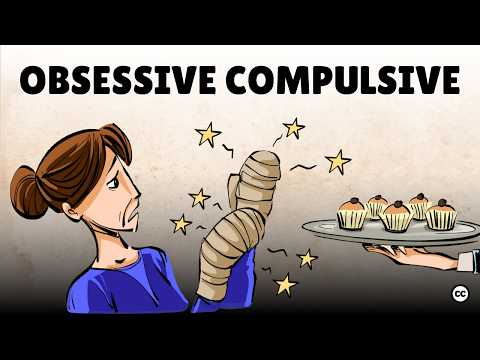
Obsessive-Compulsive Disorder (OCD)
0
林宜悉 posted on 2025/08/30Ever wondered about obsessive-compulsive disorder? This video dives deep into intrusive thoughts and compulsive behaviors, offering real-life stories and explaining effective strategies like exposure response prevention. You'll boost your vocabulary with advanced terms while learning about teen mental health in this engaging explainer!
Learn this video on the APP!
The VoiceTube App has more in-depth practice for videos!