
check out
US /tʃɛk aʊt/
UK /tʃek aut/
- Phrase
- Phrasal Verb
- To find out information about something
- To take books out of a library
A1Morecome up
US /kʌm ʌp/
UK /kʌm ʌp/
- Phrasal Verb
- To come closer to someone; approach
- (Of sun) to rise into the sky in the morning
A1Moreconfuse
US /kənˈfjuz/
UK /kənˈfju:z/
- Transitive Verb
- To make something unclear or hard to understand
- To mistake one person or thing for another.
A2Morecurious
US /ˈkjʊriəs/
UK /ˈkjʊəriəs/
- Adjective
- Wanting to know more about something
- Attracting interest by being strange or unusual
A2Morediet
US /ˈdaɪɪt/
UK /'daɪət/
- Intransitive Verb
- To eat special or less food, as to lose weight
- Noun (Countable/Uncountable)
- Plan of eating to reduce weight or improve health
- The usual food and drink consumed by an organism (person or animal)
A2TOEICMorediet coke
US
UK
- Noun
- A sugar-free version of Coca-Cola.
B1Moreexcuse
US /ɪkˈskjuz/
UK /ɪk'skju:s/
- Transitive Verb
- To allow someone not to do (jury service, etc.)
- To explain acting in a bad or impolite manner
- Noun
- Note explaining why someone cannot do or attend
- Reason why you did or didn't do something
A2Morefor sure
US /fɔr ʃʊr/
UK /fɔ: ʃuə/
- Adverb
- Definitely; certainly; without a doubt.
- Used to emphasize a statement.
- Interjection
- An expression of strong agreement or affirmation.
A2Moregoing on
US /ˈɡoɪŋ ɑn/
UK /ˈgəʊɪŋ ɔn/
- Phrasal Verb
- To continue doing something
- To happen (usually negative)
A1Moregot to
US /ɡɑt tu/
UK /gɔt tu:/
- Verb (Transitive/Intransitive)
- To arrive at some place
- To have the opportunity or permission to do something
- Phrasal Verb
- To appeal to the emotions of; move
- To finally begin to start something after a delay
A1Morehang
US /hæŋ/
UK /hæŋ/
- Transitive Verb
- To attach a picture, photograph etc. onto a wall
- To kill by putting a rope around neck and dropping
- Intransitive Verb
- To float, move softly, or remain in the air
- To remain undecided, unsolved or unclear
A2Morehang out
US /hæŋ aʊt/
UK /hæŋ aut/
- Phrasal Verb
- To spend time with your friends
- To spend times with friends or relax doing nothing
A2Moreinstead of
US /ɪnˈstɛd ʌv/
UK /inˈsted ɔv/
- Preposition
- When one thing is replaced by another
- Adverb
- As a substitute or alternative.
A1Moreinteraction
US /ˌɪntɚˈækʃən/
UK /ˌɪntər'ækʃn/
- Noun (Countable/Uncountable)
- Process of people or things affecting each other
- The activity of talking to other people, working together etc
A2Moremention
US /ˈmɛnʃən/
UK /'menʃn/
- Transitive Verb
- To refer to or talk or write about something
- Uncountable Noun
- Act of referring to or talking about something
- A formal acknowledgement of something
A2TOEICMorenegative
US /ˈnɛɡətɪv/
UK /'neɡətɪv/
- Noun
- The opposite to a positive electrical charge
- In grammar, containing words such as 'no' or 'not'
- Adjective
- Being harmful, unwanted or unhelpful
- In mathematics, being less than zero
A2Morenope
US /noʊp/
UK /nəʊp/
- Noun
- A dialect or emphatic way of saying 'No'
- A situation or idea that one strongly rejects or wants to avoid.
- Interjection
- An informal way of saying 'no'
B2Moreon sunday
US
UK
- Phrase
- Every Sunday; each Sunday.
- Referring to a particular Sunday.
A1Moreonline
US /ˌɑ:nˈlaɪn/
UK /ˌɒnˈlaɪn/
- Adjective
- Connected to the internet
- Adverb
- Via the internet.
B1Morepandemic
US /pænˈdɛmɪk/
UK /pæn'demɪk/
- Adjective
- (of a disease) existing in almost all of an area or in almost all of a group of people, animals, or plants
- Noun
- a pandemic disease
C2Morepositive
US /ˈpɑzɪtɪv/
UK /ˈpɒzətɪv/
- Adjective
- Showing agreement or support for something
- Being sure about something; knowing the truth
- Noun
- A photograph in which light areas are light and dark areas are dark
A2Morepossibility
US /ˌpɑsəˈbɪlɪti/
UK /ˌpɒsə'bɪlətɪ/
- Uncountable Noun
- Something with a chance of happening or being true
A2TOEICMoreshorten
US /ˈʃɔrtn/
UK /'ʃɔ:tn/
- Transitive Verb
- To make something, e.g. a skirt, shorter
C1Moreshy
US /ʃaɪ/
UK /ʃaɪ/
- Adjective
- Afraid of meeting people; lacking self-confidence
- Being less than the full or expected amount
- Intransitive Verb
- To move away due to nervousness
A2Moreslang
US /slæŋ/
UK /slæŋ/
- Uncountable Noun
- Words or phrases used in a very informal way
B1Moretechnique
US /tɛkˈnik/
UK /tekˈni:k/
- Noun (Countable/Uncountable)
- Way of doing by using special knowledge or skill
- The skill or ability to do something well.
A2TOEICMoretendency
US /ˈtɛndənsi/
UK /'tendənsɪ/
- Noun
- Likelihood to behave in a particular way
A2Morethink of
US /θɪŋk ʌv/
UK /θiŋk ɔv/
- Phrasal Verb
- To look on as (being something specific); consider
- To consider or remember something.
- Verb (Transitive/Intransitive)
- To imagine or call something to mind
A1Moretrend
US /trɛnd/
UK /trend/
- Noun (Countable/Uncountable)
- Current style or fashion
- General direction that is taken
- Intransitive Verb
- To be current and popular
- To move up or down
A2Moreused to
US /juzd tu/
UK /ˈju:st tə/
- Adjective
- Did regularly before, but don't do now
- Auxiliary Verb
- Have done before, but do not do now
A1Morewait for
US /wet fɔr/
UK /weit fɔ:/
- Phrasal Verb
- To wait until someone comes, or something happens
A1Morewaste
US /west/
UK /weɪst/
- Transitive Verb
- To kill or severely harm someone
- To use valuable things ineffectively
- Uncountable Noun
- Materials left over after a process has finished
A2TOEICMoreweird
US /wɪrd/
UK /wɪəd/
- Adjective
- Odd or unusual; surprising; strange
- Eerily strange or disturbing.
B1More
Vocabulary
- hang out: To spend time with your friends
- for sure: Definitely; certainly; without a doubt.
- on sunday: Every Sunday; each Sunday.
- instead of: When one thing is replaced by another
- going on: To continue doing something
- wait for: To wait until someone comes, or something happens
- used to: Did regularly before, but don't do now
- diet coke: A sugar-free version of Coca-Cola.
- think of: To look on as (being something specific); consider
- got to: To arrive at some place
- come up: To come closer to someone; approach
- check out
- weird: Odd or unusual; surprising; strange
- pandemic: (of a disease) existing in almost all of an area or in almost all of a group of people, animals, or plants
- technique: Way of doing by using special knowledge or skill
- positive: Showing agreement or support for something
- negative: The opposite to a positive electrical charge
- curious: Wanting to know more about something
- tendency: Likelihood to behave in a particular way
- slang: Words or phrases used in a very informal way
- interaction: Process of people or things affecting each other
- mean: Average of a set of numbers
- mention: To refer to or talk or write about something
- explain: To make clear or easy to understand by describing
- private: Being away from others and quiet
- reason: To think and make conclusions in a logical manner
- diet: To eat special or less food, as to lose weight
- hang: To attach a picture, photograph etc. onto a wall
- trend: Current style or fashion
- social: Involving activity with people, e.g. in free time
- excuse: To allow someone not to do (jury service, etc.)
- waste: To kill or severely harm someone
- lot: What happens to a person in life from chance; fate
- language: Words or signs used to communicate messages
- question: To ask for or try to get information
- person: Man, woman or child
- difficult: Hard; not easy; you need to work hard to do it
- hard: Difficult to do; difficult to understand
- make: To arrange or prepare something e.g. dinner
- start: First time or place that a thing exists; beginning
- understand: To know the meaning of language, what someone says
- possibility: Something with a chance of happening or being true
- think: To have an idea about something without certainty
- confuse: To make something unclear or hard to understand
- shy: Afraid of meeting people; lacking self-confidence
- nope: A dialect or emphatic way of saying 'No'
- online: Connected to the internet
- shorten: To make something, e.g. a skirt, shorter
Get the full experience in the app
Learn anywhere with detailed sentence and usage analysis
01:03
She took a brave step forward, leaving behind her comfort zone to chase her dreams.
Vocabulary
- brave
adj. Having courage
- comfort zone
phr. A familiar situation where one feels safe
Explanation
a brave step is a noun phrase, where brave is an adjective modifying the noun step, meaning "a courageous step".
forward is an adverb modifying step, meaning "ahead".
The whole phrase serves as the object, answering the "what" of took (verb) — she took a brave step forward.
Get the full experience in the app
Look up words anytime with pronunciation, part of speech, and usage
brave
US/brev/
UK/breɪv/
adj.Brave
v.t.To bravely face
A2 Elementary
Get the full experience in the app
Practice speaking anytime and get instant pronunciation feedback
Try this speaking exercise.
Try practicing with this sentence.
80
0
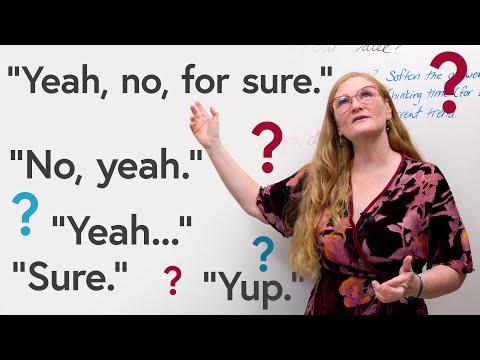
林宜悉 posted on 2025/07/21Ever get confused by those super short, sometimes contradictory English answers like "Yeah, no" or "Sure"? Ronnie breaks down these tricky discourse markers and softening phrases used in North American English, so you can sound more natural in everyday conversations! You'll pick up practical, informal responses that will boost your confidence in no time.
Learn this video on the APP!
The VoiceTube App has more in-depth practice for videos!