
air out
US
UK
- Phrasal Verb
- To ventilate a room or space by opening windows or doors.
A2Moreairflow
US /ˈerfloʊ/
UK /ˈeəfləʊ/
- Uncountable Noun
- Movement of air around objects
C2Moreany sort of
US
UK
- Determiner
- Any kind of; any type of
- Phrase
- Somewhat; to some extent
A2Moreat the same time
US
UK
- Phrase
- Simultaneously; at the identical moment.
- Nevertheless; however; used to introduce a contrasting or qualifying statement.
A1Moreattention
US /əˈtɛnʃən/
UK /əˈtenʃn/
- Noun (Countable/Uncountable)
- Taking notice of someone or something
- Noun
- (Soldiers) Standing with straight backs
A2TOEICMoreaudio
US /ˈɔ:dioʊ/
UK /ˈɔ:diəʊ/
- Adjective
- Concerning sound
- Uncountable Noun
- Sound, especially when recorded or transmitted.
B2TOEICMoreaware
US /əˈwɛr/
UK /əˈwɛə/
- Adjective
- Knowing or feeling that something exists
A2TOEICMoreback into
US /bæk ˈɪntu/
UK /bæk ˈɪntuː/
- Phrasal Verb
- To drive a vehicle backwards into a space or area.
- To accidentally collide with something while moving backwards.
A1Moreback off
US /bæk ɔf/
UK /bæk ɔf/
- Phrasal Verb
- To stop supporting; lose courage
- To decide to not carry out a threat
A1Morebased on
US
UK
- Phrasal Verb
- To use something as the foundation or starting point for something else.
- Preposition
- Using something as the main idea or foundation.
- Relying on something as evidence or justification.
A1Morebasically
US /ˈbesɪkəli,-kli/
UK /ˈbeɪsɪkli/
- Adverb
- Used before you explain something simply, clearly
- In essence; when you consider the most important aspects of something.
A2Morebecome of
US /bɪˈkʌm ʌv/
UK /bɪˈkʌm əv/
- other
- To happen or become the result of something.
B1Morecame off
US
UK
- Phrasal Verb
- To succeed in doing; complete something
- To detach or come away from something in pieces
A1Morechannel
US /ˈtʃænəl/
UK /'tʃænl/
- Noun (Countable/Uncountable)
- Long hole dug in the ground, e.g. to move water
- TV or radio station or its programs
- Transitive Verb
- To dig a long hole for carrying water
- To send (e.g. money) to a certain place or person
B1Morecombination
US /ˌkɑmbəˈneʃən/
UK /ˌkɒmbɪ'neɪʃn/
- Noun
- Series of letters or numbers needed to open a lock
- Act or result of mixing things together
B1Morecome back
US /kʌm bæk/
UK /kʌm bæk/
- Phrasal Verb
- To reply to someone, often forcefully
- To be remembered
A1Morecome up
US /kʌm ʌp/
UK /kʌm ʌp/
- Phrasal Verb
- To come closer to someone; approach
- (Of sun) to rise into the sky in the morning
A1Moreconsonant
US /ˈkɑnsənənt/
UK /ˈkɒnsənənt/
- Adjective
- Music (of a note) in harmony
- Countable Noun
- A speech sound or letter that is not a vowel
B2Morecontext
US /ˈkɑnˌtɛkst/
UK /ˈkɒntekst/
- Noun (Countable/Uncountable)
- Set of facts surrounding a person or event
- The circumstances that form the setting for an event, statement, or idea, and in terms of which it can be fully understood and assessed.
A2Moredevice
US /dɪˈvaɪs/
UK /dɪˈvaɪs/
- Noun (Countable/Uncountable)
- Object, machine, or equipment for a specific use
- Method of doing something; a way
A2TOEICMoredistinguish
US /dɪˈstɪŋɡwɪʃ/
UK /dɪˈstɪŋgwɪʃ/
- Transitive Verb
- To make something clearly different from others
- To make noticeable or different; to set apart.
A2TOEICMoreend in
US /ɛnd ɪn/
UK /end in/
- Phrasal Verb
- To have something as the final result.
essentially
US /ɪˈsenʃəli/
UK /ɪˈsenʃəli/
- Adverb
- Basically; (said when stating the basic facts)
- Used to emphasize the basic truth or fact of a situation.
A2Morego away
US /ɡo əˈwe/
UK /ɡəu əˈwei/
- Phrasal Verb
- To go on vacation
- To leave; depart.
A1Morego out
US /ɡo aʊt/
UK /ɡəu aut/
- Phrase
- To leave a building (e.g. a house)
- Phrasal Verb
- (Of a fire) to burn out; be extinguished
- Go out of fashion to stop being fashionable
A1Moregoing on
US /ˈɡoɪŋ ɑn/
UK /ˈgəʊɪŋ ɔn/
- Phrasal Verb
- To continue doing something
- To happen (usually negative)
A1Morehave to
US /hæv tu/
UK /ˈhæv tə/
- Auxiliary Verb
- Must do
A1Morein mind
US /ɪn maɪnd/
UK /in maind/
- Phrase
- Being aware of or considering something.
- To remember or consider something.
A2Morein order to
US /ɪn ˈɔrdɚ tu/
UK /in ˈɔ:də tu:/
- Preposition
- For the purpose of; with the aim of.
- Phrase
- In a specific sequence or arrangement.
- With the aim of; for the purpose of.
C1Morein the world
US /ɪn ði wɜrld/
UK /in ðə wɜː(r)ld/
- Phrase
- Used to emphasize a question expressing surprise, confusion, disbelief
- Used to indicate the extent or degree of something, often in a superlative sense
A1Morelook at
US /lʊk æt/
UK /luk æt/
- Phrasal Verb
- To use your eyes to focus on something
- To focus your eyes on something carefully
A1Moremuch about
US /mʌtʃ əˈbaʊt/
UK /mʌtʃ əˈbaut/
- Phrase
- A lot of information or knowledge concerning something.
- To a great extent or degree regarding something; caring.
A1Morenative
US /ˈnetɪv/
UK /ˈneɪtɪv/
- Noun (Countable/Uncountable)
- Someone from or born in a specific country
- Original inhabitant, e.g. before others
- Adjective
- Caused by natural ability; innate
A2Moreof course
US /ʌv kɔː(r)s/
UK /ɔv kɔː(r)s/
- Adverb
- Sure ; Certainly
- Phrase
- For sure; certainly
A2Moreon the other hand
US
UK
- Phrase
- Considering a different aspect of the matter; alternatively.
A1Morepatience
US /ˈpeʃəns/
UK /ˈpeɪʃns/
- Uncountable Noun
- Ability to wait without being annoyed
- Perseverance; the ability to continue doing something despite difficulties.
B2TOEICMorepatient
US /ˈpeʃənt/
UK /'peɪʃnt/
- Adjective
- Not getting annoyed when things take a long time
- Bearing or enduring pain or trials without complaint; exhibiting forbearance.
- Countable Noun
- Person who receives medical treatment or care
A2Moreplural
US /ˈplʊrəl/
UK /ˈpluərəl/
- Adjective
- Being more than one person or thing
B1Morepop
US /pɑp/
UK /pɒp/
- Verb (Transitive/Intransitive)
- To cause something to open or burst suddenly
- To go to or in a place for a brief period of time
- Noun (Countable/Uncountable)
- Sweet soda drink
- A short, sharp, explosive sound.
B2Morepopped
US /pɒpt/
UK /pɒpt/
- Verb (Transitive/Intransitive)
- To cause something to open or burst suddenly
- To go to or in a place for a brief period of time
B2Morepractice
US /ˈpræktɪs/
UK /'præktɪs/
- Noun
- The office and place for legal or medical work
- Doing something many times to become better at it
- Verb (Transitive/Intransitive)
- To work as a doctor or lawyer
- To live according to the teachings of a religion
A2TOEICMorepronounce
US /prəˈnaʊns/
UK /prə'naʊns/
- Transitive Verb
- To state something in a legal or official way
- To give your opinion or decision about something
B1Morepronunciation
US /prəˌnʌnsiˈeʃən/
UK /prəˌnʌnsiˈeɪʃn/
- Noun (Countable/Uncountable)
- How a word is said; how a word sounds
- The manner in which someone utters a word.
B1Moreproperly
US /ˈprɑːpərli/
UK /ˈprɔpəlɪ/
- Adverb
- In an appropriate or correct manner
- In a way that is suitable or appropriate.
A2Morepuff
US /pʌf/
UK /pʌf/
- Intransitive Verb
- To breath in and out quickly
- Countable Noun
- Sweet baked food filled with cream or jam
B1Morequiz
US /kwɪz/
UK /kwɪz/
- Noun (Countable/Uncountable)
- A game in which players answer questions on topics
- Brief spoken or written test, given to students
- Transitive Verb
- To ask a person many questions about something
B1Morerelease
US /rɪ'li:s/
UK /rɪ'li:s/
- Transitive Verb
- To free someone from a responsibility or burden
- To allow a film, music etc. to be sold/distributed
- Noun
- Act of freeing someone from a duty or burden
- Introduction of a new product, film, book, etc.
A2TOEICMorerely
US /rɪˈlaɪ/
UK /rɪ'laɪ/
- Intransitive Verb
- Depend on with full trust or confidence
- To trust or have confidence in someone.
B2TOEICMorerely on
US /rɪˈlaɪ ɑn/
UK /riˈlai ɔn/
- Phrasal Verb
- To depend on someone or something
A2Moresame time
US
UK
- Phrase
- Occurring simultaneously or at the same point in time.
- At the identical time as before; recurring at a fixed hour.
- Noun
- An equal duration or period.
A1Moresingular
US /ˈsɪŋɡjəlɚ/
UK /ˈsɪŋgjələ(r)/
- Noun
- Form of a word referring to only one person/thing
- Adjective
- Seeming odd or unusual
- One of
B2Moreslight
US /slaɪt/
UK /slaɪt/
- Adjective
- Small (amount, quality)
- Appearing thin, delicate and physically weak
- Transitive Verb
- To ignore or treat rudely and with no respect
B1Moresound right
US
UK
- Intransitive Verb
- To seem correct or accurate.
spread
US /sprɛd/
UK /spred/
- Noun (Countable/Uncountable)
- A big meal, often laid out as a buffet
- The distance between two things
- Verb (Transitive/Intransitive)
- To place over a large area; to cover a large area
- (Of ideas, gossip) to pass to and affect others
A2TOEICMorespread out
US /sprɛd aʊt/
UK /spred aut/
- Phrasal Verb
- To extend or stretch over a large area.
- To arrange things so that they cover a large area.
B2Morestuff
US /stʌf/
UK /stʌf/
- Uncountable Noun
- Generic description for things, materials, objects
- Transitive Verb
- To push material inside something, with force
B1Moresyllable
US /ˈsɪləbəl/
UK /'sɪləbl/
- Countable Noun
- Part of a word containing a vowel
B2Morethink about
US /θɪŋk əˈbaʊt/
UK /θiŋk əˈbaut/
- Phrasal Verb
- To consider something carefully.
- To remember or call to mind.
A1Moretip
US /tɪp/
UK /tɪp/
- Transitive Verb
- To pour or move something from a place, container
- To give extra money for good service
- Noun
- End point of e.g. a pencil or finger
- Extra money given for good service
A2Moretongue
US /tʌŋ/
UK /tʌŋ/
- Noun
- Long, thin part of (e.g. shoe under the laces)
- Meat from the mouth of an animal, cooked as food
- Transitive Verb
- To using your mouth to produce musical notes
- To use your mouth to touch something
A2Moreupper
US /ˈʌpɚ/
UK /ˈʌpə(r)/
- Noun (Countable/Uncountable)
- Drug that improves mood or increases energy
- Something happy or encouraging
- Adjective
- Located above others of the same kind
- Being the northern part of a region
B1Morevocal
US /ˈvoʊkl/
UK /ˈvəʊkl/
- Adjective
- Expressing an opinion publicly in a loud way
- Concerning the voice
B1More
Vocabulary
- have to: Must do
- in mind: Being aware of or considering something.
- look at: To use your eyes to focus on something
- in the world: Used to emphasize a question expressing surprise, confusion, disbelief
- think about: To consider something carefully.
- in order to: For the purpose of; with the aim of.
- go out: To leave a building (e.g. a house)
- of course: Sure ; Certainly
- come back: To reply to someone, often forcefully
- based on: To use something as the foundation or starting point for something else.
- going on: To continue doing something
- much about: A lot of information or knowledge concerning something.
- spread out: To extend or stretch over a large area.
- back off: To stop supporting; lose courage
- air out: To ventilate a room or space by opening windows or doors.
- back into: To drive a vehicle backwards into a space or area.
- on the other hand : Considering a different aspect of the matter; alternatively.
- came off: To succeed in doing; complete something
- at the same time: Simultaneously; at the identical moment.
- same time: Occurring simultaneously or at the same point in time.
- rely on: To depend on someone or something
- go away: To go on vacation
- sound right: To seem correct or accurate.
- end in: To have something as the final result.
- any sort of: Any kind of; any type of
- become of: To happen or become the result of something.
- come up: To come closer to someone; approach
- stuff: Generic description for things, materials, objects
- essentially: Basically; (said when stating the basic facts)
- pronunciation: How a word is said; how a word sounds
- context: Set of facts surrounding a person or event
- properly: In an appropriate or correct manner
- practice: The office and place for legal or medical work
- basically: Used before you explain something simply, clearly
- native: Someone from or born in a specific country
- aware: Knowing or feeling that something exists
- combination: Series of letters or numbers needed to open a lock
- spread: A big meal, often laid out as a buffet
- pronounce: To state something in a legal or official way
- bit: Device put in a horse's mouth to control it
- tongue: Long, thin part of (e.g. shoe under the laces)
- mean: Average of a set of numbers
- tip: To pour or move something from a place, container
- similar: Nearly the same; alike
- explain: To make clear or easy to understand by describing
- attention: Taking notice of someone or something
- distinguish: To make something clearly different from others
- release: To free someone from a responsibility or burden
- reason: To think and make conclusions in a logical manner
- syllable: Part of a word containing a vowel
- device: Object, machine, or equipment for a specific use
- quiz: A game in which players answer questions on topics
- patient: Not getting annoyed when things take a long time
- rely: Depend on with full trust or confidence
- shape: The outer form of something, what it looks like
- mind: To be bothered or upset by something
- slight: Small (amount, quality)
- plural: Being more than one person or thing
- pop: To cause something to open or burst suddenly
- lot: What happens to a person in life from chance; fate
- channel: Long hole dug in the ground, e.g. to move water
- place: To put someone in a particular type of situation
- sound: Sensible, dependable and reliable
- singular: Form of a word referring to only one person/thing
- order: Religious or social group, as of nuns
- audio: Concerning sound
- patience: Ability to wait without being annoyed
- consonant: Music (of a note) in harmony
- verb: Word that expresses an action or state
- person: Man, woman or child
- difficult: Hard; not easy; you need to work hard to do it
- make: To arrange or prepare something e.g. dinner
- puff: To breath in and out quickly
- upper: Drug that improves mood or increases energy
- popped: To cause something to open or burst suddenly
- vocal: Expressing an opinion publicly in a loud way
- airflow: Movement of air around objects
Get the full experience in the app
Learn anywhere with detailed sentence and usage analysis
01:03
She took a brave step forward, leaving behind her comfort zone to chase her dreams.
Vocabulary
- brave
adj. Having courage
- comfort zone
phr. A familiar situation where one feels safe
Explanation
a brave step is a noun phrase, where brave is an adjective modifying the noun step, meaning "a courageous step".
forward is an adverb modifying step, meaning "ahead".
The whole phrase serves as the object, answering the "what" of took (verb) — she took a brave step forward.
Get the full experience in the app
Look up words anytime with pronunciation, part of speech, and usage
brave
US/brev/
UK/breɪv/
adj.Brave
v.t.To bravely face
A2 Elementary
Get the full experience in the app
Practice speaking anytime and get instant pronunciation feedback
Try this speaking exercise.
Try practicing with this sentence.
80
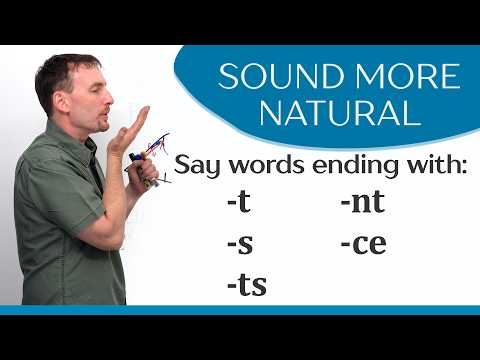
Say it correctly in English! -T, -S, -TS, -NT, -CE Pronunciation
0
林宜悉 posted on 2025/07/17Struggling with those tricky English consonant endings like -T, -S, and -TS? This video breaks down exactly how to pronounce them correctly, giving you the confidence to speak clearly in daily conversations! You'll master essential pronunciation techniques and pick up practical tips that make a real difference.
Learn this video on the APP!
The VoiceTube App has more in-depth practice for videos!