
almost all of
US
UK
- Determiner
- Nearly the entire quantity or number of something.
- Pronoun
- Nearly every person in a group.
A1Morearound the world
US /əˈraʊnd ði wɜrld/
UK /əˈraund ðə wɜː(r)ld/
- Phrase
- In or to many countries.
- In various places throughout the world.
A2Moreat least
US /æt list/
UK /æt li:st/
- Adverb
- As a minimum
- Not less than
- Phrase
- No less than; at the minimum
- Used to indicate that something is positive in a bad situation.
C2Moreaverage
US /ˈævərɪdʒ, ˈævrɪdʒ/
UK /'ævərɪdʒ/
- Noun (Countable/Uncountable)
- Total of numbers divided by the number of items
- Transitive Verb
- To add numbers then divide by the number of items
A2TOEICMoreaverse
US /əˈvɜ:rs/
UK /əˈvɜ:s/
- Adjective
- Averse to feeling strong dislike for
B2Morebased on
US
UK
- Phrasal Verb
- To use something as the foundation or starting point for something else.
- Preposition
- Using something as the main idea or foundation.
- Relying on something as evidence or justification.
A1Morebc
US
UK
- Abbreviation
- Before Christ; used after dates/years
C1Morebear
US /bɛr/
UK /bɛː/
- Transitive Verb
- To accept (responsibilities or duties)
- To give birth to a child; to produce fruit
- Countable Noun
- Large brown animal with fur that lives in forests
- Someone who expects stock market to fall
A2Moreburden
US /ˈbɚdn/
UK /'bɜ:dn/
- Transitive Verb
- To weigh down with a load; impose a task upon
- Noun (Countable/Uncountable)
- Something difficult to do, manage, or accept
- Something that is carried with difficulty; an oppressive load.
B1Morecensus
US /ˈsɛnsəs/
UK /ˈsensəs/
- Noun (Countable/Uncountable)
- Survey to collect data about people in an area
B2Morechaos
US /ˈkeˌɑs/
UK /'keɪɒs/
- Noun (plural)
- State of utter confusion or disorder
- Uncountable Noun
- Complete disorder and confusion.
- Behavior so unpredictable as to appear random, owing to great sensitivity to small changes in conditions.
B1Moreclimate
US /ˈklaɪmɪt/
UK /ˈklaɪmət/
- Noun (Countable/Uncountable)
- Typical weather conditions in a particular place
- The general attitudes, feelings, or opinions that people have at a particular time.
A2Morecollapse
US /kəˈlæps/
UK /kə'læps/
- Verb (Transitive/Intransitive)
- To fold (e.g. a stroller) down to make it smaller
- To suddenly fall down or break apart into pieces
- Noun
- The sudden failure of a structure or system.
- The sudden failure of a bodily organ or function.
B1Morecome from
US /kʌm frʌm/
UK /kʌm frɔm/
- Phrasal Verb
- To have as your native country or city
A1Moreconflict
US /ˈkɑnˌflɪkt/
UK /'kɒnflɪkt/
- Noun (Countable/Uncountable)
- Argument or struggle between two or more parties
- A serious disagreement or argument.
- Verb (Transitive/Intransitive)
- To have opposite ideas; to disagree; To not match
A2Morecrisis
US /ˈkraɪsɪs/
UK /'kraɪsɪs/
- Noun (Countable/Uncountable)
- Unstable situation of extreme danger or difficulty
- A turning point in a disease.
B1Morecurrent
US /ˈkɚrənt, ˈkʌr-/
UK /'kʌrənt/
- Uncountable Noun
- Electricity flowing through wires
- Movement of water in a river, or air in the sky
- Adjective
- Happening or being in the present time
- In general use or accepted by most people.
A2Morecut in
US /kʌt ɪn/
UK /kʌt in/
- Phrasal Verb
- To interrupt someone's conversation
- To enter a queue at the wrong place
A1Moredeal with
US /dil wɪð/
UK /di:l wið/
- Verb (Transitive/Intransitive)
- To buy or sell goods or services.
- Phrasal Verb
- To take action to solve a problem or manage a situation.
- To be about; concern.
A1Moredecline
US /dɪˈklaɪn/
UK /dɪ'klaɪn/
- Intransitive Verb
- To bend towards the ground
- To slope downward.
- Verb (Transitive/Intransitive)
- To lessen in quality or value
A2TOEICMoredecrease
US /dɪˈkris/
UK /dɪˈkri:s/
- Verb (Transitive/Intransitive)
- To reduce the size, amount or number of something
- Uncountable Noun
- Amount by which something has been reduced
B1TOEICMoredepending on
US
UK
- Phrasal Verb
- To rely on for support (financial or emotional)
- Influenced or determined by.
- Preposition
- Subject to; contingent on
- Relying on someone or something for support or assistance.
A2Moredue to
US /du tu/
UK /dju: tu:/
- Preposition
- Because of; owing to
- Adjective
- Attributable to; caused by.
A1Moreeconomic
US /ˌɛkəˈnɑmɪk, ˌikə-/
UK /ˌi:kəˈnɒmɪk/
- Adjective
- Concerning trade, industry, and money
- Financially worthwhile; profitable.
- Noun
- A system relating to economics
- A factor relating to economics
A2Moreequality
US /iˈkwɑ:ləti/
UK /iˈkwɒləti/
- Uncountable Noun
- Idea that all people have the same rights
A2TOEICMoreextremely
US /ɪk'strimlɪ/
UK /ɪkˈstri:mli/
- Adverb
- In a way that is much more than usual or expected
- Remarkably; unusually.
B1Morefascinating
US /ˈfæsəˌnetɪŋ/
UK /ˈfæsɪneɪtɪŋ/
- Transitive Verb
- To attract or interest greatly
- To hold someone captive with a gaze or other means.
- Adjective
- Having your attention fixated as though by a spell
B1Morefertility
US /fɚˈtɪlɪti/
UK /fəˈtɪləti/
- Uncountable Noun
- The state of a female being able to produce young
- State of soil being able to produce many plants
B1Morefigure out
US /ˈfɪɡjɚ aʊt/
UK /ˈfiɡə aut/
- Phrasal Verb
- To understand the behavior of someone
- To think through logically to find a solution
- Verb (Transitive/Intransitive)
- To understand or find an answer to something.
- To find a solution to a problem or understand something.
A1Morefinite
US /ˈfaɪˌnaɪt/
UK /ˈfaɪnaɪt/
- Adjective
- Having limits; lasting for a limited time
B1Morefor example
US
UK
- Phrase
- As an illustration or instance.
fossil
US /ˈfɑsəl/
UK /'fɒsl/
- Noun (Countable/Uncountable)
- Plant or animal that became rock after many years
- A person or thing that is outdated or no longer useful.
- Adjective
- Relating to or resembling a fossil.
- Relating to or denoting energy generated from fossil fuels.
B1Morefreak
US /friːk/
UK /friːk/
- Adjective
- (Of weather, etc.) unusual; unpredictable; amazing
- Noun
- A person, animal, or event that is physically abnormal, very unusual, or unlike others.
- A person with an unusual appearance or behaviour.
B2Morefuel
US /ˈfjuəl/
UK /'fju:əl/
- Transitive Verb
- To give power to (a mob, anger, etc.); incite
- To provide gas or petrol for something
- Uncountable Noun
- Material used to produce heat or power when burned
A2TOEICMoregender
US /ˈdʒɛndɚ/
UK /'dʒendə(r)/
- Noun
- State of being male or female
- The socially constructed roles, behaviours, expressions and identities of people.
- Transitive Verb
- To assign a gender to; to consider something in terms of gender.
B1Moregender equality
US
UK
- Noun (Countable/Uncountable)
- The state in which access to rights or opportunities is unaffected by gender.
- Equal treatment and opportunity regardless of gender, as protected by law.
B2Moreget into it
US
UK
- Phrasal Verb
- To become interested in something and enjoy it.
- To start a career or profession.
- Intransitive Verb
- To become interested in something.
A1Morehave to
US /hæv tu/
UK /ˈhæv tə/
- Auxiliary Verb
- Must do
A1Morehunger
US /ˈhʌŋɡɚ/
UK /ˈhʌŋgə(r)/
- Noun (Countable/Uncountable)
- Strong desire or need
- Need for food; a severe lack of food
- Intransitive Verb
- To feel hunger; to suffer from a lack of food.
B2Moreimmigration
US /ˌɪmɪˈɡreɪʃn/
UK /ˌɪmɪˈgreɪʃn/
- Uncountable Noun
- Process of moving your home to a new country
- The number of people immigrating to a country during a specific period.
B1Morein a row
US /ɪn e ro/
UK /in ə rəu/
- Phrase
- One after another without a break.
- Arranged in a straight line.
- Idiom
- To have an argument.
A1Morein fact
US /ɪn fækt/
UK /in fækt/
- Adverb
- Used to emphasize the truth of a statement, especially one that contrasts with or contradicts something else.
- Used to introduce a more detailed or surprising piece of information.
- Phrase
- Used to emphasize the truth of a statement, especially one that is surprising or contrary to what might be expected.
C1Morein half
US /ɪn hæf/
UK /in hɑ:f/
- Adverb
- Divided into two equal parts.
- Partially; to some extent.
A1Morein tandem
US /ɪn ˈtændəm/
UK /in ˈtændəm/
- Phrase
- (Of two people/organizations) working together
C1Morein the future
US /ɪn ði ˈfjutʃɚ/
UK /in ðə ˈfju:tʃə/
- Phrase
- At a later time; in times to come.
A1Morein the world
US /ɪn ði wɜrld/
UK /in ðə wɜː(r)ld/
- Phrase
- Used to emphasize a question expressing surprise, confusion, disbelief
- Used to indicate the extent or degree of something, often in a superlative sense
A1Morelead to
US /lid tu/
UK /li:d tu:/
- Phrasal Verb
- To result in some action
- Verb (Transitive/Intransitive)
- To have something as a consequence or result.
A1Moremake up
US /mek ʌp/
UK /meik ʌp/
- Phrasal Verb
- To invent or create a story
- To add up to
- Verb (Transitive/Intransitive)
- To invent a story, excuse, etc.
- To compensate for something lost, missed, or deficient.
A1Moremess with
US
UK
- Verb (Transitive/Intransitive)
- To interfere with or tamper with something.
- To provoke or annoy someone.
- Phrasal Verb
- To interfere with or tamper with something.
- To tease, provoke, or annoy someone.
B1Moreof the century
US /ʌv ðə ˈsɛnʧəri/
UK /əv ðə ˈsenʧəri/
- other
- The most notable or important in a hundred-year period.
B2Moreon average
US /ɑn ˈævərɪdʒ/
UK /ɔn ˈævəridʒ/
- Phrase
- Typically; usually; based on an average calculation.
B1Moreon earth
US /ɑn ɚθ/
UK /ɔn ə:θ/
- Phrase
- Used to emphasize a question expressing surprise or anger.
- Used to emphasize that something is not possible or will not happen.
A1Moreoutside of
US /aʊtˈsaɪd ʌv/
UK /ˌautˈsaid ɔv/
- Preposition
- Located or situated beyond the boundaries or confines of something.
- Beyond the scope, range, or limits of something.
A1Morepeak
US /pik/
UK /pi:k/
- Noun
- Part of a cap that sticks out over your eyes
- The very top of a mountain
- Intransitive Verb
- To reach the highest or best point
B1Moreper year
US
UK
- Phrase
- For each year; annually.
A2Moreplanet
US /ˈplænɪt/
UK /'plænɪt/
- Noun (Countable/Uncountable)
- One of the bodies that orbit the sun
- A different world or sphere of existence.
- Proper Noun
- The earth.
A2Moreplummet
US /ˈplʌmɪt/
UK /ˈplʌmɪt/
- Intransitive Verb
- To fall quickly, as from the sky
- To decrease rapidly in value or amount.
- Countable Noun
- A plumb bob.
- A weight attached to a line, used to determine depth or verticality.
C1TOEICMorepopulation
US /ˌpɑpjəˈleʃən/
UK /ˌpɒpjuˈleɪʃn/
- Noun (Countable/Uncountable)
- Number of people who live in a country, area etc.
- A group of individuals of one species living in a particular area.
A2TOEICMorepopulous
US /ˈpɑpjələs/
UK /ˈpɒpjələs/
- Adjective
- Having a large population
C1Morepoverty
US /ˈpɑvəti/
UK /ˈpɔvəti/
- Uncountable Noun
- State of being poor
- Lack of something necessary
B1Morepredict
US /prɪˈdɪkt/
UK /prɪ'dɪkt/
- Transitive Verb
- To guess or estimate what will or might happen
A2TOEICMorerely on
US /rɪˈlaɪ ɑn/
UK /riˈlai ɔn/
- Phrasal Verb
- To depend on someone or something
A2Moreresult in
US /rɪˈzʌlt ɪn/
UK /riˈzʌlt in/
- Phrasal Verb
- To cause or produce as a consequence.
sanitation
US /ˌsænɪˈteʃən/
UK /ˌsænɪˈteɪʃn/
- Uncountable Noun
- Water systems that protect people's health
C1Moresociety
US /səˈsaɪɪti/
UK /sə'saɪətɪ/
- Noun (Countable/Uncountable)
- A group who meet to share values or interests
- Group of people living together
A2TOEICMorestatistical
US /stəˈtɪstɪkəl/
UK /stə'tɪstɪkl/
- Adjective
- Concerning the math of data
B1Moresuch as
US /sʌtʃ æz/
UK /sʌtʃ æz/
- Preposition
- For example; like
A1Moresurvive
US /sɚˈvaɪv/
UK /sə'vaɪv/
- Intransitive Verb
- To continue to live despite illness or trouble
A2TOEICMoretake on
US /tek ɑn/
UK /teik ɔn/
- Phrasal Verb
- To acquire a new characteristic
- To accept a new responsibility, role
A1Moretandem
US /ˈtændəm/
UK /ˈtændəm/
- Noun
- A bicycle with two sets of pedals and saddles
C1Morethink about
US /θɪŋk əˈbaʊt/
UK /θiŋk əˈbaut/
- Phrasal Verb
- To consider something carefully.
- To remember or call to mind.
A1Moreto do with
US
UK
- Phrasal Verb
- To be about something; concern
A1Moreto the point
US /tu ði pɔɪnt/
UK /tu: ðə pɔint/
- Adjective
- Expressing something directly and without unnecessary detail.
- Phrase
- Relevant and pertinent to the matter at hand.
A2Moreturkey
US /ˈtɜ:rki/
UK /ˈtɜ:ki/
- Countable Noun
- Edible bird resembling a large chicken
- Proper Noun
- the Republic of Türkiye, this nation sits at the crossroads of Europe and Asia
C1Morewealthy
US /ˈwɛlθi/
UK /ˈwelθi/
- Adjective
- Having a great quantity of money or property
A2Morewith just
US
UK
- Phrase
- Using only; with no more than.
- Barely; by a narrow margin.
A2More
Vocabulary
- on earth: Used to emphasize a question expressing surprise or anger.
- in fact: Used to emphasize the truth of a statement, especially one that contrasts with or contradicts something else.
- have to: Must do
- to do with: To be about something; concern
- lead to: To result in some action
- deal with
- around the world: In or to many countries.
- outside of: Located or situated beyond the boundaries or confines of something.
- due to: Because of; owing to
- take on: To acquire a new characteristic
- gender equality: The state in which access to rights or opportunities is unaffected by gender.
- per year: For each year; annually.
- get into it: To become interested in something and enjoy it.
- figure out: To understand the behavior of someone
- such as: For example; like
- rely on: To depend on someone or something
- based on: To use something as the foundation or starting point for something else.
- at least: As a minimum
- in the world: Used to emphasize a question expressing surprise, confusion, disbelief
- almost all of: Nearly the entire quantity or number of something.
- make up: To invent or create a story
- with just: Using only; with no more than.
- for example: As an illustration or instance.
- on average: Typically; usually; based on an average calculation.
- in a row: One after another without a break.
- of the century: The most notable or important in a hundred-year period.
- come from: To have as your native country or city
- depending on: To rely on for support (financial or emotional)
- in half: Divided into two equal parts.
- cut in: To interrupt someone's conversation
- mess with: To interfere with or tamper with something.
- to the point: Expressing something directly and without unnecessary detail.
- result in: To cause or produce as a consequence.
- think about: To consider something carefully.
- in tandem: (Of two people/organizations) working together
- in the future: At a later time; in times to come.
- extremely: In a way that is much more than usual or expected
- figure: To appear in a game, play or event
- fascinating: To attract or interest greatly
- crisis: Unstable situation of extreme danger or difficulty
- average: Total of numbers divided by the number of items
- conflict: Argument or struggle between two or more parties
- poverty: State of being poor
- chaos: State of utter confusion or disorder
- fear: Unpleasant feeling caused by being aware of danger
- decline: To bend towards the ground
- current: Electricity flowing through wires
- climate: Typical weather conditions in a particular place
- fertility: The state of a female being able to produce young
- freak: (Of weather, etc.) unusual; unpredictable; amazing
- increase: To make or become larger in size or amount
- burden: To weigh down with a load; impose a task upon
- fuel: To give power to (a mob, anger, etc.); incite
- collapse: To fold (e.g. a stroller) down to make it smaller
- predict: To guess or estimate what will or might happen
- society: A group who meet to share values or interests
- population: Number of people who live in a country, area etc.
- planet: One of the bodies that orbit the sun
- survive: To continue to live despite illness or trouble
- create: To make, cause, or bring into existence
- due: When something is required or expected
- sanitation: Water systems that protect people's health
- rate: To assess something or consider its qualities
- lead: Wire for electricity, computer, etc.; cable
- plummet: To fall quickly, as from the sky
- gender: State of being male or female
- project: To predict what will happen in the future
- peak: Part of a cap that sticks out over your eyes
- fossil: Plant or animal that became rock after many years
- bear: To accept (responsibilities or duties)
- census: Survey to collect data about people in an area
- decrease: To reduce the size, amount or number of something
- fact: Something that is known or proved to be true
- economic: Concerning trade, industry, and money
- information: Collection of facts and details about something
- finite: Having limits; lasting for a limited time
- wealthy: Having a great quantity of money or property
- grow: To get bigger and more mature; make plants do this
- future: Time that is to come after the present
- equality: Idea that all people have the same rights
- income: Earned money from work, investments or business
- immigration: Process of moving your home to a new country
- understand: To know the meaning of language, what someone says
- world: All the humans, events, activities on the earth
- statistical: Concerning the math of data
- averse: Averse to feeling strong dislike for
- tandem: A bicycle with two sets of pedals and saddles
- hunger: Strong desire or need
- turkey: Edible bird resembling a large chicken
- populous: Having a large population
- bc: Before Christ; used after dates/years
Get the full experience in the app
Learn anywhere with detailed sentence and usage analysis
01:03
She took a brave step forward, leaving behind her comfort zone to chase her dreams.
Vocabulary
- brave
adj. Having courage
- comfort zone
phr. A familiar situation where one feels safe
Explanation
a brave step is a noun phrase, where brave is an adjective modifying the noun step, meaning "a courageous step".
forward is an adverb modifying step, meaning "ahead".
The whole phrase serves as the object, answering the "what" of took (verb) — she took a brave step forward.
Get the full experience in the app
Look up words anytime with pronunciation, part of speech, and usage
brave
US/brev/
UK/breɪv/
adj.Brave
v.t.To bravely face
A2 Elementary
Get the full experience in the app
Practice speaking anytime and get instant pronunciation feedback
Try this speaking exercise.
Try practicing with this sentence.
80
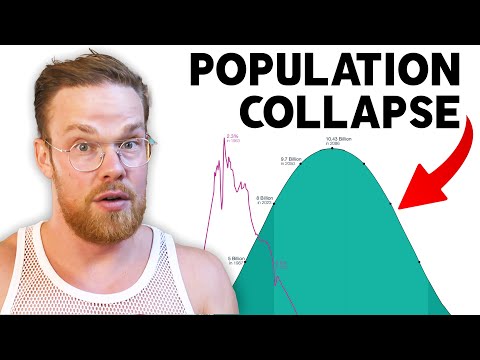
Everyone is freaking out about this graph
0
林宜悉 posted on 2025/07/17Ever wondered why everyone's talking about a graph showing the world's population peaking? This video dives into the fascinating reasons behind declining fertility rates, exploring both the concerns and potential benefits for humanity's future. You'll pick up key vocabulary related to demographics and global trends, making this a must-watch for understanding our changing world!
Learn this video on the APP!
The VoiceTube App has more in-depth practice for videos!