
after all
US /ˈæftɚ ɔl/
UK /ˈɑ:ftə ɔ:l/
- Adverb
- In spite of what was expected; used to introduce a statement that supports a previous statement or explains why it was made
- Considering everything; used to indicate that something is happening or is true despite some difficulty or obstacle
- Phrase
- Despite what was expected or thought; in spite of everything.
- Taking everything into consideration; considering that.
B1Moreagricultural
US /ˌæɡrɪ'kʌltʃərəl/
UK /ˌæɡrɪ'kʌltʃərəl/
- Adjective
- Concerning farming, or the land
B1Moreagriculture
US /ˈæɡrɪˌkʌltʃɚ/
UK /ˈægrɪkʌltʃə(r)/
- Uncountable Noun
- The science of farming
- The study of farming and related sciences.
A2Moreannual
US /ˈænjuəl/
UK /ˈænjuəl/
- Adjective
- Happening once a year, or every year
- Noun
- Book (in a series) released each year
A2TOEICMorearound the world
US /əˈraʊnd ði wɜrld/
UK /əˈraund ðə wɜː(r)ld/
- Phrase
- In or to many countries.
- In various places throughout the world.
A2Moreasteroid
US /ˈæstəˌrɔɪd/
UK /ˈæstərɔɪd/
- Noun
- Very small planets that move around the sun
B2Moreavian
US /'eɪvɪrn/
UK /'eɪvɪən/
- Adjective
- Of or typical of birds
C1Moreblip
US /blɪp/
UK /blɪp/
- Noun
- Minor problem, delay that does not last very long
- Transitive Verb
- To cause a brief delay in something
C1Morebreak in
US /brek ɪn/
UK /breik in/
- Phrasal Verb
- To wear new (shoes, etc.) to make them comfortable
- To interrupt someone's conversation, task
- Verb (Transitive/Intransitive)
- To interrupt a conversation or activity.
- To wear something new until it becomes comfortable.
A1Morebrilliant
US /ˈbrɪljənt/
UK /'brɪlɪənt/
- Adjective
- Having a great amount of intelligence or talent
- Being very bright, like a diamond; shining
- Noun
- A diamond or other gem cut in a particular form with many facets to have exceptional brilliance.
A2Morecalendar
US /ˈkæləndɚ/
UK /ˈkælɪndə(r)/
- Noun (Countable/Uncountable)
- A table showing the days, months and years
- A system for organizing days, weeks, months, and years.
B1Morecame off
US
UK
- Phrasal Verb
- To succeed in doing; complete something
- To detach or come away from something in pieces
A1Morecolumn
US /ˈkɑ:ləm/
UK /ˈkɒləm/
- Noun (Countable/Uncountable)
- Regular series of articles in a newspaper/magazine
- Strong vertical stone pillar that holds up a roof
B1Morecoral
US /ˈkɑrəl/
UK /'kɒrəl/
- Adjective
- Color that is a combination of pink and orange
- Noun
- Marine substance made from bones of sea creatures
B2Morecorrelate
US /ˈkɔ:rəleɪt/
UK /ˈkɒrəleɪt/
- Verb (Transitive/Intransitive)
- To have/show the relationship between two things
- To have a mutual relationship or connection; to establish a systematic connection.
- Noun
- Something that is mutually related to or associated with something else.
B1TOEICMoredatum
US /ˈdetəm, ˈdætəm, ˈdɑtəm/
UK /ˈdeɪtəm/
- Noun
- Item of factual information
B1Moredecode
US /ˌdi:ˈkoʊd/
UK /ˌdi:ˈkəʊd/
- Transitive Verb
- To translate from code into the plain text
B2Moredeem
US /dim/
UK /di:m/
- Transitive Verb
- To judge something to be a certain thing, way
B2Moredisperse
US /dɪˈspɚs/
UK /dɪ'spɜ:s/
- Verb (Transitive/Intransitive)
- To separate and spread out in different directions
B2Moreearl
US /ə:l/
UK /ɜ:l/
- Proper Noun
- Man with a high or noble rank in a society
- Person's name
B2Moreentire
US /ɛnˈtaɪr/
UK /ɪn'taɪə(r)/
- Adjective
- Complete or full; with no part left out; whole
- Undivided; not shared or distributed.
A2TOEICMoreepoch
US /ˈɛpək, ˈiˌpɑk/
UK /'i:pɒk/
- Noun
- Specific period of history, e.g. a remarkable one
C1Moreequivalent
US /ɪˈkwɪvələnt/
UK /ɪˈkwɪvələnt/
- Adjective
- Equal to something in value, use or meaning
- Having the same meaning or significance.
- Noun
- Thing like another in quality, quantity or degree
B1TOEICMoreera
US /'ɪrə/
UK /'ɪərə/
- Noun
- Period characterized by particular events, people
- A major division of geological time, usually divided into periods.
B1Moreevidence of
US
UK
- Phrase
- Facts, objects, or signs that make you believe that something is true.
- Something that shows that something else exists or is true.
A1Morefor free
US /fɔr fri/
UK /fɔ: fri:/
- Phrase
- Without charge; at no cost.
- Adjective
- Available without payment.
A2Morefor now
US /fɔr naʊ/
UK /fɔ: nau/
- Phrase
- Temporarily; for the present time.
- In the short term; for the immediate future.
A1Morefossil
US /ˈfɑsəl/
UK /'fɒsl/
- Noun (Countable/Uncountable)
- Plant or animal that became rock after many years
- A person or thing that is outdated or no longer useful.
- Adjective
- Relating to or resembling a fossil.
- Relating to or denoting energy generated from fossil fuels.
B1Morefrom the first
US /frəm ðə ˈfɝst/
UK /frəm ðə ˈfɜ:st/
- other
- From the very beginning.
B2Moregrapple
US /ˈɡræpəl/
UK /'ɡræpl/
- Verb (Transitive/Intransitive)
- To engage in close hand-to-hand combat
- To attempt to solve difficult problems
B2TOEICMoregrapple with
US
UK
- Phrasal Verb
- To struggle or deal with something difficult.
- To engage in a physical struggle or fight.
have to
US /hæv tu/
UK /ˈhæv tə/
- Auxiliary Verb
- Must do
A1Moreidentify
US /aɪˈdɛntəˌfaɪ/
UK /aɪ'dentɪfaɪ/
- Transitive Verb
- To indicate who or what someone or something is
- To say exactly what something is
B1TOEICMoreimpact
US /ˈɪmˌpækt/
UK /'ɪmpækt/
- Noun
- A striking effect or result to hit with force
- Act or force of one thing hitting something else
- Verb (Transitive/Intransitive)
- To hit or strike someone or something with force
- To have a strong effect on someone or something.
A2TOEICMorein part
US /ɪn pɑrt/
UK /in pɑ:t/
- Adverb
- To some extent; partially.
A1Morein the ground
US
UK
- Phrase
- Located within or beneath the surface of the earth.
- Referring to something placed or growing in soil.
A1Morein the world
US /ɪn ði wɜrld/
UK /in ðə wɜː(r)ld/
- Phrase
- Used to emphasize a question expressing surprise, confusion, or disbelief.
- Used to indicate the extent or degree of something, often in a superlative sense.
A1Morein time
US /ɪn taɪm/
UK /in taim/
- Adverb
- Eventually; after a period of time.
- Not late; with enough time to spare.
- Phrase
- Eventually; before it is too late.
- According to the scheduled time; punctual.
A1Moreindigenous
US /ɪnˈdɪdʒənəs/
UK /ɪnˈdɪdʒənəs/
- Adjective
- Being naturally from an area, not somewhere else
- Relating to the people who are native to a particular region.
- Noun (Countable/Uncountable)
- The traditional knowledge and practices of indigenous peoples.
- The original inhabitants of a particular region or country.
B1TOEICMoreindustrial
US /ɪnˈdʌstriəl/
UK /ɪnˈdʌstriəl/
- Adjective
- Concerning making things in factories
- Noun
- A worker in industry.
- A company involved in industrial production.
A2Moreinterpret
US /ɪnˈtɚprɪt/
UK /ɪn'tɜ:prɪt/
- Verb (Transitive/Intransitive)
- To express so that others understand it
- To translate what is said into another language
A2TOEICMorelook to
US
UK
- Phrasal Verb
- Be looking to. be planning to (do something)
- To expect someone to do something for you; rely on
A1Moremodify
US /ˈmɑ:dɪfaɪ/
UK /ˈmɒdɪfaɪ/
- Transitive Verb
- To make minor change to something
B1Morenitrogen
US /ˈnaɪtrədʒən/
UK /ˈnaɪtrədʒən/
- Uncountable Noun
- A colorless chemical element without a smell
B2Moreoccur
US /əˈkɚ/
UK /əˈkɜ:(r)/
- Intransitive Verb
- To come to pass or to happen
- To be found to exist; to be present.
A2TOEICMoreoff the table
US
UK
- Phrase
- No longer being considered or discussed.
- Removed from the table.
A1Moreon earth
US /ɑn ɚθ/
UK /ɔn ə:θ/
- Phrase
- Used to emphasize a question expressing surprise or anger.
- Used to emphasize that something is not possible or will not happen.
A1Moreonset
US /ˈɑnˌsɛt, ˈɔn-/
UK /ˈɒnset/
- Noun
- When something, e.g. an illness, starts; beginning
B2TOEICMoreoutside of
US /aʊtˈsaɪd ʌv/
UK /ˌautˈsaid ɔv/
- Preposition
- Located or situated beyond the boundaries or confines of something.
- Beyond the scope, range, or limits of something.
A1Morepeat
US /pit/
UK /pi:t/
- Uncountable Noun
- Acid black material used as soil for some plants
B2Morephase in
US
UK
- Phrasal Verb
- To start using or doing things gradually
A2Moreplanet
US /ˈplænɪt/
UK /'plænɪt/
- Noun (Countable/Uncountable)
- One of the bodies that orbit the sun
- A different world or sphere of existence.
- Proper Noun
- The earth.
A2Moreplow through
US
UK
- Phrasal Verb
- To read or deal with something quickly, often when it is boring or difficult.
- To move forcefully through something.
plutonium
US /pluˈtoniəm/
UK /plu:ˈtəʊniəm/
- Uncountable Noun
- Radioactive metallic element
B2Moreprior to
US /ˈpraɪɚ tu/
UK /ˈpraiə tu:/
- Preposition
- Before a particular time or event.
C1Morerelate
US /rɪˈlet/
UK /rɪ'leɪt/
- Transitive Verb
- To demonstrate a logical relationship between
- To understand or sympathize with, e.g. a problem
A2TOEICMoreresearch
US /rɪˈsɚtʃ, ˈriˌsɚtʃ/
UK /rɪ'sɜ:tʃ/
- Verb (Transitive/Intransitive)
- To study in order to discover new ideas and facts
- To study the market relating to marketing products and services.
- Noun (Countable/Uncountable)
- Study done to discover new ideas and facts
- A particular area or topic of study.
A2TOEICMoreresign
US /rɪ'zaɪn/
UK /rɪ'zaɪn/
- Intransitive Verb
- To leave a job because you want to
- Verb (Transitive/Intransitive)
- To accept something unpleasant that one cannot do anything about.
B1TOEICMoreresonance
US /ˈrɛzənəns/
UK /ˈrezənəns/
- Noun (Countable/Uncountable)
- Continuing to make a loud clear deep sound
- The quality in a sound of being deep, full, and reverberating.
C2Morerevolution
US /ˌrɛvəˈluʃən/
UK /ˌrevə'lu:ʃn/
- Noun
- When a group overthrows an existing government
- Sudden or significant change in something
B1Moreroughly
US /ˈrʌflɪ/
UK /ˈrʌfli/
- Adverb
- Approximately; (of numbers) about; around
- In a manner that is violent or not careful
B1Moresearch for
US /sɚtʃ fɔr/
UK /sə:tʃ fɔ:/
- Phrasal Verb
- To try to find someone or something.
B1Moresediment
US /ˈsɛdəmənt/
UK /ˈsedɪmənt/
- Uncountable Noun
- Material that settles to the bottom of a liquid
B2Moreset up
US /sɛt ʌp/
UK /set ʌp/
- Phrasal Verb
- To make arrangements for something; establish
- Verb (Transitive/Intransitive)
- To arrange or prepare something for use.
- To start a business, organization, etc.
A1Moresignal
US /ˈsɪɡnəl/
UK /'sɪɡnəl/
- Verb (Transitive/Intransitive)
- To be evidence/an indication something will happen
- To make a noise or motion to tell someone to start
- Noun (Countable/Uncountable)
- Evidence or an indication something will happen
- Movement of a hand or other means to send messages
A2Morespike
US /spaɪk/
UK /spaɪk/
- Noun
- The top point in a graph
- Long, thin metal rod that ends in a point
- Intransitive Verb
- To go up to a point on a graph
B2Moresubmit
US /səbˈmɪt/
UK /səbˈmɪt/
- Intransitive Verb
- To accept a superior force has power over you
A2TOEICMoresuch as
US /sʌtʃ æz/
UK /sʌtʃ æz/
- Preposition
- For example; like
A1Morethink of
US /θɪŋk ʌv/
UK /θiŋk ɔv/
- Phrasal Verb
- To look on as (being something specific); consider
- To consider or remember something.
- Verb (Transitive/Intransitive)
- To imagine or call something to mind
A1Moreto do with
US
UK
- Phrasal Verb
- To be about something; concern
A1Moretransform
US /trænsˈfɔrm/
UK /træns'fɔ:m/
- Transitive Verb
- To change the shape completely in a good way
- To convert from one form or substance into another.
C2Moreunique
US /juˈnik/
UK /jʊ'ni:k/
- Adjective
- Unlike other things; being the only one like it
- Remarkably special or unusual.
A2TOEICMorevisualize
US /ˈvɪʒuəˌlaɪz/
UK /ˈvɪʒuəlaɪz/
- Transitive Verb
- To create a picture in your mind of something
B1Morewell preserved
US
UK
- Adjective
- Maintained in excellent condition; not allowed to decline in quality or appearance.
- Kept from decaying; maintained in a state suitable for later use.
B2Morewipe
US /waɪp/
UK /waɪp/
- Transitive Verb
- To clean or dry something with a cloth
- To spread a liquid on something
- Noun
- Act to clean or dry something with a cloth
A2More
Vocabulary
- evidence of: Facts, objects, or signs that make you believe that something is true.
- around the world: In or to many countries.
- on earth: Used to emphasize a question expressing surprise or anger.
- set up
- outside of: Located or situated beyond the boundaries or confines of something.
- well preserved: Maintained in excellent condition; not allowed to decline in quality or appearance.
- phase in: To start using or doing things gradually
- in part: To some extent; partially.
- in the world: Used to emphasize a question expressing surprise, confusion, or disbelief.
- in the ground: Located within or beneath the surface of the earth.
- plow through: To read or deal with something quickly, often when it is boring or difficult.
- such as: For example; like
- off the table: No longer being considered or discussed.
- came off: To succeed in doing; complete something
- to do with: To be about something; concern
- search for: To try to find someone or something.
- from the first: From the very beginning.
- prior to: Before a particular time or event.
- think of: To look on as (being something specific); consider
- grapple with: To struggle or deal with something difficult.
- for now: Temporarily; for the present time.
- after all: In spite of what was expected; used to introduce a statement that supports a previous statement or explains why it was made
- look to: Be looking to. be planning to (do something)
- have to: Must do
- in time: Eventually; after a period of time.
- break in: To wear new (shoes, etc.) to make them comfortable
- for free: Without charge; at no cost.
- entire: Complete or full; with no part left out; whole
- equivalent: Equal to something in value, use or meaning
- evidence: Factual proof that helps to establish the truth
- period: Set amount of time during which events take place
- impact: A striking effect or result to hit with force
- brilliant: Having a great amount of intelligence or talent
- identify: To indicate who or what someone or something is
- interpret: To express so that others understand it
- unique: Unlike other things; being the only one like it
- roughly: Approximately; (of numbers) about; around
- research: To study in order to discover new ideas and facts
- increase: To make or become larger in size or amount
- spike: The top point in a graph
- indigenous: Being naturally from an area, not somewhere else
- occur: To come to pass or to happen
- visualize: To create a picture in your mind of something
- planet: One of the bodies that orbit the sun
- create: To make, cause, or bring into existence
- agriculture: The science of farming
- deem: To judge something to be a certain thing, way
- relate: To demonstrate a logical relationship between
- record: Highest or most extreme level achieved
- era: Period characterized by particular events, people
- revolution: When a group overthrows an existing government
- calendar: A table showing the days, months and years
- fossil: Plant or animal that became rock after many years
- annual: Happening once a year, or every year
- activity: An action or task, e.g. sports, washing clothes
- industrial: Concerning making things in factories
- submit: To accept a superior force has power over you
- signal: To be evidence/an indication something will happen
- transform: To change the shape completely in a good way
- place: To put someone in a particular type of situation
- single: One run in cricket or a hit baseball
- asteroid: Very small planets that move around the sun
- manage: To survive hardships and difficulties; to cope
- learn: To get knowledge or skills by study or experience
- wipe: To clean or dry something with a cloth
- column: Regular series of articles in a newspaper/magazine
- disperse: To separate and spread out in different directions
- modify: To make minor change to something
- resign: To leave a job because you want to
- onset: When something, e.g. an illness, starts; beginning
- great: Very good; better than before
- agricultural: Concerning farming, or the land
- change: To exchange one set of clothes for another
- question: To ask for or try to get information
- set: Prepared for something; ready
- nitrogen: A colorless chemical element without a smell
- deep: Complex and important
- resonance: Continuing to make a loud clear deep sound
- correlate: To have/show the relationship between two things
- coral: Color that is a combination of pink and orange
- grapple: To engage in close hand-to-hand combat
- datum: Item of factual information
- blip: Minor problem, delay that does not last very long
- decode: To translate from code into the plain text
- sediment: Material that settles to the bottom of a liquid
- earl: Man with a high or noble rank in a society
- epoch: Specific period of history, e.g. a remarkable one
- avian: Of or typical of birds
- plutonium: Radioactive metallic element
- peat: Acid black material used as soil for some plants
Get the full experience in the app
Learn anywhere with detailed sentence and usage analysis
01:03
She took a brave step forward, leaving behind her comfort zone to chase her dreams.
Vocabulary
- brave
adj. Having courage
- comfort zone
phr. A familiar situation where one feels safe
Explanation
a brave step is a noun phrase, where brave is an adjective modifying the noun step, meaning "a courageous step".
forward is an adverb modifying step, meaning "ahead".
The whole phrase serves as the object, answering the "what" of took (verb) — she took a brave step forward.
Get the full experience in the app
Look up words anytime with pronunciation, part of speech, and usage
brave
US/brev/
UK/breɪv/
adj.Brave
v.t.To bravely face
A2 Elementary
Get the full experience in the app
Practice speaking anytime and get instant pronunciation feedback
Try this speaking exercise.
Try practicing with this sentence.
80
0
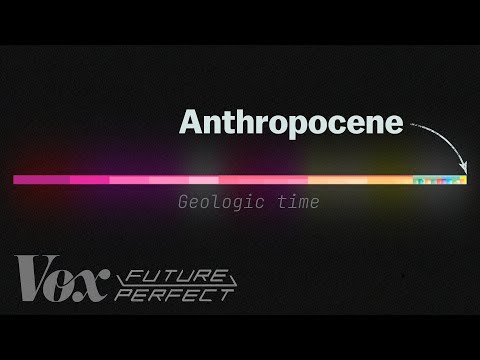
林宜悉 posted on 2025/06/19Ever wondered if we're living in a new geological epoch? This video dives into the fascinating scientific debate about the Anthropocene, explaining concepts like the 'Great Acceleration' and the search for a 'golden spike.' You'll boost your vocabulary with terms like 'stratigraphy' and 'plutonium' while learning about this huge topic!
Learn this video on the APP!
The VoiceTube App has more in-depth practice for videos!