
absolutely
US /ˈæbsəˌlutli, ˌæbsəˈlutli/
UK /ˈæbsəlu:tli/
- Adverb
- Completely; totally; very
- Considered independently and without relation to other things; viewed abstractly; as, quantity absolutely considered.
A2Moreacademic
US /ˌækəˈdɛmɪk/
UK /ˌækə'demɪk/
- Adjective
- Concerning education, schools, universities, etc.
- Concerning education, schools, universities, etc.
- Noun (Countable/Uncountable)
- Educator teaching at a college or university
- A subject taught at schools and universities.
B1Moreat home
US /æt hom/
UK /æt həum/
- Phrase
- In one's own residence or country.
- Adjective
- Feeling comfortable and relaxed.
attention
US /əˈtɛnʃən/
UK /əˈtenʃn/
- Noun (Countable/Uncountable)
- Taking notice of someone or something
- Noun
- (Soldiers) Standing with straight backs
A2TOEICMorecapital
US /ˈkæpɪtl/
UK /'kæpɪtl/
- Noun
- Writing the first letter of a word in big letters
- Official main city of a country, province or state
- Adjective
- Main, or major
- (Of an offense) liable to the death penalty.
A2Morecategorize
US /'kætəɡəraɪz/
UK /ˈkætəgəraɪz/
- Transitive Verb
- To distribute into classes or the same type
B1Moreclause
US /klɔz/
UK /klɔ:z/
- Noun
- Part of a sentence that has its own verb
- Specific term or demand in a legal agreement
B1Morecome after
US /kʌm ˈæftɚ/
UK /kʌm ˈɑ:ftə/
- Phrasal Verb
- To follow someone in order to threaten them
A1Morecomma
US /ˈkɑ:mə/
UK /ˈkɒmə/
- Noun
- Mark showing a pause or list in a sentence
B2Morecomplex
US /kəmˈplɛks, ˈkɑmˌplɛks/
UK /'kɒmpleks/
- Countable Noun
- Group of buildings all used for the same purpose
- Adjective
- Not being simple; having many parts or aspects
A2Morecondition
US /kənˈdɪʃən/
UK /kənˈdɪʃn/
- Transitive Verb
- To improve something to make it better
- To cause to behave automatically in a certain way
- Noun (Countable/Uncountable)
- Disease or other medical problem
- The state of living you are in, e.g. good health
A2Moreconjunction
US /kənˈdʒʌŋkʃən/
UK /kənˈdʒʌŋkʃn/
- Noun
- Combination of things or events
- Word that joins parts of a sentence, e.g. 'and'
B1Moreconsistent
US /kənˈsɪstənt/
UK /kənˈsɪstənt/
- Adjective
- Agreeing with or being similar to another part
- In agreement; reliable
A2Morecoordinate
US /ko'ɔrdəˈnet/
UK /kəʊ'ɔ:dɪneɪt/
- Transitive Verb
- To match styles or colors that go well together
- To cause body parts to move smoothly together
- Noun
- Point on a map defining a location e.g. 135N, 34W
- A matching set of clothes.
B1Morecoupon
US /ˈku:pɑ:n/
UK /ˈku:pɒn/
- Countable Noun
- Piece of paper used in exchange for a discount
B2Morecritical
US /ˈkrɪtɪkəl/
UK /ˈkrɪtɪkl/
- Adjective
- Making a negative judgment of something
- Being important or serious; vital; dangerous
A2Morecritical to
US
UK
- Adjective
- Extremely important or essential.
- Of decisive importance with reference to the outcome of something; vital.
B2Moredecrease
US /dɪˈkris/
UK /dɪˈkri:s/
- Verb (Transitive/Intransitive)
- To reduce the size, amount or number of something
- Uncountable Noun
- Amount by which something has been reduced
B1TOEICMoredescription
US /dɪˈskrɪpʃən/
UK /dɪˈskrɪpʃn/
- Noun
- Explanation of what something is like, looks like
- The type or nature of someone or something.
A2TOEICMoreessay
US /ˈɛsˌe, ɛˈse/
UK /'eseɪ/
- Noun (Countable/Uncountable)
- Short piece of written opinion on a subject
- A test of the quality of a metal or ore.
- Verb (Transitive/Intransitive)
- To attempt or try.
- To test or evaluate the quality of something.
B1Moreexpert
US /ˈɛkˌspɚt/
UK /'ekspɜ:t/
- Countable Noun
- Skillful person with special knowledge
- Adjective
- Having special knowledge or skill
A2TOEICMorefor example
US
UK
- Phrase
- As an illustration or instance.
for free
US /fɔr fri/
UK /fɔ: fri:/
- Phrase
- Without charge; at no cost.
- Adjective
- Available without payment.
A2Moregrammar
US /ˈɡræmɚ/
UK /ˈgræmə(r)/
- Uncountable Noun
- Book describing the syntactic rules of a language
- Rules explaining how words are used in a language
B1Morehave to
US /hæv tu/
UK /ˈhæv tə/
- Auxiliary Verb
- Must do
A1Moreindependent
US /ˌɪndɪˈpɛndənt/
UK /ˌɪndɪˈpendənt/
- Adjective
- Making your own decisions; acting by yourself
- Not connected with or influenced by something else.
- Noun
- A person not connected to a political party
- Someone who is independent, especially in politics or business.
A2TOEICMoreinstead of
US /ɪnˈstɛd ʌv/
UK /inˈsted ɔv/
- Preposition
- When one thing is replaced by another
- Adverb
- As a substitute or alternative.
A1Morelook at
US /lʊk æt/
UK /luk æt/
- Phrasal Verb
- To use your eyes to focus on something
- To focus your eyes on something carefully
A1Moremnemonic device
US
UK
- Noun
- A technique or strategy used to improve memory.
of course
US /ʌv kɔː(r)s/
UK /ɔv kɔː(r)s/
- Adverb
- Sure ; Certainly
- Phrase
- For sure; certainly
A2Moreopposition
US /ˌɑ:pəˈzɪʃn/
UK /ˌɒpəˈzɪʃn/
- Uncountable Noun
- Act of disagreeing or trying to stop something
- Group that you are fighting or competing against
B1Moreparagraph
US /ˈpærəgræf/
UK /ˈpærəgrɑ:f/
- Noun (Countable/Uncountable)
- Section of writing dealing with one point
- A section or clause in a legal document.
- Transitive Verb
- To organize a written work into paragraphs
B1TOEICMorephotography
US /fəˈtɑ:grəfi/
UK /fəˈtɒgrəfi/
- Uncountable Noun
- Art of taking pictures with a camera
- The business or industry related to taking and selling photographs.
B1Moreplatform
US /ˈplætˌfɔrm/
UK /'plætfɔ:m/
- Noun (Countable/Uncountable)
- Flat, raised structure that people stand on
- Area from which you board a train at a station
B1Morepotentially
US /pəˈtɛnʃəlɪ/
UK /pə'tenʃəlɪ/
- Adverb
- That could happen or become reality
B1Morepractice
US /ˈpræktɪs/
UK /'præktɪs/
- Noun
- The office and place for legal or medical work
- Doing something many times to become better at it
- Verb (Transitive/Intransitive)
- To work as a doctor or lawyer
- To live according to the teachings of a religion
A2TOEICMorepremium
US /ˈprimiəm/
UK /ˈpri:miəm/
- Adjective
- Having a higher than normal quality
- Relating to or denoting a higher quality or more expensive product.
- Noun
- Money paid as a fee for insurance
- An additional sum of money paid above the usual price.
B1TOEICMorepunctuation
US /ˌpʌŋktʃuˈeʃən/
UK /ˌpʌŋktʃuˈeɪʃn/
- Noun
- Marks used in piece of writing, such as ? ; and !
B2Moreseparate
US /'sepəreɪt/
UK /'sepəreɪt/
- Adjective
- Being different from or unrelated to another
- Not connected; different.
- Transitive Verb
- To divide two things by being in between them
- To move things away from each other
A2TOEICMorespecifically
US /spəˈsɪfɪkli/
UK /spəˈsɪfɪkli/
- Adverb
- As regards a particular thing; closely related to
- In a definite and clear manner.
A2Moresubordinate
US /səˈbɔ:rdɪnət/
UK /səˈbɔ:dɪnət/
- Adjective
- Grammar (of a clause) dependent on the main clause
- Being or in a position of less power or authority
- Transitive Verb
- To modify a word or phrase to its head
- To treat something as less valuable or important
B1TOEICMoretask
US /tæsk/
UK /tɑ:sk/
- Noun (Countable/Uncountable)
- Big or small piece of work someone has to do
- Transitive Verb
- To be given something to do, e.g. wash dishes
A2TOEICMoretricky
US /ˈtrɪki/
UK /'trɪkɪ/
- Adjective
- Difficult, so needing skill to do or deal with
- Likely to use tricks; dishonest or deceptive
A2Moreusage
US /ˈjusɪdʒ, -zɪdʒ/
UK /ˈju:sɪdʒ/
- Noun (Countable/Uncountable)
- Amount something is used
- Way something is actually used
B2Moreused to
US /juzd tu/
UK /ˈju:st tə/
- Adjective
- Did regularly before, but don't do now
- Auxiliary Verb
- Have done before, but do not do now
A1More
Vocabulary
- look at: To use your eyes to focus on something
- used to: Did regularly before, but don't do now
- of course: Sure ; Certainly
- for free: Without charge; at no cost.
- critical to: Extremely important or essential.
- have to: Must do
- come after: To follow someone in order to threaten them
- for example: As an illustration or instance.
- instead of: When one thing is replaced by another
- mnemonic device: A technique or strategy used to improve memory.
- at home: In one's own residence or country.
- absolutely: Completely; totally; very
- critical: Making a negative judgment of something
- period: Set amount of time during which events take place
- practice: The office and place for legal or medical work
- description: Explanation of what something is like, looks like
- improve: To make, or become, something better
- potentially: That could happen or become reality
- tricky: Difficult, so needing skill to do or deal with
- consistent: Agreeing with or being similar to another part
- common: Area in a city or town that is open to everyone
- specifically: As regards a particular thing; closely related to
- general: Widespread, normal or usual
- complex: Group of buildings all used for the same purpose
- sentence: (Of a judge) to decide the punishment of
- academic: Concerning education, schools, universities, etc.
- separate: Being different from or unrelated to another
- expert: Skillful person with special knowledge
- condition: To improve something to make it better
- task: Big or small piece of work someone has to do
- capital: Writing the first letter of a word in big letters
- similar: Nearly the same; alike
- grammar: Book describing the syntactic rules of a language
- simply: In an easy or clear manner
- attention: Taking notice of someone or something
- premium: Having a higher than normal quality
- effect: An advantage, benefit
- independent: Making your own decisions; acting by yourself
- coordinate: To match styles or colors that go well together
- create: To make, cause, or bring into existence
- essay: Short piece of written opinion on a subject
- platform: Flat, raised structure that people stand on
- subordinate: Grammar (of a clause) dependent on the main clause
- punctuation: Marks used in piece of writing, such as ? ; and !
- important: Having power or authority
- decrease: To reduce the size, amount or number of something
- learn: To get knowledge or skills by study or experience
- information: Collection of facts and details about something
- paragraph: Section of writing dealing with one point
- usage: Amount something is used
- clause: Part of a sentence that has its own verb
- language: Words or signs used to communicate messages
- difference: A thing or issue that people do not agree about
- conjunction: Combination of things or events
- space: Empty area kept for a specific reason, like a car
- opposition: Act of disagreeing or trying to stop something
- categorize: To distribute into classes or the same type
- photography: Art of taking pictures with a camera
- coupon: Piece of paper used in exchange for a discount
- comma: Mark showing a pause or list in a sentence
Get the full experience in the app
Learn anywhere with detailed sentence and usage analysis
01:03
She took a brave step forward, leaving behind her comfort zone to chase her dreams.
Vocabulary
- brave
adj. Having courage
- comfort zone
phr. A familiar situation where one feels safe
Explanation
a brave step is a noun phrase, where brave is an adjective modifying the noun step, meaning "a courageous step".
forward is an adverb modifying step, meaning "ahead".
The whole phrase serves as the object, answering the "what" of took (verb) — she took a brave step forward.
Get the full experience in the app
Look up words anytime with pronunciation, part of speech, and usage
brave
US/brev/
UK/breɪv/
adj.Brave
v.t.To bravely face
A2 Elementary
Get the full experience in the app
Practice speaking anytime and get instant pronunciation feedback
Try this speaking exercise.
Try practicing with this sentence.
80
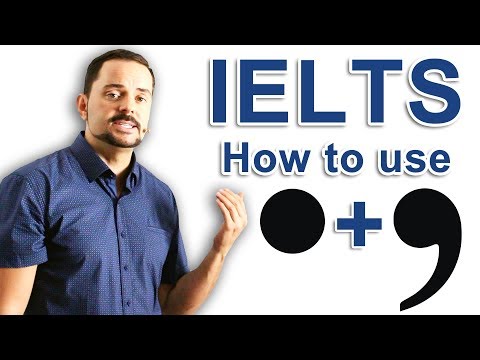
In IELTS Task 1 and 2 writing, is punctuation important?
0
林宜悉 posted on 2025/06/18Ever wondered if punctuation *really* matters for your IELTS Writing score? This video dives deep into why commas, periods, and more are crucial for both Task 1 and Task 2, helping you boost your band score with essential grammar and formal tone tips!
Learn this video on the APP!
The VoiceTube App has more in-depth practice for videos!