
academic
US /ˌækəˈdɛmɪk/
UK /ˌækə'demɪk/
- Adjective
- Concerning education, schools, universities, etc.
- Concerning education, schools, universities, etc.
- Noun (Countable/Uncountable)
- Educator teaching at a college or university
- A subject taught at schools and universities.
B1Moread
US /æd/
UK /æd/
- Noun (Countable/Uncountable)
- Public notice or advertisement
C2TOEICMoreaffectionate
US /əˈfɛkʃənɪt/
UK /əˈfekʃənət/
- Adjective
- Having or displaying warmth or affection
B1Moreappalling
US
UK
- Adjective
- Causing shock or distress because it is terrible
- Verb (Transitive/Intransitive)
- To feel shock or distress at something terrible
B2Moreappreciate
US /əˈpriʃiˌet/
UK /ə'pri:ʃɪeɪt/
- Intransitive Verb
- To rise in value (of property or belongings)
- Transitive Verb
- To be thankful for; to value or admire
A2TOEICMoreas we know it
US /əz wi no ɪt/
UK /əz wi nəu ɪt/
- other
- In the form or way commonly understood or accepted.
B2Moreas with
US /æz wɪð/
UK /æz wið/
- Preposition
- In the same way that something happens or is true of something else.
A1Moreat a stroke
US
UK
- Phrase
- With a single action; suddenly and decisively.
A1Moreat once
US /æt wʌns/
UK /æt wʌns/
- Adverb
- Immediately; without delay
- At the same time; simultaneously
A2Moreat the same time
US
UK
- Phrase
- Simultaneously; at the identical moment.
- Nevertheless; however; used to introduce a contrasting or qualifying statement.
A1Morebuild up
US /bɪld ʌp/
UK /bild ʌp/
- Phrasal Verb
- To increase the amount; collect something
- To develop or increase something in stages
- Verb (Transitive/Intransitive)
- To increase or develop something gradually.
- To praise or encourage someone.
A1Moreby chance
US /baɪ tʃæns/
UK /bai tʃɑ:ns/
- Adverb
- Accidentally; without planning.
- Phrase
- Accidentally; without planning.
B1Moreby the same token
US /baɪ ðə seɪm ˈtoʊkən/
UK /baɪ ðə seɪm ˈtəukən/
- other
- For the same reason or based on the same logic.
B2Morecareer
US /kəˈrɪr/
UK /kə'rɪə(r)/
- Noun (Countable/Uncountable)
- Particular occupation in professional life
- The course of a person's life, especially in a particular pursuit or profession.
- Verb (Transitive/Intransitive)
- To move forward very fast and without control
- To advance or make progress rapidly
A2Morecatastrophe
US /kəˈtæstrəfi/
UK /kə'tæstrəfɪ/
- Noun (Countable/Uncountable)
- Very bad disaster causing much suffering, etc.
- A complete failure; a fiasco.
B2Morecell
US /sɛl/
UK /sel/
- Countable Noun
- Smallest unit of living things in biology
- Group of people - often from a secret organization
A2Morecitadel
US /ˈsɪtədəl, -ˌdɛl/
UK /ˈsɪtədəl/
- Noun
- Strongly fortified fortress or castle
C1Morecomprise
US /kəmˈpraɪz/
UK /kəm'praɪz/
- Transitive Verb
- To be made up of (different parts)
B1Moreconsist in
US
UK
- Phrasal Verb
- To have something as the only or most important part
B1Moreconsolation
US /ˌkɑnsəˈleʃən/
UK /ˌkɒnsəˈleɪʃn/
- Uncountable Noun
- Something that gives you a better feeling when sad
B2Morecountenance
US /ˈkaʊntənəns/
UK /'kaʊntənəns/
- Noun
- Expression of the face
C1TOEICMorecruelty
US /ˈkruəlti/
UK /ˈkru:əlti/
- Uncountable Noun
- Intention to hurt others or be mean to them
B1Moredeceptive
US /dɪˈsɛptɪv/
UK /dɪˈseptɪv/
- Adjective
- Causing someone to believe what is not true
B2Moredeity
US /ˈdiɪti/
UK /ˈdeɪəti/
- Noun
- A god or goddess
- A divine being; a supernatural being considered divine or sacred.
C1Moredepending on
US
UK
- Phrasal Verb
- To rely on for support (financial or emotional)
- Influenced or determined by.
- Preposition
- Subject to; contingent on
- Relying on someone or something for support or assistance.
A2Moredepict
US /dɪˈpɪkt/
UK /dɪ'pɪkt/
- Transitive Verb
- To represent or describe something using words
- To represent or show something in a picture or painting; to portray visually.
B1TOEICMoredestiny
US /ˈdɛstəni/
UK /'destənɪ/
- Uncountable Noun
- Someone's future; the power that governs this
B1Moredirect
US /dɪˈrɛkt, daɪ-/
UK /də'rekt/
- Transitive Verb
- To tell someone in a very clear way to do something
- To show the way by conducting or leading
- Adverb
- Coming straight from something
A2TOEICMoredisgrace
US /dɪsˈɡres/
UK /dɪsˈgreɪs/
- Noun (Countable/Uncountable)
- Shame or dishonor
B2Moreeloquent
US /ˈɛləkwənt/
UK /ˈeləkwənt/
- Adjective
- Able to speak expressively or convincingly
B2Moreeventually
US /ɪˈvɛntʃuəli/
UK /ɪˈventʃuəli/
- Adverb
- After a long time; after many attempts; in the end
- At some later time; in the future
A2Moreextent to which
US
UK
- Phrase
- The degree to which something is true or likely to happen.
- The degree of influence or effect that something has.
A1Morefaith
US /feθ/
UK /feɪθ/
- Uncountable Noun
- Belief in a god or gods; religion
- Belief that that something is true without proof
- Proper Noun
- Person's name
A2TOEICMorefall from grace
US /fɔl frʌm greɪs/
UK /fɔ:l frɒm greɪs/
- other
- To lose respect, status, or favor from others.
C1Morefate
US /fet/
UK /feɪt/
- Noun (Countable/Uncountable)
- What will happen to you in the future, often bad
- Power that determines what happens; destiny
B1Moreflare
US /flɛr/
UK /fleə(r)/
- Intransitive Verb
- To become angry or excited suddenly
- To burn or shine suddenly and briefly
- Noun
- A brief bright light
- Light/fire used to signal for help/warn of danger
B2Moreflaring up
US
UK
- Phrasal Verb
- To suddenly become angry or violent.
- To suddenly become worse or more intense (of a medical condition).
fortune
US /ˈfɔrtʃən/
UK /'fɔ:tʃu:n/
- Noun (Countable/Uncountable)
- What might happen to you in the future
- Chance or luck, particularly good luck
- Transitive Verb
- To bring good fortune to.
B1TOEICMorefundamental
US /ˌfʌndəˈmɛntl/
UK /ˌfʌndəˈmentl/
- Adjective
- Forming a necessary part, base, or core
- Of central importance.
- Noun (Countable/Uncountable)
- A basic part of something
- (Music) the lowest note in a harmony
A2TOEICMorehave to
US /hæv tu/
UK /ˈhæv tə/
- Auxiliary Verb
- Must do
A1Moreidentify
US /aɪˈdɛntəˌfaɪ/
UK /aɪ'dentɪfaɪ/
- Transitive Verb
- To indicate who or what someone or something is
- To say exactly what something is
B1TOEICMorein a sense
US /ɪn e sɛns/
UK /in ə sens/
- Phrase
- In one way of thinking; to some extent; in some ways.
B1Morein control
US /ɪn kənˈtrol/
UK /in kənˈtrəul/
- Adjective
- Having the power to direct or regulate something; able to manage or direct a situation or person.
- Possessing self-restraint and the ability to manage one's own behavior and emotions.
- Phrase
- Having command or authority; managing effectively.
C1Morein fact
US /ɪn fækt/
UK /in fækt/
- Adverb
- Used to emphasize the truth of a statement, especially one that contrasts with or contradicts something else.
- Used to introduce a more detailed or surprising piece of information.
- Phrase
- Used to emphasize the truth of a statement, especially one that is surprising or contrary to what might be expected.
C1Morein on
US
UK
- Phrase
- To be involved in a secret or plan.
- To be aware of something that is secret or not generally known.
A1Morein order to
US /ɪn ˈɔrdɚ tu/
UK /in ˈɔ:də tu:/
- Preposition
- For the purpose of; with the aim of.
- Phrase
- In a specific sequence or arrangement.
- With the aim of; for the purpose of.
C1Morein particular
US /ɪn pɚˈtɪkjəlɚ/
UK /in pəˈtikjulə/
- Phrase
- Specifically; especially.
- Detailed or precise.
A1Morein the hands of
US /ɪn ðə ˈhændz ʌv/
UK /in ðə ˈhændz ɔv/
- Preposition
- Under the control or responsibility of someone.
B1Morein the west
US
UK
- Phrase
- Located in or towards the west.
- Located in the western part of a country or region.
A1Morein truth
US
UK
- Phrase
- In fact; actually; really
A1Moreindifferent
US /ɪnˈdɪfərənt, -ˈdɪfrənt/
UK /ɪnˈdɪfrənt/
- Adjective
- Neutral; not taking sides
- Not caring; without feeling
B1Morelatin
US /ˈlætn/
UK /ˈlætɪn/
- Uncountable Noun
- Ancient Roman language affecting many languages
- Adjective
- Of or typical of a Spanish-speaking culture
C2Morelet down
US /lɛt daʊn/
UK /let daun/
- Phrasal Verb
- To disappoint someone (e.g. by breaking a promise)
A1Moreliterature
US /ˈlɪtərəˌtʃʊr, -tʃɚ/
UK /ˈlɪtrətʃə(r)/
- Uncountable Noun
- Writing valued as art, e.g. fiction, drama, poetry
- The body of written works produced in a particular language, country, or age.
A2Morelook beyond
US
UK
- Phrasal Verb
- To consider the future and what might happen.
B2Moremajesty
US /ˈmædʒɪsti/
UK /'mædʒəstɪ/
- Uncountable Noun
- Impressive quality that something large has
B1Moremerciless
US /ˈmə:sɪlɪs/
UK /ˈmɜ:sɪləs/
- Adjective
- Without compassion; harsh; cruel
B1Moremetaphorical
US /ˌmetəˈfɔ:rɪkl/
UK /ˌmetəˈfɒrɪkl/
- Adjective
- Using words imaginatively to reveal a similarity
B2Moreobscure
US /əbˈskjʊr/
UK /əbˈskjʊə(r)/
- Transitive Verb
- To hide something to make it difficult to be seen
- Make unclear, vague, or difficult to understand.
- Adjective
- Being confusing and difficult to understand
- Not famous; unknown by most people
B2Moreoptimism
US /ˈɑptəˌmɪzəm/
UK /ˈɒptɪmɪzəm/
- Uncountable Noun
- Condition of having a positive outlook or belief
B2Moreoutcry
US /ˈaʊtˌkraɪ/
UK /'aʊtkraɪ/
- Noun
- Show of anger or unhappiness by many people
C1Morepantheon
US /ˈpænθiˌɑn, -ən/
UK /'pænθɪən/
- Noun
- Temple dedicated to all the gods
C1Moreparanoid
US /ˈpærəˌnɔɪd/
UK /ˈpærənɔɪd/
- Adjective
- Believing others are trying to harm you
- Believing others are trying to harm you
C1Morephilosopher
US /fɪˈlɑsəfɚ/
UK /fəˈlɒsəfə(r)/
- Noun (Countable/Uncountable)
- Person studying the meaning of truth and life
- A person who is calm and wise; someone who lives by philosophical principles.
C1Morephilosophy
US /fɪˈlɑsəfi/
UK /fə'lɒsəfɪ/
- Uncountable Noun
- Study of ideas about the basic nature of life
- Attitude to life that a person has
C1Moreplot
US /plɑt/
UK /plɒt/
- Countable Noun
- Small piece of land for a house growing crops etc.
- Series of events that form the main story
- Transitive Verb
- To mark a path, etc. on a map, using lines or dots
- To devise or develop a dramatic storyline
B1Moreprison
US /ˈprɪzən/
UK /'prɪzn/
- Noun (Countable/Uncountable)
- Place the court puts criminals as punishment; jail
- A state of confinement or captivity.
A2Moreprovocative
US /prəˈvɑ:kətɪv/
UK /prəˈvɒkətɪv/
- Adjective
- Causing anger/sexual interest, e.g. deliberately
B2Morerelevance
US /ˈrɛləvəns/
UK /'reləvəns/
- Uncountable Noun
- State of being related or appropriate to a topic
- The quality or state of being significant or important.
B1Morerely upon
US /rɪˈlaɪ əˈpɑn/
UK /riˈlai əˈpɔn/
- Phrasal Verb
- To depend on someone or something; to trust or have confidence in.
B1Moreremind
US /rɪˈmaɪnd/
UK /rɪ'maɪnd/
- Transitive Verb
- To cause someone to remember what they forgot
- To cause someone to think of something similar or related.
A2TOEICMoreresist
US /rɪˈzɪst/
UK /rɪ'zɪst/
- Verb (Transitive/Intransitive)
- To not be affected by e.g. a force or an effect
- To fight or prevent something from happening
A2TOEICMorerise above
US /raɪz əˈbʌv/
UK /raiz əˈbʌv/
- Phrasal Verb
- To overcome or surmount a difficult situation or challenge.
- To not allow oneself to be affected by negative emotions or behaviors.
A1Morerise up
US /raɪz ʌp/
UK /raiz ʌp/
- Phrasal Verb
- To attempt to defeat government or ruler
A1Moresame time
US
UK
- Phrase
- Occurring simultaneously or at the same point in time.
- At the identical time as before; recurring at a fixed hour.
- Noun
- An equal duration or period.
A1Morescaffold
US /ˈskæfəld, -ˌold/
UK /'skæfəʊld/
- Transitive Verb
- To build on previous information or knowledge
- Countable Noun
- Temporary supporting platform outside buildings
C2Moreset down
US
UK
- Phrasal Verb
- To place something down on a table, etc.
A1Morespecifically
US /spəˈsɪfɪkli/
UK /spəˈsɪfɪkli/
- Adverb
- As regards a particular thing; closely related to
- In a definite and clear manner.
A2Morestatesman
US /ˈstetsmən/
UK /ˈsteɪtsmən/
- Noun
- A respected leader in (international) politics
C1Morestoic
US /ˈstoʊɪk/
UK /ˈstəʊɪk/
- Adjective
- Person who can suffer without complaining
C1Morestrive
US /straɪv/
UK /straɪv/
- Intransitive Verb
- To work hard/make effort to achieve something
B2TOEICMoresuccess
US /səkˈsɛs/
UK /sək'ses/
- Uncountable Noun
- Achievement of a desired purpose or goal
- A successful person; one who achieved their aims
A2TOEICMoresuch as
US /sʌtʃ æz/
UK /sʌtʃ æz/
- Preposition
- For example; like
A1Moresurpass
US /sɚˈpæs/
UK /sə'pɑ:s/
- Transitive Verb
- To go beyond or achieve more than someone
B2Morethink of
US /θɪŋk ʌv/
UK /θiŋk ɔv/
- Phrasal Verb
- To look on as (being something specific); consider
- To consider or remember something.
- Verb (Transitive/Intransitive)
- To imagine or call something to mind
A1Moretoken
US /ˈtokən/
UK /'təʊkən/
- Noun (plural)
- Flat, round piece of material used e.g. as coins
- Noun
- Representative of a feeling
- Something representing a feeling, e.g. Gratitude
B2TOEICMoretorment
US /ˈtɔ:rment/
UK /ˈtɔ:ment/
- Noun
- Great mental or physical pain
- Transitive Verb
- To cause great physical or mental pain to
B2TOEICMoretumult
US /ˈtu:mʌlt/
UK /ˈtju:mʌlt/
- Uncountable Noun
- Confused situation with lots of noise and activity
C1Moreunsurprisingly
US
UK
- Adverb
- In an expected manner; predictably
B1Moreup against
US /ʌp əˈɡenst/
UK /ʌp əˈɡenst/
- Phrase
- Facing or contending with something difficult or challenging.
- In close proximity or contact with something.
wheel
US /wi:l/
UK /wi:l/
- Noun
- Round thing that rolls, used for moving things
- Verb (Transitive/Intransitive)
- To move something which has wheels or is on wheels
- To turn or cause to turn something in a circle
A2Morewise
US /waɪz/
UK /waɪz/
- Adjective
- Knowledgeable about life; having good judgment
A2Morewith abandon
US /wɪð əˈbændən/
UK /wið əˈbændən/
- Phrase
- In a completely uninhibited way; without restraint.
A1More
Vocabulary
- in the hands of: Under the control or responsibility of someone.
- in order to: For the purpose of; with the aim of.
- have to: Must do
- as we know it: In the form or way commonly understood or accepted.
- in the west: Located in or towards the west.
- fall from grace: To lose respect, status, or favor from others.
- at the same time: Simultaneously; at the identical moment.
- same time: Occurring simultaneously or at the same point in time.
- set down
- as with: In the same way that something happens or is true of something else.
- in on: To be involved in a secret or plan.
- in a sense: In one way of thinking; to some extent; in some ways.
- in control: Having the power to direct or regulate something; able to manage or direct a situation or person.
- flaring up: To suddenly become angry or violent.
- up against: Facing or contending with something difficult or challenging.
- depending on: To rely on for support (financial or emotional)
- at a stroke: With a single action; suddenly and decisively.
- think of: To look on as (being something specific); consider
- extent to which: The degree to which something is true or likely to happen.
- with abandon: In a completely uninhibited way; without restraint.
- rise up: To attempt to defeat government or ruler
- by the same token: For the same reason or based on the same logic.
- at once: Immediately; without delay
- by chance: Accidentally; without planning.
- consist in: To have something as the only or most important part
- rise above: To overcome or surmount a difficult situation or challenge.
- let down
- in truth: In fact; actually; really
- in particular: Specifically; especially.
- look beyond: To consider the future and what might happen.
- build up: To increase the amount; collect something
- in fact: Used to emphasize the truth of a statement, especially one that contrasts with or contradicts something else.
- rely upon: To depend on someone or something; to trust or have confidence in.
- such as: For example; like
- eventually: After a long time; after many attempts; in the end
- figure: To appear in a game, play or event
- appreciate: To rise in value (of property or belongings)
- specifically: As regards a particular thing; closely related to
- philosophy: Study of ideas about the basic nature of life
- identify: To indicate who or what someone or something is
- fear: Unpleasant feeling caused by being aware of danger
- career: Particular occupation in professional life
- academic: Concerning education, schools, universities, etc.
- fundamental: Forming a necessary part, base, or core
- measure: Plan to achieve a desired result
- strive: To work hard/make effort to achieve something
- resist: To not be affected by e.g. a force or an effect
- direct: To tell someone in a very clear way to do something
- faith: Belief in a god or gods; religion
- plot: Small piece of land for a house growing crops etc.
- catastrophe: Very bad disaster causing much suffering, etc.
- obscure: To hide something to make it difficult to be seen
- introduce: To open an essay to set the scene
- depict: To represent or describe something using words
- fate: What will happen to you in the future, often bad
- fortune: What might happen to you in the future
- appalling: Causing shock or distress because it is terrible
- paranoid: Believing others are trying to harm you
- optimism: Condition of having a positive outlook or belief
- destiny: Someone's future; the power that governs this
- fall: Season after summer and before winter; Autumn
- prison: Place the court puts criminals as punishment; jail
- literature: Writing valued as art, e.g. fiction, drama, poetry
- appear: To be seen, become visible; come into sight
- receive: To get something someone has given or sent to you
- philosopher: Person studying the meaning of truth and life
- relevance: State of being related or appropriate to a topic
- surpass: To go beyond or achieve more than someone
- remind: To cause someone to remember what they forgot
- eloquent: Able to speak expressively or convincingly
- provocative: Causing anger/sexual interest, e.g. deliberately
- modern: Of the present time; up to date; contemporary
- rise: To wake up and get out of bed after sleeping
- success: Achievement of a desired purpose or goal
- metaphorical: Using words imaginatively to reveal a similarity
- deceptive: Causing someone to believe what is not true
- wise: Knowledgeable about life; having good judgment
- cell: Smallest unit of living things in biology
- affectionate: Having or displaying warmth or affection
- flare: To become angry or excited suddenly
- wheel: Round thing that rolls, used for moving things
- vengeful: Serving to gain vengeance
- torment: Great mental or physical pain
- deity: A god or goddess
- consolation: Something that gives you a better feeling when sad
- disgrace: Shame or dishonor
- cruelty: Intention to hurt others or be mean to them
- comprise: To be made up of (different parts)
- human: A person; a man, woman or child
- token: Flat, round piece of material used e.g. as coins
- lose: To be unable to keep in check or control something
- indifferent: Neutral; not taking sides
- live: To be alive
- majesty: Impressive quality that something large has
- outcry: Show of anger or unhappiness by many people
- age: To keep food, wine for a long time to improve it
- visit: To go to a place for a time, usually for a reason
- stoic: Person who can suffer without complaining
- unsurprisingly: In an expected manner; predictably
- merciless: Without compassion; harsh; cruel
- pantheon: Temple dedicated to all the gods
- ad: Public notice or advertisement
- latin: Ancient Roman language affecting many languages
- citadel: Strongly fortified fortress or castle
- countenance: Expression of the face
- scaffold: To build on previous information or knowledge
- statesman: A respected leader in (international) politics
- tumult: Confused situation with lots of noise and activity
Get the full experience in the app
Learn anywhere with detailed sentence and usage analysis
01:03
She took a brave step forward, leaving behind her comfort zone to chase her dreams.
Vocabulary
- brave
adj. Having courage
- comfort zone
phr. A familiar situation where one feels safe
Explanation
a brave step is a noun phrase, where brave is an adjective modifying the noun step, meaning "a courageous step".
forward is an adverb modifying step, meaning "ahead".
The whole phrase serves as the object, answering the "what" of took (verb) — she took a brave step forward.
Get the full experience in the app
Look up words anytime with pronunciation, part of speech, and usage
brave
US/brev/
UK/breɪv/
adj.Brave
v.t.To bravely face
A2 Elementary
Get the full experience in the app
Practice speaking anytime and get instant pronunciation feedback
Try this speaking exercise.
Try practicing with this sentence.
80
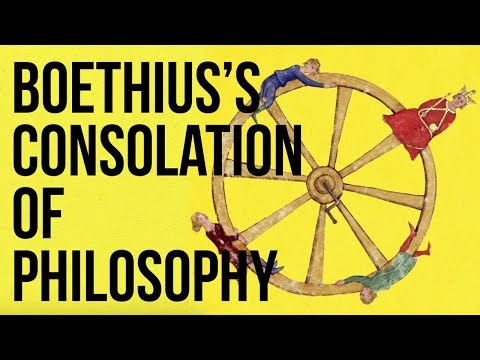
Boethius’s Consolation of Philosophy
0
林宜悉 posted on 2025/06/17Ever wondered how to find comfort when life throws you curveballs? Dive into Boethius's 'Consolation of Philosophy' and explore timeless ideas about fortune and resilience, perfect for boosting your advanced vocabulary and understanding complex sentence structures. You'll gain fascinating insights into medieval thought and Stoicism while picking up some seriously useful new words!
Learn this video on the APP!
The VoiceTube App has more in-depth practice for videos!