
absorb
US /əbˈsɔrb, -ˈzɔrb/
UK /əb'sɔ:b/
- Transitive Verb
- To take up all attention / energy of something
- To take in a liquid; soak up
B1TOEICMoreactivate
US /ˈæktəˌvet/
UK /ˈæktɪveɪt/
- Transitive Verb
- To cause to happen; cause a chemical reaction
- To make something start working
B1Moreadaptation
US /ˌædæpˈteʃən/
UK /ˌædæpˈteɪʃn/
- Noun (Countable/Uncountable)
- Music, movie or play, changed to a new form
- Changing to a new form; thing that is changed
B1Morealternative
US /ɔlˈtɚnətɪv, æl-/
UK /ɔ:lˈtɜ:nətɪv/
- Countable Noun
- Something different you can choose
- Adjective
- A different choice
A2TOEICMorearticulate
US /ɑ:rˈtɪkjuleɪt/
UK /ɑ:ˈtɪkjuleɪt/
- Transitive Verb
- To express something clearly using language
- Adjective
- Having or showing the ability to speak fluently and coherently.
B2TOEICMoreauthor
US /ˈɔθɚ/
UK /'ɔ:θə(r)/
- Noun (Countable/Uncountable)
- Person who writes books, plays, poems etc.
- Transitive Verb
- To write book or articles
B1Moreaware
US /əˈwɛr/
UK /əˈwɛə/
- Adjective
- Knowing or feeling that something exists
A2TOEICMoreback then
US
UK
- Phrase
- At that time in the past.
A1Morebasically
US /ˈbesɪkəli,-kli/
UK /ˈbeɪsɪkli/
- Adverb
- Used before you explain something simply, clearly
- In essence; when you consider the most important aspects of something.
A2Morecapacity
US /kəˈpæsɪti/
UK /kə'pæsətɪ/
- Noun (Countable/Uncountable)
- Ability to hold, involve or contain (e.g. liquids)
- Largest amount of something that can be produced
B1Morecareer
US /kəˈrɪr/
UK /kə'rɪə(r)/
- Noun (Countable/Uncountable)
- Particular occupation in professional life
- The course of a person's life, especially in a particular pursuit or profession.
- Verb (Transitive/Intransitive)
- To move forward very fast and without control
- To advance or make progress rapidly
A2Morechronic
US /ˈkrɑnɪk/
UK /'krɒnɪk/
- Adjective
- Always or often doing something, e.g. lying
- (Of disease) over a long time; serious
B1Morecircuitry
US /ˈsɚkɪtri/
UK /ˈsɜ:kɪtri/
- Uncountable Noun
- Electronic equipment consisting of switches
B2Morecome back
US /kʌm bæk/
UK /kʌm bæk/
- Phrasal Verb
- To reply to someone, often forcefully
- To be remembered
A1Morecome from
US /kʌm frʌm/
UK /kʌm frɔm/
- Phrasal Verb
- To have as your native country or city
A1Morecompassion
US /kəmˈpæʃən/
UK /kəmˈpæʃn/
- Uncountable Noun
- Feeling of wanting to help suffering people
- Actions that demonstrate care and concern for others.
B2Moreconnected with
US
UK
- Phrase
- Related to; associated with.
- Involved with; having a relationship with.
- Phrasal Verb
- Was associated or linked to someone or something.
- Felt understanding or empathy with someone or something.
B1Morecontradict
US /ˌkɑntrəˈdɪkt/
UK /ˌkɒntrə'dɪkt/
- Verb (Transitive/Intransitive)
- To say the opposite is so; say something different
- To say the opposite of what someone else has said; to deny the truth of (a statement).
B1Morecore
US /kɔr, kor/
UK /kɔ:(r)/
- Transitive Verb
- To take out the central section of a fruit
- Noun (Countable/Uncountable)
- Important central part of something
- The hard central part of certain fruits, containing the seeds.
A2Moredespair
US /dɪˈspɛr/
UK /dɪ'speə(r)/
- Intransitive Verb
- To have lost all hope; lose heart
- Uncountable Noun
- Felling of having lost all hope
B1TOEICMoredissolve
US /dɪˈzɑ:lv/
UK /dɪˈzɒlv/
- Verb (Transitive/Intransitive)
- To cause something to end
- To dismiss, e.g. a law-making body
B2Moreexpand
US /ɪkˈspænd/
UK /ɪk'spænd/
- Verb (Transitive/Intransitive)
- To make something larger in size, number, amount
A2TOEICMoreexperiment
US /ɪkˈspɛrəmənt/
UK /ɪk'sperɪmənt/
- Noun (Countable/Uncountable)
- Test performed to assess new ideas or theories
- A course of action tentatively adopted without being sure of the eventual outcome.
- Verb (Transitive/Intransitive)
- To create and perform tests to research something
- To try something new that you haven't tried before
A2TOEICMorefor myself
US /fɚ maɪˈsɛlf/
UK /fə maɪˈself/
- other
- Done for one's own benefit or use.
A1Moreframe
US /frem/
UK /freɪm/
- Transitive Verb
- To make a person that is not guilty appear guilty
- To put say or write something in a careful way
- Noun (Countable/Uncountable)
- Structure that holds a picture or photo
- A person's body shape determined by their skeleton
A2TOEICMorego away
US /ɡo əˈwe/
UK /ɡəu əˈwei/
- Phrasal Verb
- To go on vacation
- To leave; depart.
A1Moregut
US /ɡʌt/
UK /ɡʌt/
- Transitive Verb
- To destroy the inside of a building , e.g. by fire
- To remove the internal parts of an animal or fish
- Noun (Countable/Uncountable)
- Stomach and internal organs of digestion
B1Morehand over
US /hænd ˈovɚ/
UK /hænd ˈəuvə/
- Phrasal Verb
- To give into the possession or control of another
A1Moreimplant
US /ɪmˈplænt/
UK /ɪmˈplɑ:nt/
- Transitive Verb
- To put something into, an idea in someone's mind
- To put medical material in, as to improve teeth
- Noun
- Medical material, thing to improve the teeth, body
B2Moreimprint
US /ɪmˈprɪnt/
UK /ɪm'prɪnt/
- Noun
- Mark or figure impressed or printed on something
B2Morein fact
US /ɪn fækt/
UK /in fækt/
- Adverb
- Used to emphasize the truth of a statement, especially one that contrasts with or contradicts something else.
- Used to introduce a more detailed or surprising piece of information.
- Phrase
- Used to emphasize the truth of a statement, especially one that is surprising or contrary to what might be expected.
C1Morein the world
US /ɪn ði wɜrld/
UK /in ðə wɜː(r)ld/
- Phrase
- Used to emphasize a question expressing surprise, confusion, disbelief
- Used to indicate the extent or degree of something, often in a superlative sense
A1Moreintense
US /ɪnˈtɛns/
UK /ɪn'tens/
- Adjective
- Very strong, great or extreme in degree
- Experiencing or showing great force or strength; extreme.
A2TOEICMorelobe
US /loʊb/
UK /ləʊb/
- Noun (Countable/Uncountable)
- Round part in body, e.g. some parts of brain
- part of an organ(e.g. the brain, lungs, or liver) that seems to be separate in some way from the rest
B2Moremodify
US /ˈmɑ:dɪfaɪ/
UK /ˈmɒdɪfaɪ/
- Transitive Verb
- To make minor change to something
B1Moremove into
US /muv ˈɪntu/
UK /mu:v ˈɪntuː/
- Phrasal Verb
- To start living in a new house or building
- To start being involved in a new area of business or activity.
nasty
US /ˈnæsti/
UK /'nɑ:stɪ/
- Adjective
- Very bad, unpleasant, or offensive
- Unkind; unpleasant.
A2Morenotion
US /ˈnoʃən/
UK /ˈnəuʃən/
- Noun
- Sudden idea or desire to do something
B1TOEICMoreordinary
US /ˈɔ:rdneri/
UK /'ɔ:dnrɪ/
- Adjective
- Normal or usual
- Of the rank of ordinary seaman.
- Noun
- An ecclesiastical judge or official having ordinary jurisdiction in a given area.
- Any of several simple and basic geometrical figures.
A2TOEICMoreperception
US /pɚˈsɛpʃən/
UK /pəˈsepʃn/
- Noun (Countable/Uncountable)
- Way in which one sees or understands something
- The ability to see, hear, or become aware of something through the senses.
B1Moreperspective
US /pɚˈspɛktɪv/
UK /pə'spektɪv/
- Noun (Countable/Uncountable)
- Artistic method of creating a sense of distance
- Ability to understand what is important in life
B1TOEICMorephysically
US /ˈfɪzɪkəlɪ/
UK /'fɪzɪklɪ/
- Adverb
- In a manner related to the body
- Concerning reality or the laws of nature
A2Morephysiology
US /ˌfɪziˈɑ:lədʒi/
UK /ˌfɪziˈɒlədʒi/
- Uncountable Noun
- Ways in which the parts of a living thing operate
B2Moreprofound
US /prəˈfaʊnd, pro-/
UK /prə'faʊnd/
- Adjective
- Requiring deep thought; difficult to understand
- Showing a lot of deep thought or understanding
B1Morepsychedelic
US /ˌsaɪkɪˈdɛlɪk/
UK /ˌsaɪkəˈdelɪk/
- Adjective
- Having very bright contrasting colors and shapes
- Relating to or denoting drugs that produce hallucinations and apparent expansion of consciousness.
C2Morepsychiatric
US
UK
- Adjective
- Concerning the treatment of the mind
B2Morepsychiatrist
US /saɪ'kaɪətrɪst/
UK /saɪˈkaɪətrɪst/
- Countable Noun
- Doctor who treats psychological disorders
- Doctor who treats psychological disorders
B2Morepunch
US /pʌntʃ/
UK /pʌntʃ/
- Noun (Countable/Uncountable)
- Alcoholic drink made from wine and fruit, etc.
- Transitive Verb
- To hit something very hard with a closed hand
- To make a hole in something with a special tool
B1Morerational
US /ˈræʃənəl/
UK /'ræʃnəl/
- Adjective
- Able to think clearly
- A real number that can be written as a ratio of two integers.
- Noun
- A rational person.
A2TOEICMorereality
US /riˈælɪti/
UK /rɪ'ælətɪ/
- Noun (Countable/Uncountable)
- What is true, as opposed to what is imagined
- The state of things as they actually exist, rather than as they may appear or might be imagined.
A2Moresignificant
US /sɪɡˈnɪfɪkənt/
UK /sɪgˈnɪfɪkənt/
- Adjective
- Large enough to be noticed or have an effect
- Having meaning; important; noticeable
A2TOEICMorestand up for
US /stænd ʌp fɔr/
UK /stænd ʌp fɔ:/
- Phrasal Verb
- To support someone or an idea, e.g. human rights
A1Moretherapy
US /ˈθɛrəpi/
UK /'θerəpɪ/
- Noun (Countable/Uncountable)
- Treatment to help cure an illness
- Psychological counseling to help resolve personal or emotional problems.
B2Moreto do with
US
UK
- Phrasal Verb
- To be about something; concern
A1Moretrauma
US /ˈtraʊmə/
UK /'trɔ:mə/
- Noun (Countable/Uncountable)
- A very severe or upsetting experience
- Serious injury to part of the body
B2Moreturned out
US
UK
- Phrasal Verb
- To arrive for a public event or entertainment
- To happen to be in the end
- Transitive Verb
- To extinguish or switch off lights.
A1Morevisceral
US /ˈvɪsərəl/
UK /ˈvɪsərəl/
- Adjective
- From deep within you; caused by strong instincts
C1TOEICMorewrench
US /rɛntʃ/
UK /rentʃ/
- Countable Noun
- Tool for holding/turning objects of varying sizes
- Transitive Verb
- To twist, turn, or pull suddenly and forcibly
B2TOEICMore
Vocabulary
- to do with: To be about something; concern
- back then: At that time in the past.
- in fact: Used to emphasize the truth of a statement, especially one that contrasts with or contradicts something else.
- go away: To go on vacation
- in the world: Used to emphasize a question expressing surprise, confusion, disbelief
- turned out: To arrive for a public event or entertainment
- for myself: Done for one's own benefit or use.
- stand up for: To support someone or an idea, e.g. human rights
- hand over: To give into the possession or control of another
- come back: To reply to someone, often forcefully
- connected with: Related to; associated with.
- move into: To start living in a new house or building
- come from: To have as your native country or city
- perspective: Artistic method of creating a sense of distance
- intense: Very strong, great or extreme in degree
- chronic: Always or often doing something, e.g. lying
- articulate: To express something clearly using language
- perception: Way in which one sees or understands something
- significant: Large enough to be noticed or have an effect
- present: Being in attendance; being there; having turned up
- nasty: Very bad, unpleasant, or offensive
- alternative: Something different you can choose
- profound: Requiring deep thought; difficult to understand
- trauma: A very severe or upsetting experience
- basically: Used before you explain something simply, clearly
- experience: Thing a person has done or that happened to them
- therapy: Treatment to help cure an illness
- aware: Knowing or feeling that something exists
- compassion: Feeling of wanting to help suffering people
- capacity: Ability to hold, involve or contain (e.g. liquids)
- experiment: Test performed to assess new ideas or theories
- career: Particular occupation in professional life
- gut: To destroy the inside of a building , e.g. by fire
- reality: What is true, as opposed to what is imagined
- rational: Able to think clearly
- notion: Sudden idea or desire to do something
- despair: To have lost all hope; lose heart
- absorb: To take up all attention / energy of something
- brain: To strike someone forcefully on the head
- ordinary: Normal or usual
- frame: To make a person that is not guilty appear guilty
- physically: In a manner related to the body
- core: To take out the central section of a fruit
- expand: To make something larger in size, number, amount
- contradict: To say the opposite is so; say something different
- provide: To make available; to supply for use
- dissolve: To cause something to end
- mind: To be bothered or upset by something
- adaptation: Music, movie or play, changed to a new form
- author: Person who writes books, plays, poems etc.
- activate: To cause to happen; cause a chemical reaction
- visceral: From deep within you; caused by strong instincts
- important: Having power or authority
- punch: Alcoholic drink made from wine and fruit, etc.
- control: A device designed to operate a machine
- psychiatric: Concerning the treatment of the mind
- act: To behave in a certain way
- event: Any social gathering; occasion; planned activity
- modify: To make minor change to something
- turn: To become (a particular age)
- change: To exchange one set of clothes for another
- remember: To give someone a gift, e.g. birthday, wedding
- possibly: May be true or likely, but is uncertain
- mistake: Something done wrong/calculated wrong; error
- vengeful: Serving to gain vengeance
- psychiatrist: Doctor who treats psychological disorders
- physiology: Ways in which the parts of a living thing operate
- implant: To put something into, an idea in someone's mind
- lobe: Round part in body, e.g. some parts of brain
- wrench: Tool for holding/turning objects of varying sizes
- psychedelic: Having very bright contrasting colors and shapes
- circuitry: Electronic equipment consisting of switches
- imprint: Mark or figure impressed or printed on something
Get the full experience in the app
Learn anywhere with detailed sentence and usage analysis
01:03
She took a brave step forward, leaving behind her comfort zone to chase her dreams.
Vocabulary
- brave
adj. Having courage
- comfort zone
phr. A familiar situation where one feels safe
Explanation
a brave step is a noun phrase, where brave is an adjective modifying the noun step, meaning "a courageous step".
forward is an adverb modifying step, meaning "ahead".
The whole phrase serves as the object, answering the "what" of took (verb) — she took a brave step forward.
Get the full experience in the app
Look up words anytime with pronunciation, part of speech, and usage
brave
US/brev/
UK/breɪv/
adj.Brave
v.t.To bravely face
A2 Elementary
Get the full experience in the app
Practice speaking anytime and get instant pronunciation feedback
Try this speaking exercise.
Try practicing with this sentence.
80
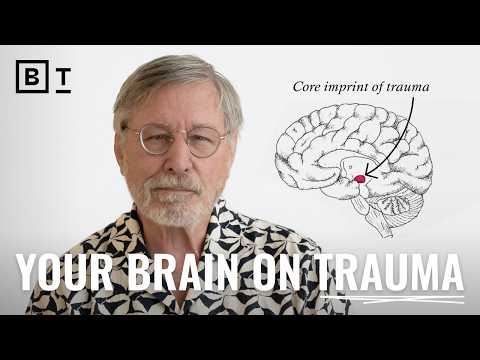
Your reality narrows after trauma — here’s how to expand it | Bessel van der Kolk
0
Wenwen Chang posted on 2025/06/05Ever feel like trauma shrinks your world? Bessel van der Kolk explains how the brain reacts and introduces fascinating therapies like psychodrama and somatic experiencing to help you expand your reality again! You'll pick up advanced vocabulary related to neurobiology and healing, perfect for understanding these powerful concepts.
Learn this video on the APP!
The VoiceTube App has more in-depth practice for videos!