
almond
US /ˈɑmənd/
UK /ˈɑ:mənd/
- Countable Noun
- Type of long flat nut
B2Morechromosome
US /ˈkroʊməsoʊm/
UK /ˈkrəʊməsəʊm/
- Noun
- Cell structures that carry the genetic material
C2Morecognitive
US /ˈkɑɡnɪtɪv/
UK /ˈkɒgnətɪv/
- Adjective
- The process of knowing and remembering
- Relating to the ability to think and reason.
C1Morecombination
US /ˌkɑmbəˈneʃən/
UK /ˌkɒmbɪ'neɪʃn/
- Noun
- Series of letters or numbers needed to open a lock
- Act or result of mixing things together
B1Morecondition
US /kənˈdɪʃən/
UK /kənˈdɪʃn/
- Transitive Verb
- To improve something to make it better
- To cause to behave automatically in a certain way
- Noun (Countable/Uncountable)
- Disease or other medical problem
- The state of living you are in, e.g. good health
A2Morecord
US /kɔrd/
UK /kɔ:d/
- Noun (Countable/Uncountable)
- A long strong material, thicker than string
- Electrical wire, covered in rubber or plastic
B1Morecrease
US /kris/
UK /kri:s/
- Noun
- Mark caused in paper or cloth when it is folded
B2TOEICMorecure
US /kjʊr/
UK /kjʊə(r)/
- Noun
- Something that solves a problem or makes it better
- Medical treatment making a sick person healthy
- Transitive Verb
- To fix or improve a problem
- To make someone healthy or make a disease go away
B1Moredetermine
US /dɪˈtɚmɪn/
UK /dɪ'tɜ:mɪn/
- Transitive Verb
- To control exactly how something will be or act
- To establish the facts about; discover
A2TOEICMorediagnose
US /ˌdaɪəgˈnoʊs/
UK /ˈdaɪəgnəʊz/
- Transitive Verb
- To determine the cause of an illness or problem
B1Morediagnosis
US /ˌdaɪəgˈnoʊsɪs/
UK /ˌdaɪəgˈnəʊsɪs/
- Noun (plural)
- Judgments by a doctor about a person's illness
- Noun
- The identification of a disease or condition.
B1Morediagnostic
US /ˌdaɪəɡˈnɑstɪk/
UK /ˌdaɪəgˈnɒstɪk/
- Adjective
- Concerning finding out the cause of a problem
B1Moredisorder
US /dɪsˈɔrdɚ/
UK /dɪs'ɔ:də(r)/
- Uncountable Noun
- State of confusion or a lack of organization
- Illness when the body is not functioning well
- Transitive Verb
- To disrupt the order or arrangement of something.
B2Moredistinct
US /dɪˈstɪŋkt/
UK /dɪˈstɪŋkt/
- Adjective
- Clearly different in nature from something else
- Clearly noticeable; easily perceived.
A2Moredue to
US /du tu/
UK /dju: tu:/
- Preposition
- Because of; owing to
- Adjective
- Attributable to; caused by.
A1Moreexpectancy
US /ɪkˈspɛktənsi/
UK /ɪkˈspektənsi/
- Uncountable Noun
- Excited feeling that something is will happen soon
B1TOEICMoreextra
US /'ekstrə/
UK /'ekstrə/
- Adjective
- More than necessary; additional
- Of especially good quality or grade.
- Noun (Countable/Uncountable)
- Items more than you need; additional items
- Person who has a small part in a movie
A2Morefacial
US /ˈfeʃəl/
UK /'feɪʃl/
- Noun (Countable/Uncountable)
- Treatment to improve condition of the skin of face
- Adjective
- Concerning or on the face
B2Morefluid
US /ˈfluɪd/
UK /'flu:ɪd/
- Noun (Countable/Uncountable)
- A material that can easily flow, e.g. water
- Liquid that flows smoothly, such as water
- Adjective
- Able to move smoothly or gracefully
- Liable to change; unstable.
B2Moregenetic
US /dʒəˈnɛtɪk/
UK /dʒəˈnetɪk/
- Adjective
- Of, relating to, or controlled by genes
- Relating to genes or heredity.
B1Morein order to
US /ɪn ˈɔrdɚ tu/
UK /in ˈɔ:də tu:/
- Preposition
- For the purpose of; with the aim of.
- Phrase
- In a specific sequence or arrangement.
- With the aim of; for the purpose of.
C1Moreinstead of
US /ɪnˈstɛd ʌv/
UK /inˈsted ɔv/
- Preposition
- When one thing is replaced by another
- Adverb
- As a substitute or alternative.
A1Moreiris
US
UK
- Noun
- Round colored part of an eye
- Tall flowering plant with long pointed leaves
- Proper Noun
- Person's name
B2Morelifelong
US /ˈlaɪflɔ:ŋ/
UK /ˈlaɪflɒŋ/
- Adjective
- Continuing through life; lasting a long time
- Uncountable Noun
- The process of continuing to learn throughout one's life.
B2Morelook for
US /lʊk fɔr/
UK /luk fɔ:/
- Phrasal Verb
- To try to find a thing or person that is lost
- To expect or anticipate something.
A1Morematerial
US /məˈtɪriəl/
UK /məˈtɪəriəl/
- Noun (Countable/Uncountable)
- Cloth; fabric
- Supplies or data needed to do a certain thing
- Adjective
- Relevant; (of evidence) important or significant
- Belonging to the world of physical things
A2Moremental
US /ˈmɛntl/
UK /ˈmentl/
- Adjective
- Concerning the mind
A2TOEICMoremixture
US /ˈmɪkstʃɚ/
UK /ˈmɪkstʃə(r)/
- Noun (Countable/Uncountable)
- Something made by combining two or more things
B1Moremoderately
US /ˈmɑ:dərətli/
UK /ˈmɒdərətli/
- Adverb
- A reasonable or fair degree
B1TOEICMoremosaic
US /moʊˈzeɪɪk/
UK /məʊˈzeɪɪk/
- Noun (Countable/Uncountable)
- A mixture of various elements
- Pattern made of pieces of colored stone or glass
B2Moreobstructive
US /əb'strʌktɪv/
UK /əb'strʌktɪv/
- Adjective
- Trying to block or stop something
B2Moreoccur
US /əˈkɚ/
UK /əˈkɜ:(r)/
- Intransitive Verb
- To come to pass or to happen
- To be found to exist; to be present.
A2TOEICMorepalm
US /pɑ:m/
UK /pɑ:m/
- Noun (Countable/Uncountable)
- Inner area of a person's hand
- Tropical tree with large leaves only at its top
- Transitive Verb
- To hide something in your hand
- To push someone way with your hand
B1Morephysical
US /ˈfɪzɪkəl/
UK /ˈfɪzɪkl/
- Countable Noun
- Health check at the doctors' or hospital
- Adjective
- Concerning the body of a person
- Concerning things that can be seen or touched
A2Morepinky
US /ˈpɪŋki/
UK /ˈpɪŋki/
- Noun
- Little finger; finger farthest from the thumb
C2Moreplacenta
US /pləˈsɛntə/
UK /pləˈsentə/
- Noun
- Organ that supplies nutrients to fetus in the womb
C1Morepredict
US /prɪˈdɪkt/
UK /prɪ'dɪkt/
- Transitive Verb
- To guess or estimate what will or might happen
A2TOEICMorepregnancy
US /ˈprɛɡnənsi/
UK /ˈpregnənsi/
- Uncountable Noun
- When a woman carries her unborn baby inside her
- A specific instance or period of being pregnant.
B1Morequad
US /kwɑ:d/
UK /kwɒd/
- Noun (Countable/Uncountable)
- Four-sided enclosure surrounded by buildings
C1Morerather than
US
UK
- Adverb
- More exactly; more correctly
- Preferably; instead
- Preposition
- Instead of
A1Morerefer
US /rɪˈfɚ/
UK /rɪ'fɜ:(r)/
- Verb (Transitive/Intransitive)
- To talk about or write about something
- To give information about something
A2TOEICMoreriskier
US
UK
- Adjective
- More dangerous or with a higher chance of loss
B2Moresensory
US /ˈsɛnsəri/
UK /ˈsensəri/
- Adjective
- Referring to the physical senses
B2Moreseparate
US /'sepəreɪt/
UK /'sepəreɪt/
- Adjective
- Being different from or unrelated to another
- Not connected; different.
- Transitive Verb
- To divide two things by being in between them
- To move things away from each other
A2TOEICMoreshorten
US /ˈʃɔrtn/
UK /'ʃɔ:tn/
- Transitive Verb
- To make something, e.g. a skirt, shorter
C1Morespecial education
US /ˈspɛʃəl ˌɛdʒəˈkeʃən/
UK /ˈspeʃəl ˌedju:ˈkeiʃən/
- Noun
- Education designed for students with special educational needs, such as disabilities or learning difficulties.
B1Morestick
US /stɪk/
UK /stɪk/
- Verb (Transitive/Intransitive)
- To push a sharp or pointed object into something
- To join together using glue or paste
- Countable Noun
- Long thin piece of wood from a tree
A2Moresyndrome
US /ˈsɪnˌdrom/
UK /'sɪndrəʊm/
- Noun
- A group of signs and symptoms of a disease
B1Morethumb
US /θʌm/
UK /θʌm/
- Intransitive Verb
- To use your thumb to request a ride in a car
- Countable Noun
- Part of a glove that goes over the thumb
- The short, thick finger on the side of your hand
B1Moretiny
US /ˈtaɪni/
UK /'taɪnɪ/
- Adjective
- Very, very small
A2Moretongue
US /tʌŋ/
UK /tʌŋ/
- Noun
- Long, thin part of (e.g. shoe under the laces)
- Meat from the mouth of an animal, cooked as food
- Transitive Verb
- To using your mouth to produce musical notes
- To use your mouth to touch something
A2Moretriple
US /ˈtrɪpəl/
UK /ˈtrɪpl/
- Noun
- Group or set of three
- A hit in baseball that enables the batter to reach third base.
- Transitive Verb
- To multiply by three; to increase threefold.
B2Moretypical
US /ˈtɪpɪkəl/
UK /ˈtɪpɪkl/
- Adjective
- Normal; usual; expected
- Serving as a representative example of a particular type.
A2Moretypically
US /ˈtɪpɪklɪ/
UK /ˈtɪpɪkli/
- Adverb
- In a normal or usual way
B1Moreultrasound
US /ˈʌltrəˌsaʊnd/
UK /ˈʌltrəsaʊnd/
- Noun (Countable/Uncountable)
- Use of sound waves to therapy or diagnostics
C2Morevilla
US /ˈvɪlə/
UK /'vɪlə/
- Countable Noun
- A large house in the country, often for pleasure
B2More
Vocabulary
- instead of: When one thing is replaced by another
- rather than: More exactly; more correctly
- due to: Because of; owing to
- in order to: For the purpose of; with the aim of.
- look for: To try to find a thing or person that is lost
- special education: Education designed for students with special educational needs, such as disabilities or learning difficulties.
- cognitive: The process of knowing and remembering
- stick: To push a sharp or pointed object into something
- mental: Concerning the mind
- present: Being in attendance; being there; having turned up
- material: Cloth; fabric
- physical: Health check at the doctors' or hospital
- determine: To control exactly how something will be or act
- disorder: State of confusion or a lack of organization
- typically: In a normal or usual way
- common: Area in a city or town that is open to everyone
- develop: To explain something in steps and in detail
- distinct: Clearly different in nature from something else
- combination: Series of letters or numbers needed to open a lock
- separate: Being different from or unrelated to another
- fluid: A material that can easily flow, e.g. water
- tongue: Long, thin part of (e.g. shoe under the laces)
- predict: To guess or estimate what will or might happen
- brain: To strike someone forcefully on the head
- occur: To come to pass or to happen
- condition: To improve something to make it better
- tiny: Very, very small
- syndrome: A group of signs and symptoms of a disease
- genetic: Of, relating to, or controlled by genes
- perform: To carry out an action well or successfully
- refer: To talk about or write about something
- typical: Normal; usual; expected
- extra: More than necessary; additional
- create: To make, cause, or bring into existence
- provide: To make available; to supply for use
- thumb: To use your thumb to request a ride in a car
- sensory: Referring to the physical senses
- palm: Inner area of a person's hand
- cure: Something that solves a problem or makes it better
- expectancy: Excited feeling that something is will happen soon
- pregnancy: When a woman carries her unborn baby inside her
- diagnose: To determine the cause of an illness or problem
- diagnosis: Judgments by a doctor about a person's illness
- almond: Type of long flat nut
- facial: Treatment to improve condition of the skin of face
- mixture: Something made by combining two or more things
- person: Man, woman or child
- grow: To get bigger and more mature; make plants do this
- include: To make someone, something part of a group
- cord: A long strong material, thicker than string
- chromosome: Cell structures that carry the genetic material
- part: Division of a book
- type: Printed letters or blocks used for printing them
- list: To lean to one side, like a boat or ship
- moderately: A reasonable or fair degree
- picture: General situation or state of being
- diagnostic: Concerning finding out the cause of a problem
- lifelong: Continuing through life; lasting a long time
- hear: To be aware of sound; to perceive with the ear
- triple: Group or set of three
- placenta: Organ that supplies nutrients to fetus in the womb
- crease: Mark caused in paper or cloth when it is folded
- quad: Four-sided enclosure surrounded by buildings
- mosaic: A mixture of various elements
- iris: Round colored part of an eye
- ultrasound: Use of sound waves to therapy or diagnostics
- shorten: To make something, e.g. a skirt, shorter
- pinky: Little finger; finger farthest from the thumb
- obstructive: Trying to block or stop something
- villa: A large house in the country, often for pleasure
- riskier: More dangerous or with a higher chance of loss
Get the full experience in the app
Learn anywhere with detailed sentence and usage analysis
01:03
She took a brave step forward, leaving behind her comfort zone to chase her dreams.
Vocabulary
- brave
adj. Having courage
- comfort zone
phr. A familiar situation where one feels safe
Explanation
a brave step is a noun phrase, where brave is an adjective modifying the noun step, meaning "a courageous step".
forward is an adverb modifying step, meaning "ahead".
The whole phrase serves as the object, answering the "what" of took (verb) — she took a brave step forward.
Get the full experience in the app
Look up words anytime with pronunciation, part of speech, and usage
brave
US/brev/
UK/breɪv/
adj.Brave
v.t.To bravely face
A2 Elementary
Get the full experience in the app
Practice speaking anytime and get instant pronunciation feedback
Try this speaking exercise.
Try practicing with this sentence.
80
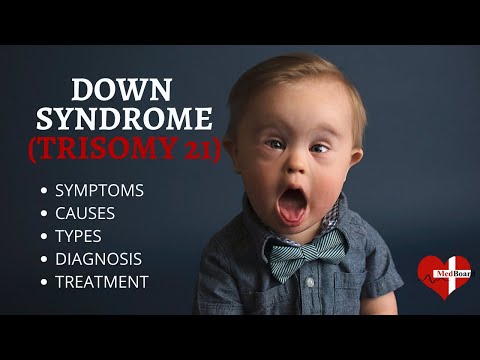
What is Down Syndrome (Trisomy 21)? Down syndrome (Trisomy 21) Made Easy
0
Judy posted on 2025/05/09Ever wondered about Down syndrome (Trisomy 21)? This video makes understanding it super easy, covering everything from prenatal screening to potential health impacts like heart defects. You'll pick up some really useful vocabulary related to genetics and health education, perfect for expectant parents or anyone interested in special education!
Learn this video on the APP!
The VoiceTube App has more in-depth practice for videos!