
acne
US /ˈækni/
UK /ˈækni/
- Uncountable Noun
- Red spots or pimples on your face
B2Moreapparent
US /əˈpærənt, əˈpɛr-/
UK /ə'pærənt/
- Adjective
- Easy to see or clearly understand
- Seeming to exist or be true, but may not be
A2TOEICMoreappetite
US /ˈæpɪˌtaɪt/
UK /'æpɪtaɪt/
- Noun
- Feeling of hunger or desire for something
B1Moreat night
US /æt naɪt/
UK /æt nait/
- Phrase
- During the night; in the nighttime.
A1Moreavoid
US /əˈvɔɪd/
UK /ə'vɔɪd/
- Transitive Verb
- To prevent from happening
- To stay away from
A2TOEICMorebad habits
US
UK
- Noun (Countable/Uncountable)
- Negative or harmful routines or behaviors that are difficult to stop.
A1Morebottle up
US /ˈbɑtl ʌp/
UK /ˈbɔtl ʌp/
- Phrasal Verb
- To deliberately not show a strong feeling or emotion.
A1Morebubble over
US /ˈbʌbl oʊvɚ/
UK /ˈbʌbl əʊvə/
- other
- To express strong feelings, especially joy or excitement.
B2Morebury
US /ˈbɛri/
UK /'berɪ/
- Transitive Verb
- To put something into the ground and cover it
B1Morechronic
US /ˈkrɑnɪk/
UK /'krɒnɪk/
- Adjective
- Always or often doing something, e.g. lying
- (Of disease) over a long time; serious
B1Morecognitive
US /ˈkɑɡnɪtɪv/
UK /ˈkɒgnətɪv/
- Adjective
- The process of knowing and remembering
- Relating to the ability to think and reason.
C1Moreconstantly
US /ˈkɑnstəntlɪ/
UK /ˈkɒnstəntli/
- Adverb
- Frequently, or without pause
- In a way that is unchanging or faithful
B1Morecoping mechanism
US
UK
- Noun
- A psychological strategy used to manage stress or emotional distress.
B2Moredeserve
US /dɪˈzɚv/
UK /dɪ'zɜ:v/
- Transitive Verb
- To be worthy of, e.g. getting praise or attention
A2TOEICMoredisrupt
US /dɪsˈrʌpt/
UK /dɪsˈrʌpt/
- Transitive Verb
- To cause a disturbance in an activity in progress
B2TOEICMoredistress
US /dɪˈstrɛs/
UK /dɪ'stres/
- Uncountable Noun
- State of great sadness, anxiety or pain
- Condition of danger or emergency
- Transitive Verb
- To cause someone anxiety or sadness
- To be in financial trouble
B1Moreembrace
US /ɛmˈbres/
UK /ɪm'breɪs/
- Noun (Countable/Uncountable)
- Act of holding someone closely
- An act of accepting or supporting something willingly and enthusiastically.
- Transitive Verb
- To hold closely; cuddle, kiss or hug
- To accept something enthusiastically.
B1TOEICMoreemotional
US /ɪˈmoʃənəl/
UK /ɪˈməʊʃənl/
- Adjective
- Causing, feeling, or appealing to the emotions
- Relating to or characterized by emotion
A2Moreengage
US /ɪn'gedʒ/
UK /ɪn'ɡeɪdʒ/
- Transitive Verb
- To start to fight with an enemy
- To hire someone for a task or job
A2TOEICMoreexercise
US /ˈɛksɚˌsaɪz/
UK /'eksəsaɪz/
- Verb (Transitive/Intransitive)
- To work out to become stronger and healthier
- To retain your ability or practice your skills
- Noun (Countable/Uncountable)
- Physical activity to increase health and strength
- Set of questions in a text book
A2Morefatigue
US /fəˈtiɡ/
UK /fəˈti:g/
- Uncountable Noun
- Breaking due to being moved or bent many times
- Being very tired
- Transitive Verb
- To cause someone or something to become very tired
B2Morefeel like
US
UK
- Intransitive Verb
- To have a desire or inclination for something.
- To have a particular quality or sensation; resemble.
A1Morefight off
US /faɪt ɔf/
UK /fait ɔf/
- Phrasal Verb
- To defend a position, often violently
- To resist or struggle to get rid of an illness or negative feeling.
A1Morego away
US /ɡo əˈwe/
UK /ɡəu əˈwei/
- Phrasal Verb
- To go on vacation
- To leave; depart.
A1Morehavoc
US /'hævək/
UK /ˈhævək/
- Uncountable Noun
- Situation with destruction, damage and confusion
B2Moreheal
US /hi:l/
UK /hi:l/
- Verb (Transitive/Intransitive)
- To recover from or forget a bad experience
- To make or become healthy or well again
B1Morehonor
US /ˈɑnɚ/
UK /'ɒnə(r)/
- Transitive Verb
- To fulfill an agreement
- To give an award to someone
- Noun (Countable/Uncountable)
- Award you get for doing well; prize, title, etc.
- Chance to do something special; privilege
B2TOEICMoreimmune
US /ɪˈmjoon/
UK /ɪˈmju:n/
- Adjective
- Having a special protection from, e.g. the law
- Protected against a particular disease or condition because of antibodies or vaccination.
B1Moreimpair
US /ɪmˈpɛr/
UK /ɪm'peə(r)/
- Transitive Verb
- To damage or weaken something
B2TOEICMorein different ways
US
UK
- Phrase
- Using various methods or approaches; with variety.
- In varying manners or styles; not uniformly.
A1Moreincorporate
US /ɪnˈkɔrpəˌret/
UK /ɪn'kɔ:pəreɪt/
- Transitive Verb
- To form into a company or business corporation
- To include or involve as part of something else
A2Moreinstead of
US /ɪnˈstɛd ʌv/
UK /inˈsted ɔv/
- Preposition
- When one thing is replaced by another
- Adverb
- As a substitute or alternative.
A1Moreinterfere
US /ˌɪntɚˈfɪr/
UK /ˌɪntə'fɪə(r)/
- Intransitive Verb
- To get involved in something not your business
- Transitive Verb
- To prevent a process or activity from continuing or being carried out properly.
B1TOEICMoremanifest
US /ˈmænəˌfɛst/
UK /'mænɪfest/
- Countable Noun
- List of cargo on a ship
- Transitive Verb
- To express or show clearly
- Display or show (a quality or feeling) by one's acts or appearance; demonstrate.
B1TOEICMoremechanism
US /ˈmɛkəˌnɪzəm/
UK /'mekənɪzəm/
- Noun (Countable/Uncountable)
- Part of a machine that performs a certain function
- System or process for achieving a certain result
B1Moremental
US /ˈmɛntl/
UK /ˈmentl/
- Adjective
- Concerning the mind
A2TOEICMorenurture
US /ˈnɜ:rtʃə(r)/
UK /ˈnɜ:tʃə(r)/
- Uncountable Noun
- Care and support given to people as they develop
- Transitive Verb
- To help something or someone to grow or succeed
- To help something or someone to grow or succeed
B1Morepermission
US /pɚˈmɪʃən/
UK /pəˈmɪʃn/
- Noun (Countable/Uncountable)
- Right to do something as allowed by another
- Formal authorization from an authority.
A2Morepersistent
US /pərˈsɪstənt/
UK /pəˈsɪstənt/
- Adjective
- Continuing to do something despite challenges
- Continuing to exist or occur for a long time.
C1TOEICMorephysical
US /ˈfɪzɪkəl/
UK /ˈfɪzɪkl/
- Countable Noun
- Health check at the doctors' or hospital
- Adjective
- Concerning the body of a person
- Concerning things that can be seen or touched
A2Morephysiological
US /ˌfɪziəˈlɑdʒɪkəl/
UK /ˌfɪzɪə'lɒdʒɪkl/
- Adjective
- Of or relating to functions of the body
- Consistent with the normal functioning of an organism.
B1Morepot on
US /pɑt ɑn/
UK /pɒt ɒn/
- other
- Transfer plants into pots for growth.
C2Morepreoccupy
US /priˈɑ:kjupaɪ/
UK /priˈɒkjupaɪ/
- Transitive Verb
- To cause to be absorbed in thinking about a thing
B2Moreprocess
US /ˈprɑsˌɛs, ˈproˌsɛs/
UK /prə'ses/
- Transitive Verb
- To organize and use data in a computer
- To deal with official forms in the way required
- Noun (Countable/Uncountable)
- Dealing with official forms in the way required
- Set of changes that occur slowly and naturally
A2TOEICMoreprogressive
US /prəˈɡrɛsɪv/
UK /prəˈgresɪv/
- Adjective
- Believing in modern ideas about social change
- Increasing in extent or severity; occurring in gradual stages.
- Noun (Countable/Uncountable)
- People believing in bringing about social change
- A person advocating or implementing social reform or new, liberal ideas.
A2Morepush aside
US /pʊʃ əˈsaɪd/
UK /pʊʃ əˈsaɪd/
- other
- To ignore or dismiss something as unimportant.
B1Morerather than
US
UK
- Adverb
- More exactly; more correctly
- Preferably; instead
- Preposition
- Instead of
A1Morereclaim
US /rɪˈklem/
UK /rɪ'kleɪm/
- Transitive Verb
- To get back something that was lost; recover
B2TOEICMorereduction
US /rɪˈdʌkʃən/
UK /rɪ'dʌkʃn/
- Noun
- Act of making something smaller
B1Morerepress
US /rɪˈprɛs/
UK /rɪ'pres/
- Transitive Verb
- To keep (emotions) under control; restrict
B2Moreresonate
US /ˈrɛzəˌnet/
UK /'rezəneɪt/
- Intransitive Verb
- (Of ideas) to have a big impact for a long time
- (E.g. of a bell) to sound clearly for a long time
C2TOEICMoreretain
US /rɪˈten/
UK /rɪ'teɪn/
- Transitive Verb
- To continue to have or use; keep the quality of
- To keep one thing inside another for a time
A2Moresimmer
US /ˈsɪmɚ/
UK /'sɪmə(r)/
- Verb (Transitive/Intransitive)
- To cook or be cooked so that it is just boiling
B2Morestiffness
US /ˈstɪfnɪs/
UK /stɪfnəs/
- Uncountable Noun
- Firm resoluteness in purpose or opinion or action
C2Morestress
US / strɛs/
UK /stres/
- Transitive Verb
- To emphasize one or more parts of a word, sentence
- To put pressure on something or someone
- Noun (Countable/Uncountable)
- Emphasis on part of a word or sentence
- Pressure on something or someone
A2TOEICMoresuch as
US /sʌtʃ æz/
UK /sʌtʃ æz/
- Preposition
- For example; like
A1Moresuppress
US /səˈprɛs/
UK /səˈpres/
- Transitive Verb
- To prevent the display of emotion or feeling
- To use force to prevent something happening
B1TOEICMoretension
US /ˈtɛnʃən/
UK /'tenʃn/
- Uncountable Noun
- Feeling of anxiety and inability to relax
- Degree to which something is stretched tight
A2TOEICMorethink of
US /θɪŋk ʌv/
UK /θiŋk ɔv/
- Phrasal Verb
- To look on as (being something specific); consider
- To consider or remember something.
- Verb (Transitive/Intransitive)
- To imagine or call something to mind
A1Moreto let
US /tu lɛt/
UK /tu let/
- Preposition
- Indicates that a property is available for rent.
A2Moretoll
US /tol/
UK /təʊl/
- Noun (Countable/Uncountable)
- Sound that a big bell makes, when it is rung
- Number of people hurt or killed in a disaster
- Intransitive Verb
- (Bell) to ring in a slow, loud and repeated way
B2TOEICMoreunder the weather
US /ˈʌndɚ ði ˈwɛðɚ/
UK /ˈʌndə ðə ˈweðə/
- Adjective
- Slightly ill; not feeling well.
- Phrase
- In a state of being slightly unwell or ill.
A1Morewithout knowing
US
UK
- Phrase
- Unaware; without being conscious of something.
- Unintentionally; without meaning to do something.
worsen
US /ˈwə:sən/
UK /'wɜ:sn/
- Verb (Transitive/Intransitive)
- To make or become worse
B2Moreyoga
US /ˈjoʊgə/
UK /ˈjəʊgə/
- Noun (Countable/Uncountable)
- Exercise system to gain suppleness and tranquility
B2More
Vocabulary
- such as: For example; like
- feel like: To have a desire or inclination for something.
- go away: To go on vacation
- under the weather: Slightly ill; not feeling well.
- fight off: To defend a position, often violently
- in different ways: Using various methods or approaches; with variety.
- at night: During the night; in the nighttime.
- coping mechanism: A psychological strategy used to manage stress or emotional distress.
- instead of: When one thing is replaced by another
- push aside: To ignore or dismiss something as unimportant.
- bottle up: To deliberately not show a strong feeling or emotion.
- pot on: Transfer plants into pots for growth.
- think of: To look on as (being something specific); consider
- bubble over: To express strong feelings, especially joy or excitement.
- to let: Indicates that a property is available for rent.
- rather than: More exactly; more correctly
- without knowing: Unaware; without being conscious of something.
- bad habits: Negative or harmful routines or behaviors that are difficult to stop.
- constantly: Frequently, or without pause
- cognitive: The process of knowing and remembering
- chronic: Always or often doing something, e.g. lying
- fatigue: Breaking due to being moved or bent many times
- process: To organize and use data in a computer
- immune: Having a special protection from, e.g. the law
- mental: Concerning the mind
- engage: To start to fight with an enemy
- physical: Health check at the doctors' or hospital
- deserve: To be worthy of, e.g. getting praise or attention
- embrace: Act of holding someone closely
- manifest: List of cargo on a ship
- interfere: To get involved in something not your business
- appetite: Feeling of hunger or desire for something
- express: To send something by fast mail
- emotional: Causing, feeling, or appealing to the emotions
- stress: To emphasize one or more parts of a word, sentence
- incorporate: To form into a company or business corporation
- permission: Right to do something as allowed by another
- distress: State of great sadness, anxiety or pain
- exercise: To work out to become stronger and healthier
- disrupt: To cause a disturbance in an activity in progress
- avoid: To prevent from happening
- toll: Sound that a big bell makes, when it is rung
- mechanism: Part of a machine that performs a certain function
- state: Region within a country, with its own government
- persistent: Continuing to do something despite challenges
- suppress: To prevent the display of emotion or feeling
- havoc: Situation with destruction, damage and confusion
- cortisol: Adrenal-cortex hormone (trade names Hydrocortone or Cortef) that is active in carbohydrate and protein metabolism
- tension: Feeling of anxiety and inability to relax
- resonate: (Of ideas) to have a big impact for a long time
- retain: To continue to have or use; keep the quality of
- impair: To damage or weaken something
- lead: Wire for electricity, computer, etc.; cable
- progressive: Believing in modern ideas about social change
- honor: To fulfill an agreement
- mind: To be bothered or upset by something
- apparent: Easy to see or clearly understand
- heal: To recover from or forget a bad experience
- bury: To put something into the ground and cover it
- acne: Red spots or pimples on your face
- nurture: Care and support given to people as they develop
- notice: To become aware by sight, touch, or hearing
- reduction: Act of making something smaller
- physiological: Of or relating to functions of the body
- system: Set of organized, planned ideas that work together
- daily: Happening every day
- find: To become aware of something that is happening
- remember: To give someone a gift, e.g. birthday, wedding
- simmer: To cook or be cooked so that it is just boiling
- reclaim: To get back something that was lost; recover
- feel: To be aware of or experience an emotion, sensation
- know: To be familiar with a person or place, thing
- repress: To keep (emotions) under control; restrict
- give: Degree of flexibility in something, a material
- stiffness: Firm resoluteness in purpose or opinion or action
- usual: Being the way things occur most of the time
- paint: To make a picture with colored liquids
- worsen: To make or become worse
- preoccupy: To cause to be absorbed in thinking about a thing
- yoga: Exercise system to gain suppleness and tranquility
Get the full experience in the app
Learn anywhere with detailed sentence and usage analysis
01:03
She took a brave step forward, leaving behind her comfort zone to chase her dreams.
Vocabulary
- brave
adj. Having courage
- comfort zone
phr. A familiar situation where one feels safe
Explanation
a brave step is a noun phrase, where brave is an adjective modifying the noun step, meaning "a courageous step".
forward is an adverb modifying step, meaning "ahead".
The whole phrase serves as the object, answering the "what" of took (verb) — she took a brave step forward.
Get the full experience in the app
Look up words anytime with pronunciation, part of speech, and usage
brave
US/brev/
UK/breɪv/
adj.Brave
v.t.To bravely face
A2 Elementary
Get the full experience in the app
Practice speaking anytime and get instant pronunciation feedback
Try this speaking exercise.
Try practicing with this sentence.
80
Are Your Suppressed Feelings Secretly Harming You?
0
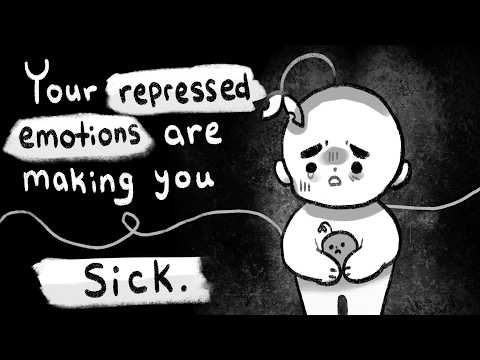
kyle890803 posted on 2025/04/07Ever wonder if your feelings are secretly impacting your health? This animated explainer dives into how repressed emotions can lead to psychosomatic symptoms and chronic stress, offering practical self-help tips like journaling to manage it all! You'll pick up advanced vocabulary related to mental well-being while enjoying clear, simple sentence structures.
Learn this video on the APP!
The VoiceTube App has more in-depth practice for videos!