
agriculture
US /ˈæɡrɪˌkʌltʃɚ/
UK /ˈægrɪkʌltʃə(r)/
- Uncountable Noun
- The science of farming
- The study of farming and related sciences.
A2Morearound the world
US /əˈraʊnd ði wɜrld/
UK /əˈraund ðə wɜː(r)ld/
- Phrase
- In or to many countries.
- In various places throughout the world.
A2Moreas such
US /æz sʌtʃ/
UK /æz sʌtʃ/
- Pronoun
- Something previously stated or understood
A1Moreat least
US /æt list/
UK /æt li:st/
- Adverb
- As a minimum
- Not less than
- Phrase
- No less than; at the minimum
- Used to indicate that something is positive in a bad situation.
C2Moreat play here
US
UK
- Phrase
- Having an influence or effect in a particular situation.
- In operation or having an effect in a particular situation or context.
A1Moreback up
US /bæk ʌp/
UK /bæk ʌp/
- Phrasal Verb
- To save a copy of your computer data
- To confirm the truth of what someone says
A1Moreby contrast
US /baɪ ˈkɑntræst/
UK /bai ˈkɔntræst/
- Phrase
- Used to introduce an idea or situation that is very different from one you have just mentioned.
B2Morecheck out
US /tʃɛk aʊt/
UK /tʃek aut/
- Phrase
- Phrasal Verb
- To find out information about something
- To take books out of a library
A1Morecoast
US /kost/
UK /kəʊst/
- Noun
- Land near the sea or ocean
- Intransitive Verb
- To progress in something without trying hard
- (Of a vehicle) to move forward without power
A2TOEICMorecolonial
US /kəˈloʊniəl/
UK /kəˈləʊniəl/
- Adjective
- Of a system where one country controls another
B2Moreconsists of
US
UK
- Phrasal Verb
- Is made up or composed of.
A1Morecontrast
US /ˈkɑ:ntræst/
UK /'kɒntrɑ:st/
- Verb (Transitive/Intransitive)
- To compare; to show clear, obvious differences
- Noun (Countable/Uncountable)
- Comparison that shows obvious differences
- Difference in light and dark in photos, etc.
A2Moredespite the fact
US
UK
- Preposition
- In spite of; notwithstanding.
- Conjunction
- Even though; although.
A2Moredevastating
US
UK
- Transitive Verb
- To cause extensive destruction or ruin utterly
- Adjective
- Destroying everything; very shocking
- Causing great emotional pain or shock.
B1Moredistinct
US /dɪˈstɪŋkt/
UK /dɪˈstɪŋkt/
- Adjective
- Clearly different in nature from something else
- Clearly noticeable; easily perceived.
A2Moredive in
US
UK
- Phrasal Verb
- To start doing something with a lot of enthusiasm.
- Intransitive Verb
- To jump into water headfirst.
A1Moredue to
US /du tu/
UK /dju: tu:/
- Preposition
- Because of; owing to
- Adjective
- Attributable to; caused by.
A1Moreeconomic
US /ˌɛkəˈnɑmɪk, ˌikə-/
UK /ˌi:kəˈnɒmɪk/
- Adjective
- Concerning trade, industry, and money
- Financially worthwhile; profitable.
- Noun
- A system relating to economics
- A factor relating to economics
A2Moreempire
US /ˈɛmˌpaɪr/
UK /ˈempaɪə(r)/
- Countable Noun
- Group of countries controlled by one government
- A large and important business or group of businesses owned by one person or company.
- Adjective
- A style of dress with a high waistline, just below the bust.
B1Moreestablish
US /ɪˈstæblɪʃ/
UK /ɪˈstæblɪʃ/
- Transitive Verb
- To set or create something to last for a long time
- To use facts, evidence to show truth or clarity
A2TOEICMoreeventually
US /ɪˈvɛntʃuəli/
UK /ɪˈventʃuəli/
- Adverb
- After a long time; after many attempts; in the end
- At some later time; in the future
A2Moreexclusive
US /ɪkˈsklusɪv/
UK /ɪk'sklu:sɪv/
- Adjective
- Being available only to people with a lot of money
- Available to only a particular person, group
B1TOEICMoreextensive
US /ɪkˈstɛnsɪv/
UK /ɪkˈstensɪv/
- Adjective
- Large; full or complete
B1TOEICMorefertile
US /ˈfɚtl/
UK /'fɜ:taɪl/
- Adjective
- (Of imagination, etc.) working strongly; productive
- Capable of producing children or young
B1Morefigure out
US /ˈfɪɡjɚ aʊt/
UK /ˈfiɡə aut/
- Phrasal Verb
- To understand the behavior of someone
- To think through logically to find a solution
- Verb (Transitive/Intransitive)
- To understand or find an answer to something.
- To find a solution to a problem or understand something.
A1Moreflatter
US /ˈflætɚ/
UK /'flætə(r)/
- Transitive Verb
- To praise in a rather false way, to get something
B2Morefor all intents and purposes
US /fɚ ɔl ɪnˈtɛnts ænd ˈpɚpəsɪz/
UK /fə ɔ:l ɪnˈtents ənd ˈpɜ:pəsɪz/
- other
- In every practical sense; effectively.
B2Morefor example
US
UK
- Phrase
- As an illustration or instance.
force in
US /fɔrs ɪn/
UK /fɔ:rs ɪn/
- other
- To enter a place by applying physical force.
B2Moreget back to
US /ɡɛt bæk tu/
UK /ɡet bæk tu:/
- Phrasal Verb
- To get in contact with someone again
- To return to someone or something; to respond at a later time.
A1Moregradually
US /ˈɡrædʒʊəlɪ/
UK /ˈgrædʒuəli/
- Adverb
- Occurring in a slow manner over a period of time
- Little by little; in a slow and progressive manner.
B1TOEICMorehave on
US /hæv ɑn/
UK /hæv ɔn/
- Phrasal Verb
- To be wearing something.
- To deceive or trick someone, often in a playful way.
A1Morein areas
US
UK
- Phrase
- Located or occurring within specific regions or locations.
- Relating to specific fields, subjects, or disciplines.
A1Morein fact
US /ɪn fækt/
UK /in fækt/
- Adverb
- Used to emphasize the truth of a statement, especially one that contrasts with or contradicts something else.
- Used to introduce a more detailed or surprising piece of information.
- Phrase
- Used to emphasize the truth of a statement, especially one that is surprising or contrary to what might be expected.
C1Morein order to
US /ɪn ˈɔrdɚ tu/
UK /in ˈɔ:də tu:/
- Preposition
- For the purpose of; with the aim of.
- Phrase
- In a specific sequence or arrangement.
- With the aim of; for the purpose of.
C1Morein the west
US
UK
- Phrase
- Located in or towards the west.
- Located in the western part of a country or region.
A1Morein the world
US /ɪn ði wɜrld/
UK /in ðə wɜː(r)ld/
- Phrase
- Used to emphasize a question expressing surprise, confusion, disbelief
- Used to indicate the extent or degree of something, often in a superlative sense
A1Moreindependent
US /ˌɪndɪˈpɛndənt/
UK /ˌɪndɪˈpendənt/
- Adjective
- Making your own decisions; acting by yourself
- Not connected with or influenced by something else.
- Noun
- A person not connected to a political party
- Someone who is independent, especially in politics or business.
A2TOEICMoreindigenous
US /ɪnˈdɪdʒənəs/
UK /ɪnˈdɪdʒənəs/
- Adjective
- Being naturally from an area, not somewhere else
- Relating to the people who are native to a particular region.
- Noun (Countable/Uncountable)
- The traditional knowledge and practices of indigenous peoples.
- The original inhabitants of a particular region or country.
B1TOEICMoreindustrial
US /ɪnˈdʌstriəl/
UK /ɪnˈdʌstriəl/
- Adjective
- Concerning making things in factories
- Noun
- A worker in industry.
- A company involved in industrial production.
A2Moreinfrastructure
US /ˈɪnfrəˌstrʌktʃɚ/
UK /'ɪnfrəstrʌktʃə(r)/
- Uncountable Noun
- Basic necessary equipment for a country or region
- The underlying framework or system of an organization.
B1Moreinterior
US /ɪnˈtɪriɚ/
UK /ɪn'tɪərɪə(r)/
- Noun (Countable/Uncountable)
- Part of country that is far from the border, coast
- Remote central area of a continent
- Adjective
- Being the inside part of a building, car etc.
B1TOEICMoremainland
US /ˈmenˌlænd, -lənd/
UK /'meɪnlænd/
- Noun (Countable/Uncountable)
- Main land mass of a country or continent
- Adjective
- Relating to or situated on the main landmass of a country or continent.
B2Moremake up
US /mek ʌp/
UK /meik ʌp/
- Phrasal Verb
- To invent or create a story
- To add up to
- Verb (Transitive/Intransitive)
- To invent a story, excuse, etc.
- To compensate for something lost, missed, or deficient.
A1Moremilitary
US /ˈmɪlɪˌtɛri/
UK /'mɪlətrɪ/
- Noun
- Army or armed forces
- Adjective
- Concerning the army or navy
B1Moreof course
US /ʌv kɔː(r)s/
UK /ɔv kɔː(r)s/
- Adverb
- Sure ; Certainly
- Phrase
- For sure; certainly
A2Moreplan on
US /plæn ɑn/
UK /plæn ɔn/
- Phrasal Verb
- To intend to do something; to expect to do something.
A1Morepopulation
US /ˌpɑpjəˈleʃən/
UK /ˌpɒpjuˈleɪʃn/
- Noun (Countable/Uncountable)
- Number of people who live in a country, area etc.
- A group of individuals of one species living in a particular area.
A2TOEICMoreproximity
US /prɑkˈsɪmɪti/
UK /prɒk'sɪmətɪ/
- Uncountable Noun
- State of being near or close to something
B2TOEICMoreregion
US /ˈridʒən/
UK /'ri:dʒən/
- Noun (Countable/Uncountable)
- Part of a country, of the world, area, etc.
- A part of the body
A2TOEICMoreremain
US /rɪˈmen/
UK /rɪˈmeɪn/
- Intransitive Verb
- To be left behind; to continue to exist
- To stay in a place when other people have gone
A2TOEICMoreresistance
US /rɪˈzɪstəns/
UK /rɪ'zɪstəns/
- Noun (Countable/Uncountable)
- Force that stops or slows movement of something
- Refusal to accept something new or different
A2TOEICMoreskip out
US
UK
- Phrasal Verb
- To leave a place or situation secretly, often to avoid paying or fulfilling an obligation.
B2Morespread out
US /sprɛd aʊt/
UK /spred aut/
- Phrasal Verb
- To extend or stretch over a large area.
- To arrange things so that they cover a large area.
B2Moresteep
US /stip/
UK /sti:p/
- Adjective
- Very expensive
- Rising or falling very sharply, as a cliff or hill
- Transitive Verb
- To fill with a certain quality, e.g. history
- To put a thing in a liquid for some time
B1TOEICMorestrait
US /stret/
UK /streɪt/
- Noun
- Channel joining large bodies of water
C2Moresuch as
US /sʌtʃ æz/
UK /sʌtʃ æz/
- Preposition
- For example; like
A1Moresuffer
US / ˈsʌfɚ/
UK /'sʌfə(r)/
- Verb (Transitive/Intransitive)
- To experience pain, illness, or injury
- To allow or permit something, especially something unpleasant.
A2Moreterrain
US /təˈren/
UK /təˈreɪn/
- Uncountable Noun
- Characteristics (e.g. rough) of a piece of land
- An area of activity or knowledge.
B1Moreterritory
US /ˈtɛrɪˌtɔri, -ˌtori/
UK /'terətrɪ/
- Noun (Countable/Uncountable)
- Area of land defended by an animal
- Area of particular knowledge or experience
B1TOEICMoreto do with
US
UK
- Phrasal Verb
- To be about something; concern
A1Moreto the full
US
UK
- Phrase
- Completely; to the greatest extent possible.
- To the maximum capacity or extent.
A1Moretopography
US /təˈpɑ:grəfi/
UK /təˈpɒgrəfi/
- Uncountable Noun
- Physical land form, such as mountains and valleys
C2Moretrade
US /treid/
UK /treɪd/
- Noun (Countable/Uncountable)
- A specific industry, e.g. shoe making
- Action of buying and selling things in business
- Transitive Verb
- To buy, sell and exchange goods in business
- To give something in return for something else
A2TOEICMoretransportation
US /ˌtrænspɔ:rˈteɪʃn/
UK /ˌtrænspɔ:ˈteɪʃn/
- Noun (Countable/Uncountable)
- Act of moving people or goods between places
- A system or means of transport, especially public transport.
B1Moreurban
US /ˈɚbən/
UK /'ɜ:bən/
- Adjective
- Concerning a city; located in a city
- Relating to the style of dress and music popular in cities.
B1TOEICMorewestern countries
US
UK
- Noun (plural)
- Countries generally located in Europe and North America, characterized by democratic governments and capitalist economies.
- Nations that share similar cultural values, including individualism, secularism, and a focus on human rights.
B1Morewith just
US
UK
- Phrase
- Using only; with no more than.
- Barely; by a narrow margin.
A2More
Vocabulary
- due to: Because of; owing to
- such as: For example; like
- in fact: Used to emphasize the truth of a statement, especially one that contrasts with or contradicts something else.
- to do with: To be about something; concern
- consists of: Is made up or composed of.
- check out
- spread out: To extend or stretch over a large area.
- of course: Sure ; Certainly
- in the world: Used to emphasize a question expressing surprise, confusion, disbelief
- make up: To invent or create a story
- get back to: To get in contact with someone again
- in order to: For the purpose of; with the aim of.
- western countries: Countries generally located in Europe and North America, characterized by democratic governments and capitalist economies.
- for all intents and purposes: In every practical sense; effectively.
- despite the fact: In spite of; notwithstanding.
- around the world: In or to many countries.
- at least: As a minimum
- figure out: To understand the behavior of someone
- at play here: Having an influence or effect in a particular situation.
- dive in: To start doing something with a lot of enthusiasm.
- in the west: Located in or towards the west.
- for example: As an illustration or instance.
- as such: Something previously stated or understood
- to the full: Completely; to the greatest extent possible.
- force in: To enter a place by applying physical force.
- in areas: Located or occurring within specific regions or locations.
- by contrast: Used to introduce an idea or situation that is very different from one you have just mentioned.
- with just: Using only; with no more than.
- skip out: To leave a place or situation secretly, often to avoid paying or fulfilling an obligation.
- have on: To be wearing something.
- plan on: To intend to do something; to expect to do something.
- back up: To save a copy of your computer data
- eventually: After a long time; after many attempts; in the end
- period: Set amount of time during which events take place
- devastating: To cause extensive destruction or ruin utterly
- infrastructure: Basic necessary equipment for a country or region
- exclusive: Being available only to people with a lot of money
- distinct: Clearly different in nature from something else
- territory: Area of land defended by an animal
- indigenous: Being naturally from an area, not somewhere else
- military: Army or armed forces
- establish: To set or create something to last for a long time
- proximity: State of being near or close to something
- gradually: Occurring in a slow manner over a period of time
- suffer: To experience pain, illness, or injury
- remain: To be left behind; to continue to exist
- contrast: To compare; to show clear, obvious differences
- region: Part of a country, of the world, area, etc.
- population: Number of people who live in a country, area etc.
- independent: Making your own decisions; acting by yourself
- terrain: Characteristics (e.g. rough) of a piece of land
- resistance: Force that stops or slows movement of something
- due: When something is required or expected
- empty: Containing nothing; with no contents
- agriculture: The science of farming
- lead: Wire for electricity, computer, etc.; cable
- extensive: Large; full or complete
- fertile: (Of imagination, etc.) working strongly; productive
- trade: A specific industry, e.g. shoe making
- economy: Using money, resources in a careful, effective way
- steep: Very expensive
- urban: Concerning a city; located in a city
- leave: To go away from; depart
- industrial: Concerning making things in factories
- interior: Part of country that is far from the border, coast
- coast: Land near the sea or ocean
- fact: Something that is known or proved to be true
- continue: To do something without stopping, or after pausing
- economic: Concerning trade, industry, and money
- government: Group of people and system that rule a nation
- transportation: Act of moving people or goods between places
- bring: To take or go with someone to a place
- natural: Being as one would expect; being usual or normal
- flatter: To praise in a rather false way, to get something
- land: Region or country
- make: To arrange or prepare something e.g. dinner
- strait: Channel joining large bodies of water
- dutch: Concerning the culture and people of Holland
- colonial: Of a system where one country controls another
- empire: Group of countries controlled by one government
- country: An area of land that is controlled by a government
- mainland: Main land mass of a country or continent
- topography: Physical land form, such as mountains and valleys
Get the full experience in the app
Learn anywhere with detailed sentence and usage analysis
01:03
She took a brave step forward, leaving behind her comfort zone to chase her dreams.
Vocabulary
- brave
adj. Having courage
- comfort zone
phr. A familiar situation where one feels safe
Explanation
a brave step is a noun phrase, where brave is an adjective modifying the noun step, meaning "a courageous step".
forward is an adverb modifying step, meaning "ahead".
The whole phrase serves as the object, answering the "what" of took (verb) — she took a brave step forward.
Get the full experience in the app
Look up words anytime with pronunciation, part of speech, and usage
brave
US/brev/
UK/breɪv/
adj.Brave
v.t.To bravely face
A2 Elementary
Get the full experience in the app
Practice speaking anytime and get instant pronunciation feedback
Try this speaking exercise.
Try practicing with this sentence.
80
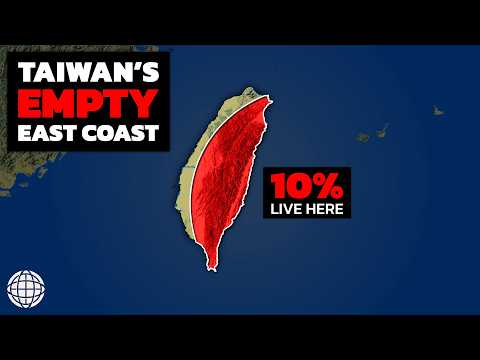
Why Taiwan's East Coast Is Basically Empty
0
VoiceTube posted on 2025/03/30Ever wondered why Taiwan's stunning east coast is so sparsely populated? This video dives deep into the fascinating geography, history, and even earthquake risks that shape this unique region, helping you pick up advanced vocabulary and understand complex sentence structures along the way!
Learn this video on the APP!
The VoiceTube App has more in-depth practice for videos!